
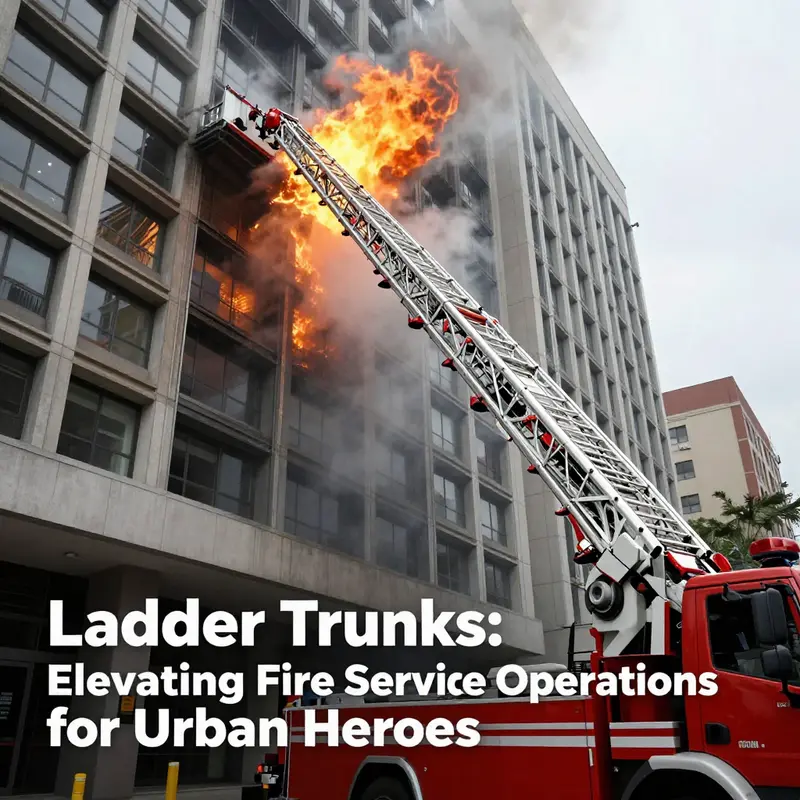
Firefighting in urban landscapes presents unique challenges, particularly when it comes to high-rise buildings. Ladder trucks are vital tools that enhance the capabilities of fire services, enabling them to tackle fires effectively from elevated positions. Accessing upper floors, conducting fire suppression, managing ventilation, and executing search and rescue operations are all tasks made possible by these impressive vehicles. This article will delve into five critical aspects of ladder truck operations, exploring how these vehicles transform firefighting strategies and improve safety for both responders and victims alike.
Raising the Line: Ladder Trucks as Elevated Lifelines in Urban Firefighting
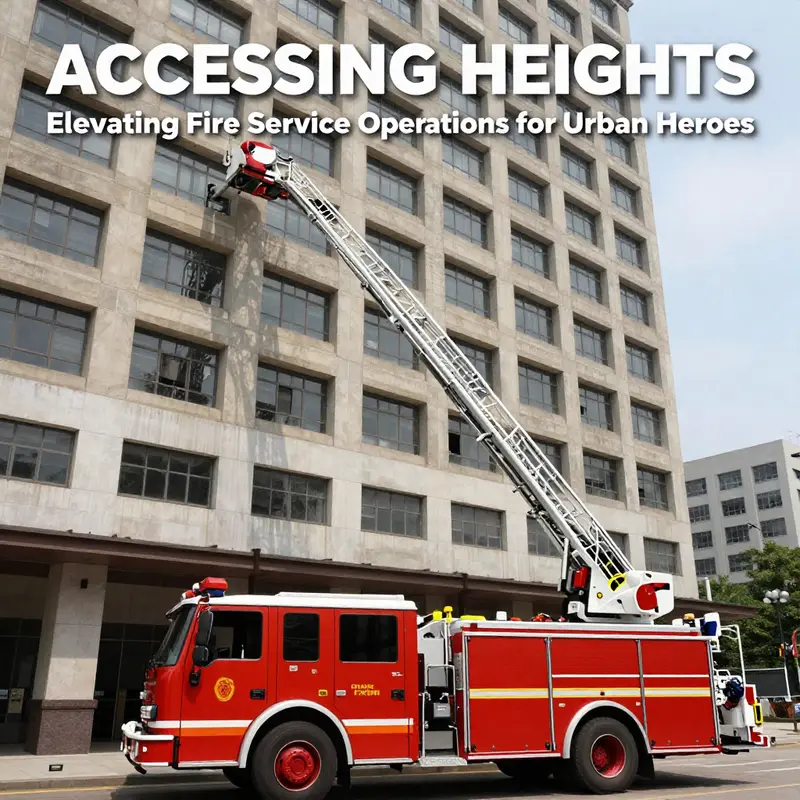
Access is the most fundamental value a ladder truck delivers. In high-rise or mid-rise structures, ground-based approaches can falter when stairways are blocked, elevators are compromised, or the corridors themselves become avenues for rapid flame spread. The ladder’s extendable chassis enables firefighters to reach patient windows or corridor openings from a stable, external position, offering a direct route to the trapped and a way to begin life-saving triage before interior teams can advance. This vertical reach is not a novelty but a necessity born from urban design where distance and elevation compound risk. The ability to deliver hose streams from above—directed precisely at a burning window or over a parapet—facilitates control of the fire’s footprint while reducing the probability of backdraft or flashover in confined spaces. The platform, or bucket, if present, grants an additional dimension: firefighters can perform their tasks from a steady, level base at height, maintaining line-of-sight to victims, fire origin points, and crew on the ground. Ventilation is another critical function that synergizes with elevated position. By accessing upper-floor openings and skylights, firefighters can vent heat and smoke, which not only improves visibility for interior crews but also directs the fire’s growth away from endangered stairwells and egress routes. The act of breaking windows or creating controlled openings becomes a strategic maneuver rather than a reaction, dampening heat buildup while enabling interior teams to progress more safely. The ladder thus functions as a mobile, high-ground command post that aligns with the broader objective of reducing exposure time for civilians and responders alike, and it does so with a level of precision that ground ladders cannot offer in many urban settings.
But the ladder’s value is not limited to direct firefighting alone. In search and rescue, the elevated platform stands as a stabilizing observation post. From a height, teams can conduct systematic visual sweeps of upper floors, balcony lines, and roof access points, validating the presence or absence of occupants. When time is of the essence, a quick, decisive vertical perspective can differentiate between a successful rescue and a missed opportunity. Moreover, ladder trucks enhance the flexibility of the fire scene. Streets clogged with vehicles and debris frequently constrain ground operations, while aerial access can bypass such obstacles entirely. The ability to adjust the ladder’s position with micro-precision allows responders to tailor their approach to the structural geometry of each building, whether it is a classic masonry high-rise or a modern curtain-wall complex. This adaptability is a hallmark of the ladder truck’s role in urban operations, ensuring that crews can position themselves to maximize the effective footprint of water application and victim access, even when space is at a premium.
The multi-dimensional advantage of ladder trucks hinges on how they are integrated into planning and training. Progressive departments are adopting 3D spatial information to simulate fire scenarios before arrival at a scene. By modeling a building’s geometry, streets, and surrounding infrastructure, planners can pre-determine the optimal placement of aerial apparatus. This proactive approach helps maximize the “scrub area”—the circle of influence where the ladder can reach and operate safely—thereby reducing response time and improving overall efficiency. When a ladder truck’s position is chosen through such simulations, firefighters arrive with a ready-made plan that minimizes improvisation under pressure. The result is a more orderly, predictable, and safer deployment, where the aerial footprint is established alongside interior routes and water supply strategies. In this sense, ladder trucks become not only tools of action but elements of a broader, data-informed strategy for urban firefighting.
The operational value of ladder trucks also extends into considerations of safety and coordination. Training emphasizes the stability of the platform, the mechanics of extending and angling the ladder, and the strict adherence to positioning protocols that prevent contact with power lines, façades, or other hazards. The tension between speed and safety is ever-present: responders must reach victims quickly but must also ensure that every action at height remains controlled, orderly, and predictable. This balance is achieved through disciplined teamwork, clear communication, and precise machine manipulation. The ladder crew must harmonize with interior companies, incident command, and other support units, synchronizing actions such as ventilation, interior advances, and water application. In practice, this means rehearsing scenarios that couple rescue and fire suppression with external access points, roof operations, and even post-fire overhaul. The prestige of a well-run operation rests on the crew’s ability to move in unison, to read the fire’s behavior from a height, and to translate that read into decisive, safe actions on the front lines.
A further dimension of the ladder truck’s value lies in its versatility beyond firefighting per se. In many urban settings, elevated apparatus can assist with technical rescues, weather-related emergencies, or large-scale public safety operations where access to elevated points is necessary. The ladder’s reach can support drone deployments, enabling communication and situational awareness from above. This broad utility reflects a core principle: the ladder truck is a flexible platform, not a single-purpose machine. Its capacity to support multiple lines of effort—from direct attack to rescue to technical operations—underscores why it remains an essential asset in contemporary fire service fleets.
From a standards and practice perspective, the emphasis is on safe, repeatable performance. Fire departments continually refine their aerial operations through study, testing, and field feedback. The goal is to maintain a high level of readiness while safeguarding responders and communities. This involves ongoing maintenance, skill refreshment, and adherence to recognized procedures for rapid deployment and secure operation at height. As the literature on aerial ladders and their applications suggests, establishing clear guidelines around equipment composition, safety regulations, and operational procedures is essential to ensuring that the ladder’s potential is realized without compromising safety. In practice, this translates into careful inspection routines, disciplined positioning, and a culture of constant learning and adaptation to evolving building designs and fire behavior patterns. The ladder truck, in other words, embodies a philosophy of elevated readiness, where a city’s approach to height becomes a fundamental element of its fire protection strategy.
For departments seeking to deepen their understanding of how to weave aerial ladders into an optimized response framework, the concept of design efficiency in emergency services can be a guiding beacon. See design efficiency in emergency services for a discussion on aligning equipment placement, crew work-flows, and training with the realities of urban topology. And as the broader landscape of standards and best practices evolves, the ladder truck remains a central pillar of the fire service’s mission: to access heights, extend reach, and elevate safety for both the public and those who protect them. In urban firefighting, the ladder is more than a tool; it is a strategic asset that, when deployed with skill and discipline, turns height into a controlled zone of safety and effectiveness. The chapter of this equipment is ongoing, shaped by innovation, case studies, and the enduring demand to protect life and property in the city’s vertical dimension.
External resource for further standards and best practices: https://www.fireengineering.com/exploring-fire-truck-aerial-ladder-composition-standards-and-best-practices-for-applications/
Raising the Reach: Ladder Trucks as Vertical Lifelines in Urban Fire Suppression
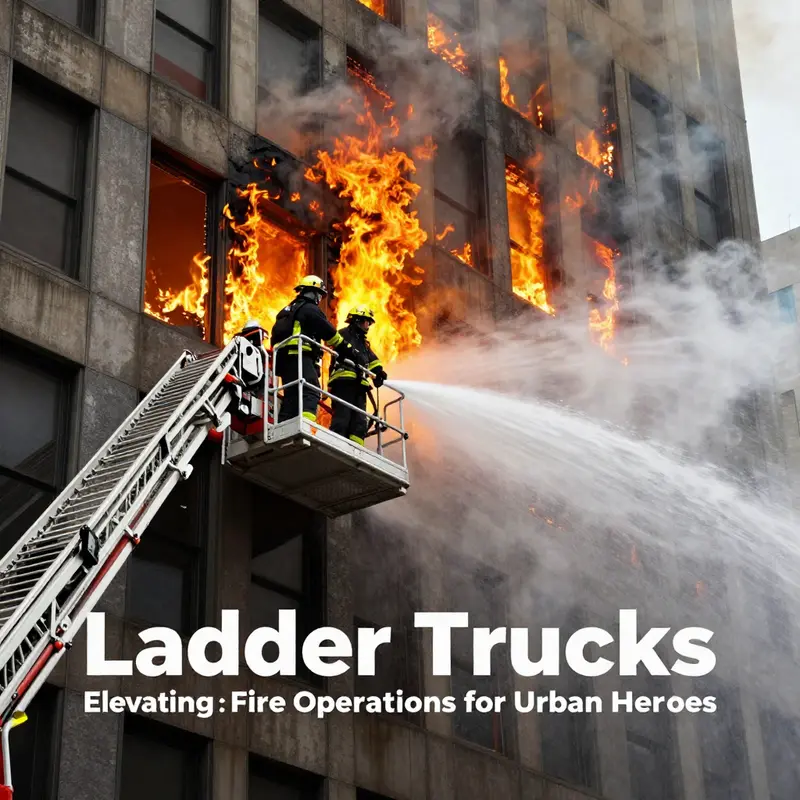
Ladder trucks are more than tall ladders on wheels. In modern urban firefighting, they function as a fusion of access, water delivery, rescue, and strategic planning, all harmonized around the vertical challenges that high-rise structures present. When a fire grips a multi-story building, the clock doesn’t just tick in terms of extinguishing flames; it ticks in the language of height, reach, and line-of-sight. The ladder truck, with its extendable boom and articulated platform, becomes a moving command post that can bridge the gap between ground-level operations and upper-floor realities. Its value emerges not simply from how high it can reach, but from how effectively it can position a team to perform critical tasks under rapidly changing conditions. In dense cities, where space is limited and setbacks from the building edge are common, the ladder establishes a flexible corridor for suppression and rescue that ground crews alone cannot guarantee. This chapter explores how reach, precision, and planning converge in ladder-enabled operations to transform what is feasible at ground level into what becomes possible at height, particularly as interiors become locked by heat, smoke, and structural strain.
Access and water delivery sit at the core of the ladder truck’s utility. By carefully selecting a staging point and adjusting the boom angle, crews can deliver water or foam directly into upper openings, through balcony doors, or into windows that otherwise would remain sealed by flame and debris. This vertical stream approach lets interior attacks begin with containment from above, minimizing the exposure risk to firefighters who would otherwise have to maneuver through stairwells or elevators compromised by fire. The platform or “bucket” elevates a firefighter to a stable workstation where streams can be directed with precision, enabling a controlled interior entry that often shortens the path to a successful extinguishment while preserving the integrity of stairwells and exits for occupants who still need a safe egress.
The ladder’s reach also unlocks essential ventilation. Breaking or opening a window from an elevated position both dumps heat and smoke outward and creates a chamber of cooler air to improve visibility inside. Ventilation from above not only makes it safer for occupants who are trapped on higher floors but also improves the conditions for any responders operating inside the structure. When combined with the ability to monitor interior conditions from the elevated platform, ladder operations become a disciplined, dynamic process rather than a single aggressive action. The elevated vantage point further supports systematic searches for victims, offering a broad, stable line of sight that can reveal overlooked spaces or expose hidden pockets of heat. In high-rise evacuations, time spent on accurate searches from height can translate into lives saved on otherwise inaccessible floors.
These tactical advantages are amplified when spatial constraints dictate unconventional geometry. Aerial reach means crews can position themselves where ground access is impractical or impossible. Narrow streets, obstructed approaches, or surrounding fire apparatus can all limit traditional laddering from the ground. The ladder truck, by rising above these constraints, creates a predictable arc of operation that foresters and incident commanders can rely on to stage additional resources with confidence. This capacity for adaptable positioning supports a broader strategic picture: it makes the regional incident command more resilient by providing a scalable method to choreograph vertical access alongside horizontal suppression efforts.
A key dimension of modern ladder operations is the integration of three-dimensional spatial information into pre-incident planning and on-scene decision-making. Studies have shown that predictive modeling can maximize the “scrub area”—the effective reach and coverage zone of the ladder—before crews even arrive at a scene. In practice, this means commanders can anticipate where a ladder will most efficiently establish a water line, where the elevated platform should be placed for rescue operations, and how to coordinate with surrounding ground units to prevent bottlenecks during a fast-evolving incident. The result is a marked reduction in response time and an enhancement of situational awareness as conditions change from exterior to interior. For practitioners seeking design-focused detail on how these vehicles are engineered to support such sophisticated planning, see the detailed discussion on Pumper Fire Truck Design Features. The link provides a closer look at how the boom, platform controls, and integrated sensors cooperate to deliver precise, repeatable outcomes in the tight confines of urban landscapes.
Technology is the silent force shaping ladder truck effectiveness. Global deployments increasingly employ GPS navigation to optimize positioning while real-time data systems continuously relay information about wind direction, heat intensity, and occupant needs to teams both at the platform and on the ground. The combination of navigation precision and live condition updates allows incident commanders to orchestrate a far more fluid operation than would be possible with conventional ladders and hoses alone. The trend toward higher-capacity pumps on ladder apparatus also matters. When a platform is elevated, the ability to sustain a robust water or foam stream from above demands reliable, high-volume supply lines that can keep up with a coordinated exterior attack while minimizing crew fatigue. Foam proportioning systems, in particular, contribute to the suppression of flammable-liquid fires that may arise in high-rise kitchens or industrial zones embedded within urban clusters. The ability to mix foam on demand and deliver it through elevated nozzles adds a valuable layer of versatility to ladder-driven suppression campaigns.
Coordination between ladder trucks and ground-based resources is not a back-up plan but a tightly integrated workflow. While the ladder provides vertical access and targeted interior suppression, the pumper engine offers the critical volume and pressure needed to sustain long-duration operations. The synergy between height and flow creates a formidable combination: the ladder opens exterior vantage points and delivers early, concentrated knockdown in upper compartments, while ground crews establish and maintain a dependable water supply, enabling a sustained interior attack or a robust external defense as conditions inside the structure evolve. In many scenarios, this collaboration extends to rescue operations, where the elevated platform becomes a point of temporary shelter for occupants awaiting extraction or for responders awaiting a safer egress route. Modern firefighting training emphasizes this integrative approach, reinforcing the idea that the most effective response relies on coordinated discipline between vertical and horizontal teams rather than isolated acts of force or speed.
Foam systems represent another layer of tactical depth in elevated operations. In environments where fuel loads are significant—such as high-rise commercial spaces or mixed-use developments—the rapid application of foam can disrupt the ignition process and prevent reignition once the flames are contained. Foam behaves differently from water in its ability to blanket surfaces and reduce surface tension on hydrocarbons, making it particularly valuable when upper-level fires involve kitchens, mechanical rooms, or storage areas with fluid fuels. The deployment logistics of foam from a raised platform require careful attention to proportioning and flow, as well as ensuring that the foam concentrate is compatible with the available pumps and lines. When integrated thoughtfully, foam enhances the efficiency of exterior knockdown and interior control by slowing flame progression and providing safer conditions for occupants and responders during the critical early stages of a high-rise incident.
The operational value of ladder trucks is also shaped by standards, training, and maintenance. As the apparatus becomes more technologically sophisticated, crews must stay current with evolving guidelines that govern safe operation, fall protection, platform restraint, and stable positioning on variable substrates. Regular maintenance translates directly into mission readiness, ensuring that the hydraulic systems, sensors, and controls perform reliably when lives are on the line. In this light, ladder trucks are not merely assets for dramatic rescue shots; they are complex, high-stakes platforms that demand meticulous planning, ongoing education, and rigorous upkeep to meet the unpredictable demands of urban fires. The collaboration among design engineers, municipal planners, and frontline responders yields an apparatus that can adapt to changing urban form, occupancy types, and threat profiles, making the ladder a permanent feature of a modern, resilient firefighting strategy.
For readers seeking a broader framework to anchor these ideas in standard-setting guidance, the National Fire Protection Association provides official guidelines on fire apparatus and their operation. While the specifics of equipment are continually updated, the underlying emphasis on safety, interoperability, and evidence-based practice remains a constant guide for departments adopting ladder-driven tactics.
External resource: NFPA guidelines on fire apparatus and ladder operations can be explored at https://www.nfpa.org.
Breathing Space Above the Fire: Elevated Ventilation Tactics with Ladder Trucks
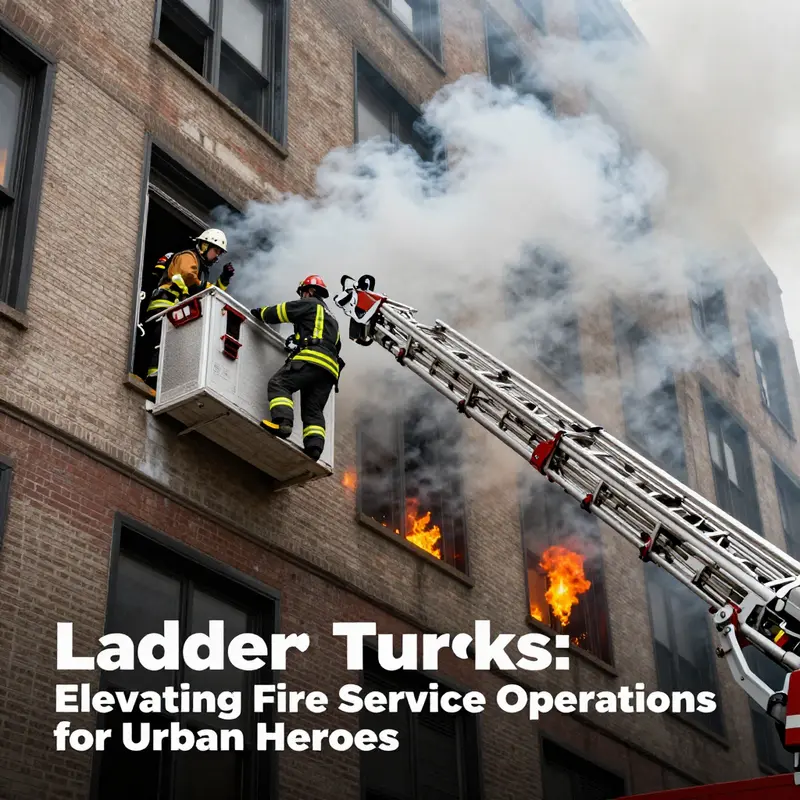
Ventilation is not merely an adjunct to firefighting; it is a core tactic that leverages the unique capabilities of ladder trucks to create space, control the fire environment, and safeguard both occupants and responders. In modern urban incidents, where flames can surge through stairwells, vent shafts, and high-rise corridors, the ability to manage heat, smoke, and toxic gases from above becomes a decisive factor in outcomes. Ladder trucks, with their extendable aerials and stable platforms, provide a rare combination of reach and precision. They allow crews to access upper openings, place exhaust paths where openings do not exist, and direct the flow of air in a way that optimizes the sequence of operations on the ground. When the wind and architecture cooperate, ventilation from above can slow fire growth, improve interior visibility, and create the breathing room necessary for searches and rescues to unfold with less risk. The tactical value of this approach rests on three pillars: reach, coordination, and situational judgment informed by disciplined standards.
At the heart of elevated ventilation is a clear understanding that the fire behavior inside a burning structure is a three-dimensional problem. Smoke and heat rise, but so do the dangers of backdraft and flashover if the interior is allowed to vent in uncontrolled ways. Roof ventilation, the classic method, remains one of the most effective tools in a high-rise or multi-story fire. When a trained crew climbs to the roof, they can cut or remove sections of the decking to release hot gases, vents, and flames that seek the path of least resistance. The action is not simply about making a hole; it is about shaping the fire’s pressure regime. A properly timed vent can reduce ceiling jet temperatures, alter the draft dynamics, and make the interior more tenable for firefighters operating from both the ground and the stairs or elevators. The hydraulic or manual tools used on the roof are not ends in themselves but mechanisms to create an intentional pathway for air and heat to escape, thereby cooling the structure from the outside in.
When rooftop access is limited or not immediately feasible, high-window ventilation becomes a critical alternative. The elevated platform or articulated ladder can position a firefighter at level with high windows to break or open them, depending on the material, wind conditions, and the structural integrity of the façade. This method focuses on establishing a controlled outflow path for hot smoke, while the interior team concentrates on extinguishing the fire and performing necessary searches. The challenge lies in balancing the risk of drawing air directly toward the fire with the imperative to remove trapped occupants and reduce heat transfer into the upper floors. Here, the operator’s judgment, the crew’s training, and the command structure converge. Even seemingly simple actions—opening a window a few inches, or shattering a pane—must be calibrated against current fire conditions, potential for backdraft, and the probability of creating new routes for fire to spread.
Horizontal ventilation rounds out the set of elevated options. It involves creating openings on the exterior to encourage cross-ventilation, typically by aligning openings with the prevailing air currents and the interior layout. This approach requires careful assessment of wind direction, the location of the fire, and the position of other crews. Horizontal ventilation can complement roof or high-window efforts by providing a broader pathway for smoke to exit, thereby reducing hot gas stratification in key compartments like stairwells and corridors. Yet it is not a universal remedy. If wind shifts or pressure changes occur suddenly, the unintended consequence could be an explosive surge of air through newly opened passages. In the hands of experienced leaders, horizontal ventilation becomes a controlled, coordinated act rather than a generic gesture toward ventilation for its own sake.
The most sophisticated practice, however, is coordinated ventilation: a deliberate, synchronized effort between the ventilation team and the water application team. In this mode, the ladder-truck crew does not work in isolation but threads its actions through the larger fire-ground plan. As the water stream cools the seat of the fire, venting paths are opened or extended to manage the evolving heat release and to prevent a rebound of flame into upper spaces. This coordination prevents the kind of misalignment that can feed a growing fire through unintended air flows. It demands precise communication, pre-planned role assignments, and ongoing situational awareness. The time to plan such coordination is not when the ladder is already in position; it arrives during the pre-incident planning phase and is reinforced with drills that simulate high-rise scenarios. In practice, this means that command must rapidly synthesize information about structure layout, wind direction, and occupancy to determine whether roof access, high-window ventilation, or a broader horizontal strategy is warranted, and how those choices will influence the suppression approach on floors below.
The theoretical appeal of elevated ventilation is matched by the operational realities of ladder-truck work. A platform or aerial device must be deployed with chassis stability and ladder reach in mind. The firefighter on the platform needs a stable position to work through gloves, goggles, and breathing apparatus while manipulating doors, windows, or deck openings. The procedural emphasis is clear: ventilation is not a stand-alone act but the catalyst for a sequence that includes interior entry, search, cooling, and, when conditions permit, a more aggressive attack. The structural hazards—from compromised roofs to falling debris—demand careful risk assessment and continuous reevaluation as the fire evolves. In this context, the elevation is not just about height; it is about creating a controlled environment where victims can be found, heat can be managed, and frontline teams can operate with visibility and confidence.
From a policy and training perspective, the strategic value of ladder-truck ventilation is reinforced by standard-setting bodies that emphasize现场评估 and disciplined command. Correct ventilation relies on the incident commander’s assessment of the structure, wind, burning phase, and the positions of occupants. It also depends on the crew’s proficiency with equipment and with the tactical timing that turns ventilation from an opening act into a coordinated, safety-sensitive maneuver. This framework aligns with the broader concept of pre-incident planning that integrates 3D spatial information to pre-determine the optimal placement of ladder trucks, maximizing coverage and reducing response time. In practice, this means rehearsing scenarios that require a combination of vertical and horizontal air movement, so that when real fire encounters occur, responders can rapidly decide which technique to apply and how to sequence actions to minimize harmful backdraft and flashover risks.
As ladder trucks become more integral to city streets and dense neighborhoods, the interplay between ventilation and rescue becomes increasingly nuanced. The platform allows rescuers to extend the reach to upper-story windows and roof areas where occupants may be trapped and where access through stairs or elevators is compromised. The ability to create an effective exhaust path can dramatically impact the speed and safety of the rescue sequence. Equally important is the psychological effect—knowing that responders have a deliberate plan for removing heat and smoke can reassure victims and reduce panic, which itself can influence the behavior of those still inside. The ethics of ventilation, then, extend beyond the technical. They touch on the responsibility to balance aggressive intervention with the preservation of life and structure. For practitioners seeking a deeper understanding of how ladder-truck design informs these tactics, the field contemplates the insights found in the ongoing exploration of pumper-fire-truck-design-insights.
In sum, elevated ventilation using ladder trucks embodies a critical synthesis of reach, judgment, and disciplined safety standards. Roof, high-window, horizontal, and coordinated ventilation strategies offer a spectrum of options that can be tailored to the particulars of a scene. The decision to employ a particular method rests on immediate observations, but the overarching objective remains constant: create a controlled thermal and smoke environment that supports occupant survival, improves interior conditions for search and rescue, and enables suppression crews to perform at their best. As urban fire scenarios grow more complex, the ladder truck emerges not merely as a tool for height but as a platform for informed, disciplined action—an instrument that translates elevated vantage into safer outcomes for the people we serve.
For readers seeking to connect these tactical considerations with broader design principles and lessons learned from advanced ladder-truck configurations, further exploration can be found in the following resource: pumper-fire-truck-design-insights.
External reference: The official safety standards guiding ventilation practice are documented in NFPA 1500: Fire Department Occupational Safety and Health Code and related standards. See https://www.nfpa.org/codes-and-standards/document-information?code=1500 for the latest version and detailed requirements.
Elevated Lifelines: Ladder Trucks and the Art of Search and Rescue in the Modern Fire Service
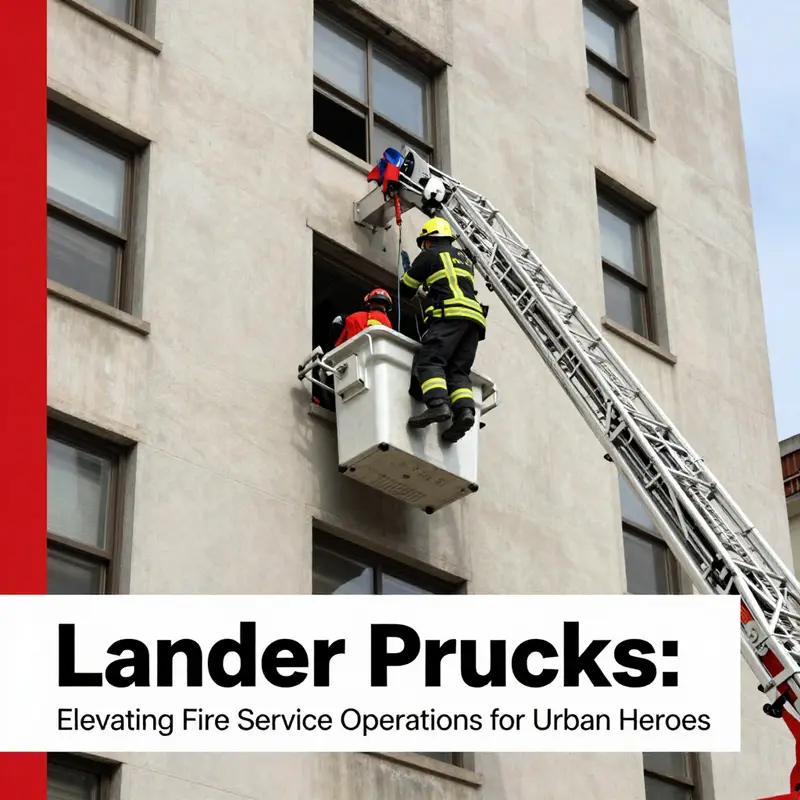
In the crowded texture of today’s cities, where towers climb toward the sky and streets run narrow and shadowed between blocks, the ladder truck stands not merely as a piece of equipment but as a portable extension of human reach. Its role in search and rescue operations is defined as much by how it changes the geometry of a scene as by what it can physically do. When seconds count and the ground is untenable, crews rely on the ladder truck to translate vertical potential into immediate, life-saving action. The apparatus, with its extendable aerial ladder and the elevated platform often affectionately known as a bucket, becomes a third hand that reaches up, outside, and sometimes through a window to touch what remains out of reach for those on the ground. This capability is not confined to fires alone; it reshapes how responders approach structural collapse, high risk rescues, and even complex mass incidents where victims are scattered across inaccessible spaces.
Access to elevated areas is the defining first step in an effective search and rescue operation. In many urban structures, stairwells can be blocked by heat, smoke, or structural instability, leaving occupants trapped on higher floors or behind closed doors that ground teams cannot safely breach from below. The ladder truck’s extendable ladder and its anchored platform allow firefighters to position themselves precisely where interior teams cannot reach, guiding occupants to safety through windows or balconies and enabling interior searches from a raised vantage point. This elevated access reduces the time occupants spend in peril and also provides a stable, controlled environment for careful, systematic searches. In dense urban fabrics where space is limited, the mobility of a ladder truck becomes more than an advantage; it is a strategic necessity that can determine whether a rescue is possible at all.
But ladder trucks are not just about reaching higher; they are about positioning people and resources in ways that maximize safety and efficiency. The platform can serve as a stable staging area where teams can pause, assess, and communicate with crews on the ground below. From this height, incident commanders can observe heat signatures, movement patterns, and the spread of fire or smoke with uncommon clarity. Such situational awareness is crucial when conditions shift rapidly, as it often does in high-rise scenarios. By aligning the aerial vantage with ground-based operations, responders can choreograph a more cohesive rescue plan, moving victims in a manner that minimizes further harm and preserves structural integrity wherever possible. The synergy between elevated access and ground operations is a hallmark of modern search and rescue work, turning a potentially chaotic scene into a coordinated operation that can adapt as conditions evolve.
The ladder truck’s versatility expands beyond simple access and observation. In many rescue missions, the vehicle acts as a mobile command post that can host short-term communications hubs, incident briefing sessions, or a compact triage area for patients retrieved from upper floors. This mobility matters when time is critical and multiple agencies converge on a scene; the ladder truck can provide a centralized, elevated point from which leaders can synchronize efforts without the constraint of a fixed ground location. Structural assessment is another critical function: from height, crews can evaluate the integrity of floors, walls, and stairways, determining safest routes for evacuation and entry. The elevated perspective also supports exterior firefighting operations, where water streams directed from above can control fire progression before interior routes are cleared. In scenarios where windows are the quickest ingress, the ladder truck becomes a bridge between two worlds—inside and outside—linking rescue access with suppression and overhaul activities.
Ventilation, a sometimes overlooked but essential component of safe rescues, benefits distinctly from the ladder truck’s elevated position. From the bucket, firefighters can create or widen openings to vent heat and smoke, improving visibility for interior teams and reducing the thermal load that can trap occupants. This capability is particularly important in high-rise fires, where heat can funnel through stairwells and elevator shafts, overwhelming occupants quickly. By combining exterior ventilation with interior operations, responders can disrupt the environment that sustains the fire, lowering the risk to both occupants and responders and allowing for more effective interior searches. The lift and the platform also enable precise control of mechanical tools and the application of debris-clearing methods in tight spaces, where ground-based approaches might be impractical or unsafe.
The strategic reach of ladder trucks intersects with evolving technology that continues to reshape rescue tactics. Thermal imaging, high-resolution cameras, and advanced hydraulic systems enhance the operator’s ability to work in low visibility conditions. The elevation provided by the ladder allows crews to observe thermal pockets and hot zones from above, guiding hose placement and ventilation efforts with greater confidence. In practice, this means fewer blind moves and a more measured, data-informed response. Moreover, the adoption of 3D spatial information in firefighting simulations and pre-incident planning enables departments to pre-position ladder trucks in locations that maximize the scrub area—the actual portion of the environment the ladder can effectively cover during a response. This proactive planning reduces response time and increases the likelihood of rapid, successful rescues, a benefit that becomes especially salient in neighborhoods characterized by dense development and limited open spaces.
The broad utility of ladder trucks in search and rescue also extends to non-fire incidents. In vehicle collisions, structural collapses, or industrial accidents, these vehicles can stabilize precarious structures, create safe entry points, and facilitate victim extraction from confined spaces. They provide a reliable means to support extrication efforts when ground access is blocked or compromised. This adaptability is why ladder trucks are central to a unified response framework that transcends the boundaries of firefighting alone. It is a reminder that rescue work, in its essence, is about maintaining agency for the vulnerable and ensuring that the most vulnerable have the best chance to be found and freed. The equipment is a translator of risk into a map of options, converting the unknown into a series of actionable steps that can be executed with discipline and care.
As the skyline itself becomes a canvas for rescue, the integration of maintenance and training cannot be overstated. A ladder truck that deploys smoothly and reliably is a result of ongoing attention to mechanical integrity, regular testing of functions, and tireless drills that simulate real-world complexities. The emphasis on maintenance training becomes a practical, not abstract, component of life safety. When crews practice deployment under varied conditions—different wind speeds, ladder angles, and crowd dynamics—they build the muscle memory required to act decisively when pressure is highest. The topic of maintenance training is not ancillary; it is a frontline discipline that ensures the equipment performs its job when it matters most. For those seeking deeper understanding of maintenance practices, see fire-truck maintenance training importance.
Beyond the technical and procedural dimensions, there is a human element to the effectiveness of ladder based rescue operations. The best outcomes arise when teams cultivate clear communication, mutual trust, and a shared mental model of the scene. The ladder truck becomes a focal point around which coordination centers—whether operational or incident command—organize. A well-directed aerial operation can prevent missteps that put occupants and responders at risk and can create a space where improvised solutions become feasible rather than dangerous improvisations. In this sense, the ladder truck does more than extend reach; it concentrates collective judgment and aligns it with a vivid, three dimensional understanding of the scene. In urban environments where the landscape is constantly changing, this alignment is essential to translating training into protective action for the people who depend on responders most.
Ultimately, the ladder truck embodies a philosophy of rescue that balances reach with restraint, power with precision, and speed with safety. It is a tool that expands possibility while demanding discipline. The modern fire service does not rely on a single method or device to save lives at height; it integrates elevated access, stabilization, ventilation, and command from a singular, mobile platform designed for dynamic urban challenges. The result is a more resilient response framework—one that can adapt to the vertical complexity of today’s cities and to the unforeseen shifts that threaten life in any given incident. As cities continue to grow upward, the ladder truck remains a critical, almost instinctual component of the rescue repertoire, a lifeline that meets danger where it rises and carries people back toward safety with clarity, control, and care. For those exploring these themes further, a broader look at maintenance and readiness will reinforce how preparation underpins every successful ascent and every safe return to ground level. See fire-truck maintenance training importance.
External resource: NFPA standards and guidance provide additional context for ladder operations and rescue practices in modern fire services. NFPA resources
Ascending the City: How Ladder Trucks Redefine Firefighting in Modern Urban Environments
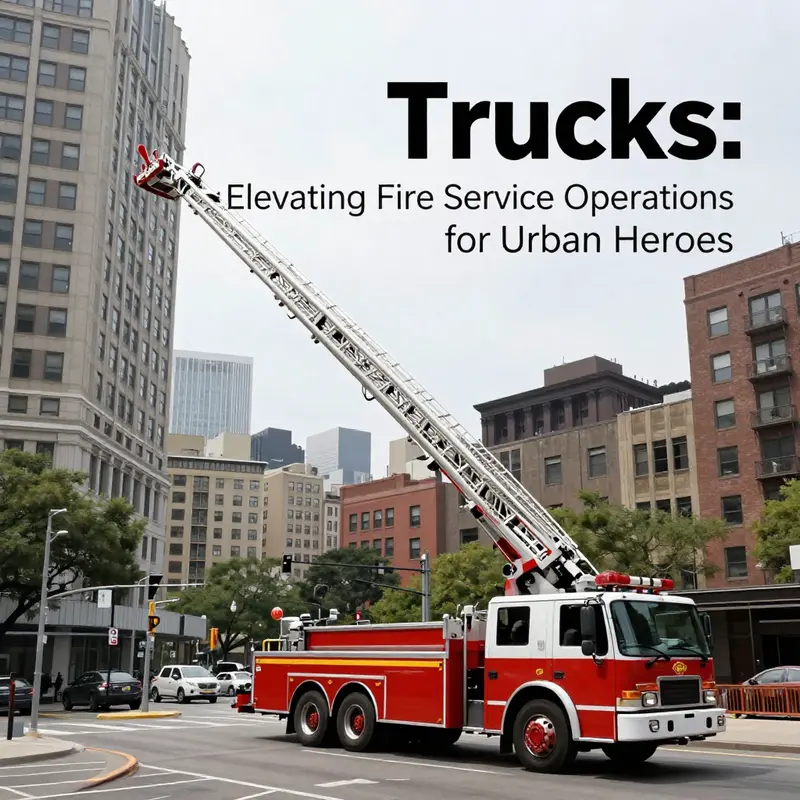
In dense urban landscapes, where streets funnel around high-rise silhouettes and windows become potential doorways to every story above the ground, ladder trucks rise as more than just tall tools. They are versatile platforms that protect the vulnerable by expanding the fire service’s reach, not merely its height. The reason is simple but profound: when ground access ends, elevated access begins, and in those moments time, balance, and position determine whether a rescue or a tragedy is averted.
Access to upper floors sits at the core of ladder truck utility. The extendable aerial ladder, or platform, gives firefighters the line of sight and the reach needed to access trapped occupants through windows or balconies. It also provides the stabilizing perch from which crews can operate water streams with precision against an external fire, cooling the structure and limiting the flame’s breathing space. This external approach often buys critical seconds for stairwells and elevators to be cleared or for crews to establish internal containment without trading safety for speed. The importance of elevation in rescue scenarios is the difference between a window and an exit, a balcony and a doorway.
Fire suppression at height expands the firefighting toolkit in ways that ground-based methods cannot. When flames gash the exterior and threaten upper floors, directing water from an elevated position allows firefighters to attack from a safe distance while still delivering the force needed to dampen the fire’s momentum. The higher vantage, combined with a sturdy platform, reduces the risk of hose teams having to fight through collapsing stairs or smoke-filled corridors. In high-rise environments, this external angle often proves essential for preventing the fire from racing upward and for protecting interior spaces that remain habitable long enough for rescue operations to succeed. The platform’s stability under wind and weight enables firefighters to maintain a deliberate, controlled application of water or foam, which is critical when interiors quickly turn from risky to untenable.
Ventilation follows naturally from this elevated stance. By creating controlled openings—windows or vents at higher levels—crews can vent heat and smoke away from occupancies below. The result is more visible conditions for interior teams and a reduced likelihood of flashover. Even when doorways are blocked or compromised, the elevated platform ensures that ventilation can be conducted without forcing rookies into untenable positions. This measured approach to heat management helps protect both victims and responders by shaping the thermal landscape inside the building.
Search and rescue are dramatically improved when crews operate from above. The elevated vantage point provides a stable field of vision, enabling rapid assessment of floor plans and occupancy patterns. In many scenarios, rescuers can reach victims who would otherwise be cut off by debris, smoke, or heat, delivering life-saving assistance without exposing ground crews to the same level of danger. The platform’s ability to rotate and extend toward the most accessible breach point adds a level of adaptability that is particularly valuable in crowded structures where stairwells may be compromised or blocked by debris.
Beyond the ethical imperative to save lives, ladder trucks address the practical constraints of urban geometry. City streets huddle tightly around blocks of tall structures, and every inch of space carries risk—for pedestrians, for traffic, for other emergency units maneuvering into position. Ground ladders alone often cannot gain the height or the precise angle needed to reach a target window or rooftop access, especially when apparatus must share limited road space with ambulances, police vehicles, and surrounding civilian activity. The ladder truck, with its compact footprint when stowed, and the ability to re-angle its reach, becomes a flexible instrument of coordination, not a brittle extension of a wall.
Technology sharpens these advantages, turning an impressive tool into an intelligent asset. Modern studies emphasize the power of 3D spatial information systems in planning ladder truck operations. By simulating scene geometry, departments can pre-determine optimal placements and assess how the “scrub area”—the effective footprint of the ladder arm relative to the building—will play out under different angles and heights. This foresight translates into faster, safer responses. When first-in units confront a congested intersection, they can draw on pre-incident models to decide whether to stage on a particular street corner, a certain curb cut, or a specific lane to maximize reach while minimizing the risk of collision with other apparatus or pedestrians. The result is a smoother handoff from the moment of arrival to the moment of deployment, a sequence that can shave crucial seconds from the total response time.
The adaptability of heavy-duty ladder trucks extends well beyond city cores. Whether a hub airport or a critical industrial complex, these platforms are engineered to function under challenging conditions. The chassis may feature corrosion-resistant materials and potent diesel drives, built to weather heat, wind, rain, and dust. Water reserves carried on board—measured in thousands of liters—ensure that crews can begin suppression work from elevation without immediately relying on on-scene hydrants. And, in line with environmental stewardship, many of these apparatuses meet stringent emission standards, ensuring that the tool of rescue does not become a pollutant in the process. This durability and energy responsibility underpin the fire service’s capacity to respond consistently, season after season, call after call.
The future of ladder trucks is not a simple upgrade in reach; it is an expansion of situational intelligence. As cities grow more complex, the ladders themselves become data-enabled platforms. Embedded sensors, computerized controls, and integration with building information models allow responders to plan several contingencies before an incident begins. The same 3D modelling that supports pre-incident planning can guide placement decisions on a real-time scene, adjusting to evolving conditions as smoke shifts, crowds swell, and roads constrict. In this sense, ladder trucks are less about height alone and more about controlled, data-informed access. They are learning tools that, when paired with experience and discipline, enhance safety margins for both victims and responders.
This progression naturally intersects with procurement, training, and maintenance philosophies. The ladder truck’s value is amplified when agencies invest in consistent maintenance that preserves hydraulic power, platform stability, and control responsiveness. It gains when operators receive scenario-based training that emphasizes not just reach, but steadiness, timing, and the choreography of simultaneous tasks—ventilation, search, rescue, and suppression—all performed from an elevated position. The discipline of maintenance and training ensures that when the moment arrives, the equipment behaves as designed, and the crew executes with confidence. Moreover, as the literature suggests, the alignment of design philosophy with field practice—what practitioners call design efficiency in emergency services—can yield a better balance between capability and reliability. See design efficiency in emergency services for a broader view of how thoughtful design translates into tangible safety gains.
The broader implication is clear: ladder trucks are not a luxury of urban firefighting but a core instrument of preparedness. They enable a disciplined, science-informed approach to emergencies that respects space, prioritizes human safety, and optimizes the use of time when every second counts. In dense ecosystems where access is the first and most persistent obstacle, the elevated reach marries capacity with prudence, expanding the firefighter’s leverage and shrinking the window of peril for those inside. As cities evolve, the ladder truck’s role evolves with them, becoming increasingly integrated with data-driven planning, cross-discipline collaboration, and adaptive response strategies.
This is not a mere technical update; it is a recalibration of how fire services perceive and deploy their most critical tools. The ladder truck remains a symbol of the profession’s willingness to ascend complexity rather than retreat from it. It embodies the principle that reach, visibility, and safe operation at height are not luxuries but essential elements of a comprehensive life-safety system. In the end, the ladder truck’s true value lies in its capacity to extend both human reach and human courage, turning concrete blocks into manageable spaces and turning fear into a manageable, survivable scenario. For readers who want to explore the science further, the related research on 3D spatial information in ladder truck operation offers a rigorous look at how simulations translate to on-scene performance.
External resource: https://www.fireengineering.com/3d-spatial-information-in-fire-fighting-simulation-for-ladder-truck-operation
Final thoughts
Ladder trucks are more than just firefighting tools; they are lifelines in urban emergencies. Their unique ability to provide access, conduct fire suppression, facilitate ventilation, and execute search and rescue operations makes them indispensable for fire services. For urban settings, where high-rise buildings are the norm, understanding and maximizing the capabilities of ladder trucks can significantly enhance the effectiveness and safety of firefighting efforts. Their presence on the scene not only equips fire crews with vital tools but also instills confidence in the community they serve, ensuring that victims receive timely aid during critical moments.