
Understanding freight services is crucial for long-haul truck drivers, trucking company owners, fleet managers, and aspiring truck drivers. Among the plethora of options available, Less Than Truckload (LTL) freight shipping stands out as an effective solution for transporting smaller shipments. This article delves into the expansive realm of LTL services, examining their economic implications, the technological advancements shaping the industry, and societal benefits that resonate across supply chains. Each chapter provides insights that connect back to the efficiency and strategic advantages of utilizing LTL freight services for items, securing a broader understanding of how these services can enhance overall supply chain dynamics.
Unpacking Efficiency and Cost Benefits: The Intricacies of Less Than Truckload Freight Shipping
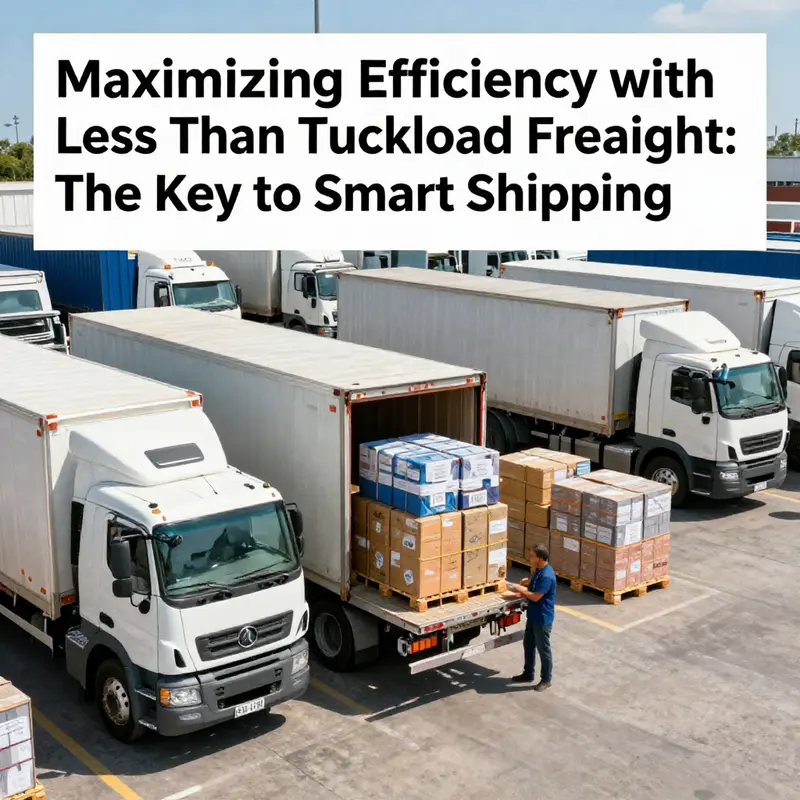
Less Than Truckload (LTL) freight shipping represents a compelling solution for transporting smaller shipments efficiently and cost-effectively. This method of shipping is designed for goods that do not require an entire trailer, allowing multiple shippers to share space on a single truck. In doing so, LTL shipping optimizes cargo capacity while reducing costs and waste. It is a tailored solution that meets the needs of businesses shipping goods weighing between 100 and 10,000 pounds, typically accommodating shipments that range from a single pallet to six pallets. The approach not only brings down costs by dividing expenses among several customers but also positively impacts environmental sustainability by decreasing the number of trucks on the road. Every shipment in an LTL network is carefully consolidated and routed through multiple stops, which results in a journey that is detailed and carefully planned, albeit sometimes longer than full truckload deliveries.
LTL shipping thrives on the concept of consolidation. Couriers gather freight from various shippers and combine them into one load that moves along a pre-determined route. This strategic grouping allows companies with lower shipment volumes to enjoy the benefits of cost sharing and operational efficiency. Freight carriers employ sophisticated planning tools to arrive at the most efficient routing method. These decisions determine the order in which shipments are processed, transferred across hubs, and then delivered to their respective destinations. The reliability of this system rests on the precision with which each shipment is tracked and managed. The sophisticated electronic tracking tools and online shipment management have modernized the LTL shipping process, ensuring a higher degree of accountability and transparency for shippers.
In contrast to Full Truckload (FTL) shipping, where an entire truck is dedicated to a single shipment, LTL shipping relies on sharing space with shipments from other customers. The clear difference between the two methods reveals that while FTL might be preferable for large volume shipments, LTL offers a pragmatic solution for moderate loads or businesses that do not have enough freight to fill a truck. The cost structure involved is driven by multiple factors. The price of each LTL shipment is influenced by the actual weight of the freight, the volume it occupies (often referred to as dimensional weight), and the freight class of the items that are being shipped. Freight class is a critical determinant in pricing as it reflects the density, the handling requirements, and the liability associated with the cargo. In situations where the dimensional weight of an item exceeds its actual weight, carriers rely on the larger figure to set pricing. This dynamic pricing model ensures that shippers pay a fair rate based on how much room their cargo occupies.
A notable benefit of LTL shipping is its flexibility. Businesses no longer need to estimate or wait until they have a full truckload to move their goods. With LTL, regular shipments and smaller parcel consignments can be moved quickly. Many e-commerce businesses have increasingly relied on this service model as it allows for a blend of cost efficiency and the reliability required in today’s fast-paced retail environment. The process supports numerous delivery options, including curbside deliveries and specialized services like liftgate assistance for locations that lack loading docks. These value-added options offer greater convenience and enhance the overall customer experience. The intricacies of LTL shipping continue to evolve as technology integrates more closely with logistics, providing real-time tracking and enhanced communication channels between shippers and carriers.
The careful handling of LTL freight is paramount. Freight shipments often move through several hubs and encounter multiple handling points. Every transfer introduces a small risk of damage or delay. This is why proper packaging and palletization become critical elements in ensuring the safe transit of goods. Shippers must invest in robust packaging and clear labeling to withstand the rigors of the transportation journey. Items are expected to be durable enough to endure shifting, stacking, and varying temperatures throughout the transit. The movement through several terminals enhances the visibility of the shipment; however, it also means that any packaging imperfections can lead to damage claims or delays in the final delivery. These details put a premium on quality control and process standardization. Logistics professionals need to ensure packages are designed to bear the brunt of multiple hops and that special care is taken when dealing with fragile or high-value items.
Another key component in the LTL framework is the structure of the pricing and transit scheduling. Carriers consider all aspects of the freight load through complex calculators that factor in not only the weight and the space required but also the number of pallet positions occupied by the delivery. As shipments undergo handling across several distribution centers, the scheduling of pick-ups and deliveries becomes more complicated. Although the route may include multiple stops, companies benefit from economies of scale. The transit time may be longer than what is experienced in full truckload shipping, but the overall cost savings and environmental benefits often outweigh the added time in transit. For many shippers, this is an acceptable trade-off when balancing budget constraints against delivery requirements.
Infrastructure that supports LTL shipping has seen significant technological advances in recent years. Modern freight carriers now provide seamless online tools that allow businesses to book, manage, and track shipments. These tools come with user-friendly interfaces that reduce human error and deliver consistent performance tracking. Real-time tracking not only instills confidence in shippers but also provides valuable data that can be used to further optimize shipping routes. By monitoring the flow of freight, carriers can predict potential delays and adjust schedules proactively. This technological integration ensures that despite the multiple stops and handlings during transportation, each shipment remains on track and well accounted for.
Environmental sustainability is another appealing benefit linked with LTL shipping. By maximizing each truck’s capacity, this method reduces the overall number of vehicles on the road, thereby lowering carbon emissions and promoting greener practices within the transportation industry. The collective nature of LTL shipping means that freight carriers avoid making numerous single-item trips that would otherwise contribute to higher fuel consumption and increased wear and tear on vehicles. The communal model not only benefits the individual shippers but serves the broader goal of reducing the environmental footprint of the freight industry. Companies increasingly aim to improve their sustainability metrics; therefore, opting for LTL shipping aligns with broader corporate responsibility and environmental standards.
Handling specialized shipments within the LTL framework can introduce additional complexities. For instance, shipments that are oversized or require special handling—such as items exceeding two meters in length—may incur extra fees. These surcharges exist because such shipments demand extra space and care during loading and unloading processes. The system incorporates these variables into the final pricing model in an effort to ensure that costs remain commensurate with the service quality provided. For companies that handle a mix of standard and oversized items, the ability to accurately predict costs may require a deeper understanding of LTL pricing structures. This shift has consequently encouraged businesses to work more closely with logistics experts who can offer strategic insights into minimizing additional surcharges or designing shipments that comply with standard dimensions and weights.
The operational process of LTL shipping is streamlined through an intricate network of terminals and local hubs. When freight is first picked up, it is transported to a terminal where it is consolidated with other shipments. At this point, the freight is carefully sorted based on its destination. The sorting process is essential to ensure that deliveries follow the most efficient route. Once consolidated, freight is loaded onto trucks that travel to intermediate hubs, where similar sorting and re-consolidation occur. The process continues until the freight reaches its final destination. Each stage of this journey is managed by trained professionals who ensure that shipments are carefully documented and handled with precision. Even with multiple touchpoints, the system works as a cohesive whole, allowing shippers to ship their goods without worrying about individual handling details.
Cost savings remain one of the most significant attractions for businesses opting for LTL shipping. By sharing trailer space with other shippers, companies avoid the hassle and high costs associated with renting an entire truck. This savings is not just a matter of reduced rental expenses; operational and labor efficiencies also contribute to the overall cost-effectiveness of LTL shipping. Smaller shipments that might otherwise be uneconomical when shipped independently find a viable pathway through consolidation. This approach is particularly attractive for small businesses and start-ups that must manage tight budgets while seeking efficient shipping methods. As a result, LTL shipping creates an environment where smaller shippers can compete more effectively in markets dominated by larger, bulk freight operations.
Operational reliability is bolstered by the emphasis placed on technology and tracking systems within the LTL shipping process. Real-time tracking and automated updates offer an accurate view of where a shipment is and what stage of transit it is in. These modern systems help logistics managers coordinate pickup and delivery times more effectively. An integrated online system even allows shippers to re-schedule pickups, adjust delivery parameters, or receive alerts concerning any potential delays. The added transparency provided by these tools builds a stronger relationship between shippers and the carriers. It ensures that everyone in the supply chain has access to the same vital information, thus reducing miscommunications and preventing errors. In an era where reliability is often paramount, these innovations have made LTL shipping a trusted choice for many companies.
For many businesses, the choice to move goods via LTL shipping is not merely about transporting items; it is an integral part of building a robust supply chain. The flexibility and adaptability of LTL make it especially suitable for dynamic market conditions. Companies that rely on just-in-time inventory and rapid response to consumer demand can benefit greatly from this shipping method. The ability to adjust shipment sizes without the need for extensive planning provides a level of operational agility that is hard to match with larger shipping modes. Shippers appreciate the balance between cost, efficiency, and the transformative capability of real-time tracking, all of which are essential in the current competitive landscape. This model serves as a cornerstone for many modern supply chains and has been embraced by diverse industries.
The industry continues to evolve as service providers invest in better technological frameworks and more efficient logistics networks. New digital tools streamline communication between carriers and shippers, resulting in improved coordination and higher operational standards. For those who wish to explore advanced trucking operations and detailed service management, one can learn more by reading insights on a prominent industry platform such as this leading trucking service insights page. The continuous improvement in digital interfaces not only saves time but also aligns operational protocols with modern business practices. This evolution in service delivery solidifies LTL shipping as an enduring and adaptable solution in a rapidly changing market.
Shippers who consider LTL shipping must also become adept at navigating the inherent trade-offs. Although LTL offers numerous cost advantages, the nature of the multi-stop process can sometimes lead to longer transit times compared to direct full truckload routes. However, many shippers find that the slight extension in delivery time is a fair trade-off for the substantial savings achieved. In an increasingly competitive marketplace, businesses that manage to reduce their shipping costs while maintaining reliable service can allocate resources more efficiently across other operational areas. This balance is crucial for long-term profitability and sustainability in an industry where margins are continually challenged by fluctuating fuel costs and regulatory pressures.
The careful calibration of cost, time, and service quality in LTL shipping is a testament to the complexity of modern logistics. Each shipment is a microcosm of the broader supply chain, where multiple variables interact to produce an efficient delivery outcome. Shippers invest considerable time and resources into planning, packaging, and managing shipments to ensure that the final delivery meets expectations. With every parcel or pallet that is consolidated into a larger shipment, businesses contribute to an ecosystem that values efficiency and shared resources. This integration is sophisticated yet practical. It represents a model that is both scalable and sustainable, making LTL shipping an indispensable option for businesses looking to optimize their freight movements.
The impact of LTL shipping reaches beyond the immediate savings and service improvements. It plays a significant role in shaping the overall dynamics of freight transportation. By offering a cost-effective alternative to full truckload shipping, LTL services enable businesses of all sizes to participate in a competitive marketplace. It democratizes the logistics landscape, ensuring that smaller shippers have access to reliable transportation without the heavy financial burden typically associated with dedicated trailers. This model has contributed to a more diversified and resilient economy, where agility and operational efficiency are key to success in every sector. The transformation fostered by LTL shipping continues to drive change, encouraging innovation and deeper integration across supply chains.
The journey of an LTL shipment is a blend of strategic planning, careful handling, and smart technology. Every detail, from the initial packaging to the final delivery, is managed to ensure that goods arrive safely and on schedule. While the process entails multiple stops and transfers, the benefits derived from cost savings, environmental sustainability, and operational flexibility render it a preferred choice for many businesses. The ongoing evolution in the field, marked by greater digital integration and improved logistical rigor, promises to further enhance efficiency and reliability. Shippers now have more tools at their disposal than ever before, making it easier to track shipments, manage unexpected variables, and meet their delivery commitments with confidence. For detailed insights and statistics regarding LTL shipping performance and best practices, interested readers can consult this comprehensive guide to LTL shipping.
In this dynamic landscape of freight movement, Less Than Truckload shipping stands out as an intelligent and flexible solution. It offers the practicality of shared resources while preserving high standards of service and accountability. As the freight industry continues to evolve, LTL remains a cornerstone of efficient logistics operations. Businesses that are keen to maximize their operational efficiency will find that LTL shipping meets both budgetary and practical requirements without compromising on quality. It is a model built on the principles of cost sharing, strategic consolidation, and innovative logistics management. By leveraging the benefits of LTL shipping, companies can enhance their supply chain resilience and secure a competitive advantage in a challenging market.
Every aspect of LTL shipping—from its cost structure to its operational mechanics—reflects a careful balance of efficiency, reliability, and innovation. This model encapsulates the essence of modern freight transportation, where technology meets practicality. Consistent improvements in tracking, pricing, and handling only serve to reinforce LTL’s position as a reliable choice for small to medium shipments. Companies that employ LTL shipping benefit not only from reduced logistical expenses but also from the confidence that comes with predictable, well-managed freight delivery. The service has grown indispensable for a wide array of industries, making it a vital component of the modern supply chain. Understanding and leveraging this method effectively can lead to significant operational benefits and enhanced market competitiveness.
The narrative of LTL shipping is one of continuous improvement and adaptation. As challenges in the transportation industry evolve, so too do the solutions that logistics professionals offer. From technological enhancements that streamline tracking systems to refined methods for cost allocation and packaging, the LTL model is designed to meet modern demands head on. For businesses seeking to optimize shipping processes without breaking the bank, LTL stands as a testament to the power of shared resources and strategic consolidation. Its ability to combine economic benefit, environmental responsibility, and operational efficiency makes it a foundational pillar in the freight transportation sector.
Ultimately, Less Than Truckload freight shipping provides a balanced solution that appeals to a diverse range of shippers. It embodies the ideals of efficiency and smart resource management. Businesses that choose LTL shipping invest in a system that supports reliability and accountability at every step. Its continued relevance in a competitive market underscores its importance as an innovative approach to freight logistics. By understanding its complexities and leveraging its benefits, companies can transform their shipping processes into a strategic advantage while embracing a model that is both economically and environmentally sound.
Driving Economic Efficiency: Transformative Impacts of LTL Freight Shipping on Item Transportation
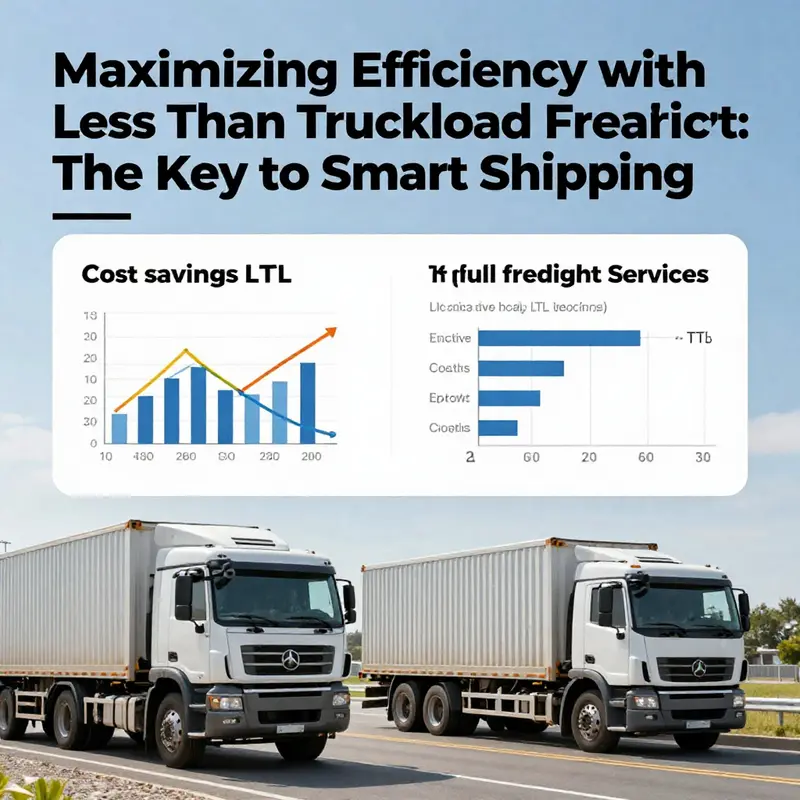
Less-than-truckload (LTL) freight shipping stands as a transformative force in the landscape of item transportation. This mode of freight service reshapes the economics of distribution by offering an efficient and cost-effective alternative to full truckload shipping. As businesses navigate competitive markets and fluctuating demands, LTL freight shipping has become an indispensable tool that balances cost structure, environmental considerations, and operational flexibility.
At its core, LTL shipping allows companies to send smaller shipments without the burden of paying for an entire trailer. This creates a direct path to cost savings by ensuring that businesses only pay for the space they use. As a result, companies are able to optimize transportation expenses while still receiving a dependable service that meets their delivery timelines. Small and medium-sized enterprises, which have traditionally struggled to access cost-effective nationwide logistics, now enjoy a level playing field. They can participate in broader markets with a service that scales to their unique needs and fluctuates along with seasonal or demand-based requirements.
This shipping approach rests on several pillars of efficiency. One of the most notable is cost optimization. By consolidating multiple smaller shipments into a single trailer, carriers reduce the overall fuel consumption per unit of cargo. In doing so, costs are minimized not only through shared space but also by spreading operational expenses across various consignments. The outcome is a system where economies of scale are not limited to full load movements but are cleverly extended to shipments that might otherwise incur disproportionately high costs had they been sent alone. This paradigm shift leads to a leaner supply chain that focuses on precise resource allocation.
The economic influence of LTL freight services extends into market valuation. With the market valued at approximately $8.24 billion by 2025 and further anticipated to grow at a compound annual rate of around 9.34 percent from 2026 to 2033, the significance of this shipping method is evident. Market growth is driven by evolving consumer behaviors, with e-commerce playing a key role in creating a heightened demand for flexible, rapid, and efficient transportation solutions. As businesses turn to these services to remain competitive, the economic infrastructure supporting LTL shipping continues to attract investments and innovation.
A major factor driving the evolution of LTL shipping is the way it underpins modern supply chain operations. In an era characterized by the need for just-in-time inventory management, businesses can no longer afford to wait for full truckloads to materialize before shipment. The ability of LTL shipping to accommodate partial loads means companies can maintain lean inventories while ensuring that goods move steadily through distribution channels. This flexibility results in decreased storage costs and a reduction in the risks associated with overstocking. Smaller shipments, when integrated with advanced logistics solutions such as real-time tracking and automated routing, further reinforce the role of LTL services as a cornerstone of modern distribution networks.
Beyond these direct cost advantages, LTL shipping contributes indirectly to broader economic efficiency. Resource sharing is a principle that pays dividends not only in monetary terms but also in environmental outcomes. When multiple shipments are consolidated onto a single vehicle, the per-unit emissions are significantly reduced compared to the cumulative emissions that would result from several individual shipments. Such reductions align large-scale economic operations with environmental sustainability goals, making LTL freight a forward-thinking solution in today’s conscientious marketplace. Carriers benefit from improved fuel economy while shippers enjoy a lower environmental footprint, creating a symbiotic relationship that benefits the entire logistics ecosystem.
The operational efficiencies of LTL freight resonate strongly within the internal cost structures of companies. Although the cost per unit weight may appear higher when compared to full truckload services due to the complexities of handling, sorting, and route optimization, the overall savings on smaller or intermittent shipments outweigh the marginal increase in per unit costs. This is particularly relevant for businesses that experience variable demand. By aligning shipping costs more closely with actual transportation needs, companies can avoid the financial risks associated with fixed expenses. The result is improved cash flow management and the ability to reinvest savings into other strategic areas of the business.
LTL freight operations are further strengthened by continuous technological innovation. From automated billing systems to integrated enterprise resource planning (ERP) solutions, technology has revolutionized the way shipments are managed. Real-time tracking systems offer transparency that was once unattainable in traditional freight models. Businesses now enjoy the ability to monitor their shipments as they progress along the route, ensuring accountability and timeliness at every stage of the transit. This blend of technology and logistics ensures that even the most complex multi-party shipments are executed with precision and reliability. Moreover, many trucking carriers have embraced digital tools that credit the entire supply chain, enhancing communication and fostering a robust network of logistics partners.
The significance of LTL freight shipping is also evident in its capacity to drive competitiveness among carriers. The intense competition in the LTL market encourages trucking companies to continuously elevate their service standards. Innovations such as automated documentation, improved routing software, and enhanced customer support channels are direct results of this competitive environment. Each advancement not only reduces operational costs but also fortifies the reliability and efficiency of the freight service. In turn, these benefits reverberate through the supply chain, bolstering market confidence and establishing more predictable delivery windows for shippers.
For instance, when a company opts for an LTL service, it benefits from an integrated approach that streamlines the entire process from pickup to delivery. The economies of scale realized through consolidated shipments enable carriers to offer competitive pricing even in the face of variable shipment sizes. This balance between cost and quality is further enhanced by specialized services such as curbside delivery and liftgate options, which simplify the logistics of handling multiple types of cargo. Such features are particularly beneficial for businesses that require frequent, smaller shipments rather than sporadic, full-truckload consignments. The low-volume yet regular shipping cadence provided by LTL services prompts companies to couple reliability with a high level of cost efficiency.
In addition to logistical enhancements, the role of LTL freight shipping in stimulating economic activity stretches into collaboration between shippers and carriers. The interconnectivity provided by joint shipping arrangements ensures that no vehicle travels with empty space, maximizing the use of available capacity. This synergy is a classic example of mutual benefit in a competitive market. As businesses share the use of transportation assets, the overall cost structure is improved, and supply chains become more resilient against disruptions. The collective use of resources not only lowers individual expenses but also promotes sustainable growth in the freight sector.
The scalability inherent in LTL shipping further reinforces its economic value. Companies that experience seasonal spikes or unpredictable order volumes find LTL services particularly appealing because they can tailor their shipping requirements without having to worry about long-term commitments tied to full truckload shipments. Instead of investing in dedicated transportation assets that may remain underutilized most of the year, businesses can adjust their shipping volumes more fluidly. This scalability also supports experimental market entries and the rapid expansion of product lines. Businesses operating in dynamic markets rely on LTL freight shipping to test new distribution channels and penetrate otherwise competitive environments without incurring prohibitive upfront costs.
From an external perspective, the advances in LTL freight shipping are also reflective of a broader evolution in supply chain strategies. Modern logistics no longer rely solely on traditional methods; they instead integrate a mix of shipping models to create a hybrid solution that is both flexible and responsive to market demands. In this hybrid ecosystem, LTL shipping is a critical contributor that bridges the gap between efficiency and responsiveness. This synergy is best illustrated by the integration of digital tools and manual processes that together create a precise yet adaptable network of shipments. Businesses that tap into this multi-modal approach often achieve heightened levels of operational resilience, allowing them to respond to unexpected market shifts without compromising service quality.
One cannot overlook the environmental benefits that align closely with economic gains in LTL shipping. Consolidating shipments into fewer trips results in a notable reduction in greenhouse gas emissions per unit of cargo delivered. This reduction not only contributes to broader environmental sustainability goals but also lowers the environmental regulatory risks associated with transportation. As carbon emissions become a critical measure of corporate responsibility, LTL shipping emerges as a proactive solution that aligns economic growth with environmental stewardship. Carriers and shippers alike are increasingly turning to digital fleet management systems to optimize routes and reduce idling times, further ensuring that the environmental impact of each shipment is minimized.
In the current market, stakeholders are aware that the stability of supply chains relies heavily on the ability to innovate. LTL freight shipping exemplifies this innovation by integrating modern technology with tried-and-true logistics methodologies. Carriers are no longer viewed merely as transporters of goods; rather, they serve as strategic partners who help businesses navigate complex market conditions. To illustrate, current digital innovations have enabled an unprecedented level of transparency and predictability within supply chains. These enhancements not only promise smoother operations but also foster a sense of trust among all parties involved in the shipping process.
The increased transparency is also evident in how shippers now have better control over their inventory and scheduling. The digital tracking of shipments means that delays and route deviations are caught early, and corrective actions can be taken promptly. This proactive approach to problem-solving reduces downtime and ensures that goods reach their destination efficiently. In turn, the entire supply chain benefits from reduced bottlenecks and improved synchronization between inbound and outbound logistics. Digital platforms serve as an essential tool, linking users to a dedicated support network that provides updates on shipment status and anticipated delivery times.
It is important to recognize that these developments in the LTL sector are mutually reinforcing; economic savings enhance technological uptake, and technological improvements further reduce operational costs. This virtuous cycle is a key driver behind the robust growth projections we observe today. Enhanced freight tracking systems, for instance, have lessened the financial risks associated with lost or delayed shipments by ensuring that every step of the transit is monitored. Consequently, both shippers and carriers are more willing to invest in digital solutions that streamline operations, which further drives overall economic efficiency within the sector.
The implications of these improvements extend well beyond the realm of pure logistics. Several industries that rely on frequent shipment of items—from retail to manufacturing—are beginning to integrate LTL services into their standard business practices. This seamless integration into varied sectors underscores the versatility and reliability of the LTL model. As each industry adapts to a more flexible shipping solution, the cumulative effect is a reinforced national and international logistics network that stimulates broader economic growth.
For example, ambitious companies looking to expand market reach can experiment with different shipping volumes and routes by leveraging LTL capabilities. The low entry barrier to efficient logistics paves the way for startups and established businesses alike to explore new opportunities with minimized financial risk. Businesses now enjoy the freedom to experiment with different promotional strategies and product lines that might have been deemed too costly under traditional shipping models. This freedom stimulates innovation, encourages diversified revenue sources, and ultimately contributes to the vibrancy of the commercial ecosystem.
Moreover, the economic benefits of LTL freight are being increasingly recognized among logistics experts and strategists. Research suggests that the dynamic nature of LTL operations ensures that freight carriers continuously upgrade their service offerings. The relentless drive to optimize operations is reflected in the increased use of data analytics and digital infrastructure within the industry. Broadly speaking, these technological investments are not isolated improvements but represent a comprehensive overhaul of how freight is transported and managed. By assessing transportation routes, monitoring fuel consumption, and optimizing loads, carriers are able to further refine the balance between cost and efficiency.
The resilience of LTL freight services also lies in their adaptability to market disruptions. In times of economic uncertainty or sudden shifts in consumer behavior, the flexible nature of LTL shipping allows companies to adjust their logistics strategies swiftly. This adaptability is particularly essential in the current economic climate, where rapid responses to changing market conditions can make all the difference in maintaining a competitive edge. The ability to scale operations up or down, aligning shipping capacity closely with real-time demand, reinforces the value proposition of LTL freight. Such nimbleness not only preserves operational efficiency but also provides a buffer against the volatility that can sometimes characterize market fluctuations.
As the LTL freight market matures, the ongoing integration of advanced technology and streamlined processes continues to redefine the economic narrative of item transportation. The combined forces of cost optimization, environmental sustainability, and operational flexibility underscore a shipping model that is as economically sound as it is innovative. Businesses that tap into the benefits of LTL shipping are better positioned to harness reduced overheads, improved delivery performance, and robust supply chain reliability.
For those interested in exploring further innovations in reliable freight services, consider reading an insightful overview available in this article on modern trucking practices here. As modern logistics continues to evolve, it is clear that the integration of LTL freight shipping into broader operational strategies will remain a critical determinant of success for businesses of all sizes.
The economic impact of LTL freight services reaches far beyond simple cost savings. It redefines business logistics by marrying technology with tangible operational advantages, thereby cultivating an environment where efficiency is continuously enhanced. Every facet of this integrated approach—from reduced fuel consumption and consolidated shipments to transparent tracking and adaptable scheduling—contributes to a streamlined, robust supply chain. In this way, LTL freight shipping not only meets the present demands of the market but also lays the groundwork for future innovations in transportation.
The journey of LTL freight shipping reflects a broader shift within commerce, where flexibility, economic prudence, and sustainability form the cornerstones of modern operations. Stakeholders across various industries understand that the capacity to adjust shipping volumes without incurring unnecessary costs is an indispensable asset. As technological advancements accelerate and market dynamics keep evolving, investing in an adaptive logistics framework powered by LTL shipping becomes a strategic imperative. Each shipment delivered through this method further cements the role of efficient freight services as a driver of economic growth and a bulwark against systemic inefficiencies.
For additional insights into the evolving economic landscape of LTL shipping, readers may find valuable information in external analyses such as the detailed report presented by David Lee on LinkedIn, which examines the comprehensive impact of industry evolution on LTL freight services (https://www.linkedin.com/pulse/ltl-freight-market-economic-impact-industry-evolution-david-lee-1v2fz).
Driving the Future: How Technological Innovations Transform Trucking Freight Services
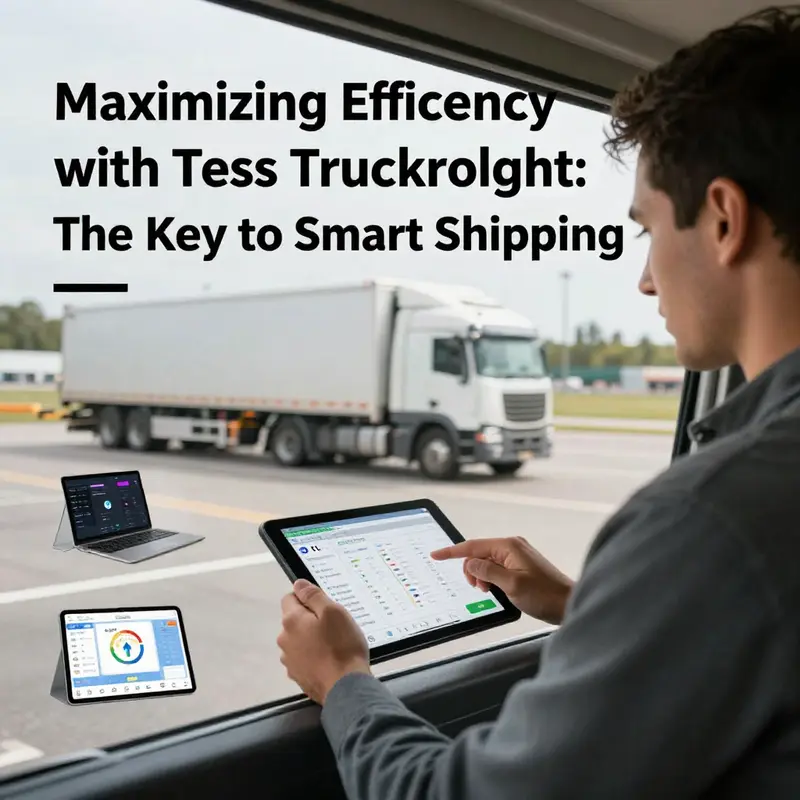
In the dynamic world of freight transportation, cutting-edge technological advances are reshaping how trucking freight services operate. Today’s trucking industry is not just about moving items from point A to point B; it is evolving into a complex, interconnected network driven by innovations that improve safety, efficiency, and sustainability. These advancements are enabling carriers to handle shipments of various sizes, including less-than-truckload (LTL) shipments, with greater precision and reliability. Smaller freight shipments that do not require an entire trailer now benefit immensely from technology. In this narrative, we explore the various ways that technological breakthroughs – from advanced telematics systems to electrification and semi-autonomous technologies – are influencing the way freight is managed and delivered.
At the heart of this transformation are advanced telematics systems that supply real-time data regarding vehicle locations, status, speed, and cargo condition. The ability to track shipments in real time has become invaluable for freight operators. Real-time tracking systems not only enhance route planning but also provide businesses with immediate insights into delivery progress. With modern telematics, operators can detect any deviations from the planned itinerary instantly, allowing them to adjust routes, avoid delays, and meet delivery deadlines with greater consistency. In effect, the level of precision achieved in dispatch has allowed LTL shipments to become more reliable and efficient, a distinct advantage for shippers who seek to share vehicle space and reduce operational costs.
Fuel efficiency and reduced downtime are additional benefits derived from telematics systems. Predictive maintenance, a feature integrated into many modern platforms, enables fleet managers to monitor engine performance and overall vehicle health continuously. Instead of waiting for a breakdown, sensors embedded within the vehicles can analyze data, detect anomalies, and prompt maintenance before a minor issue escalates into a costly repair. This not only saves money for carriers who can eliminate expensive emergency repairs but also contributes to less operational disruption. Moreover, consistent vehicle upkeep directly impacts fuel consumption. Trucks that are maintained in optimal condition run more efficiently, making them environmentally friendlier and economically viable. Such advantages are crucial for businesses that depend on LTL shipping services, where cost balance and efficiency are critical to the bottom line.
Beyond telematics, the rise of semi-autonomous trucking technologies has begun a quiet revolution in the industry. Although fully autonomous trucks are still in the testing phase, semi-autonomous features such as adaptive cruise control, lane-keeping assist, and automated emergency braking have gained wide acceptance. These systems, meticulously worked into modern truck designs, reduce driver fatigue and enhance overall road safety. For LTL shipments, where timely deliveries and operational reliability are paramount, these features ensure that drivers can handle long hours on the road with a reduced risk of incidents. The implementation of pilot programs across North America highlights the potential of these technologies to revolutionize long-haul operations. Companies engaged in testing are actively learning how to integrate these semi-autonomous features into everyday operations without compromising on safety or efficiency.
The significant impact of technology stretches further into the realm of digital freight marketplaces. These online platforms facilitate efficient connections between shippers and carriers by employing artificial intelligence and machine learning algorithms. Digital freight marketplaces have streamlined the process of matching available cargo with truck capacity. By reducing the occurrence of empty miles – or trips made without a load – these platforms not only enhance load utilization but also contribute to environmental sustainability. For businesses that rely on LTL shipping, the digital environment offers transparent and instantaneous pricing coupled with real-time booking. This transparency allows shippers to make informed decisions about which carrier to select based on both cost and delivery performance metrics. In turn, carriers benefit from an optimized allocation of freight, which results in better resource management and heightened operational efficiency.
In addition to improved communication channels and data analytics, another shining innovation is the gradual shift towards electrification in trucking. Electric semi-trucks, developed by innovators, offer a promising alternative to traditional diesel-powered vehicles. The introduction of electric trucks is not only heralding a new era of cleaner transportation but is also paving the way for reduced operating costs over time. Driven by environmental concerns and stricter emissions regulations, fleets are increasingly looking to electrification as a sustainable long-term solution. Electric trucks have the potential to lower emissions significantly, thereby reducing the carbon footprint of freight services. With the expansion of charging networks and advancements in battery efficiency, electric trucks now stand as viable candidates for both regional and long-haul operations.
Electrification also presents a viable economic advantage in the LTL freight service sector. Since these services often focus on smaller, more frequent deliveries rather than a consistent, long-haul schedule, the transition to electric vehicles can fit seamlessly with existing operational rhythms. The promise of lower fuel costs, coupled with reduced maintenance expenses due to fewer moving parts in electric drivetrains, provides a compelling business proposition. Additionally, fleets that adopt electric powertrains benefit from potential tax incentives and subsidies offered by governments keen on reducing environmental pollution. In many ways, electric trucks are emerging not simply as a greener alternative but as an economically sound one too. The alignment of cost savings and environmental stewardship is proving irresistible for freight companies looking to maintain a competitive edge in a rapidly evolving marketplace.
The convergence of these technological trends is deepening the interconnectivity of freight services. Companies are increasingly integrating their digital platforms with advanced data analytics systems to provide full-spectrum visibility over freight operations. This integration allows for the continuous flow of detailed performance data, from vehicle diagnostics and route optimization to customer satisfaction metrics. The resulting data-driven culture has profound implications for logistics management. For instance, fleet managers can now create predictive models that forecast potential delays or issues, enabling preemptive adjustments to delivery routes. Moreover, by harnessing insights gathered from real-time data, operators can design supply chains that are resilient to external shocks, whether they stem from weather disruptions or unexpected traffic patterns.
The adoption of these innovative technologies also brings about changes in workforce dynamics within the trucking industry. Traditional roles are evolving as drivers and logistics professionals become adept at interfacing with complex digital systems. Training programs now place significant emphasis on digital literacy and data interpretation, equipping employees with the tools to make informed decisions based on real-time information. This shift is particularly relevant for LTL freight services where multitasking and swift response times are essential to delivering smaller shipments on tight schedules. The symbiotic relationship between technology and human skill has set the stage for an era where operations run smoother and responsiveness is heightened.
Furthermore, the integration of technological innovations has not been without its challenges. One of the primary hurdles is ensuring that new systems are compatible with legacy infrastructure. Many freight companies, especially those handling LTL shipments, operate with tight budgets and cannot afford significant downtime during system overhauls. Therefore, the transition to advanced systems requires a careful balance between innovation and continuity. Early adopters often invest in scalable solutions that allow for gradual integration without a complete disruption of services. In many cases, this approach leads to hybrid systems that blend modern technology with proven, traditional methods. These hybrid solutions serve as transitional phases, allowing companies to adopt advanced features like real-time tracking and digital marketplaces without abandoning the operational processes that have long driven the industry.
Security is another critical consideration as the trucking freight sector embraces digital transformation. With increasing reliance on digital systems and interconnected platforms comes the heightened risk of cyberattacks. Robust cybersecurity measures have become an integral part of the modernization process. Protecting sensitive data – from shipment details and customer information to internal operational metrics – requires multi-layered security protocols. Companies are investing in advanced encryption technologies and secure communication channels, ensuring that the benefits of digital integration are not overshadowed by vulnerabilities. This commitment to cybersecurity is essential for maintaining trust among shippers, carriers, and other stakeholders in the freight network. As the sector continues to incorporate technologies such as AI-driven digital freight marketplaces and real-time telemetry, the importance of a secure digital ecosystem cannot be overstated.
One of the less immediately visible yet significant benefits of these technological advances is their positive environmental impact. Traditional freight transport, often reliant on heavy fuel consumption and high-emission engines, is gradually being supplanted by more sustainable practices. The combination of intelligent route optimization, electrification of fleets, and predictive maintenance collectively contributes to a reduction in greenhouse gas emissions. For businesses, this means that choosing an LTL freight service powered by modern technology is not only a cost-effective decision but also an environmentally responsible one. These practices align well with global efforts to minimize the ecological footprint of the transportation sector, offering a model for other industries to emulate.
As we consider the practical implications of these advancements, it is important to remember that technology is also shaping customer expectations. Shippers now demand transparency, reliability, and efficiency in every aspect of freight service. With real-time tracking, automated alerts, and detailed digital records of each shipment’s progress, businesses can monitor their cargo with a degree of visibility that was unimaginable a few years ago. This transparency builds confidence and encourages a closer collaboration between shippers and carriers. In the competitive world of freight logistics, customer satisfaction and trust are paramount, and technological innovations are proving instrumental in meeting these higher standards.
Beyond the operational realm, the strategic adoption of technology is influencing how freight companies plan for future growth. By embracing digital transformation and leveraging data analytics, carriers are better positioned to anticipate market trends and adapt to changing demands. The robust analytical tools now available allow companies to assess performance metrics, predict future shifts, and allocate resources more efficiently. In many ways, technology is laying the groundwork for a more agile business environment where companies are equipped to handle fluctuations in market demand and shifting customer priorities. For carriers handling intermittent, small batch LTL shipments, this agility is crucial for maintaining profitability and competitive edge.
It is also important to consider the broader ecosystem that supports technological advancements in trucking freight services. Collaborative efforts among manufacturers, technology providers, and freight companies are driving the innovation cycle. Vehicle manufacturers are working closely with tech firms to integrate advanced telematics, autonomous features, and energy-efficient powertrains into the very fabric of their designs. This partnership not only accelerates the pace of innovation but also ensures that the latest technologies are seamlessly integrated into existing platforms. Such collaboration fosters an environment of continuous improvement and positions the trucking industry to meet the evolving needs of its diverse customer base.
Throughout this journey of technological change, the role of robust and user-friendly digital platforms has come to the forefront. Modern freight services have moved beyond simple logistics functions to become comprehensive, data-rich ecosystems. Platforms that offer functionalities such as booking, tracking, and performance analytics are becoming indispensable. For example, shippers using digital freight marketplaces can effortlessly obtain transparent pricing information and book services instantly, which streamlines the entire process. These digital tools also provide invaluable support for carriers, enabling them to optimize their loads and routes in real time. Overall, the integration of such platforms has simplified operations, saving time and reducing administrative burdens.
The advantages of these technological developments extend beyond the operational and economic realms. They are also redefining the cultural landscape of the trucking industry. There is a growing recognition that technology can empower drivers and logistics professionals to work more efficiently and make better-informed decisions. In a traditionally challenging work environment, these innovations not only enhance day-to-day operations but also contribute to improved job satisfaction and overall safety. By reducing mechanical failures through predictive maintenance and minimizing human error with semi-autonomous systems, companies are creating a safer working environment. This holistic approach to integrating technology is fostering a culture that values innovation, safety, and environmental stewardship.
As freight services continue to evolve, industry leaders are keenly aware that the adoption of technology is not a one-time event but an ongoing process. The challenges of compatibility with legacy systems, cybersecurity, and the need for employee training underscore the importance of a measured and strategic approach. However, the rewards of this digital transformation are substantial. Companies that embrace these changes in a balanced and thoughtful manner will not only see immediate improvements in operational efficiency but will also secure their competitive advantage in an increasingly technology-driven market.
In this context, the evolving landscape of trucking freight services is a testament to the transformative power of technology. The industry is witnessing a paradigm shift that transcends the mere mechanics of transportation. It is a shift towards a more interconnected, efficient, and sustainable system, one that is driven by continuous innovation and a commitment to excellence. The fusion of advanced telematics, semi-autonomous capabilities, digital freight marketplaces, and electrification is creating an ecosystem where every shipment is managed with precision, every route is optimized for efficiency, and every vehicle operates with an eye towards reducing environmental impact.
For shippers leveraging LTL freight services, these innovations translate into tangible benefits: cost savings, reduced environmental impact, and enhanced operational flexibility. As the logistics chain becomes more digital and interconnected, the ability to manage shipments in smaller loads without compromising on efficiency is proving to be a game changer. Technology is not merely an accessory to the trucking industry; it is the very engine that drives modern freight services into the future. Those companies that understand and harness this potential stand to reap significant benefits in a market where every minute and every mile counts.
In embracing this future, freight companies are also tapping into the positive momentum generated by strong industry collaborations. Many leading carriers have already started partnering with technology innovators to pilot solutions that make everyday operations simpler and more efficient. By integrating insights from digital marketplaces and adopting electric and autonomous vehicle solutions, these trailblazers are setting new benchmarks for the entire industry. This collaborative spirit is emblematic of an industry that is rapidly learning to balance tradition with innovation, creating a future where technological evolution and practical logistics work hand in hand.
For those who wish to delve deeper into how excellence in trucking services is being achieved through technology, there are insightful resources available. One notable example is the comprehensive discussion available in an article on the trends and features that underpin modern freight operations, which offers a glimpse into strategies for maximizing operational efficiency. For more detailed insights on practical applications and best practices in freight innovations, readers can explore the wealth of knowledge available through resources such as the article on exploring the excellence of 5-star-truck-inc, which sheds light on how technology is driving superior service delivery.
In summary, the future of trucking freight services is being rapidly redefined by technological innovation. With advanced telematics systems enhancing real-time tracking, semi-autonomous features bolstering driver safety, digital freight marketplaces streamlining operations, and electrification paving the road to environmental sustainability, the industry is on a transformative path. These innovations do not merely represent incremental improvements; they signal a sweeping change in how freight is managed, delivered, and experienced. Forward-thinking companies are positioning themselves to capitalize on these developments, ensuring that each shipment—no matter how small—receives the attention and precision that modern technology affords.
As technology continues to evolve, stakeholders in the freight transport sector are poised to embrace further innovations that promise even greater efficiency and reliability. With a sustained focus on integration, adaptability, and collaboration, the trucking freight industry is ready to drive into a future built on transparency, efficiency, and sustainability. For ongoing updates and further information on these technological trends, professionals are encouraged to consult the official website of the American Trucking Associations at https://www.trucking.org.
Driving Sustainable Progress: Unveiling the Societal and Environmental Impacts of Trucking Freight Services
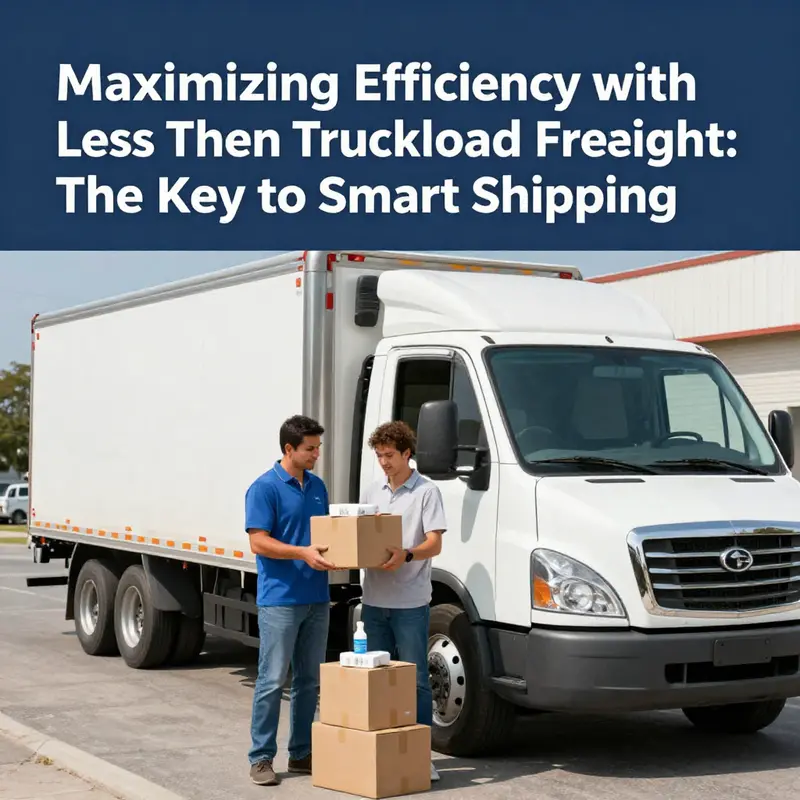
Trucking freight services, especially those operating under the Less Than Truckload (LTL) model, play an indispensable role in connecting producers to consumers and in bolstering the broader economy. This chapter embarks on a comprehensive exploration of how these freight services not only ensure the efficient movement of goods but also carry a deep societal significance in terms of economic growth, consumer access, and environmental justice. In today’s vast supply chain network, the LTL model represents a cost-effective alternative that enables businesses, regardless of their size, to share transportation resources. Sharing a truckload means that multiple shippers can take advantage of full truck capacity without the necessity for each to fill an entire trailer, thereby optimizing fuel use, reducing overall transportation expenses, and minimizing the number of vehicles on the road. The societal benefits, while pronounced, come hand in hand with a need to reckon with external costs, including pollution and other environmental impacts.
As we delve into the multifaceted role of LTL freight services, it is important to consider the full spectrum of benefits and challenges. Efficient freight movement underpins every aspect of modern society, from the everyday delivery of essential goods to the complex logistics required by global industries. This service model not only aids in reducing transportation costs but also contributes significantly to job creation and economic dynamism. However, such benefits can sometimes overshadow the external burdens such as increased air, noise, and water pollution, alongside complications from road accidents and habitat destruction that are often externalized from market prices. These unchecked externalities frequently result in higher public health expenses and environmental degradation, issues that disproportionately affect marginalized communities—in particular, low-income neighborhoods situated near major freight corridors.
The environmental footprint of freight transportation is a topic of increasing scrutiny. The combustion engines powering most trucks emit pollutants such as nitrogen oxides (NOx) and particulate matter (PM), which have been directly linked to respiratory and cardiovascular diseases. These environmental harms are especially acute in urban areas where truck traffic is dense. As communities grapple with the consequences of urban smog and declining air quality, the need for an evolved approach in trucking freight practices becomes even more urgent. In recent years, there has been a strong push towards the transition to zero-emission vehicles (ZEVs), a movement that promises substantial improvements in both air quality and public health. The electrification of trucking fleets, particularly within the freight sector, is emblematic of efforts to mitigate these negative effects. Cleaner air not only benefits all citizens but undoubtedly creates a healthier environment for future generations, reducing overall healthcare costs and improving quality of life.
The social implications of a widespread adoption of ZEVs in the freight sector are far-reaching. Beyond the direct benefits to air quality, the transition also addresses long-standing issues pertaining to environmental justice. Historically, low-income and underserved communities have borne the brunt of air pollution, largely due to their proximity to highways and freight corridors. By reducing the emission of hazardous pollutants through the integration of electric trucks, cities can create more equitable environments and ensure that the benefits of cleaner air are experienced uniformly across all social strata. The promise of synchronized societal gains—economic, environmental, and health-related—is a testament to the potential of freight services to act as agents of positive change when aligned with progressive technology and forward-thinking policies.
Yet, while the transition to electrification and improved fuel standards symbolizes progress, it also brings new challenges and calls for a recalibration of policy frameworks. In order to internalize the societal costs associated with freight transportation, innovative measures such as carbon pricing, congestion charges, and strict regulations on vehicle emissions must be considered. Policy instruments of this nature aim to create an environment where carriers and shippers are incentivized to adopt technologies and strategies that are not only more efficient but also place a more accurate economic valuation on environmental and social externalities. These market adjustments ensure that the true cost of moving goods—one that includes environmental degradation, healthcare impacts, and other social burdens—is fully considered in pricing structures and strategic decision-making processes. As a result, businesses are encouraged to implement more sustainable practices, and governments are provided with the impetus to enforce regulations that align transportation practices with long-term environmental goals.
The integration of sustainable practices into the freight industry unfolds as a multifaceted strategy that combines technological innovation, policy reform, and a broader societal commitment to environmental justice. For instance, electrification of fleets is not just a technical upgrade; it is emblematic of a broader commitment to reducing our collective ecological footprint and reshaping public health outcomes. Beyond policy adjustments, stakeholders are increasingly turning to integrated online platforms that facilitate the booking, tracking, and management of freight shipments. These digital tools not only streamline operations for shippers but also enable a responsive, data-driven approach to freight management that can adapt quickly to changes in regulatory frameworks or market conditions. By ensuring real-time data visibility and efficient route planning, digital platforms contribute to operational excellence while simultaneously supporting environmental objectives by reducing idle times and optimizing fuel consumption.
A particularly compelling dimension of this balanced approach is reflected in the ongoing dialogue between technology innovators and policy makers. As private sector companies develop increasingly sophisticated freight tracking solutions and electrification technologies, policy makers are called upon to design frameworks that promote both economic efficiency and responsible environmental stewardship. For example, initiatives that encourage the uptake of ZEVs often involve a mix of public subsidies, tax incentives, and regulatory mandates that collectively lower the barriers to entry for technologically advanced fleets. In doing so, these policies ensure that the benefits of cleaner, more efficient technologies are distributed across all segments of the logistics industry. Moreover, as part of a broader effort to achieve environmental equity, local and regional governments are exploring targeted regulatory measures aimed at reducing the concentration of pollutant emissions in vulnerable communities. The synthesis of innovative technology and progressive policy thus offers a transformative path forward for the freight industry, one that redefines success not solely in terms of economic metrics but in terms of societal prosperity and environmental integrity.
The importance of internalizing environmental and social costs cannot be overstated. As freight transportation is woven into the fabric of local and global economies, the need to account for these external impacts grows imperative. One salient measure is the adoption of carbon pricing mechanisms. By placing a tangible cost on each ton of carbon emitted, carbon pricing strategies reward carriers that invest in cleaner technologies and discourage practices that lead to excessive emissions. Such a pricing model not only incentivizes immediate innovation but also facilitates a broader shift towards sustainable industrial practices across the logistics chain. Additionally, congestion charges in urban centers target the reduction of traffic during peak hours, thereby contributing to lower emission levels and improved road safety. These strategies, when implemented collectively, can lead to a significant reduction in the overall environmental impact of freight transportation, benefitting everyone from local communities to entire national economies.
In exploring these policy solutions, it becomes evident that aligning freight transportation practices with environmental realities requires a multi-pronged approach. The freight industry, while foundational to current economic activity, must transform to meet the challenges of modern sustainability. The evolution of the industry is characterized by a rising awareness of the need for environmentally sound practices and by the adoption of metrics that reflect long-term societal benefits. As carriers shift towards embracing sustainable technologies, a crucial role is played by regulatory bodies and research institutions that quantify and communicate the multifaceted benefits of these transitions. Scientific studies have consistently shown that electrification and the adoption of cleaner fuels lead to remarkably improved air quality and reduced health risks. By integrating these findings into policy and operational decisions, the freight industry can help mitigate some of the most pressing public health challenges of our time.
A key component of this shift involves recognizing that the benefits of cleaner freight operations extend well beyond the immediate realm of transportation logistics. Cleaner air leads to tangible reductions in cases of respiratory ailments and cardiovascular issues, ultimately easing the burden on public healthcare systems. These improved health outcomes have the potential to save billions in healthcare costs annually, funds that can then be reinvested in further sustainability initiatives. Moreover, the environmental justice implications of reducing pollution are vast. By lessening the environmental load on communities historically subjected to excessive pollution, transport sector innovations promote a fairer distribution of environmental benefits. The move to zero-emission freight not only addresses public health concerns but also exemplifies a commitment to fairness, where all segments of society can enjoy the advantages of modern technological progress without being unduly penalized by historical industrial practices.
The transformation of freight services, underpinned by both technological advancements and thoughtful policy measures, lays the foundation for a safer, cleaner, and more equitable future. Digitally-enabled innovations in freight management have already begun to yield dividends in operational efficiency, while simultaneously providing the data required to ensure that environmental and social costs are appropriately managed. For instance, modern tracking solutions allow fleet operators to optimize routes in real-time, thereby reducing unnecessary mileage and fuel consumption. These reductions in fuel use lead directly to lower emissions, which in turn contribute to healthier communities and a more sustainable natural environment. The integration of these digital tools demonstrates an inherent synergy between economic efficiency and social responsibility—a trajectory that the freight industry is rapidly embracing. For a detailed insight into how trucking services are being reimagined for the future, one can explore an in-depth discussion on the quality of trucking solutions in this exploring the excellence of 5 Star Truck Inc. article.
Beyond operational considerations, the broader societal effects of improved freight practices resonate through every layer of the economic and social fabric. When the hidden costs of environmental degradation are properly accounted for in freight pricing, it catalyzes a virtuous cycle. Carriers become incentivized to invest in eco-friendly technologies and practices, which lowers the overall impact of freight movement on the environment. This creates a feedback loop where improved environmental conditions lead to better public health and reduced social inequality. The dividends of these changes extend to local governments, as reduced pollution levels translate to lower public spending on healthcare and environmental remediation. These efficiencies can then be redirected into other critical areas, such as education, infrastructure improvements, and community development, further amplifying the overall societal benefits of a modernized freight industry.
It is important to acknowledge that the road to sustainable freight transportation is not without its hurdles. Transitioning large fleets to zero-emission alternatives involves significant upfront costs, as well as an investment in new infrastructure and workforce training. However, when weighed against the long-term societal benefits, these initial expenditures represent a prudent and forward-thinking investment. The challenges associated with fleet modernization underscore the need for robust partnerships between the private sector, government agencies, and the research community. Such collaborations ensure that the transition is not only financially feasible but also technically sound, laying a solid foundation for a future where freight transportation is as sustainable as it is efficient.
The freight industry occupies a unique nexus between economic vitality and environmental sustainability. Its evolution into a more efficient, less polluting sector carries implications that extend far beyond the logistics of moving goods from point A to point B. Instead, it serves as a catalyst for broader societal changes, influencing urban planning, public health outcomes, and environmental equity. As policies and technologies continue to evolve, so too does the potential for freight transportation to drive a comprehensive transformation in how we approach economic activity and environmental stewardship. The integration of advanced digital platforms, cleaner vehicle technologies, and forward-thinking policy instruments embodies a holistic approach to modern transportation that prioritizes long-term societal welfare over short-term gains.
In summary, the intricate balance between the societal benefits and the external costs of trucking freight services is unmistakable. From the cost efficiencies of LTL shipping to the pronounced air quality and public health gains associated with electrification, every facet of freight transportation carries with it a story of both promise and responsibility. By relentlessly pursuing initiatives that internalize environmental costs and by deploying innovative technologies, the freight industry has the potential to not only drive economic growth but also to serve as a monumental force for environmental justice and public well-being. As we look towards the future, the challenge lies in ensuring that the true costs of freight movement are reflected in policy and practice—thereby encouraging a sustainable, inclusive, and prosperous transportation ecosystem for all. For additional insight into the broad societal returns associated with modern freight practices and their environmental impact, readers can refer to the comprehensive study on societal co-benefits of zero-emission vehicles in the freight industry at ScienceDirect.
Final thoughts
In conclusion, Less Than Truckload (LTL) freight shipping emerges as a highly efficient and cost-effective solution for transporting smaller shipments. By understanding its operational foundations, economic benefits, technological advancements, and societal impacts, industry stakeholders including long-haul truck drivers, trucking company owners, and fleet managers can leverage LTL services to enhance their logistics strategy. Embracing LTL not only translates into direct savings but enhances supply chain efficiency and fosters a more sustainable trucking industry.