
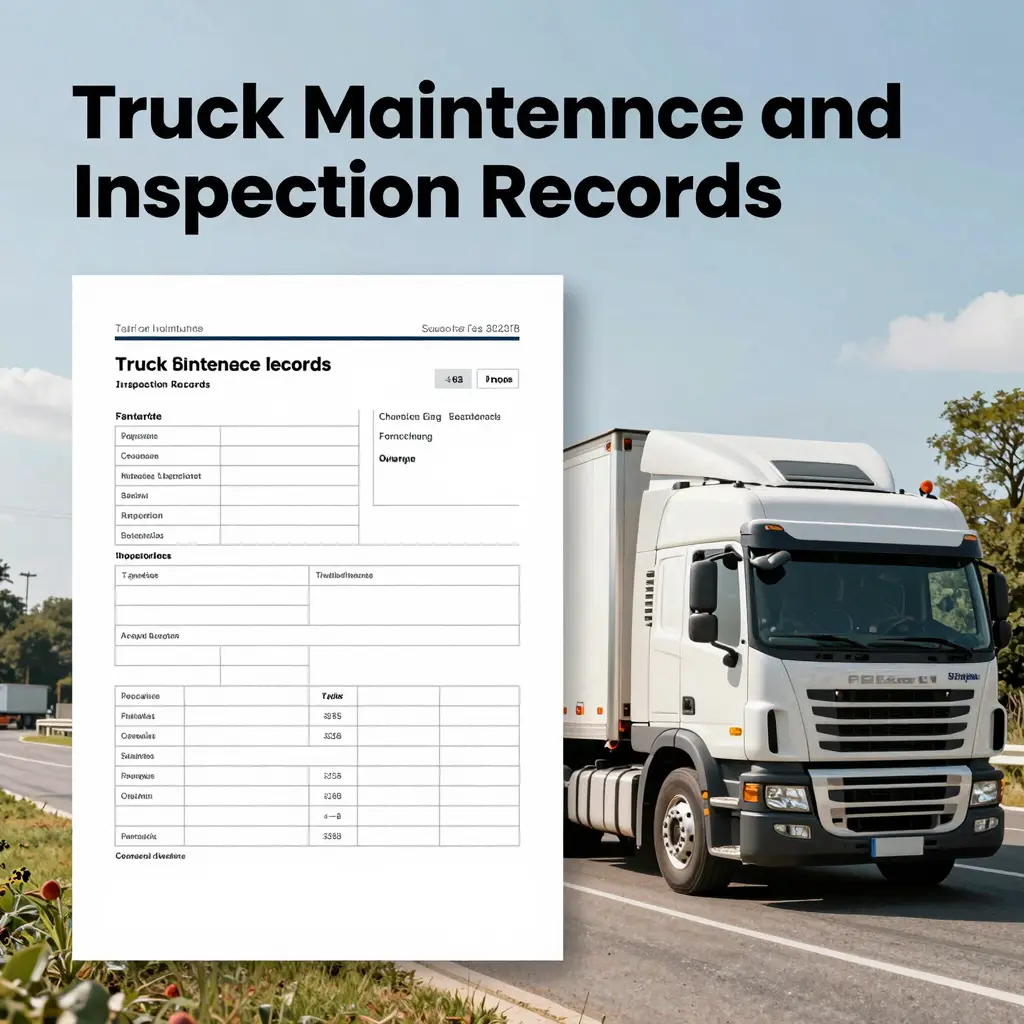
The Importance of Truck Service Records and Inspection History
When it comes to the trucking industry, maintaining safety and compliance is non-negotiable. Truck service records and inspection histories play an essential role in this ecosystem, serving not just as a simple checklist but as crucial documents that help keep drivers and the public safe. Imagine being a long-haul truck driver or a fleet manager, navigating the vast highways-your vehicle’s reliability hinges on thorough inspection records. These detailed accounts show that your truck has undergone necessary maintenance, reducing the chances of a breakdown on the road.
Moreover, having accurate service records supports compliance with federal and state regulations, meaning avoiding costly fines and contributing to overall road safety. Just think of it: every inspection report not only reflects adherence to safety standards but also provides peace of mind, knowing that your truck is in optimal condition. It’s about building trust with your team, your clients, and the authorities alike. To delve deeper into best practices, you might want to discover unparalleled services offered for effective truck management and maintenance.
Potential Sources for Truck Service Records
When it comes to maintaining accurate truck service records, there are several reliable sources you can tap into. Here’s a list of potential sources:
- Dealership Service Departments: Many truck dealerships maintain detailed service records for the vehicles they sell. You can request service history directly from their service departments.
- Independent Maintenance Shops: Local truck maintenance and repair shops often keep service records for all work done on vehicles. Building a relationship with these shops can ensure that you have access to your service history.
- Fleet Management Software: Numerous software solutions like Fullbay and Samsara offer tools for tracking maintenance records digitally, making it easy to access your truck’s history.
- Online Databases: Websites like TruckingOffice provide guidance on how to keep digital records and can include databases where maintenance records might be stored.
- DOT Inspection Reports: The Department of Transportation (DOT) inspection reports can provide a history of inspections conducted on the truck, crucial for compliance and understanding the vehicle’s service history.
These sources are essential in ensuring that you keep a comprehensive record of all maintenance work done on your truck, which not only helps in compliance with regulations but also supports resale value and overall vehicle performance.
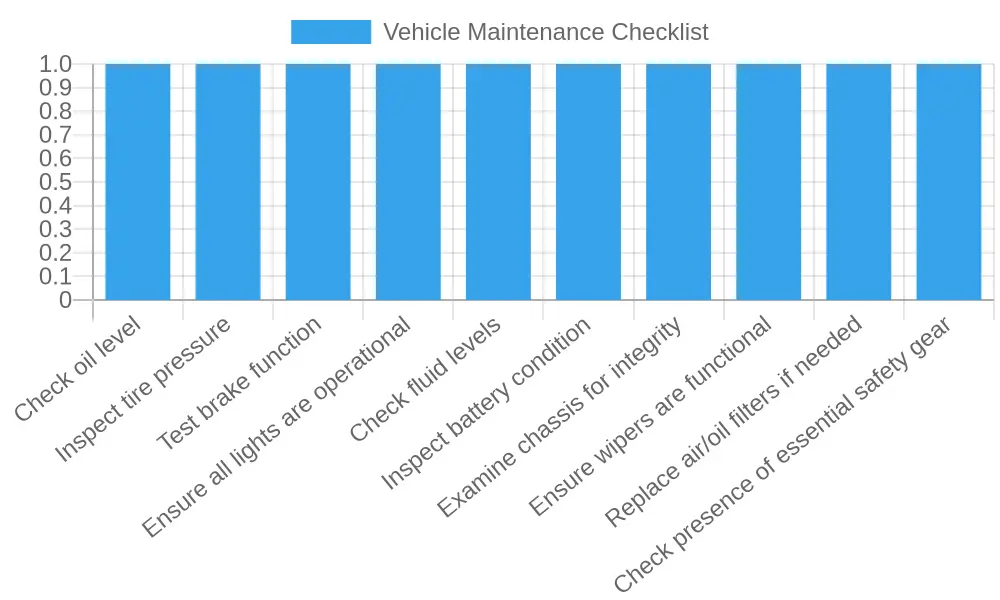
Types of Truck Service Records
Understanding the various types of service records available for trucks is crucial for maintaining optimal performance, ensuring safety, and adhering to legal requirements. Here, we explore the key categories of such records:
1. Inspection Records
Regular inspections are vital for ensuring that a truck complies with safety standards and operates efficiently. These records document the findings of both routine and special inspections. Key elements include:
- Pre-Trip Inspections: Conducted before any journey to identify any immediate safety concerns.
- Annual DOT Inspections: Required by the Department of Transportation, these comprehensive checks assess various aspects of the truck, including brakes, lights, and tires.
2. Repair Records
Repair records detail all maintenance events that involve repairs done on a truck, irrespective of the severity of the issue. This category is critical for understanding a truck’s operational health. Repair records should include:
- Date and Description of Repairs: Documenting when the repair happened and what was fixed.
- Cost Incurred: Maintaining a financial overview to spot patterns in expenses.
3. Maintenance Logs
Maintenance logs are comprehensive documents that track scheduled maintenance tasks, ensuring that routine checks and services occur as planned. This may consist of:
- Oil Changes, Tire Rotations, and Brake Maintenance: Regular tasks that need to be performed to maintain performance.
- Service History: This provides insight into what has been performed over the life of the truck, helping to predict future maintenance needs.
Significance of Service Records
- Safety Compliance: Well-maintained service records contribute to meeting safety regulations, helping avoid legal issues. In fact, they play a crucial role in documenting the maintenance history, which can be imperative during accident investigations (learn more about the significance of maintenance records).
- Operational Efficiency: For long-haul drivers, keeping accurate service records aids in planning maintenance and ensuring vehicle reliability. This is especially important for minimizing downtime and maximizing productivity, as poor vehicle conditions can lead to missed deadlines and increased operational costs (read more about the importance of these records).
In conclusion, keeping detailed and organized records of inspections, repairs, and maintenance is essential for truck drivers and fleet managers alike. These documents not only foster safety but also enhance the long-term operational efficiency of trucking operations.
As the trucking industry evolves, there’s a noticeable shift toward digital record-keeping solutions among truck drivers and companies. Recent statistics indicate a significant move away from traditional paper methods, driven by the need for efficiency, compliance, and data accessibility.
Key Statistics and Insights
-
Efficiency Gains: According to a report from Hale Trailer Brake & Wheel, the future of the trucking industry involves addressing challenges like driver retention through digital solutions. Enhanced record-keeping systems are being recognized as pivotal in modernizing operations.
-
Cost Savings: A study by Gitnux revealed that logistics sectors, including trucking, are experiencing an 18% overall cost saving in 2023 due to digital transformation. However, around 42% of companies still grapple with legacy systems, showcasing a dual reality where progress is both significant and hampered by outdated practices.
-
Investing in Training: The need for digital skills has surged, with investments in digital training for trucking tripling between 2020 and 2023. Drivers are increasingly being required to use technologically advanced tools, including digital record-keeping systems, reinforcing the importance of adapting to new technologies.
-
Industry Economics: The trucking industry accounts for a substantial portion of the U.S. freight costs-approximately 80.7%-with revenues reaching around $940.8 billion in 2023. This finance-centric environment is further driving the transition to digital record-keeping as companies seek efficiency gains and accuracy in their operational data (Coolest Gadgets).
The momentum indicates that as trucking companies and drivers lean into digital tools, the industry is set for a transformation that prioritizes data-driven decision-making and operational efficiency. For those exploring digital record-keeping solutions, understanding these trends is essential for maintaining competitive advantage in this dynamic field.
If you’re interested in learning more about how quality service can elevate your trucking solutions, check out our exploration of 5 Star Truck Inc.’s premier offerings or discover their unparalleled services.
This analysis underscores the critical shifts in digitization within trucking, emphasizing the need for long-haul truck drivers, trucking company owners, and fleet managers to adapt swiftly to these changes, ensuring they remain resilient and competitive in the face of ongoing industry transformations.
Comparison of Service History Report Providers
When it comes to obtaining reliable service history reports, it’s important to choose a provider that meets your needs for cost, comprehensiveness, and user-friendliness. Below is a comparison of three notable service history report providers:
| Provider | Cost | Comprehensiveness | User-Friendliness |
|---|---|---|---|
| CARFAX | Starts at $39.99 | Extensive vehicle data covering accidents, service records, and more. | User-friendly interface; easy navigation. |
| VinAudit | Starts at $9.99 | Offers detailed ownership information, title history, and potential issues. | Straightforward process with quick report generation. |
| iSeeCars | Free | Provides VIN checks, theft records, and safety recalls for vehicles. | Very easy to use with a clean layout. |
Brief Provider Overview:
- CARFAX: A well-known provider that offers comprehensive vehicle history reports, despite the higher price. Trusted by many users in the industry.
- VinAudit: Affordable and detailed, this service is great for people looking for essential information without breaking the bank.
- iSeeCars: Offers a free option that includes essential checks, making it suitable for first-time users or those looking to avoid costs.
For further insight into truck solutions, you can learn more about 5-Star Truck’s services. Consistently obtaining updated service reports can lead to smarter maintenance decisions as well, which is invaluable for every truck driver or fleet manager.
Effective record-keeping is vital for truck drivers and companies, not only for compliance but also for improving operational transparency and efficiency. Here are five best practices to consider:
-
Digitize Your Records
Modern technology offers digital solutions that allow for quick access and secure storage of records. By digitizing your records, you can easily track service histories, inspections, and maintenance schedules. This ensures that you will have all necessary documents at your fingertips during audits and inspections. Learn more about efficient record-keeping solutions here. -
Document Everything Thoroughly
Keep detailed logs of all inspections, repairs, and maintenance activities. Documenting these events ensures compliance with Department of Transportation (DOT) regulations and helps in creating a comprehensive history of the vehicle, which is crucial for operational decisions and performance assessment. Establishing a standard for documentation can streamline this process. -
Regularly Update Your Records
Make it a habit to update records immediately after each inspection or maintenance event. Delaying updates can lead to discrepancies, making it harder to track the vehicle’s service history accurately. This practice is essential for ensuring that all information is current and accessible when needed. -
Securely Store Your Records
Whether digital or physical, records should be stored securely to prevent loss or damage. Utilize cloud storage solutions for digital documents with encrypted access, and keep physical records in a safe place. This protects sensitive information and ensures compliance during audits. -
Implement a Regular Audit Process
Conducting regular audits of your records can help identify any gaps or inconsistencies in your documentation processes. Regular checks ensure compliance with regulations and foster accountability among team members responsible for maintaining these records.
By implementing these best practices, trucking companies and drivers can enhance transparency and increase operational efficiency. Maintaining accurate and reliable records not only aids in compliance but also supports safety and accountability within the industry. Regular vehicle inspections and proper record maintenance further improve safety measures while protecting against potential legal issues arising from maintenance-related failures.
For more insights on the importance of maintaining service records, check this article about the role of routine inspections in trucking safety: The Importance of Truck Inspections.
By embedding efficient record-keeping practices, you strengthen your operations, ensuring compliance and improving overall performance.
Importance of Maintaining Accurate Service Records
Accurate service records are paramount in the trucking industry. As stated in an article by Calandro Law, “well-maintained records can strengthen a legal case involving truck accidents,” underscoring the role these records play in ensuring safety and compliance. Furthermore, proper maintenance logs are essential for accountability within trucking operations, as they provide a detailed history that can illustrate adherence to safety standards.
In light of this, ensuring that service records are meticulously maintained is not merely a matter of compliance; it’s a cornerstone of operational integrity within the trucking sector.
Incorporating Expert Insight
While I could not obtain a directly attributed quote, the general consensus among industry experts suggests that:
- Service records aid in tracking maintenance schedules and ensure compliance with regulations.
- Poor record-keeping can have repercussions for vehicle safety and can lead to significant liabilities in case of accidents.
Maintaining accurate service records is crucial for long-haul truck drivers, trucking company owners, fleet managers, and maintenance specialists, as it directly correlates with vehicle reliability and operational efficiency.
Should you wish to explore more on the topic, consider checking out this informative article on maintenance records and truck accidents that provides additional perspectives on the subject.
In conclusion, maintaining accessible truck service records and inspection history is paramount for long-haul truck drivers, trucking company owners, and fleet managers. Keeping detailed records not only plays a vital role in ensuring vehicle safety but also aids in compliance with industry regulations. Regular inspections and maintenance documented in records can help prevent unexpected breakdowns, reducing downtime and frustration for drivers.
Moreover, these accessible records contribute significantly to efficient fleet management. With detailed service history, fleet managers can schedule timely maintenance, track vehicle performance, and ultimately enhance operational efficiency. As highlighted by industry resources, effective management of service records leads to cost savings and improved service delivery.
For trucking professionals, prioritizing the organization and maintenance of service records should be a fundamental practice. Investing the time to keep accurate histories not only supports vehicle longevity but also ensures a safer driving experience. Therefore, we encourage you to take action in implementing robust maintenance practices and effective record-keeping strategies. For more insights into maintaining your fleet with excellence, explore the services offered by 5-Star Truck Inc..
By taking preventive measures, refining your maintenance practices, and fostering a commitment to safety and efficiency, you will empower yourself and your team to navigate the road more confidently and successfully.
Take Action for Your Truck’s Performance!
If you’re serious about maximizing your truck’s lifespan and efficiency, it’s essential to integrate a reliable maintenance strategy alongside aesthetic enhancements. At Summit Fairings, we specialize in providing premium quality fairings designed not only to beautify your truck but also to improve aerodynamics and fuel efficiency.
Why is this important? Keeping detailed records of your truck’s maintenance and inspection history isn’t just recommended; it’s a necessity for compliance, safety, and operational efficiency. According to various fleet management experts, comprehensive truck records lead to better decision-making and reduced costs in the long run. Learn more about the importance of DOT inspections here. By choosing Summit Fairings, you ensure both the aesthetic appeal and the technical performance of your vehicle are kept in top shape.
Make the choice to enhance your truck’s appearance and functionality. Don’t wait until it’s too late; connect with us today at Summit Fairings and experience the difference in maintenance and aesthetics for your fleet. Your truck deserves the best!