
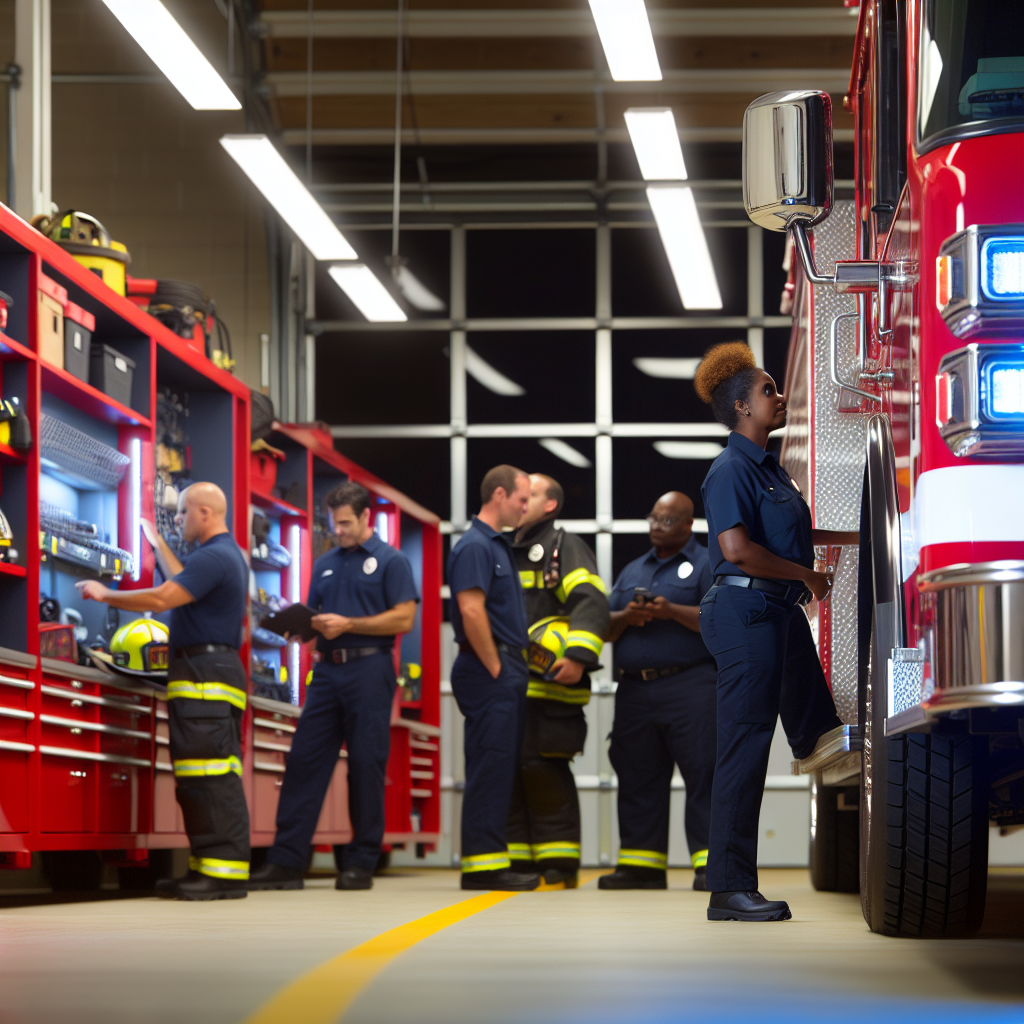
In firefighting, the uptime of fire apparatus is vital for protecting lives and property. Fire departments encounter challenges such as equipment wear and unpredictable emergencies, affecting the availability of fire trucks.
Solutions exist, and strong fire truck product support is key to keeping these essential vehicles operational. When departments invest in robust product support systems, they can reduce downtime, streamline maintenance, and improve fleet performance.
Understanding fire truck product support is essential for departments looking to maintain readiness against these challenges.
Importance of Manufacturer Support
When it comes to purchasing fire trucks, active manufacturer support is an essential factor that fire departments should prioritize. Here are several reasons why effective manufacturer support is crucial:
- Minimizing Downtime: A reliable manufacturer ensures that fire trucks are serviced promptly, reducing the time they spend out of commission due to repairs or maintenance. This means that firefighters have ready access to their equipment when emergencies arise.
- Peace of Mind: Knowing that there is a dedicated support team available for repairs, parts replacement, and technical assistance enables fire departments to focus on their critical mission rather than worrying about equipment failures.
- Access to Expertise: Manufacturer support teams are often composed of specialists who understand the intricate details of their products. They can provide insights that might not be apparent to regular technicians, leading to more effective and efficient repairs.
- Training and Resources: Many manufacturers offer training programs for department personnel. This empowers firefighters with the knowledge necessary for basic maintenance and troubleshooting, enhancing overall departmental competence.
- Long-term Cost Savings: Efficient support can lead to fewer unexpected repairs and maintenance costs. By investing in manufacturer support, fire departments can reduce overall expenses associated with their apparatus fleet over time.
Preventative Maintenance Practices for Fire Apparatus
Implementing a comprehensive preventive maintenance (PM) program for fire trucks is essential to ensure their reliability and operational readiness. Key practices, recommended frequencies, and their impacts on reliability include:
Key Preventive Maintenance Practices:
-
Regular Fluid Checks and Changes:
-
Engine Oil: Regular oil changes are essential to prolong engine life and maintain fuel efficiency. Fleets typically follow manufacturer-recommended intervals, often every 5,000 to 7,500 miles.
Source -
Other Fluids: Regularly monitor coolant, brake fluid, transmission fluid, and power steering fluid to prevent overheating, brake failure, and transmission issues.
Source
-
Engine Oil: Regular oil changes are essential to prolong engine life and maintain fuel efficiency. Fleets typically follow manufacturer-recommended intervals, often every 5,000 to 7,500 miles.
- Tire and Brake Inspections:
- Pump and Valve Maintenance:
-
Electrical System Checks:
- Battery Maintenance: Regularly inspect and maintain batteries to ensure reliable starts and operation of electrical components.
- Lighting and Sirens: Test all emergency lighting and sirens to ensure functionality during responses.
-
Daily and Weekly Inspections:
- Daily Checks: Conduct pre-trip inspections, including fluid levels, tire pressure, and equipment functionality.
- Weekly Walkthroughs: Perform more thorough inspections to identify potential issues before they escalate.
Source
Recommended Maintenance Frequencies:
- Daily: Pre-trip inspections by operators.
- Weekly: Operational checks of pumps and valves, especially in departments with low call volumes.
- Monthly: Comprehensive inspections, including fluid changes and system tests.
- Semi-Annually: Detailed evaluations by mechanics covering technical inspections, powertrain, air brakes, and transmission components.
Source - Annually: NFPA-compliant tests for pumps, aerial devices, and other critical systems.
Source
Impacts on Reliability:
A proactive PM program significantly enhances fire truck reliability:
- Reduced Downtime: Regular maintenance prevents unexpected breakdowns, ensuring apparatus availability for emergencies.
- Extended Service Life: Consistent upkeep prolongs the operational lifespan of vehicles, delaying costly replacements.
- Cost Savings: Preventive maintenance reduces the frequency and severity of repairs, leading to lower overall maintenance costs.
- Operational Readiness: Ensures that all systems function correctly, maintaining the safety and effectiveness of firefighting operations.
Implementing and adhering to a structured preventive maintenance schedule is crucial for maintaining the reliability and safety of fire trucks, ultimately supporting the mission of protecting lives and property.
| Manufacturer | Service Frequency | Technician Training | Response Time |
|---|---|---|---|
| Pierce Manufacturing | Monthly | Factory-trained | 2 hours |
| Oshkosh Corporation | Quarterly | Certified EVT | 3 hours |
| Spartan Fire | Bi-monthly | In-house training | 4 hours |
| E-One | Semi-annually | Industry certifications | 5 hours |
| Rosenbauer | Annually | Minimal training | 6 hours |
Pierce Manufacturing’s Support Network
Pierce Manufacturing offers a comprehensive support network to ensure the optimal performance and longevity of their fire apparatus. Key aspects of their support offerings include:
- Extensive Dealer Network: Pierce operates over 60 dealerships in the United States and Canada, providing widespread coverage and accessibility for customers.
- Factory-Trained Technicians: The company boasts a coast-to-coast network of more than 600 factory-trained technicians, known as the Pierce Service Brigade, dedicated to delivering timely and proficient service.
- Regional Service Facilities: Pierce maintains more than 100 regional service facilities across North America, ensuring that customers have convenient access to maintenance and repair services.
- Mobile Service Units: The support network includes nearly 250 mobile service vehicles strategically located throughout North America, offering on-site maintenance and repair services to minimize apparatus downtime.
- 24/7 Support and Training: Pierce provides round-the-clock access to technical support, comprehensive training programs for operators and maintainers, and a dedicated parts facility in Appleton, Wisconsin, with over 100,000 square feet of storage space and a vast inventory of spare parts.
This robust support infrastructure underscores Pierce Manufacturing’s commitment to ensuring that fire departments receive prompt, reliable, and expert service for their apparatus.
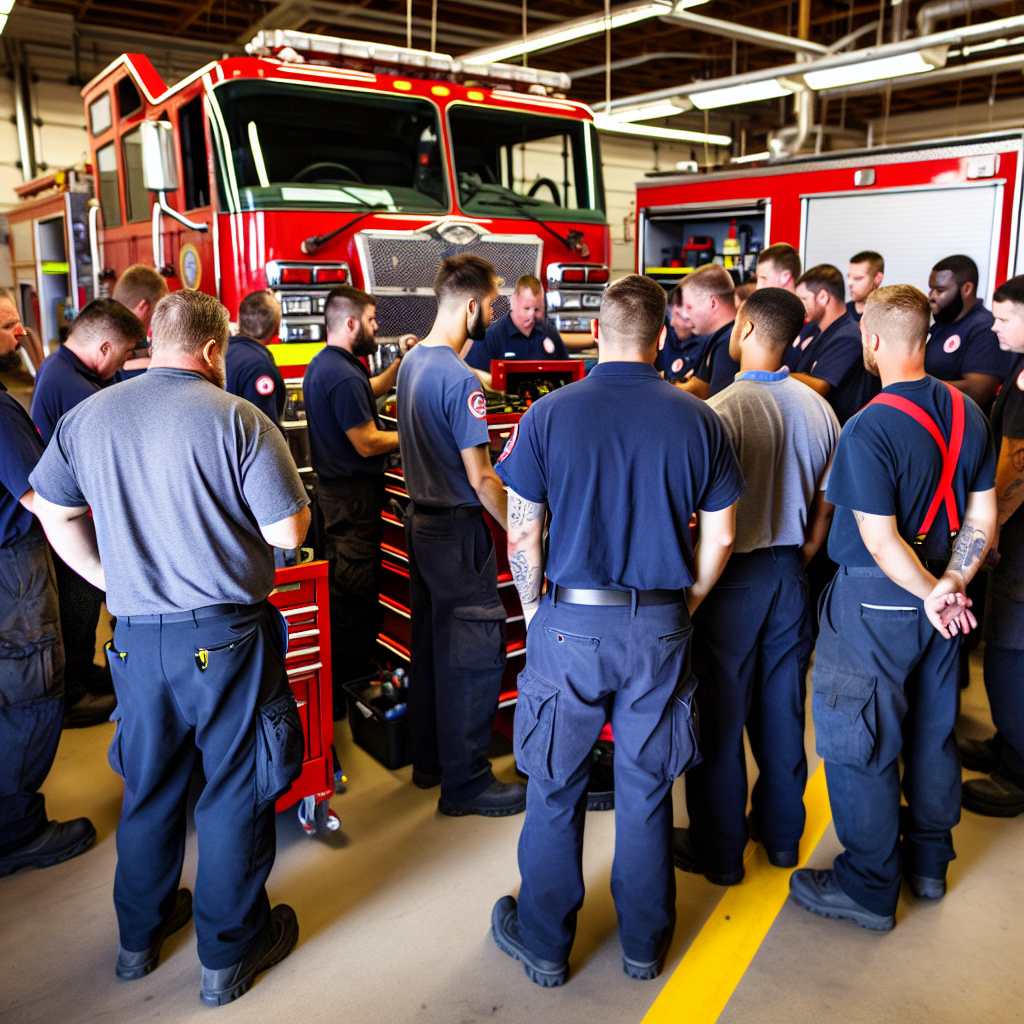
The Role of Field Service Engineers in Maintaining Fire Apparatus Uptime
Field service engineers are pivotal in ensuring the operational readiness and reliability of fire apparatus. Their expertise plays a crucial role in both rapid repairs and preventative maintenance, which together help maximize the uptime of fire department vehicles.
Rapid Repairs
One of the primary responsibilities of field service engineers is to perform swift and effective repairs on various types of fire apparatus. These engineers are trained to diagnose mechanical, electrical, and hydraulic issues, quickly identifying problems that could impede vehicle performance. For example, they may address malfunctioning engines, hydraulic systems, and firefighting equipment, ensuring a prompt return to service. The availability of mobile units for on-site repairs significantly enhances their ability to minimize downtime, allowing immediate service even when fire trucks are responding to emergencies or are located in remote areas.
Many organizations, such as Fire Service, Inc., provide mobile service options, ensuring that repairs can be completed on location. This capability prevents delays caused by transporting equipment back to repair facilities, drastically improving response times in critical situations.
Preventative Maintenance
Beyond immediate repairs, field service engineers are key players in the preventative maintenance (PM) of fire apparatus. They perform regular inspections and maintenance tasks designed to identify and rectify potential issues before they lead to significant breakdowns. This includes routine oil changes, component diagnostics, and safety inspections, which collectively extend the lifecycle of the vehicles and enhance their reliability.
For instance, some departments implement strict service intervals, such as a 250-hour inspection schedule, which focuses on maintaining equipment in peak condition. Furthermore, field service engineers often train fire department personnel in basic maintenance procedures and equipment operation, which fosters a culture of responsibility among team members.
The collaboration between field service engineers and fire department staff encourages accountability and empowers all personnel to contribute to the overall maintenance strategy. Examples from departments that have assigned specific maintenance responsibilities to teams reflect the effectiveness of this approach, yielding better results and more resilient equipment.
Conclusion
In summary, field service engineers are integral to the successful maintenance of fire apparatus. Through rapid repair capabilities and proactive preventative maintenance strategies, they ensure that fire departments can depend on their vehicles when it matters most. Their role is essential for maintaining the reliability, safety, and preparedness of fire services.
User Adoption Data and Customer Testimonials
Pierce Manufacturing has developed a robust support network which is crucial for fire departments needing prompt and effective service for their fire apparatus. According to available data:
- Extensive Dealer Network: They operate over 21 dealerships in the U.S. and 3 in Canada, comprising more than 960 service professionals and over 100 regional service facilities, ensuring swift response times and accessibility to support services.
- 24/7 Technical Support: Their dedicated technical call center, staffed with certified professionals, offers around-the-clock assistance in various technical areas including electrical systems, pump and foam systems, and more.
- Mobile Service Units: With more than 140 mobile service vehicles, Pierce can deliver on-site maintenance and repair services, significantly minimizing the downtime for fire departments.
- Comprehensive Parts Inventory: Their 120,000 square-foot facility stocks over 20,000 different part numbers, with a commitment to 95% same or next-day delivery for critical parts.
Customer Testimonials
Customer feedback reflects high satisfaction levels with Pierce’s product support. For example, the Westminster Fire Department lauded Pierce for handling complex repairs swiftly and effectively, including major challenges like an engine overhaul. They appreciated the provision of a loaner fire engine during repairs, underscoring Pierce’s commitment to minimizing disruption in emergency services.
Furthermore, with a dedicated aftermarket support team of over 80 individuals and a strong emphasis on training and prompt service, numerous customers have commended the overall responsiveness and quality of support provided by Pierce Manufacturing, underscoring their role in enhancing operational readiness and reliability in critical situations.
These testimonials highlight Pierce Manufacturing’s focus on customer satisfaction, reinforcing their reputation as a leader in fire apparatus support services.
In conclusion, the reliability of fire apparatus is paramount to the safety of communities, and choosing the right product support is a critical component that fire departments must prioritize. The key points discussed highlight how effective manufacturer support, such as that provided by Pierce Manufacturing, significantly minimizes downtime through timely maintenance, expert technician accessibility, and comprehensive training.
Fire departments are urged to evaluate these essential support offerings before making purchasing decisions. By considering the full scope of product support—ranging from regular inspections to emergency response capabilities—departments can enhance their operational readiness and ensure that they are fully equipped to handle emergencies when they arise.
The right decision today can lead to better preparedness and ultimately save lives in the future.
Maximizing Fire Truck Product Support: Essential Considerations for Uptime Before Purchase
Maximizing Fire Truck Product Support: Essential Considerations for Uptime Before Purchase
In firefighting, the uptime of fire apparatus is vital for protecting lives and property. Fire departments encounter challenges such as equipment wear and unpredictable emergencies, affecting the availability of fire trucks. Solutions exist, and strong fire truck product support is key to keeping these essential vehicles operational. When departments invest in robust product support systems, they can reduce downtime, streamline maintenance, and improve fleet performance. Understanding fire truck product support is essential for departments looking to maintain readiness against these challenges.
Importance of Manufacturer Support
When it comes to purchasing fire trucks, active manufacturer support is an essential factor that fire departments should prioritize. Here are several reasons why effective manufacturer support is crucial:
- Minimizing Downtime: A reliable manufacturer ensures that fire trucks are serviced promptly, reducing the time they spend out of commission due to repairs or preventative maintenance. This means that firefighters have ready access to their equipment when emergencies arise.
- Peace of Mind: Knowing that there is a dedicated support team available for repairs, parts replacement, and technical support enables fire departments to focus on their critical mission rather than worrying about equipment failures.
- Access to Expertise: Manufacturer support teams are often composed of specialists who understand the intricate details of their products. They can provide insights that might not be apparent to regular technicians, leading to more effective and efficient repairs.
- Training and Resources: Many manufacturers offer training programs for department personnel. This empowers firefighters with the knowledge necessary for basic maintenance and troubleshooting, enhancing overall departmental competence.
- Long-term Cost Savings: Efficient support can lead to fewer unexpected repairs and maintenance costs. By investing in manufacturer support, fire departments can reduce overall expenses associated with their apparatus fleet over time.
Preventative Maintenance Practices for Fire Apparatus
Implementing a comprehensive preventative maintenance (PM) program for fire trucks is essential to ensure their reliability and operational readiness. Key practices, recommended frequencies, and their impacts on reliability include:
Key Preventive Maintenance Practices:
-
Regular Fluid Checks and Changes:
- Engine Oil: Regular oil changes are essential to prolong engine life and maintain fuel efficiency. Fleets typically follow manufacturer-recommended intervals, often every 5,000 to 7,500 miles.
- Other Fluids: Regularly monitor coolant, brake fluid, transmission fluid, and power steering fluid to prevent overheating, brake failure, and transmission issues.
-
Tire and Brake Inspections:
- Tire Condition: Inspect tread depth, pressure, and signs of uneven wear every 5,000 to 10,000 miles to ensure safety and fuel efficiency.
- Brake Systems: Regular inspections to ensure proper braking function and safety.
-
Pump and Valve Maintenance:
- Pump Operation: For departments with infrequent calls, running the pump weekly helps keep components active and ready.
- Back Flushing: After drafting water, back flush the pump to remove debris and prevent damage.
-
Electrical System Checks:
- Battery Maintenance: Regularly inspect and maintain batteries to ensure reliable starts and operation of electrical components.
- Lighting and Sirens: Test all emergency lighting and sirens to ensure functionality during responses.
-
Daily and Weekly Inspections:
- Daily Checks: Conduct pre-trip inspections, including fluid levels, tire pressure, and equipment functionality.
- Weekly Walkthroughs: Perform more thorough inspections to identify potential issues before they escalate.
Recommended Maintenance Frequencies:
- Daily: Pre-trip inspections by operators.
- Weekly: Operational checks of pumps and valves, especially in departments with low call volumes.
- Monthly: Comprehensive inspections, including fluid changes and system tests.
- Semi-Annually: Detailed evaluations by mechanics covering technical inspections, powertrain, air brakes, and transmission components.
- Annually: NFPA-compliant tests for pumps, aerial devices, and other critical systems.
Impacts on Reliability:
A proactive PM program significantly enhances fire truck reliability:
- Reduced Downtime: Regular maintenance prevents unexpected breakdowns, ensuring apparatus availability for emergencies.
- Extended Service Life: Consistent upkeep prolongs the operational lifespan of vehicles, delaying costly replacements.
- Cost Savings: Preventive maintenance reduces the frequency and severity of repairs, leading to lower overall maintenance costs.
- Operational Readiness: Ensures that all systems function correctly, maintaining the safety and effectiveness of firefighting operations.
Implementing and adhering to a structured preventive maintenance schedule is crucial for maintaining the reliability and safety of fire trucks, ultimately supporting the mission of protecting lives and property.
Support Offerings Comparison
| Manufacturer | Service Frequency | Technician Training | Response Time |
|---|---|---|---|
| Pierce Manufacturing | Monthly | Factory-trained | 2 hours |
| Oshkosh Corporation | Quarterly | Certified EVT | 3 hours |
| Spartan Fire | Bi-monthly | In-house training | 4 hours |
| E-One | Semi-annually | Industry certifications | 5 hours |
| Rosenbauer | Annually | Minimal training | 6 hours |
Pierce Manufacturing’s Support Network
Pierce Manufacturing offers a comprehensive support network to ensure the optimal performance and longevity of their fire apparatus. Key aspects of their support offerings include:
- Extensive Dealer Network: Pierce operates over 60 dealerships in the United States and Canada, providing widespread coverage and accessibility for customers.
- Factory-Trained Technicians: The company boasts a coast-to-coast network of more than 600 factory-trained technicians, known as the Pierce Service Brigade, dedicated to delivering timely and proficient service.
- Regional Service Facilities: Pierce maintains more than 100 regional service facilities across North America, ensuring that customers have convenient access to maintenance and repair services.
- Mobile Service Units: The support network includes nearly 250 mobile service vehicles strategically located throughout North America, offering on-site maintenance and repair services to minimize apparatus downtime.
- 24/7 Support and Training: Pierce provides round-the-clock access to technical support, comprehensive training programs for operators and maintainers, and a dedicated parts facility in Appleton, Wisconsin, with over 100,000 square feet of storage space and a vast inventory of spare parts.
This robust support infrastructure underscores Pierce Manufacturing’s commitment to ensuring that fire departments receive prompt, reliable, and expert service for their apparatus.
User Adoption Data and Customer Testimonials
Pierce Manufacturing has developed a robust support network that is crucial for fire departments needing prompt and effective service for their fire apparatus. According to available data:
- Extensive Dealer Network: They operate over 21 dealerships in the U.S. and 3 in Canada, comprising more than 960 service professionals and over 100 regional service facilities, ensuring swift response times and accessibility to support services.
- 24/7 Technical Support: Their dedicated technical call center, staffed with certified professionals, offers around-the-clock assistance in various technical areas, including electrical systems, pump and foam systems, and more.
- Mobile Service Units: With more than 140 mobile service vehicles, Pierce can deliver on-site maintenance and repair services, significantly minimizing downtime for fire departments.
- Comprehensive Parts Inventory: Their 120,000 square-foot facility stocks over 20,000 different part numbers, with a commitment to 95% same or next-day delivery for critical parts.
Customer Testimonials
Customer feedback reflects high satisfaction levels with Pierce’s product support. For example, the Westminster Fire Department lauded Pierce for handling complex repairs swiftly and effectively, including major challenges like an engine overhaul. They appreciated the provision of a loaner fire engine during repairs, underscoring Pierce’s commitment to minimizing disruption in emergency services.
Furthermore, with a dedicated aftermarket support team of over 80 individuals and a strong emphasis on training and prompt service, numerous customers have commended the overall responsiveness and quality of support provided by Pierce Manufacturing, underscoring their role in enhancing operational readiness and reliability in critical situations.
Conclusion
In conclusion, the reliability of fire apparatus is paramount to the safety of communities, and choosing the right product support is a critical component that fire departments must prioritize. The key points discussed highlight how effective manufacturer support, such as that provided by Pierce Manufacturing, significantly minimizes downtime through timely maintenance, expert technician accessibility, and comprehensive training. Fire departments are urged to evaluate these essential support offerings before making purchasing decisions. By considering the full scope of product support—ranging from regular inspections to emergency response capabilities—departments can enhance their operational readiness and ensure that they are fully equipped to handle emergencies when they arise. The right decision today can lead to better preparedness and ultimately save lives in the future.