
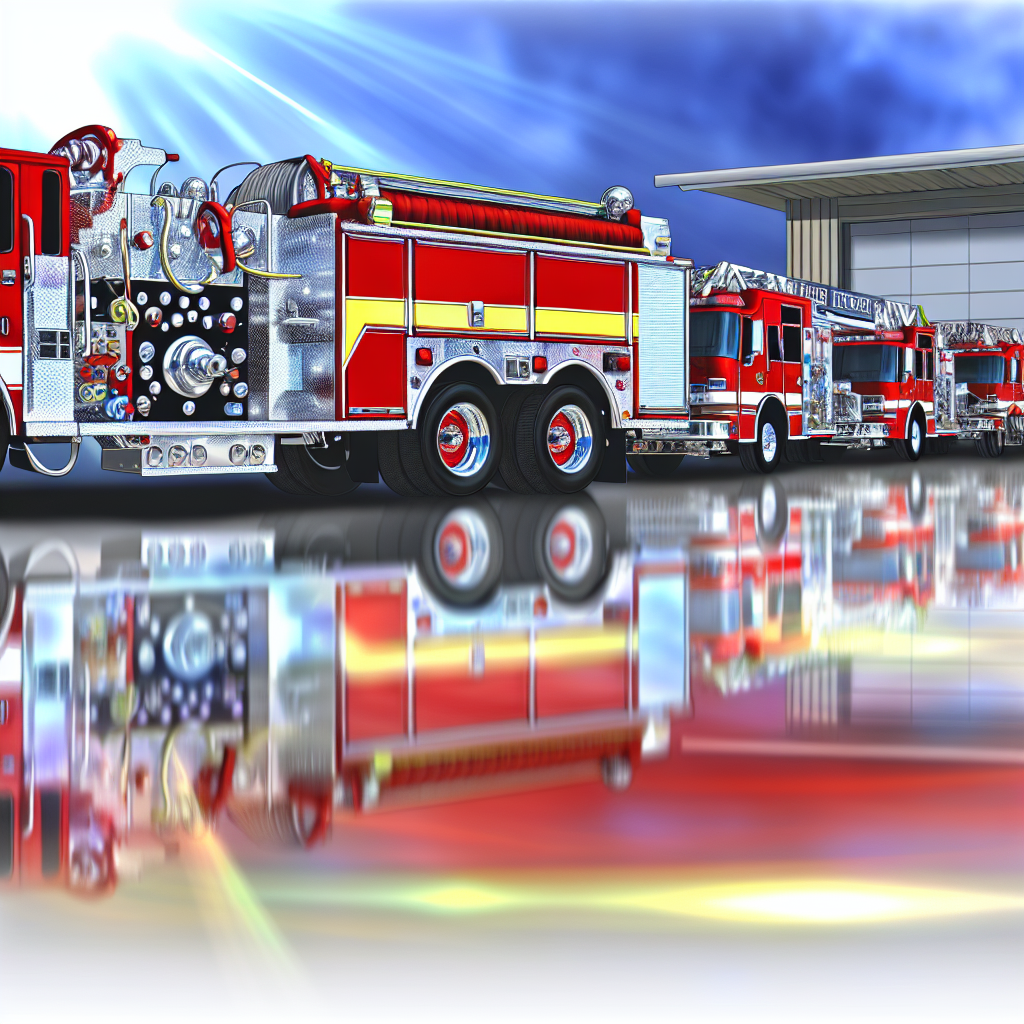
When lives hang in the balance and time is of the essence, every second counts in firefighting. The customization of fire trucks is not just about aesthetics; it plays a crucial role in enhancing operational efficiency and protecting the brave individuals who fight fires. Tailoring fire apparatus to meet specific departmental needs ensures that firefighters have immediate access to the tools and resources required during emergencies.
This strategic design approach allows for improved responsiveness, agility in various operational scenarios, and maximized safety protocols. By focusing on customization, fire departments can significantly influence their tactical philosophies, ultimately leading to better outcomes during critical situations. Let’s delve into how the right designs can make all the difference in saving lives and safeguarding our communities.
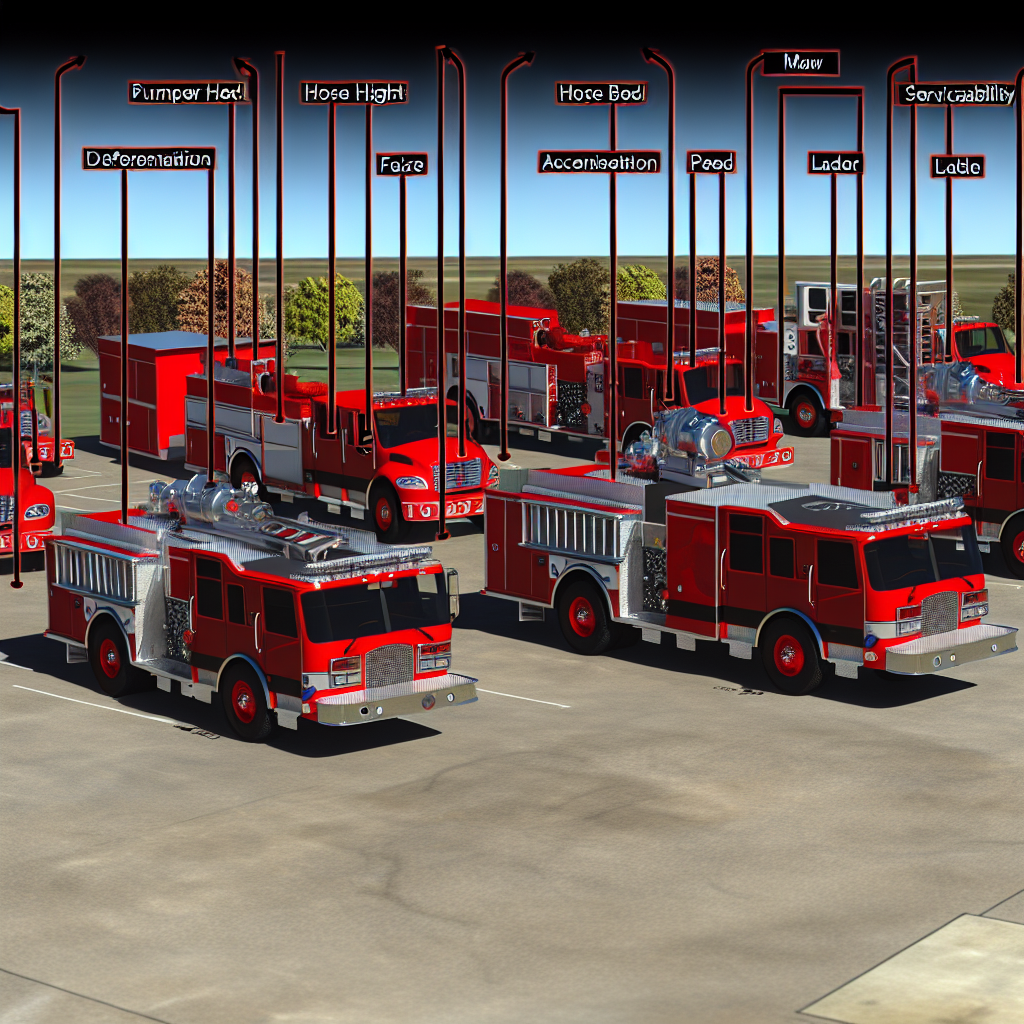
Key Features to Consider in Pumper Fire Truck Design
When it comes to designing pumper fire trucks, several key features must align with the tactical needs and operational philosophies of fire departments. These features enhance firefighting capabilities and ensure the safety and efficiency of the personnel involved in emergency responses. Below are the crucial components to consider:
- Hose Bed Height
- Optimal heights: 60 to 68 inches
- Reduces risk of back strain
- Maximum height (per NFPA): 84 inches with additional safety features
- Onboard Water Capacity
- Consider geographical context and operational needs
- Rural departments: 750 to 1,000 gallons
- Urban departments: 500 to 750 gallons
- Balances capacity and maneuverability
- Ladder Accessibility
- Low side storage for ground ladders is recommended
- Electric/hydraulic ladder racks facilitate safe access
- NFPA compliance: removable ladders should require no tools and be easily accessible
- Serviceability
- Full-height transverse compartments minimize corrosion
- Roll-up doors enhance maintenance accessibility
- Removable pump panels improve routine servicing
- Modular wiring systems for improved maintenance efficiency
In conclusion, each feature discussed must connect with the fire department’s tactical philosophy to enhance customization and ensure effective firefighting capabilities. By prioritizing these key elements, fire departments can optimize their pumper fire truck designs for improved safety and operational performance.
- Fire Department Responses: Fire departments often face challenges with water supply, especially in rural areas. To tackle this issue, they are designing fire trucks with larger onboard water tanks, often exceeding 3,000 gallons. This enables them to respond effectively in situations where hydrant systems do not provide sufficient pressure or capacity. Additionally, mobile water supply units are being developed to further enhance their capabilities in these critical scenarios.
Insights from Experts on Pumper Fire Truck Customization
The design and customization of fire trucks resonate deeply with various industry experts and stakeholders. As James Curtis aptly put it, “Thoughtful pumper design maximizes operational efficiency and firefighter safety.” He emphasizes that every design feature must tie into a department’s tactical philosophy, stating, “Each choice is tied directly to their tactical philosophy: aggressive interior attack with fast water on the fire and high accessibility to tools supporting life-saving operations.”
Chief (Ret.) Rick Kolomay highlights the implications of off-the-shelf apparatus, stating, “A fire department that buys an apparatus off the shelf without customizing it to their response area is doing a disservice to their personnel and the community they serve. The apparatus is the firefighter’s most important tool—customization directly affects speed, safety, and effectiveness on scene.”
Fire Chief Bobby Halton points out, “The difference between a good fire attack and a great one often comes down to seconds. Those seconds are saved or lost in the design of the apparatus.” He stresses that a well-thought-out custom pumper reduces chaos, reduces injuries, and increases the probability of a successful outcome.
Moreover, Deputy Chief (Ret.) John O’Connell adds, “Departments that involve line firefighters and company officers in the design process see dramatically lower injury rates from apparatus-related incidents and faster task completion times. Customization isn’t about luxury—it’s about risk reduction and operational efficiency.” This underscores the importance of engaging frontline personnel in the design conversation, as their input directly correlates with improved safety in risk-laden situations.
In conclusion, integrating insights from leaders in the firefighting community reinforces the critical importance of customization in pumper fire truck design. When practicality meets operational philosophy, the results are profound—enhanced safety, efficiency, and ultimately, the saving of lives.
| Fire Truck Model | Manufacturer | Pump Flow Capacity | Tank Size |
|---|---|---|---|
| Ascendant | Pierce Manufacturing | 1,000 – 2,000 GPM | 500 – 1,000 gallons |
| Velocity | Pierce Manufacturing | 1,000 – 1,750 GPM | 500 – 1,000 gallons |
| Saber | Pierce Manufacturing | 1,000 – 1,750 GPM | 500 – 1,000 gallons |
| Striker 4×4 | Oshkosh Corporation | Up to 1,500 GPM | 1,500 gallons |
| Striker 6×6 | Oshkosh Corporation | Up to 3,000 GPM | 3,000 gallons |
| Striker 8×8 | Oshkosh Corporation | Up to 6,000 GPM | 4,500 gallons |
The Relationship Between Firefighter Safety and Customization in Fire Truck Design
The relationship between firefighter safety and customization in fire truck design is critical. Customization not only enhances the operational efficiency of fire trucks but also significantly reduces risks faced by firefighters in various scenarios. Tailoring fire apparatus allows for adjustments that can better accommodate the unique environments and challenges different departments face. This can include specific truck dimensions, layout for tools and equipment, and onboard technology that can provide vital data during emergencies.
Furthermore, firefighter safety is enhanced through improved ergonomics that reduce physical strain, streamlined access to equipment that speeds up response times, and optimized weight distribution that improves vehicle handling and stability under pressure. Each customization decision should correspond to specific operational needs maximizing both effectiveness and safety in real-time firefighter engagements.
Prioritizing Customization: Insights from South County Fire
Customization in fire truck design is often a reflection of a fire department’s unique operational needs. The South County Fire Department in Washington stands as a significant case study for understanding how such customizations can enhance both functionality and safety in emergency response. Their approach to fire truck features demonstrates a strategic alignment with their geographical and operational requirements.
- Operational Needs Assessment: South County Fire prioritizes low hose bed heights, which enable their firefighters to quickly deploy hose lines during an emergency. This design choice not only speeds up their response times but also reduces the risk of injuries faced by personnel while managing equipment.
- Increased Onboard Water Capacity: One of the notable decisions made by South County Fire is opting for onboard water storage that exceeds the standard 500 gallons. This customization allows for extended initial firefighting attacks, ensuring that personnel have sufficient water supply before establishing connections to external sources like hydrants.
- Strategic Equipment Storage: The department adopts a compartmentation strategy that prioritizes critical tools based on call frequency, significantly reducing clutter and allowing for organized storage. This careful selection of gear ensures that the most needed equipment is easily accessible, allowing for efficient operation during high-stress situations.
- Enhanced Safety Protocols: Safety is a paramount consideration in South County Fire’s design philosophy. For example, they have implemented low-side mounted ladders, allowing for rapid access during emergencies despite the challenge of limited compartment space. Performance monitoring systems for pump operations have also been integrated to minimize downtime and enhance equipment reliability.
- Involvement of Frontline Personnel: Another crucial aspect of their customization process involves soliciting feedback from the firefighters who operate the vehicles. This practice not only improves the functionality of the fire trucks but also enhances overall crew safety by addressing specific operational challenges experienced on the ground.
By understanding the unique operational landscape of each fire department, organizations can prioritize features that will substantially improve both response capabilities and safety. South County Fire’s case exemplifies how thoughtful customization can optimize firefighting efforts and ultimately save lives in critical situations.
Conclusion
In summary, the thoughtful design of pumper fire trucks is paramount, directly influencing both safety and operational efficiency within firefighting departments. By opting for customization, departments can tailor their apparatus to meet specific needs and challenges, ensuring that each element—from water capacity to equipment accessibility—enhances the effectiveness of their response efforts.
It is crucial for fire departments to make informed design choices that reflect their tactical philosophies, as these decisions can dramatically increase performance and safety in the field. As shown through various case studies and expert insights, investing in well-designed fire trucks ultimately leads to better outcomes in emergency situations, safeguarding both firefighters and the communities they serve.
As we navigate through the technical details of pumper fire truck design, it becomes imperative to connect these features seamlessly with the insightful perspectives offered by industry experts. Each element we discuss is not merely a standalone feature; it embodies the operational philosophies that guide fire departments in their mission to safeguard lives.
For instance, after outlining the importance of hose bed height, the next transition can emphasize how this ergonomic consideration directly supports the firefighter’s efficiency during emergencies. The words of Chief (Ret.) Rick Kolomay can serve as a bridge here, reinforcing that these design decisions significantly influence crew safety and operational speed.
Similarly, when exploring the crucial aspect of onboard water capacity, it is beneficial to refer to recent incidents, as highlighted by the findings of the U.S. Fire Administration. Integrating this data will not only underscore the impact of these design features in real-world scenarios but will also relate back to the customizations made by departments like South County Fire, showcasing a direct link between design choices and community safety outcomes.
To further enhance the narrative, incorporating phrases like, ‘Building on the initial response discussed above,’ allows readers to engage with the content logically, preparing them for the next critical phase of water capacity’s role in firefighting effectiveness. This aids in smooth transitions through the article, ensuring that every technical detail is anchored in the practical realities faced by firefighters today.
Finally, let us not forget the significant voices of experts like Fire Chief Bobby Halton and Deputy Chief (Ret.) John O’Connell, whose opinions resonate through every section. Their wisdom reminds us that customization is not just a luxury, but a necessity determined by the complexities of the environments where fire departments operate. By weaving their insights into each transition, the article not only becomes a technical guideline but also a narrative rooted in real-world practices and necessities of fire response operations.
Fire Truck Design: Incorporating Firefighter Safety Features and Emergency Response Optimization
The design of fire trucks should prioritize crucial attributes like firefighter safety features and emergency response optimization. These elements not only enhance operational efficiency but also ensure that firefighters are well-equipped for diverse challenges faced during emergencies. By customizing fire truck designs based on these factors, fire departments can ensure optimal functionality during critical firefighting operations.
Key Features to Consider in Pumper Fire Truck Design for Safety and Efficiency
When designing pumper fire trucks with a focus on firefighting operations, several key features must align with enhancing firefighter safety features and emergency response optimization. This alignment ensures safe and effective responses to incidents. Below are the crucial components to consider:
- Hose Bed Height
- Optimal heights: 60 to 68 inches
- Reduces risk of back strain
- Improves access to water and tools, which supports emergency response optimization
- Onboard Water Capacity
- Consider geographical context and operational needs related to emergency response optimization
- Rural departments: 750 to 1,000 gallons to ensure rapid firefighting capabilities
- Urban departments: 500 to 750 gallons, balancing capacity and maneuverability
- Ladder Accessibility and Firefighter Safety Features
- Low side storage for ground ladders is recommended to improve safety
- Electric/hydraulic ladder racks facilitate safe access during urgent situations
In conclusion, aligning key features with firefighter safety and operational efficiency ensures that fire department strategies effectively address both current and future firefighting challenges.
The Importance of Water Capacity for Emergency Response Optimization
Continuing our focus on firefighter safety features and emergency response optimization, having an adequate water supply is essential. Here are the recent findings on how water capacity influences firefighting:
- Water Supply Critical for Operations: According to the U.S. Fire Administration, optimal water supply systems are vital, particularly under high-demand situations. Adequate water reserves can severely enhance firefighting effectiveness.
- Incidents Reflecting the Need for Capacity: A notable incident during the recent Palisades fire underscores the impact of water capacity on effective emergency response and how firefighter safety features are essential in such scenarios.