
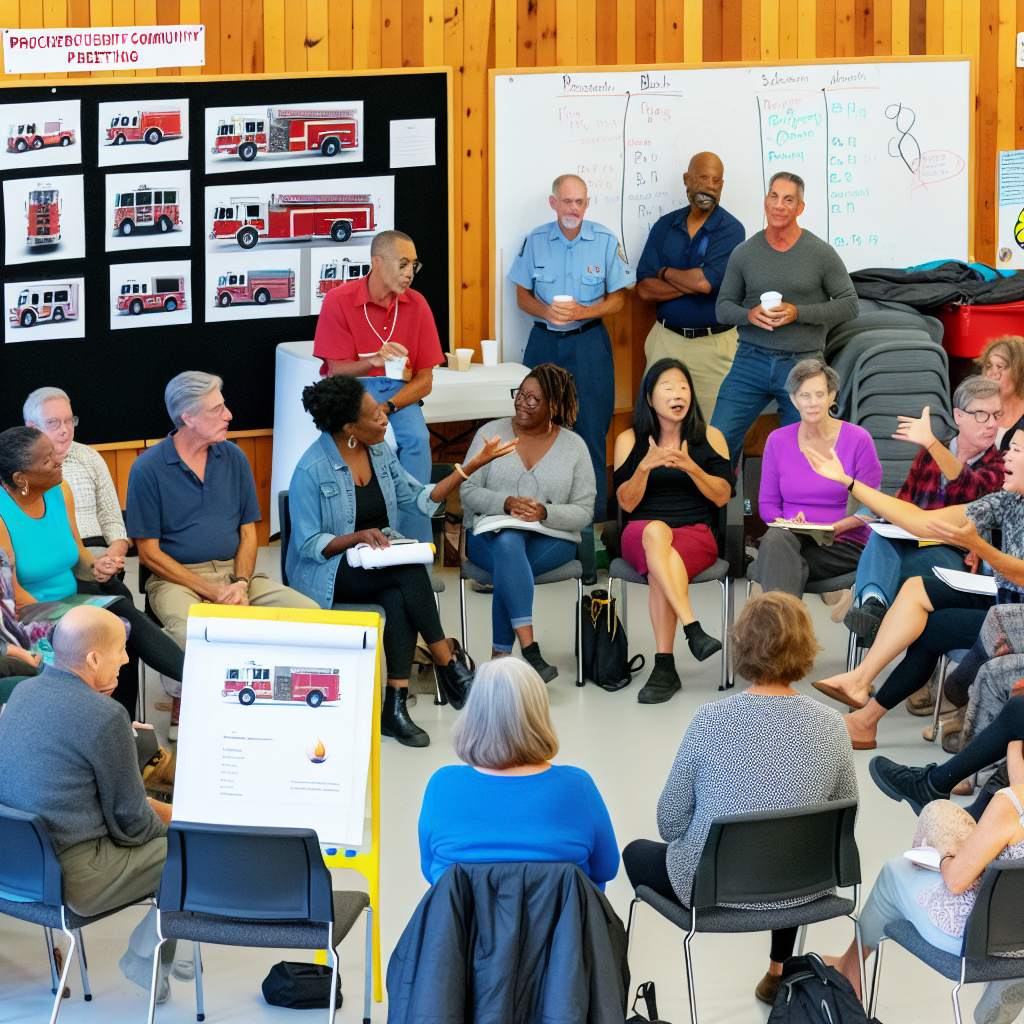
In today’s world, the successful procurement of fire apparatus is more than just a transactional process; it is a testament to the strength of community collaboration. With over 300 dedicated professionals and 25 fire stations, the Lexington County Fire Service exemplifies how engaging firefighters and community members can lead to informed and effective decisions in fire apparatus procurement. When stakeholders work together, they not only foster a sense of ownership but also ensure that the apparatus truly meets the operational needs of the community it serves.
Later, we will explore best practices that highlight the importance of inclusive procurement committees and cross-functional collaboration, pivotal elements that can transform fire truck purchasing into a community-driven initiative. Join us as we delve into the power of unity in enhancing community safety through smart procurement strategies.
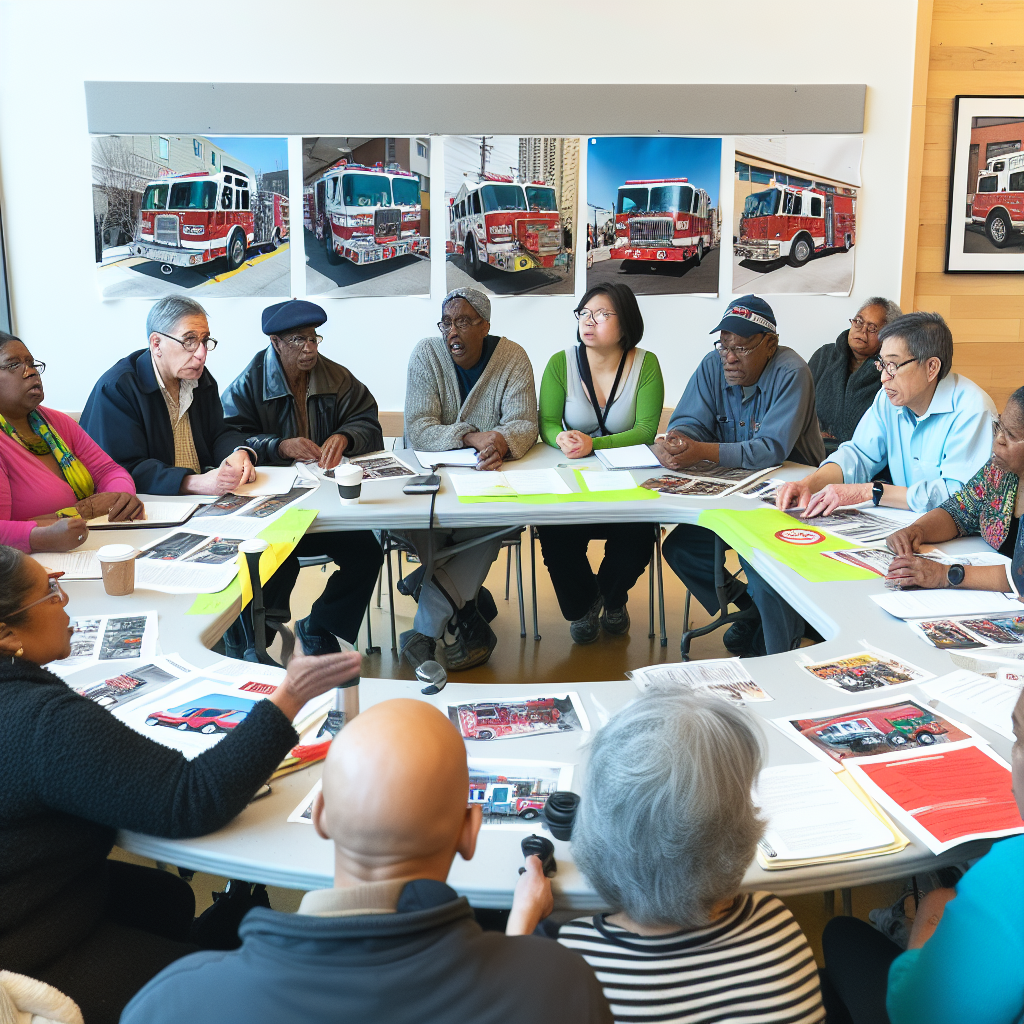
An image depicting diverse participants engaged in discussion during a community meeting focused on fire truck procurement.
The Role of Inclusive Procurement Committees in Fire Truck Purchasing
Inclusive procurement committees are transforming the way fire apparatus are purchased by fostering collaboration among diverse stakeholders. Involving firefighters, engineers, and community members in the procurement process ensures that multiple perspectives are considered, leading to holistic and effective decision-making.
Firefighters bring firsthand knowledge about operational needs, while engineers contribute insights on technical specifications and safety standards. The synergy between these distinct perspectives leads to well-rounded decisions that not only meet the immediate requirements but also align with long-term operational goals. M. Kyle Minick, a committee member, emphasized, “I can go out and buy a truck, but without the committee’s buy-in, they don’t take care of it and they’re not invested in it.” This sentiment underscores the importance of commitment from all stakeholders involved in the procurement process.
The benefits of such inclusivity go beyond just functional considerations. A diverse committee is more likely to consider innovative solutions and challenge conventional thinking. As one committee member put it, “These committee members take pride in these trucks. They take it seriously.” This pride translates into a sense of ownership and accountability, ensuring that the selected apparatus serve the community’s needs effectively.
Moreover, when committee members are engaged in decision-making, they foster greater transparency and trust within the community. The public is more likely to support procurement decisions when they see the involvement of various stakeholders, as noted by another committee member: “When I go ask for something more, I want the public to understand why.”
In summary, inclusive procurement committees are crucial in the fire truck purchasing process. By bringing together diverse voices, these committees enhance innovation, accountability, and community trust—elements that are essential for effective fire service operation.
| Stakeholder | Roles | Responsibilities | Impact on Procurement Outcomes |
|---|---|---|---|
| Firefighters | Users of the apparatus | Provide input on operational needs, participate in evaluations | Ensure the selected apparatus meets practical, operational needs |
| Community Leaders | Advocates for community interests | Represent public opinion and safety concerns | Influence funding and procurement priorities |
| Manufacturers | Suppliers of fire apparatus | Design, manufacture, and supply fire trucks | Ensure that products meet specifications and industry standards |
| Procurement Committee | Decision-makers | Evaluate proposals, ensure transparency, and foster collaboration | Impact the overall quality and suitability of the procurement process |
| Financial Officers | Budget Allocators | Manage budgetary constraints and financial planning | Affect the feasibility and scale of procurement decisions |
Best Practices for Community Engagement in Fire Truck Procurement
Engaging the community in fire truck procurement is essential to ensure that the needs and expectations of the community are met. Here are some best practices to consider:
1. Establish Clear Communication
Ensure transparent communication channels between the fire department and community members.
2. Conduct Community Surveys
Gather input through surveys to understand the community’s needs and preferences regarding fire truck specifications.
3. Host Public Meetings
Organize forums or public meetings to discuss procurement plans and allow community members to express their opinions.
4. Involve Stakeholders
Engage local stakeholders such as government officials, community leaders, and fire service professionals in the decision-making process.
5. Provide Education and Information
Educate the community on the procurement process and the importance of having reliable fire trucks for public safety.
6. Create Feedback Mechanisms
Implement systems to collect feedback after the procurement process to improve future engagements.
7. Celebrate Milestones
Share achievements and updates with the community to foster a sense of ownership and pride in the new fire truck acquisition.
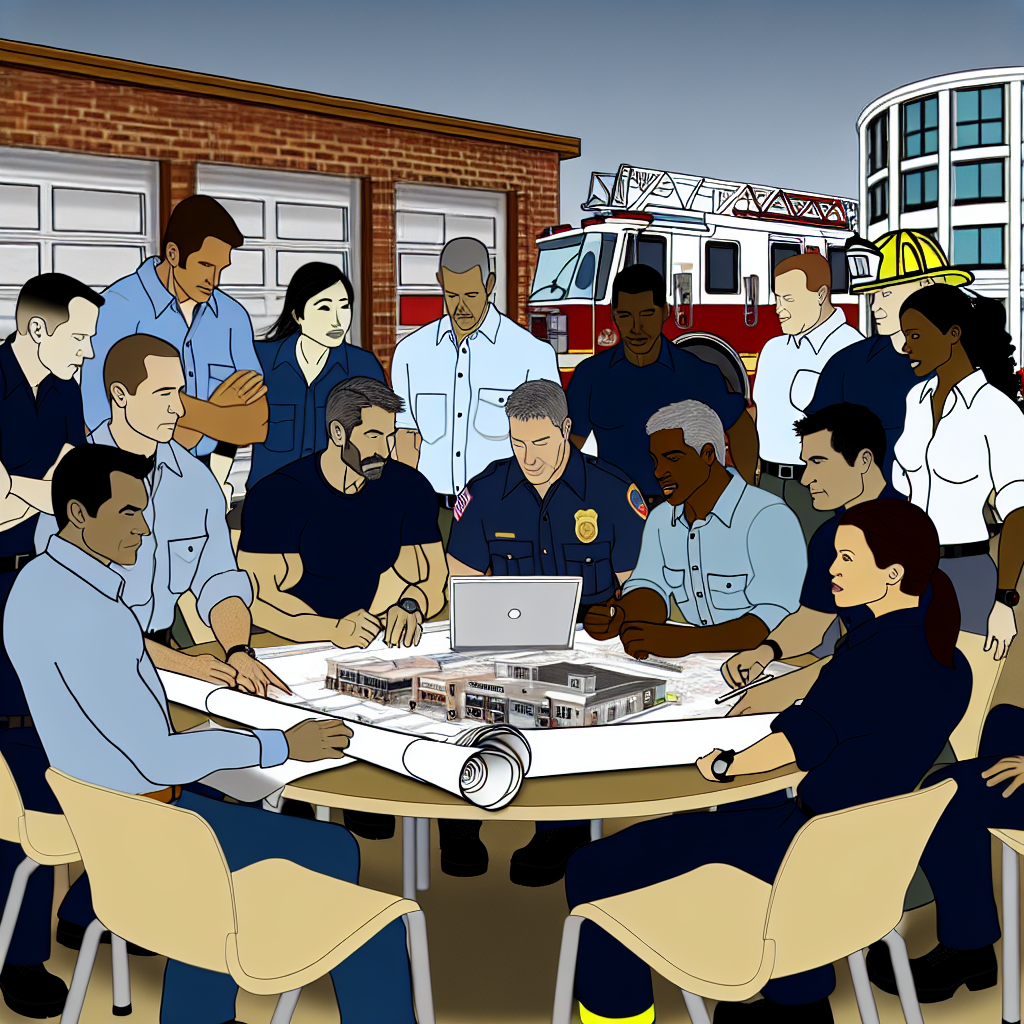
An illustration showing teamwork among firefighters actively participating during the procurement process, depicting their commitment and ownership over the decisions being made.
The Impact of Community Involvement on Fire Apparatus Procurement
User adoption data related to community involvement in fire apparatus procurement illustrates significant qualitative benefits, even if specific statistics are scarce. Community engagement not only informs decision-making but also fosters public trust and investment in fire service operations. For instance, the Lexington County Fire Service exemplifies effective community involvement by hosting public events where citizens can evaluate new apparatus, thereby cultivating a sense of ownership and accountability among both firefighters and residents. Chief Minick aptly stated, “These are your fire trucks. We want the public to be engaged”, highlighting the importance of transparency in building trust and support for procurement processes.
Moreover, conducting community risk assessments ensures that purchases align with local needs, enhancing operational efficiency and safety. This process is crucial for evaluating local hazards and aligning apparatus purchases with best practices established by organizations like the NFPA and ISO.
Delayed procurement processes can severely affect community safety; outdated equipment can lead to incidents, as evidenced by recent accidents in Chicago linked to malfunctioning apparatus. The importance of timely, community-supported procurement is underscored by these challenges, as they illustrate the risks of relying on insufficient resources.
Additionally, departments are increasingly turning to cooperative purchasing agreements to expedite procurement, enhancing their preparedness and response capabilities. This strategy streamlines the process, allowing fire services to acquire necessary equipment more efficiently, which consequently improves service delivery and community safety.
In summary, while specific adoption statistics may be lacking, the evidence suggests that community involvement significantly enhances fire apparatus procurement processes, leading to more informed decisions and better overall outcomes for community safety and fire service efficiency.
The Role of Technology in Fire Apparatus Procurement
Advancements in technology are significantly enhancing fire service procurement by introducing sophisticated software platforms, data analytics tools, and innovative apparatus designs. These developments aim to improve operational efficiency, safety, and decision-making processes within fire departments.
Software Platforms and Data Analytics Tools
- Artificial Intelligence (AI) Integration: AI is increasingly being adopted in fire services for various applications, including incident documentation, data analysis, and reporting. For instance, First Due is developing AI-powered tools that assist in dictating incident narratives and automating portions of the National Fire Incident Reporting System (NFIRS) or electronic Patient Care Reports (ePCR), thereby reducing the administrative burden on operational crews. [firehouse.com]
- Community Risk Assessment Platforms: Darkhorse Emergency’s Darkhorse Risk platform offers a modern approach to community risk assessment by integrating over 50 trusted datasets, such as U.S. Census data and information from the Centers for Disease Control and Prevention. This tool provides fire departments with parcel-level insights, enabling them to identify high-risk areas, understand root causes, and implement data-informed interventions effectively. [firehouse.com]
- Incident Command and Accountability Systems: FLORIAN is an automated incident command software and accountability platform that streamlines on-site processes, enhances situational awareness, and reliably tracks personnel. It consolidates critical insights, including location data and responder tracking information, into a user-friendly interface adaptable across various devices and platforms. [firehouse.com]
Innovative Apparatus Design Technologies
- Connected Firefighting Equipment: MSA Safety has developed the LUNAR Connected Device, a handheld, wireless personal accountability device designed for search and rescue operations. LUNAR devices can locate other devices in alarm during mutual aid responses, enhancing firefighter safety and coordination. [firehouse.com]
- Augmented Reality (AR) Systems: Qwake Technologies is introducing C-Thru, an AR system that allows firefighters to see through smoke-filled environments while wearing an SCBA facepiece. C-Thru consists of AR lenses projecting green-outlined images relayed from a high-speed thermal imaging camera, which are also live-streamed to command and control stations, improving situational awareness and navigation. [fireapparatusmagazine.com]
- Smart Firefighting Apparatus: Advancements in apparatus design include the development of telescopic fire trucks with extended reach and integrated drone launch systems, AI-powered collision avoidance mitigation systems (CAMS) to prevent vehicle accidents during emergency responses, and hybrid/electric pumpers offering silent operation modes. These innovations aim to enhance operational efficiency and safety during firefighting operations. [quollnet.com]
Recent Trends
- Integration of AI and Machine Learning: AI-powered tools are being developed to analyze vast datasets in real-time, predict fire outbreaks, and optimize response strategies, thereby reducing false alarms and improving safety outcomes. [researchandmarkets.com]
- Cloud-Based Monitoring and Management: Cloud platforms enable centralized control and real-time monitoring of fire detection and suppression systems across multiple sites, improving scalability, data access, and maintenance efficiency. [researchandmarkets.com]
- IoT-Enabled Smart Sensors: Advanced sensors connected via the Internet of Things (IoT) provide continuous environmental monitoring and instant alerts, facilitating early detection of fire hazards and improving situational awareness. [researchandmarkets.com]
These technological advancements are transforming fire service procurement by providing tools that enhance decision-making, operational efficiency, and firefighter safety.
In conclusion, the engagement and collaboration evident in the fire truck procurement process of the Lexington County Fire Service illustrate the profound impact that community involvement can have on effective decision-making for public safety. As one community leader poignantly stated,
“An informed and engaged community can greatly enhance your department’s future success.”
By actively including firefighters, engineers, and community members, the department not only ensures that the fire apparatus meets the operational and safety needs of the community but also fosters a sense of ownership and accountability. Such collaborative practices serve to strengthen public trust and ensure that the necessary resources are allocated wisely.
As readers consider the dynamics within their local fire services, it is imperative to recognize the value of advocating for community engagement in procurement processes. Whether it is attending town hall meetings, participating in public forums, or joining inclusive procurement committees, each individual can play a role in shaping a safer, more effective fire service that truly serves the community’s needs. Embrace the call to action and become a champion for collaborative practices in fire apparatus procurement in your own community.
Inclusive Procurement Committees
In the Inclusive Procurement Committees section, after the sentence that ends with “…serve the community’s needs effectively,” the quote,
“These committee members take pride in these trucks. They take it seriously.”
can be seamlessly integrated to emphasize the accountability of committee members.
Best Practices for Community Engagement in Fire Truck Procurement
In the Best Practices for Community Engagement in Fire Truck Procurement section, where the text discusses transparency, the quote,
“When I go ask for something more, I want the public to understand why.”
can be placed to reinforce the importance of public understanding in decision-making processes.
User Adoption Data and Community Involvement
Finally, in the User Adoption Data and Community Involvement section, just after mentioning the importance of operational efficiency, the quote from Chief Minick,
“These are your fire trucks. We want the public to be engaged.”
can be included to highlight the focus on community involvement.
These placements will enhance the text’s credibility through firsthand insights and underline the key themes of ownership and accountability within the procurement process.
Key Stakeholder Roles in Fire Apparatus Procurement
- Firefighters:
- Users of the apparatus
- Engage in evaluating equipment options and recommend features based on operational needs.
- Community Leaders:
- Advocates for public interests
- Represent community perspectives and articulate safety concerns during the procurement process.
- Manufacturers:
- Suppliers of fire apparatus
- Design and manufacture equipment in accordance with community requirements and safety regulations.
- Procurement Committee:
- Decision-makers
- Oversee the selection process and ensure that procurement aligns with both community needs and budgetary constraints.
- Financial Officers:
- Budget Allocators
- Manage financial planning and resource allocation to ensure the feasibility of the procurement process.
Building Smarter, Serving Better: Lexington County Fire Service and Community Engagement
Lexington County Fire Service’s approach to fire truck purchasing includes community engagement, firefighter involvement, and manufacturer collaboration for successful apparatus procurement. By embracing these strategies, they empower both their personnel and the community they serve, ensuring that fire safety equipment is efficient and effective.
The Role of Inclusive Procurement Committees in Fire Truck Purchasing
Inclusive procurement committees are transforming fire service procurement by fostering collaboration among diverse stakeholders. Involving firefighters, engineers, and community members ensures that multiple perspectives are considered in the purchasing of fire apparatus, enhancing operational needs and community safety.
Firefighters bring firsthand knowledge about operational needs, while engineers contribute insights on technical specifications and safety standards. The synergy created leads to well-rounded decisions that not only meet immediate requirements but also align with long-term fleet planning. This commitment from all stakeholders is vital in ensuring effective fire service operations.
Best Practices for Community Engagement in Fire Truck Procurement
Effective community engagement in fire truck procurement hinges on several best practices that foster transparency, collaboration, and communication. By prioritizing these strategies, fire departments can create a more inclusive and supportive environment for their procurement processes.
Prioritize Transparency
Transparency is paramount in maintaining public trust, especially regarding fire service procurement trends. Involving the community early enables clear expectations surrounding the procurement process. Engaging stakeholders through community meetings allows for open dialogue, empowering community members to voice their feedback on fire safety equipment needs. This level of engagement demonstrates that the fire department values public opinion.
Regular Updates
Providing regular updates regarding the procurement process is essential for keeping the community informed and involved. Timely communications through newsletters or social media can keep residents apprised of key developments, milestones, and timelines for new fire apparatus acquisitions.
Foster Collaboration Among Stakeholders
Collaboration among diverse stakeholders is crucial in the procurement of fire services equipment. Involving key figures in the community, including firefighters, engineers, and manufacturers, invites multiple perspectives. This ensures that final decisions align with operational needs and community expectations regarding fire safety equipment, promoting shared responsibility.
Summary of Technological Innovations in Fire Apparatus Procurement
| Innovation | Description | Benefits |
|---|---|---|
| Artificial Intelligence (AI) | AI tools for incident documentation and reporting, reducing administrative burdens. | Increases efficiency and accuracy in reporting. |
| Community Risk Assessment Tool | Integrates multiple datasets to evaluate community safety and identify high-risk areas. | Enhances operational efficiency and targeted interventions. |
| Automated Incident Command System | Streamlines command processes, tracking personnel and improving situational awareness. | Facilitates better coordination during emergencies. |
| Connected Firefighting Equipment | Handheld devices that assist in locating personnel and equipment during emergencies. | Improves firefighter safety and operational efficiency. |
| Augmented Reality (AR) System | Provides visibility through smoke, enhancing navigation and safety during operations. | Increases situational awareness for firefighters. |
| Smart Firefighting Apparatus | Includes advanced technologies like drone launch systems and hybrid/electric trucks for enhanced operational capability. | Improves effectiveness and reduces environmental impact. |
This table summarizes key technological advancements that enhance fire apparatus procurement, emphasizing improvements in safety, efficiency, and community engagement.
Simplified Article Content for Readability
Introduction
Today, successful fire truck procurement shows how strong community collaboration is. When stakeholders collaborate, they create ownership and ensure the trucks meet community needs. We will explore best practices that highlight the importance of inclusive procurement committees and cross-functional collaboration.
Inclusive Procurement Committees
The role of inclusive procurement committees is vital in fire truck purchasing. These committees include firefighters, engineers, and community members. Firefighters know the operational needs. Engineers provide insights on technical specs and safety standards.
M. Kyle Minick, a committee member, noted, “I can go out and buy a truck, but without the committee’s buy-in, they don’t take care of it and they’re not invested in it.”
This quote shows the importance of commitment from all involved.
When committee members are engaged in decision-making, they create trust in the community. The public is more likely to support procurement decisions when they see diverse participation.
Best Practices for Community Engagement in Fire Truck Procurement
Community engagement in fire truck procurement is essential. Here are some best practices:
- Prioritize Transparency: Involving the community lets them know what to expect and encourages open dialogue.
- Regular Updates: Keeping the community informed through newsletters or social media about procurement progress helps engagement.
- Foster Collaboration: Involving diverse stakeholders ensures decisions align with both operational needs and community expectations.
Impact of Community Involvement
Community involvement improves fire apparatus procurement. Regular events where citizens can evaluate new apparatus foster ownership among both firefighters and residents.
Chief Minick stated, “These are your fire trucks. We want the public to be engaged.”
This emphasizes the role of transparency.
Remember that slow procurement can harm community safety because old equipment may cause problems.
The Role of Technology in Fire Apparatus Procurement
New technology is improving fire service procurement with better software, data tools, and new truck designs.
Examples of Innovations:
- AI Integration: AI tools reduce admin burdens.
- Risk Assessment Tools: These help identify high-risk areas.
- Automated Systems: Streamlines accountability and command.
- Connected Equipment: Improves safety through better tracking.
- AR Systems: Enhance navigation in smoke.
Conclusion
In conclusion, including firefighters, engineers, and community members ensures trucks meet community safety needs and builds a sense of ownership. Collaborative practices strengthen public trust and ensure wise resource allocation.
This simplified content aims to maintain clarity and engagement while ensuring that all essential information is conveyed effectively.