
Effective preventative maintenance (PM) on semi trucks is crucial for long-haul drivers, fleet managers, and maintenance specialists. By following a structured PM process, truck operators can enhance vehicle longevity, ensure safety, and comply with necessary regulations. This guide delves into best practices for PM service, focusing on pre-service preparation, exterior inspections, engine and fluid checks, and more. Each chapter builds on practical approaches tailored to specific areas, ensuring you have a holistic understanding of maintaining your semi truck.
Pre-Service Mastery: Building Safety and Precision into Every Semi Truck PM
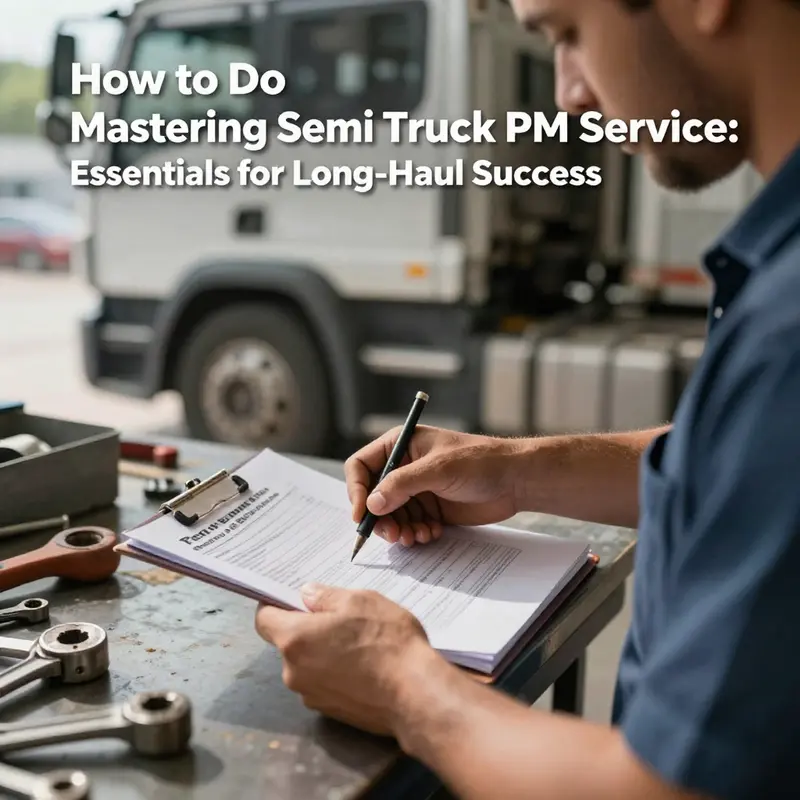
Preparation for a preventive maintenance (PM) on a semi truck starts before tools touch metal. The goal is immobilization, energy control, and a safe, organized workspace. Key steps include parking on a level surface, applying wheel chocks, engaging the parking brake, and isolating electrical systems with lockout/tagout as needed. PPE and a clean, organized toolbox keep the team focused and safe. A quick review of the truck’s maintenance history and the planned task sequence helps ensure the right parts and fluids are on hand and that everyone understands the plan. Clear communication among crew members and thorough documentation support safety and continuous improvement as the PM proceeds through exterior/chassis checks, engine and fluids, braking, and electrical inspections.
Exterior and Chassis PM for Semi-Trucks
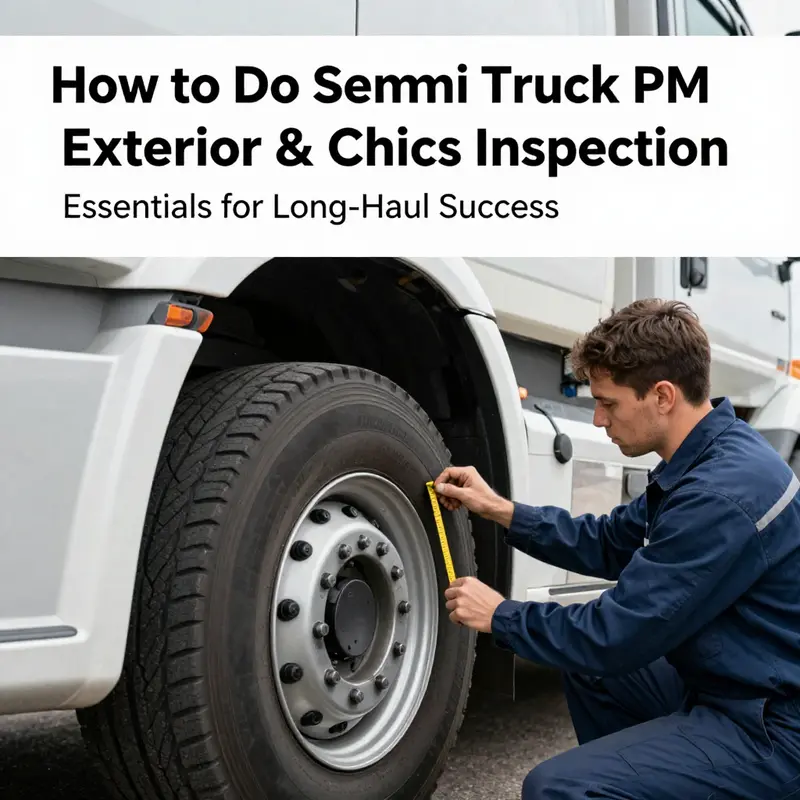
This chapter guides the exterior and chassis preventive maintenance (PM) for semi-trucks. It begins with planning and safety, then moves to exterior inspection: cab and trailer condition, lighting and reflectors, mirrors and glass, tires and rims, and signs of corrosion. It then covers the chassis: frame integrity, suspension components, steering linkages, exhaust, and undercarriage, plus looking for leaks. Documentation and compliance are emphasized, including recording findings and scheduling follow-ups. The electric-semi context adds attention to battery health indicators, high-voltage wiring routing, and charging interfaces, while core PM discipline, thorough inspection, cataloging issues, and timely action, remains the same. Finally, references to FMCSA guidelines and maintenance training resources are noted to support consistent practice and roadworthiness.
null
null
null
null
Final thoughts
Conducting comprehensive PM services on semi trucks is not just about compliance; it’s also about safety and efficiency on the road. Each aspect examined, from pre-service preparation to detailed mechanical checks, plays a vital role in ensuring your vehicle remains in optimal condition. By regularly engaging in these practices, you contribute to safer journeys, reduced breakdowns, and ultimately, the success of your hauling operations.