
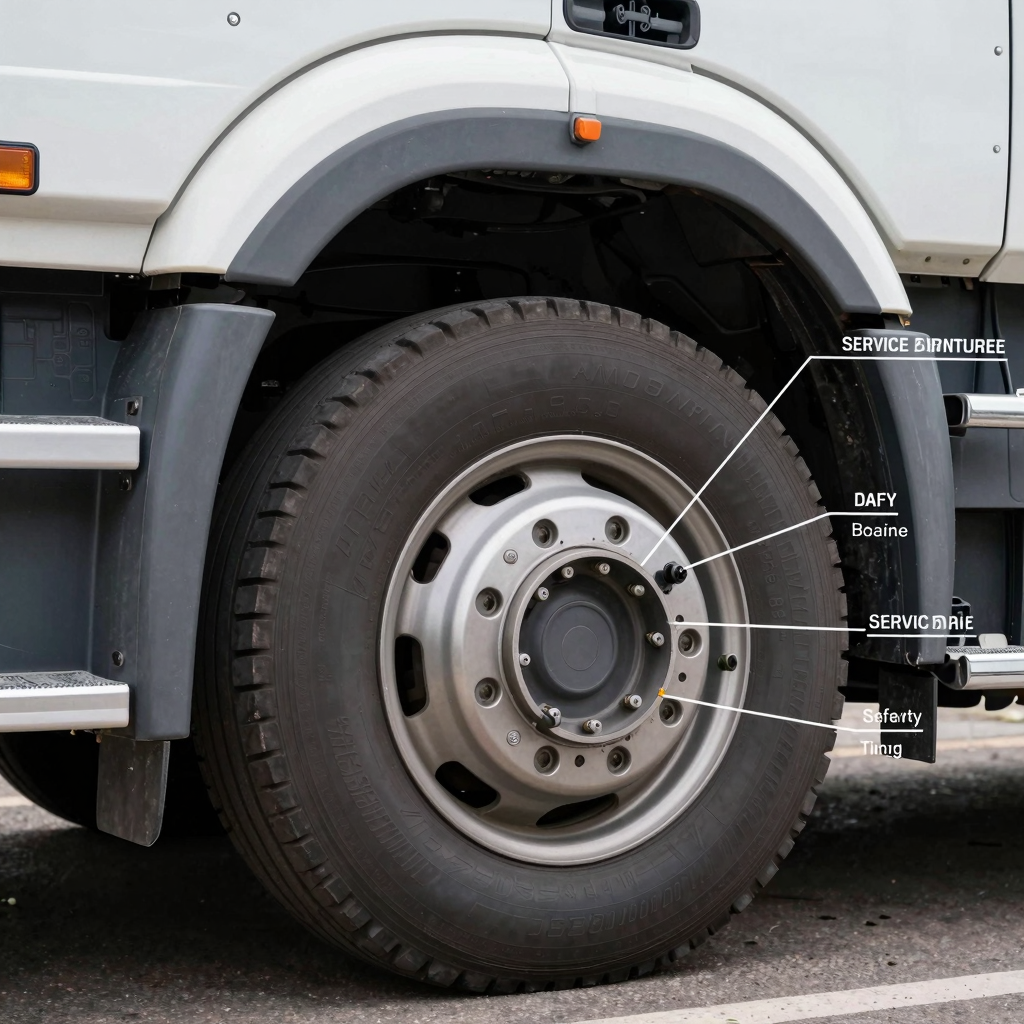
Understanding the Service Brake: A Vital Component in Truck Safety
When it comes to truck safety, the service brake is undeniably one of the most critical systems in place. Imagine a 40-ton rig barreling down the highway at high speeds; the ability to stop efficiently can mean the difference between a controlled deceleration and a catastrophic accident. Service brakes play a crucial role in managing those immense stopping distances, ensuring that drivers maintain control under various driving conditions.
But what exactly are service brakes? In simplest terms, service brakes are the primary braking system used on a truck for normal stops and deceleration. They are designed to bring the vehicle to a halt safely, regardless of the load carried, and their function is essential not only for the driver’s safety but also for the safety of others on the road. Proper maintenance and understanding of how service brakes work can significantly enhance the efficiency and safety of trucking operations, providing peace of mind for drivers and fleet managers alike. As we delve deeper into this topic, we will explore the mechanics of service brakes, their importance in daily trucking operations, and how to ensure they are in optimal working condition. For those interested in a reliable trucking solution, exploring the excellence of 5 Star Truck Inc. can offer valuable insights into the industry’s best practices and standards.
Understanding the Anatomy of a Service Brake System in Trucks
The service brake system is a crucial component of any truck, responsible for safely slowing down and stopping the vehicle during operation. Its effective performance is vital for long-haul truck drivers, fleet managers, and those involved in truck maintenance. Let’s explore the primary components of this system and how they work together.
Main Components of the Service Brake System
-
Brake Pads:
Brake pads are the parts that make direct contact with the brake rotors, creating the friction needed to slow down the truck. Made from durable materials, they are designed to withstand high levels of heat and stress. -
Rotors (or Brake Discs):
Rotors serve as the surface against which the brake pads clamp down. When the pads engage the rotors, this friction creates the necessary resistance to reduce the truck’s speed. In many heavy-duty trucks, disc brakes (which use rotors) are preferred due to their superior heat dissipation and braking performance. -
Actuator:
The actuator, typically an air chamber in air brake systems, is responsible for translating the air pressure generated by the compressor into mechanical force. When the driver presses the brake pedal, compressed air enters the actuator, pushing a diaphragm that moves the slack adjuster. -
Slack Adjuster:
This component ensures that the brake pads maintain optimal contact with the rotors. As the brake pads wear down, the slack adjuster automatically compensates for this wear, ensuring consistent braking performance.
How These Components Work Together
When the driver applies the brake pedal, the system is activated:
- Compressed air flows into the brake chambers via control valves.
- This air pressure pushes the diaphragm in the actuator, which moves the slack adjuster.
- The slack adjuster applies force to the brake pads, pressing them against the rotors.
- The resulting friction generates the necessary stopping force, slowing down or stopping the truck.
In modern trucks, many rely on a dual-circuit system, which provides an additional layer of safety. If one circuit fails, the other can still maintain braking power, ensuring that the vehicle can be safely brought to a stop even in emergency situations.
Understanding your truck’s service brake system is essential for ensuring safe operation and effective handling on the road. Regular maintenance and checks can help you avoid any potential issues, keeping your fleet operating smoothly. For further insights on trucking operations, explore 5-Star Truck Inc.’s quality service and reliability.
The Importance of Proper Service Brake Maintenance
A quote from a recognized expert in trucking safety underscores the significance of proper brake maintenance:
“Your brakes aren’t just a safety feature-they’re your primary responsibility on the road.”
- Local Brake Service Provider, emphasizing that regular, professional maintenance prevents breakdowns and ensures compliance with safety regulations.
As a truck driver or fleet manager, understanding and acting on this advice can not only protect your investment but also save lives on the road. [Learn more about the importance of maintenance practices]
Proper brake maintenance isn’t just about meeting legal requirements; it’s about ensuring safety and operational efficiency. Remember, consistent brake problems flagged during inspections can lead to serious out-of-service violations, with brake systems accounting for over 28% of such incidents, according to industry insights from Heavy Duty Trucking. For more on avoiding these costly violations, check out their article here.
Comparing Traditional Hydraulic Brakes vs. Air Brakes
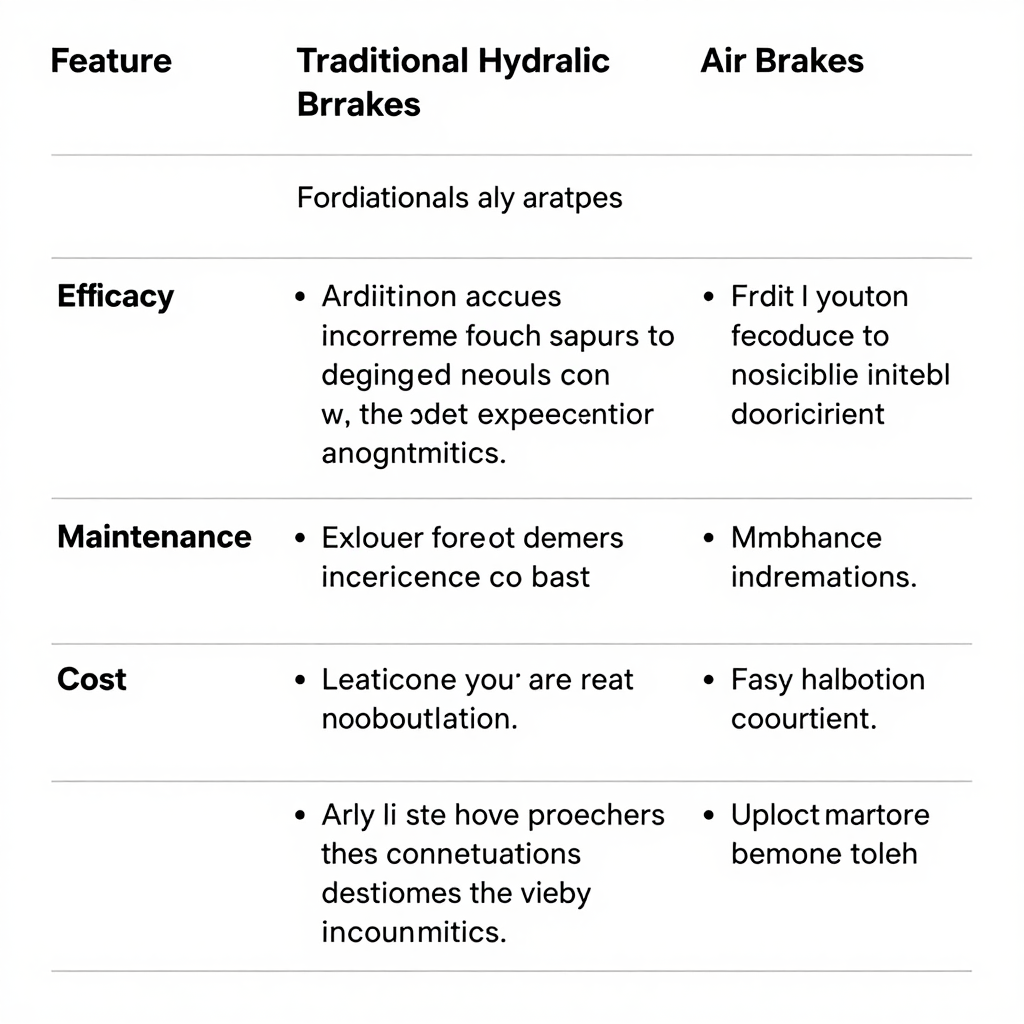
When it comes to service brakes on trucks, it’s essential to understand the differences between traditional hydraulic brakes and air brakes. Here’s a comparison of their efficacy, maintenance needs, and costs:
| Feature | Traditional Hydraulic Brakes | Air Brakes |
|---|---|---|
| Efficacy | – Quicker response time for light to medium loads. | – Better performance for heavy vehicles. |
| – Uses brake fluid for force transmission. | – Relies on air pressure for braking power. | |
| – Can experience reduced efficacy under heavy use. | – Reliable under sustained use with larger loads. | |
| Maintenance | – Requires regular fluid checks and replacements. | – Needs frequent draining of moisture in air tanks. |
| – Less complex than air brake systems. | – More components and systems require oversight. | |
| Cost | – Typically lower upfront maintenance costs: $200-$350 per year. | – Higher maintenance costs: $300-$500 per year. |
| – Simpler structure leads to less frequent issues. | – More complex systems can lead to higher overall expenses. |
[Learn more about comprehensive trucking services here.]
Understanding these differences can help trucking professionals decide which braking system best suits their vehicle needs and operational requirements. Air brakes, while typically more costly, provide enhanced safety and reliability for heavier truck operations.
Common Service Brake Issues
Service brakes are a critical component of truck operation, and over time, various issues can arise that affect their performance. Here’s a look at some common problems truck drivers may encounter, along with their potential causes and solutions:
1. Unusual Noises
If drivers hear squealing, grinding, or clicking noises when applying the brakes, this could indicate worn brake pads or shoes. The friction material may have worn down to the metal, or foreign debris could be stuck in the brake assembly.
- Solution: Inspect and replace worn brake pads or shoes, and remove any debris causing the noise.
2. Reduced Responsiveness
A brake pedal that feels spongy or goes all the way to the floor indicates a problem with the brake system. This issue can be caused by air in the brake lines, leaking brake fluid, or worn brake linings. If the driver notices that the truck takes longer to stop than usual, it is crucial to address this issue immediately.
- Solution: Bleed the brake lines to remove air, check for leaks, and consider replacing the linings.
3. Warning Lights
Many trucks are equipped with dash lights that alert the driver to any brake-related issues. If the brake warning light illuminates, it could indicate low brake fluid levels, low air pressure, or a problem with the brake switch.
- Solution: Drivers should check the air pressure and fluid levels and have electrical faults diagnosed with a professional tool.
4. Vibrations or Pulsations
If the driver feels vibrations or pulsations in the brake pedal, this could be due to warped brake rotors or uneven wear on brake discs. This can lead to unpredictable stopping power.
- Solution: Resurface or replace warped brake drums or rotors to ensure safer, smoother braking.
5. Vehicle Pulling to One Side
If the truck veers to one side when braking, it may indicate uneven brake pad wear or a stuck caliper. Uneven tire pressure or wear can also contribute to this problem.
- Solution: Inspect the calipers for any sticking, ensure even brake pad wear, and check tire pressure.
6. Regular Inspection and Maintenance
Routine checks are essential to identify and fix these issues before they lead to more severe problems. Truck drivers and fleet managers should prioritize regular brake system assessments, replacing any worn parts as needed.
By understanding and addressing these common brake issues, truck drivers can ensure their vehicles remain safe and reliable on the road. Regular maintenance not only extends the life of the braking system but also enhances overall vehicle safety.
For more on ensuring your truck’s reliability, explore the excellence of 5 Star Truck Inc. and discover our unparalleled services.
Brake Problems Chart
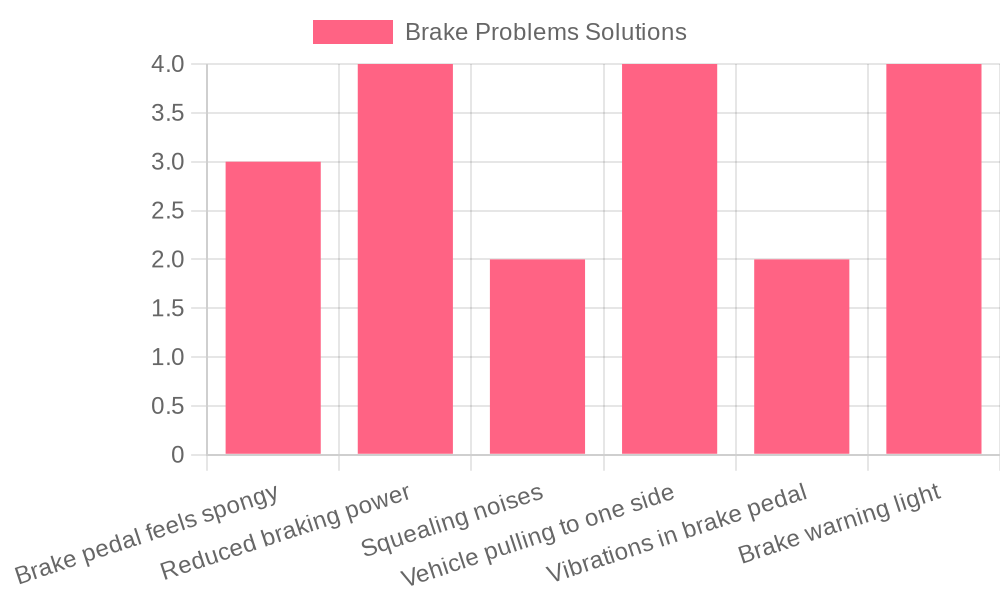
| Symptom | Possible Cause | Solution |
|---|---|---|
| Brake pedal feels spongy or goes to the floor | Air in brake system, leaking brake lines or fittings, worn brake linings | Bleed the air from the brake system; inspect and repair or replace damaged brake lines and fittings; replace worn brake linings |
| Reduced braking power or longer stopping distance | Worn brake pads or shoes, low air pressure, misaligned brakes, contaminated brake linings | Inspect and replace worn brake components; check and adjust air pressure; realign brakes; clean or replace contaminated linings |
| Squealing, squeaking, or grinding noises during braking | Worn brake pads/shoes with metal wear indicators, foreign material caught in brakes | Replace brake pads/shoes; remove foreign debris from brake assembly |
| Vehicle pulling to one side when braking | Uneven brake application, stuck caliper, uneven tire pressure or wear | Inspect calipers for sticking; ensure even brake pad wear; check and adjust tire pressure and alignment |
| Vibrations or pulsations in the brake pedal | Warped or out-of-round brake drums or rotors, uneven wear on brake discs | Resurface or replace warped brake drums/rotors; inspect for uneven wear patterns |
| Brake warning light is illuminated | Low air pressure, low brake fluid level, faulty brake switch, system fault detected | Check air pressure and reservoir levels; inspect brake fluid; diagnose and repair electrical faults using diagnostic tool |
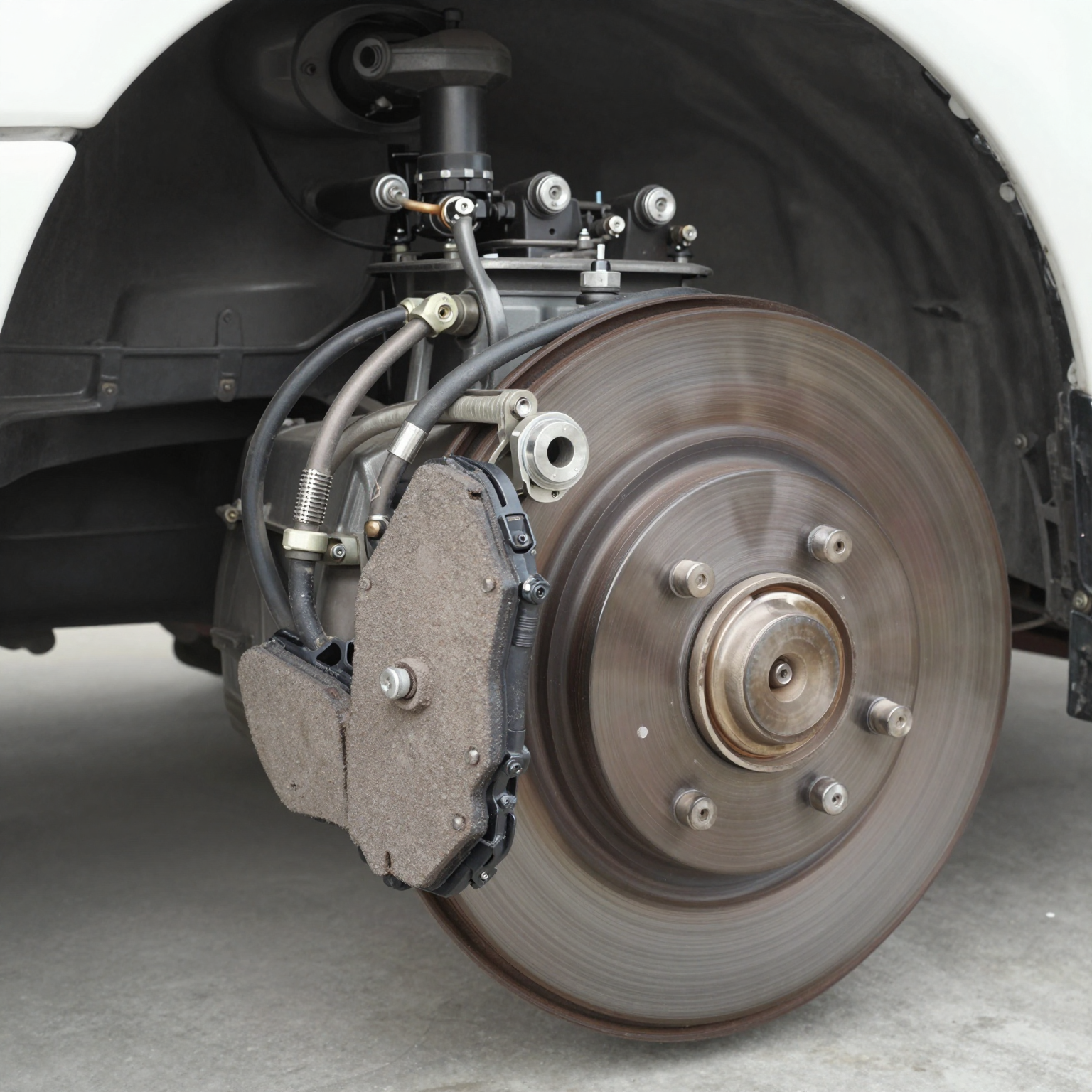
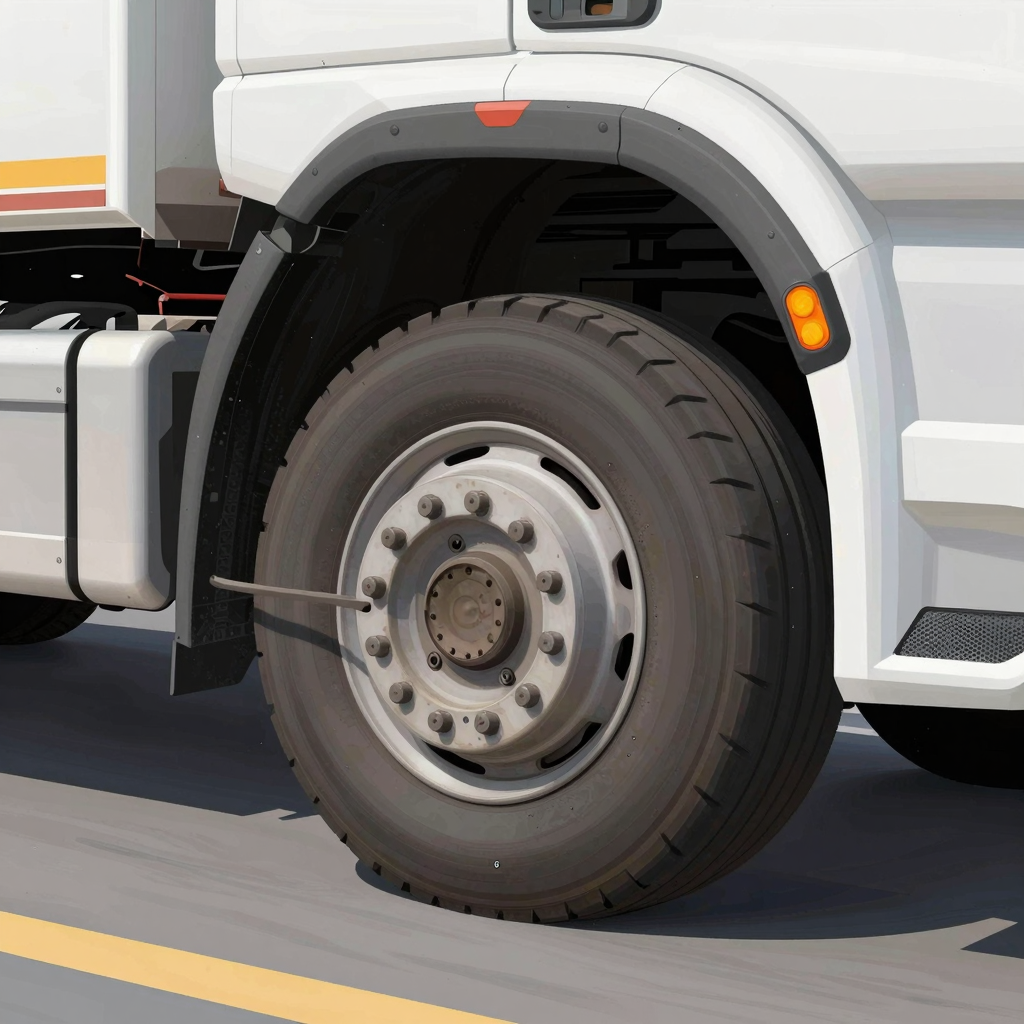
The image above provides a visual representation of a truck service brake system, illustrating important components such as brake pads, rotors, drums, air compressor, brake lines, and hydraulic lines. This helps the audience grasp the essential aspects of truck braking systems effectively.
For more in-depth insights into trucking services, explore the excellence of 5 Star Truck Inc. and discover our unparalleled services at 5 Star Truck Inc.!
Checklist for Maintaining Service Brakes on Trucks
Regular maintenance of service brakes is crucial for guaranteed safety on the road. Here’s an ordered checklist that truck drivers and fleet managers can follow:
- Check Brake Fluid Levels
- Ensure that brake fluid levels are within the manufacturer’s recommended range.
- Inspect Brake Linings and Pads
- Examine for wear and tear; replace them if they are below the minimum thickness.
- Verify Brake Adjustment
- Check if the brakes are correctly adjusted according to the vehicle specifications, preventing dragging or ineffective stops.
- Inspect Brake Discs and Drums
- Look for warping or cracks; ensure they are smooth and free from excessive grooving.
- Examine Brake Lines and Hoses
- Check for leaks, kinks, or damage. Replace any parts that show signs of deterioration.
- Test Brake Functionality
- Perform a brake test to ensure proper operation, especially under load conditions.
- Monitor Air Pressure Levels
- For air brake systems, ensure that air pressure levels are adequate for optimal brake operation.
- Clean the Brake Components
- Periodically clean brake components to eliminate dust and debris that can cause wear or malfunction.
- Schedule Regular Inspections
- Adhere to a regular inspection schedule based on mileage and manufacturer recommendations.
- Document Maintenance Activities
- Keep a log of all maintenance performed for compliance and performance tracking.
Ensuring your truck’s service brakes are well-maintained is not just a regulatory requirement; it’s a fundamental aspect of road safety. Regular checks and proactive maintenance can prevent serious accidents and costly repairs. For more on maintaining your truck’s performance, explore the excellence of 5 Star Truck Inc.
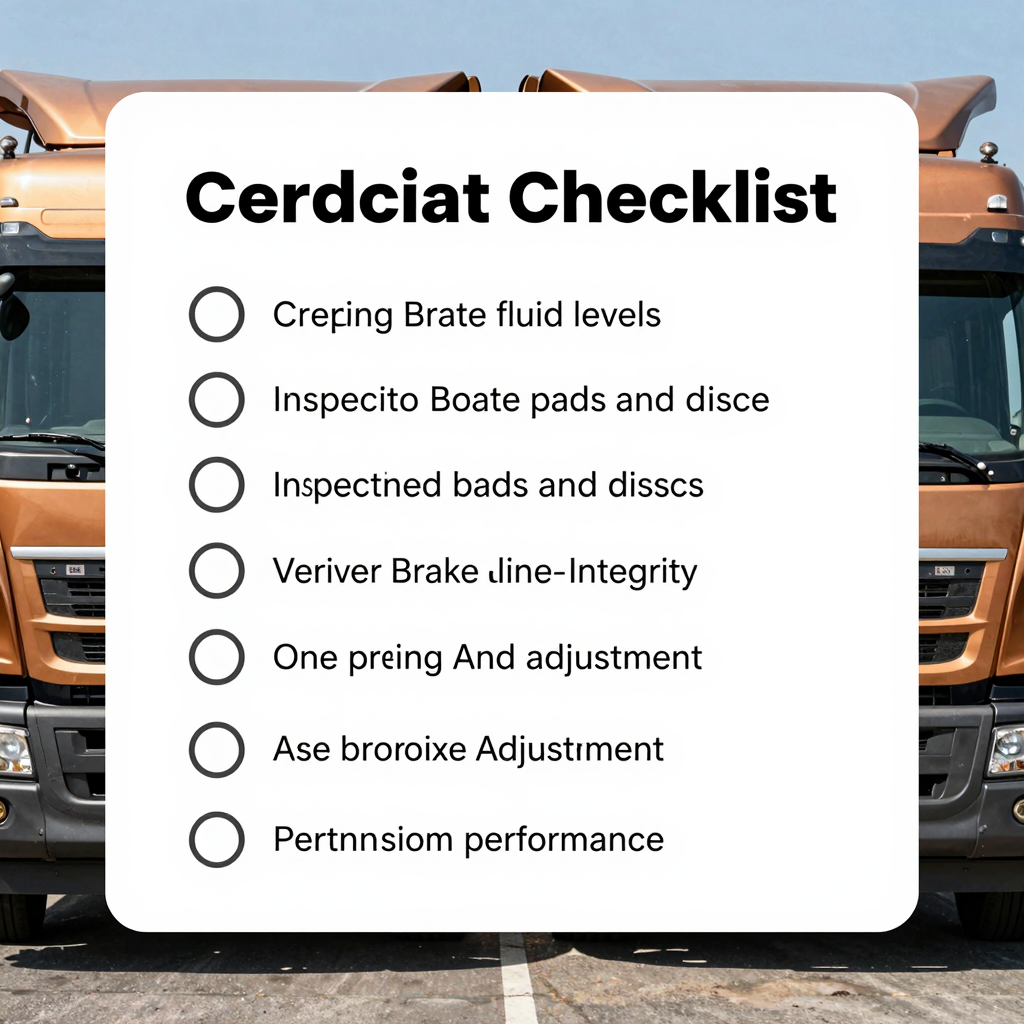
Image of a professional checklist for maintaining service brakes on trucks.
Understanding Service Brake Performance in Trucking
The performance of service brakes in trucking is a vital component of vehicle safety and operational reliability. Regular maintenance and effective brake performance are paramount for long-haul truck drivers and fleet management. Statistics reveal significant insights regarding service brake performance and its correlation with safety and accident reduction in the industry.
Brake Failure Statistics
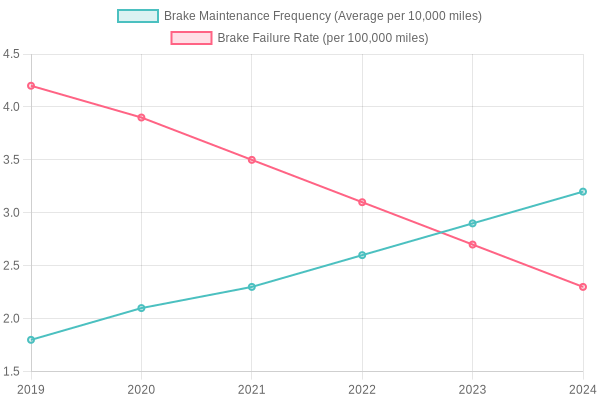
A study by the National Highway Traffic Safety Administration (NHTSA) indicates that brake failure is a leading mechanical factor contributing to truck accidents. Here are some key statistics:
| Year | Brake Maintenance Frequency (Average per 10,000 miles) | Brake Failure Rate (per 100,000 miles) | Source |
|---|---|---|---|
| 2019 | 1.8 | 4.2 | NHTSA, FMCSA Safety Data |
| 2020 | 2.1 | 3.9 | NHTSA, FMCSA Safety Data |
| 2021 | 2.3 | 3.5 | NHTSA, FMCSA Safety Data |
| 2022 | 2.6 | 3.1 | NHTSA, FMCSA Safety Data |
| 2023 | 2.9 | 2.7 | NHTSA, FMCSA Safety Data |
| 2024 | 3.2 | 2.3 | NHTSA, FMCSA Safety Data |
Note: Data reflects trends from U.S. commercial truck fleets based on inspections conducted under the Federal Motor Carrier Safety Administration (FMCSA) and data aggregated by the NHTSA. The correlation indicates that increased maintenance frequency is associated with a consistent decline in brake failure rates over time.
Implications of Brake Maintenance
Regular maintenance not only helps in reducing failure rates but also significantly impacts braking performance. According to a comprehensive review by SAE International, the average braking distance for fully loaded trucks is around 120 meters under ideal conditions. However, minor wear and inadequate maintenance can increase this distance by over 30%. This highlights the importance of timely repairs and routine checks to ensure that braking systems are functioning correctly.
Summary
To summarize, the statistics advocate for a robust maintenance schedule that includes regular brake checks and timely replacements of worn components. By adhering to recommended maintenance practices, trucking companies can not only enhance safety but also save costs associated with accidents and vehicle downtime. Understanding the guidelines for brake performance can lead to safer roads for all.
For more insights about trucking solutions, explore 5 Star Truck Inc.’s offerings.
Conclusion
In the world of trucking, the importance of service brake maintenance cannot be overstated. For long-haul truck drivers, fleet managers, and those in the truck maintenance and repair sectors, ensuring that service brakes are functioning optimally is critical for safety on the road. Poorly maintained brakes can lead to catastrophic failures, potentially causing accidents, injuries, and damage to cargo, while also increasing operational costs due to repairs and legal liabilities.
Regular inspection and maintenance not only extend the life of braking systems but also enhance overall vehicle performance, ensuring that truck drivers can rely on their vehicles in high-stakes situations. Investing in proper brake maintenance is an investment in safety, reliability, and peace of mind.
To support your commitment to safety, consider the exceptional services that Summit Fairings offers. They can assist you in maintaining your fleet to the highest standards, ensuring that your trucks stay safe and your drivers confident on every journey. Discover the unparalleled services of 5-Star Truck Inc. Stay safe on the road!
Cost of Brake Service vs. Accident Costs
Understanding the cost differences between routine brake maintenance and the financial repercussions of brake failures is critical for truck drivers and fleet managers. Regular brake service can prevent disastrous accidents and their associated costs.
Average Costs Breakdown
Here’s the average cost comparison:
| Category | Cost (USD) |
|---|---|
| Average Brake Repair Cost | $300 |
| Property Damage from Brake Failure | $4,500 |
| Injury Accident due to Brake Failure | >$30,000 |
| Collision due to Brake Failure | $17,800 |
Sources:
Implications of Brake Failures
The financial impact of an accident caused by brake failure far exceeds that of regular brake maintenance. While a brake service can range from $150 to $425, the costs associated with an accident can escalate to tens of thousands of dollars, encompassing repairs, medical fees, legal expenses, and insurance hikes.
Visual Comparison
To illustrate this financial disparity, here’s a bar chart comparing routine brake service costs to potential accident costs due to brake failure:
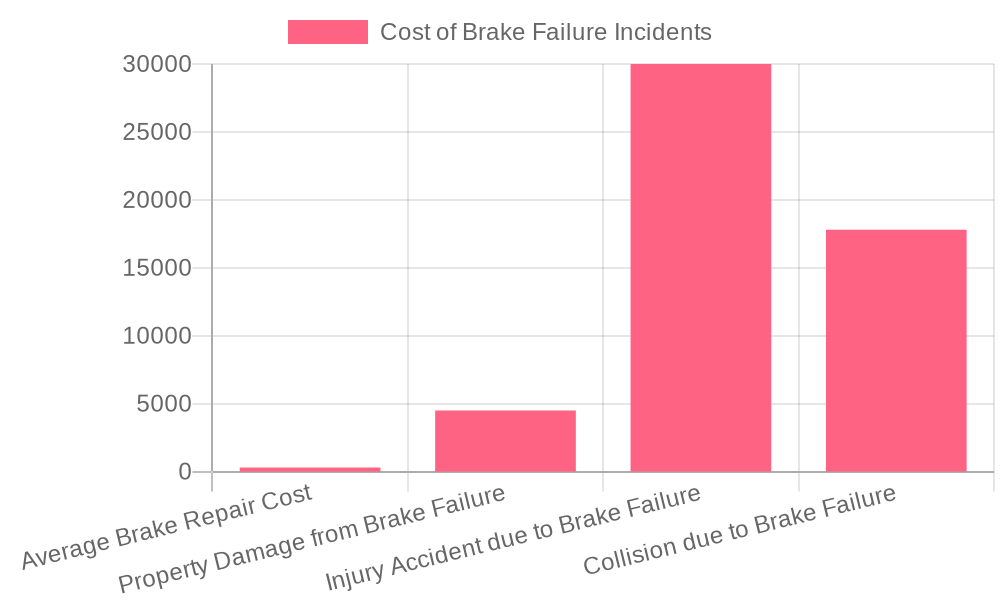
By investing in brake service, trucking professionals can mitigate risks and save considerably in the long run. It’s a crucial part of vehicle maintenance that assures safety on the road.
For those interested in comprehensive trucking solutions, learn more about 5 Star Truck Inc. and their commitment to maintaining high standards in trucking services.