

Understanding the meaning of ‘Service Master Dodge Truck’ is essential for anyone in the trucking industry, from long-haul drivers to fleet managers. Often misunderstood, this term connects to crucial maintenance notifications prevalent in Dodge’s vehicle lineup. In this article, we will delve into the significance of maintenance alerts, the models associated with Dodge trucks, and the implications of servicing these vehicles. The chapters that follow provide insights into each aspect, paving the way for better vehicle management and operational efficiency in the trucking business.
Understanding What Service Master Dodge Truck Means: Maintenance Notifications and Their Implications

When people encounter the phrase Service Master Dodge Truck, the first impulse is to treat it as a model name or a special program. In practice, that combination is almost always a misreading or a momentary confusion. The phrase does not designate a distinct vehicle category or a formal Dodge program. Instead, it points to a maintenance reminder that appears on a truck’s dashboard. In other words, this is less about a specific truck and more about the truck’s built‑in schedule for upkeep. The warning light or message is a nudge from the vehicle’s computer system. It signals that some routine maintenance is due soon or has just become overdue. Understanding this distinction matters because it shapes how a owner responds. Misinterpreting a maintenance reminder as a special feature or a model cue can lead to unnecessary concern or, worse, neglect of critical service tasks. The practical takeaway is straightforward: the term you are likely seeing is a maintenance cue, not a designation of a model line.
The maintenance reminder in question is usually represented by the familiar wrench icon in the instrument cluster. That wrench symbol is part of a broader language the vehicle uses to communicate with the driver. It is not an instruction to perform dramatic overhauls or to replace entire systems at random. Rather, it is a prompt to assess the car’s current service needs. The specifics behind that prompt—oil changes, tire rotations, brake inspections, belt checks, or other scheduled inspections—depend on the vehicle’s age, mileage, and the time elapsed since the last service. The system draws on data from the odometer and the maintenance history stored in the vehicle’s memory. It may also factor in how the vehicle is used. For example, a heavy-use pattern, frequent short trips, or extensive highway mileage can shift the recommended service window. The takeaway is simple: the presence of a Service reminder is not a mystery signal about a hidden feature. It is a routine maintenance cue with clear implications for safety, reliability, and efficiency.
Because the terminology can be confusing, it helps to reframe the idea. The word Master, in this context, is not a label for a premium variant or a specialized service package. It is better understood as a software descriptor indicating a comprehensive maintenance reminder. It signals that multiple service items may be due at once, or that a combined service assessment is warranted. Think of it as a prompt to look at the big picture of the vehicle’s health, not as a call to perform a single, isolated task. This interpretation aligns with how modern onboard diagnostic systems manage maintenance schedules. They are designed to prevent small issues from becoming larger problems. When coupled with odometer readings and calendar intervals, the maintenance reminder helps owners stay ahead of potential wear and tear.
For most owners, the practical steps after seeing a Service Master alert are straightforward and prudent. First, locate the owner’s manual section that explains the meaning of service messages. The manual provides model‑specific guidance on which items are due and how the system calculates service intervals. Second, review the vehicle’s current mileage and the time since the last service. If oil change intervals are approaching or if tires, brakes, or fluids have not been inspected recently, the prudent course is to schedule a service appointment with a certified technician. Third, consider whether any driving patterns might influence service needs. Short trips, dusty conditions, or heavy payloads can accelerate wear on drivetrain components and tires. These factors may cause the maintenance timer to advance more quickly than in a regular, mild-use scenario. This practical approach helps avoid two common pitfalls: delaying service and performing services too soon. Both can waste resources or fail to optimize the vehicle’s performance.
A broader point often overlooked is how maintenance reminders contribute to long‑term reliability. Routine upkeep supports smoother performance, better fuel efficiency, and more predictable operating costs. When owners listen to the service reminder and act promptly, they typically notice fewer unexpected breakdowns and less downtime. This is especially true for pickup trucks that are used in demanding conditions—whether for work, hauling, or rugged travel. The maintenance schedule keeps critical systems, such as the engine, transmission, cooling system, and braking hardware, operating within their intended design limits. When these systems are cared for in a timely fashion, the overall uptime of the vehicle improves. Owners may also experience enhanced resale value because a thorough service history serves as a tangible record of responsible maintenance. Service records often reassure future buyers that the vehicle has been cared for according to the manufacturer’s guidelines.
It is important to acknowledge that the Service Master notice is not a one‑time event. It can reappear periodically as the vehicle accumulates miles or time passes since the last service. This repetition is not a sign of impending doom but a reminder that maintenance is an ongoing process, not a one‑and‑done task. The best response is a proactive routine: keep a simple log of services, maintain a calendar for future maintenance windows, and coordinate with a trusted technician who can interpret the specific needs of the model and its configuration. In many cases, the service interval schedule will be available through the vehicle’s onboard interface, the manufacturer’s mobile app, or the dealer portal. Using these tools can help owners stay aligned with the recommended service cadence and avoid gaps in maintenance coverage.
From a safety standpoint, treating the maintenance reminder with measured seriousness is essential. Brakes, tires, steering, and suspension are all critical for control and stopping ability. If a service is due and not addressed, tire tread can wear unevenly, brake pads may thin, and fluids can degrade, affecting performance and safety margins. While it may be tempting to postpone service during a busy stretch, the consequences can extend beyond reduced efficiency. In worst‑case scenarios, overdue maintenance can contribute to mechanical failure or compromised handling in emergencies. This is where the reminder’s function becomes particularly meaningful. It is a built‑in, preventive tool designed to help owners keep the vehicle safe and reliable under a variety of conditions.
For drivers who want to understand the specifics behind their own maintenance reminders, there are practical resources beyond the manual. The vehicle’s information center, often accessible through the steering wheel controls or the center display, can present a maintenance summary. It may list due items, recommended intervals, and even potential dealer recalls or software updates. If the owner uses a smartphone app tied to the vehicle, that app can often provide an at‑a‑glance maintenance timeline, showing upcoming service milestones and allowing scheduling with a service center in a few taps. These digital aids complement the in‑car alerts, giving owners clearer, actionable insights while keeping the process convenient.
In discussions about maintenance messaging, it is also useful to recognize that such reminders reflect a broader industry practice. Across different vehicle segments, manufacturers rely on standardized service terminology and predictable maintenance windows to support safety and reliability. This shared approach helps technicians diagnose issues more efficiently and enables owners to make informed decisions about care. When the term Service Master appears, it is a cue that the vehicle’s health is at a point where a professional assessment is wise. The goal is not to alarm but to invite a structured check that either confirms everything is within spec or identifies items that require attention. In either case, the outcome is better vehicle performance and greater peace of mind for the owner.
As you navigate the maintenance pathway, it can be helpful to frame the process in a familiar context. Maintenance reminders are common in many vehicle types, from daily drivers to work trucks. They are not exclusive to a single brand or model. The critical idea is that the reminder represents an opportunity to verify that key components have been inspected and serviced according to the vehicle’s design specifications. If you encounter the message while preparing for a long trip or a heavy load, it is especially prudent to address it sooner rather than later. A quick inspection of tires, a check of fluid levels, and a confirmation that the brakes are sound can make a substantial difference in performance and safety on the road or job site. In this sense, the Service Master cue serves a practical, everyday function rather than signaling anything more exotic or esoteric about the vehicle.
To connect this discussion to broader maintenance education, consider how maintenance vocabulary travels across vehicle types. The concept of a comprehensive service reminder—an integrated prompt that can trigger multiple checks at once—appears in various training resources and technical materials. For example, have a look at fire‑truck maintenance training resources that emphasize systematic upkeep. These materials illustrate how regular maintenance messaging shapes readiness and reliability in high‑duty contexts. You can explore this idea further through a resource like fire-truck maintenance training, which covers the importance of timely inspections, scheduled service, and documented follow‑ups. fire-truck-maintenance-service-training
For those seeking authoritative, model‑specific guidance, the best step is to consult the manufacturer’s official resources. These sources provide precise definitions for the maintenance items that are due at particular mileage points and time intervals. They also offer model‑specific recommendations for service centers, parts, and service intervals. Access to the official information helps ensure that you address the correct maintenance tasks at the correct times. If you want direct, formal guidance, you can refer to the manufacturer’s official channel at https://www.dodge.com. This resource hosts owner manuals, service schedules, and contact points for authorized technicians, all designed to help you interpret the Service Master signal correctly and act with confidence.
Decoding the Service Master Dodge Truck: Maintenance Light, Ram Lineage, and the Hidden Model Myth

On dashboards or in casual talk, the phrase \”Service Master Dodge Truck\” can sound like a mysterious model name. In reality, it is usually a maintenance reminder, not a new badge or edition. The word \”Service\” lights up to signal that a vehicle is due for scheduled attention—oil, fluids, inspections, or other intervals. This cue is common across brands; the form of the reminder is a practical tool rather than a marketing badge. The addition of the words \”Master\” and \”Truck\” can fuel speculation: is it a special trim, a limited edition, or something else? The truth lies in maintenance language, not a hidden model.\n\nIt is not a Dodge-specific conspiracy; it reflects how the broader pickup lineage has evolved, with Ram becoming a distinct brand and Dodge focusing on other segments. The maintenance reminder sits alongside branding history: yesterday’s Dodge heavy-duty trucks, today’s Ram-branded pickups, and a market that pressures automakers to separate legacy names from current product lines. The key point is simple: the message is a reminder to service, not a model identification.\n\nIn practice, owners should consult the owner’s manual or the dealer; service intervals depend on vehicle usage. If towing, short trips, or severe conditions, service may be due sooner. The warning light is about reliability and safety, not a sign of a new product. The phrase often appears online as a myth; the reality is that there is no hidden \”Service Master Dodge Truck\” model.\n\nFor readers researching branding history, this reminder provides a snapshot: branding evolves, while basic maintenance duties remain constant. For up-to-date information about current offerings and guidance, refer to the official manufacturer site and service manuals.
Reading the Service Light: Maintenance Alerts and the Lifespan of a Popular Pickup
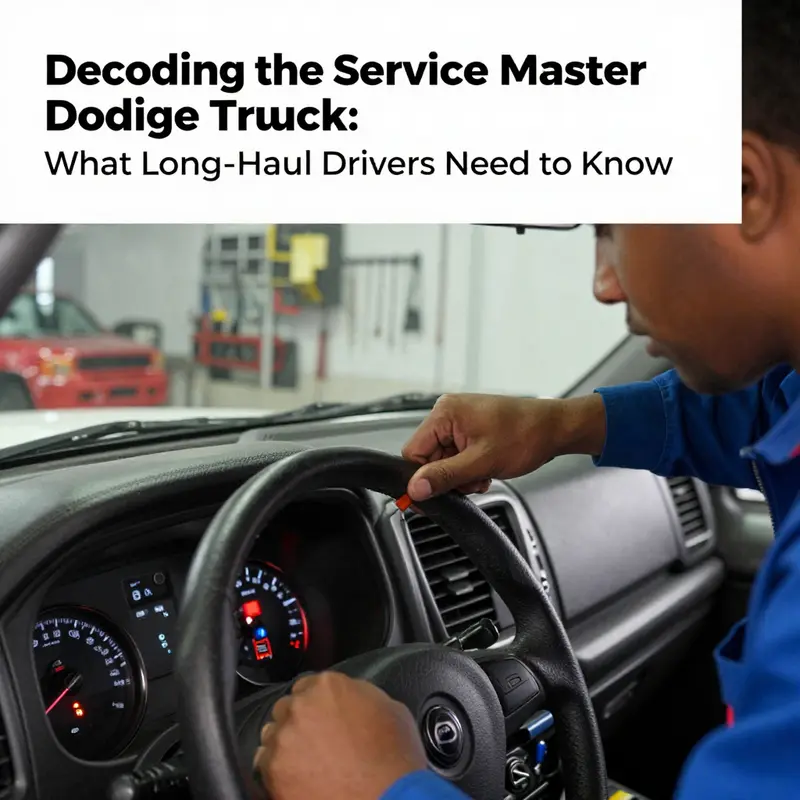
When a dash light flickers on a pickup from a well-known American brand, it can feel like a small alarm in the quiet machinery of daily life. The moment is a crossroad: ignore it and risk a gradual decline in performance, or address it promptly to keep the vehicle stronger, longer, and safer on the road. A common misread is to treat the phrase “Service Master” as signaling a specific model. In reality, that construction rarely points to a truck designation. More often, “service” is a maintenance cue—a reminder light designed to prompt action on routine care. Understanding this distinction matters because it reframes the conversation from chasing a mysterious code to embracing a disciplined approach to vehicle upkeep. The service light is not a verdict about the vehicle’s identity; it is a health check from the vehicle’s built-in systems, nudging the operator toward preventive care that protects safety, performance, and value.
In many vehicles, the service light—often depicted as a wrench symbol—acts as a translator between engineering and driving decisions. It is not a single diagnosis but a prompt that the vehicle’s maintenance schedule has reached a milestone or that a subsystem has detected an issue early enough to merit inspection. The light’s appearance does not automatically imply an imminent breakdown; rather, it signals that something in the chain of systems requires human attention. The distinction here is between a maintenance reminder and a fault indication. A reminder could be as routine as an oil change after a set mileage, while a fault code may illuminate a more urgent condition that requires expert evaluation. Either way, the light is a communication from the vehicle to the driver, and listening to that communication is fundamental to preserving reliability.
To interpret the moment correctly, one should recognize common maintenance targets in modern pickups: oil and filtration, brakes, cooling, and tires. The engine relies on clean oil to lubricate moving parts, minimize wear, and dissipate heat. When the oil life indicator shows fatigue or the oil level is low, the reminder light can come on to prompt an oil change. Air, fuel, and oil filtration systems demand attention because clogged filters sap performance and efficiency. The brake system, brake fluid levels, and pad wear state are common triggers for service reminders, because brakes are central to safety. The cooling system, cooling fans, and radiator work together to prevent overheating, and any anomaly in that loop can light a warning that urges inspection. Tire pressure monitoring and wheel alignment often appear under the same maintenance canopy, since tires influence handling, efficiency, and braking distance.
Beyond these familiar items, modern pickups accumulate a ledger of potential triggers. The service light may reference transmission fluid integrity, steering and suspension components, belts, hoses, and battery health. The onboard diagnostics listen to sensors across the drivetrain and chassis, so a sensor that detects an irregular pattern—a misfire, a fuel system irregularity, or an emissions concern—can illuminate the service light even before a dashboard warning becomes obvious. In short, the service light is not a single message but a bundle of signals that converge on one principle: routine maintenance matters, and timely attention prevents small problems from becoming expensive repairs.
There is a broader purpose to treating maintenance with discipline. The manufacturer’s schedule is the result of engineering, testing, and real-world experience. It typically includes regular oil and filter changes, checks of the cooling system and brake fluids, transmission fluids, differential fluids, air filters, and belts. The goal is not to chase a calendar for its own sake but to align vehicle health with the life cycle of parts that wear naturally. This alignment helps prevent accelerated wear, reduces the likelihood of roadside incidents, and maintains fuel efficiency. When the service light comes on, it is a cue to pause, review the maintenance schedule, and plan a visit to a qualified technician who can interpret the light in the precise context of that truck.
The practical steps after the light appears are straightforward. First, consult the owner’s manual to determine whether the light is a general reminder or tied to a specific subsystem. If it’s routine maintenance, a scheduled service at an authorized center can fulfill the requirement and keeping a detailed service history becomes valuable for resale. If the light is tied to a fault code, a diagnostic scan will identify the subsystem involved. In either case, perform a quick physical check when safe: check oil level and condition, inspect coolant level, verify brake fluid level, and ensure tires are inflated to the recommended pressures. These checks are not substitutes for professional service but empower a driver to confirm whether an immediate danger exists and to communicate more effectively with the technician.
Manufacturers also equip trucks with smart diagnostics that monitor critical components and update owners through the service system. This integration helps pinpoint anomalies early and informs the technician what to inspect first. The result is a more efficient service visit and a higher likelihood of returning the vehicle to peak condition promptly. Yet human judgment remains essential. Even with a diagnostic loop, the wisdom of a trained technician who can interpret fault codes in context—environment, driving habits, and maintenance history—is indispensable. The service light becomes a disciplined prompt rather than a perilous omen, guiding ownership toward proactive maintenance rather than reactive repairs.
From a safety perspective, regular maintenance supports roadworthiness. National safety authorities emphasize the link between upkeep and reliability. While a single statistic does not capture every nuance, the overarching message is consistent: staying current with service intervals and promptly addressing maintenance reminders lowers the probability of unexpected malfunctions and contributes to safer driving for everyone on the road. A well-kept maintenance history also preserves performance and can enhance resale value, signaling to prospective buyers that the vehicle has been cared for with attention to detail.
For readers seeking broader context, industry perspectives on maintenance training and routine checks can be insightful. See fire-truck-maintenance-training-importance for a complementary view on disciplined maintenance in demanding environments. As you apply the guidance to your brand’s pickup, remember that the service light is not a call to panic. It is a call to discipline, a prompt to verify, and an invitation to partner with qualified technicians in safeguarding your vehicle’s performance.
External resource for further reading: National Highway Traffic Safety Administration (NHTSA) — Vehicle Maintenance and Safety: https://www.nhtsa.gov/vehicle-maintenance-and-safety
Decoding the Service Light on a Dodge Truck: A Practical Guide to Maintenance Responsibility and Vehicle Longevity

The phrase “Service Master Dodge Truck” often circulates in forums and garage stalls as if it refers to a special model or a status indicator, when in fact the most common reality is far simpler and more practical. For many Dodge Ram owners, the words they actually see light up on the instrument cluster are a reminder—not a diagnosis. The service light, sometimes depicted as a wrench icon or a specific message on the dash, signals that the vehicle is due for scheduled maintenance. It is a cue to perform routine tasks that protect performance, safety, and reliability. In that sense, the service light operates as a steadying force in the ongoing relationship between a truck and its owner: a prompt to invest a little time and attention today so the truck remains dependable tomorrow. Understanding this distinction—the light as a reminder, not a mystery fault code—helps owners approach maintenance with a calm, proactive mindset rather than a sense of alarm or confusion.
To begin, it helps to remember that modern Dodge Ram trucks rely on a maintenance schedule that is tied to mileage and time intervals. These schedules are designed by the manufacturer to respond to the realities of wear and exposure that come with real-world use. An illuminated service light does not point to a single, specific problem; instead, it indicates that one or more maintenance tasks should be reviewed or completed. The possible items span a spectrum: an oil-and-filter change, tire rotation or alignment check, brake inspection, fluid level top-offs, air and cabin filter replacements, coolant and transmission fluid checks, and belts or hoses that show signs of wear. The exact needs depend on model year, engine type, and driving conditions. In practice, a Dodge Ram owner might see the light come on around a scheduled interval, perhaps accompanied by a message on the driver’s information center that lists the due items. The presence of the light is a reflection of a maintenance plan at work, not a verdict on an instantaneous malfunction.
With that framing in mind, the practical next step for any owner is to consult the owner’s manual. The manual translates the maintenance philosophy behind the light into concrete, model-specific guidance. It explains how Dodge designs service intervals and what tasks are considered routine at each milestone. In many modern Ram trucks, the maintenance system also includes a digital tracker that updates as service is performed, and in some cases a maintenance reset option appears after the required work is completed. This reset feature is not a shortcut to avoiding work; it is a way to realign the reminder with the truck’s actual maintenance history. Resetting the light without performing the recommended work undermines the purpose of the system and can pose risks to reliability and, in certain warranty scenarios, may complicate coverage. A prudent owner treats the reset as contingent on completion of the tasks specified by the manufacturer, rather than as a means to silence a reminder.
The emotional and practical impact of a service light goes beyond the immediate maintenance task. When it illuminates, it nudges owners to confirm several fundamentals: Are tires wearing evenly? Is the tread depth adequate? Are there any unusual sounds or sensations when braking or accelerating? How are the fluid levels—engine oil, coolant, brake fluid, power steering fluid, and transmission fluid? Does the battery show signs of weakness or slow cranking? These questions connect routine maintenance to safety and performance. The service light, viewed through this lens, becomes less about a single obligation and more about a cycle of care that sustains the vehicle’s behavior under all kinds of weather and road conditions. It also reinforces a broader discipline: planning ahead. Regular maintenance is easier and cheaper when it is scheduled rather than when it becomes an urgent emergency triggered by a breakdown.
Owners approaching this reminder thoughtfully often discover the value of a two-tier maintenance approach. First is the basic, essential maintenance—oil changes, filter replacements, fluid checks, and brake inspections—that directly supports engine health, braking performance, and overall reliability. Second is a broader, longer-term check that anticipates wear items and potential vulnerabilities that can accumulate over time. This includes evaluating tire condition and alignment, inspecting belts and hoses for cracks or wear, and monitoring battery health as temperatures fluctuate. The deeper you dive into the maintenance plan, the more you can prevent performance dips that might otherwise surprise you on a long trip or during a demanding workday. The service light is not a verdict on what’s wrong with the truck; it is a nudge toward a thoughtful, documented routine that aligns with a driver’s needs and a vehicle’s requirements.
A useful mindset for Dodge Ram owners is to translate the reminder into a clear, actionable plan. Start by checking the manual for the recommended maintenance intervals specific to your truck’s year and engine. Note the typical items that should be reviewed at each interval and create a simple calendar or digital reminder system. Digital tools—whether a calendar app, a maintenance tracker, or dealership reminders—can help you stay organized. The objective isn’t to chase every minor alert but to address the tasks that Dodge identifies as routine at the appropriate milestone. If you’re ever in doubt about what the light is trying to tell you, a quick call to a certified technician or a visit to a dealership service department can clarify which items are due. A technician can provide a practical assessment: whether the oil life indicator has truly reached its end, whether tire pressure has fallen below recommended thresholds, or whether a more comprehensive inspection is warranted because of unusual driving conditions or recent repairs.
In this context, it’s important to acknowledge how the maintenance reminder relates to warranties and overall vehicle health. Resetting the light is not a magic eraser for unfinished work. Most modern warranties require that scheduled maintenance be performed at prescribed intervals to maintain coverage. Skipping or delaying service can complicate warranty claims, particularly if a failure is later linked to neglected maintenance. The responsibility, then, extends beyond the immediate drive to long-term protection of the investment you’ve made in the truck. A disciplined approach—keeping records, using a reputable service provider, and following model-specific guidance—strengthens both safety and resale value. The experience of maintenance becomes less about a single moment of illumination and more about a consistent pattern of care that supports reliable performance across seasons and miles.
To bring this idea into a practical, everyday practice, many drivers find it helpful to view the service light as part of a larger maintenance culture. Building that culture often means using a simple, repeatable ritual each time the light comes on. First, confirm the current mileage and the time elapsed since the last service. Second, consult the owner’s manual or a trusted service guide to identify which tasks are due. Third, schedule the needed service with a qualified technician or, if you are equipped, perform the basic checks yourself—oil level, fluid top-offs, tire condition, and brake pads when visible. Even if you plan to address many items at a dealership, you can still do preliminary checks to avoid unnecessary trips or delays. The result is a smoother, more reliable ownership experience, with fewer surprises and less chance of being stranded by preventable issues.
An underlying theme in this approach is the distinction between maintenance reminders and actual faults. A service light does not imply a dangerous malfunction nor does it condemn the vehicle to an immediate repair bill. It signals that a maintenance window has opened, within which one or more routine tasks should be completed. This distinction matters because it shapes how a owner interacts with the vehicle. Rather than reacting with alarm, the owner can respond with method, preparation, and attention. In turn, that methodical response contributes to a safer drive, better fuel efficiency, and more consistent performance. The maintenance calendar thus becomes less a burden and more a tool for safeguarding the truck’s longevity. The light, in this sense, becomes a partner in responsibility rather than a source of mystery.
For owners who want to explore a broader context of maintenance practices and the mindset behind keeping critical equipment in top shape, there are resources that discuss maintenance as a discipline. See, for example, a dedicated maintenance training resource that emphasizes consistent upkeep across heavy-duty vehicles. While the application may differ between fire apparatus and consumer trucks, the core idea remains valuable: maintenance readiness reduces downtime and extends life. You can explore such a resource here: fire-truck-maintenance-service-training. This example underscores a universal principle—rigorous maintenance thinking translates across vehicle types and industries—and it serves as a practical reminder that disciplined maintenance habits are a sign of a responsible owner, not a sign of needless fuss.
If you want the most authoritative, model-specific guidance, turn to the maker’s official guidance. The Dodge official service and maintenance guide consolidates recommendations for different model years and engine configurations, offering a clear framework for what should be done and when. The emphasis is on aligning your actions with the manufacturer’s expectations, thereby preserving performance while respecting warranty terms. You can consult the Dodge Official Service and Maintenance Guide for comprehensive, up-to-date instructions. Dodge Official Service and Maintenance Guide mirrors the principle that maintenance is a collaborative practice between vehicle design and owner stewardship.
In summary, the “Service Master Dodge Truck” phrase is more accurately understood as a maintenance prompt rather than a model label. The service light is a built-in reminder to perform routine care—oil changes, inspections, fluid checks, and component wear assessments—so the truck continues to perform safely and efficiently. Interpreting the reminder begins with the owner’s manual, continues with practical checks and scheduling, and culminates in a disciplined maintenance habit. This habit protects not only the vehicle’s operation but also the broader safety and reliability that a daily driver relies on. By treating the service light as a constructive signal rather than a source of anxiety, Dodge Ram owners can approach maintenance with clarity, stay ahead of potential issues, and keep their trucks ready for whatever roads lie ahead.
Untangling ‘Service Master’ in Pickup Maintenance

When you see ‘Service Master’ in a pickup context, it usually refers to maintenance tools or procedures rather than a specific truck model.
The maintenance reminder light signals that scheduled service is due, while ‘Service Master’ can describe a diagnostic system, service software, or shop workflow rather than vehicle identity.
The key takeaway is to follow OEM maintenance intervals and rely on authorized manuals and technicians to perform the work, protecting safety and resale value.
Final thoughts
The term ‘Service Master Dodge Truck’ often leads to confusion, yet its core concept relates to the essential maintenance notifications within the Dodge truck lineup. Understanding these signals is crucial for long-haul drivers, trucking company owners, and fleet managers alike. By staying proactive about service alerts, ensuring regular maintenance, and accurately interpreting warning lights, you can maintain the reliability and performance of your Dodge truck. Embracing these practices not only leads to a smoother driving experience but also extends the longevity of your fleet.