
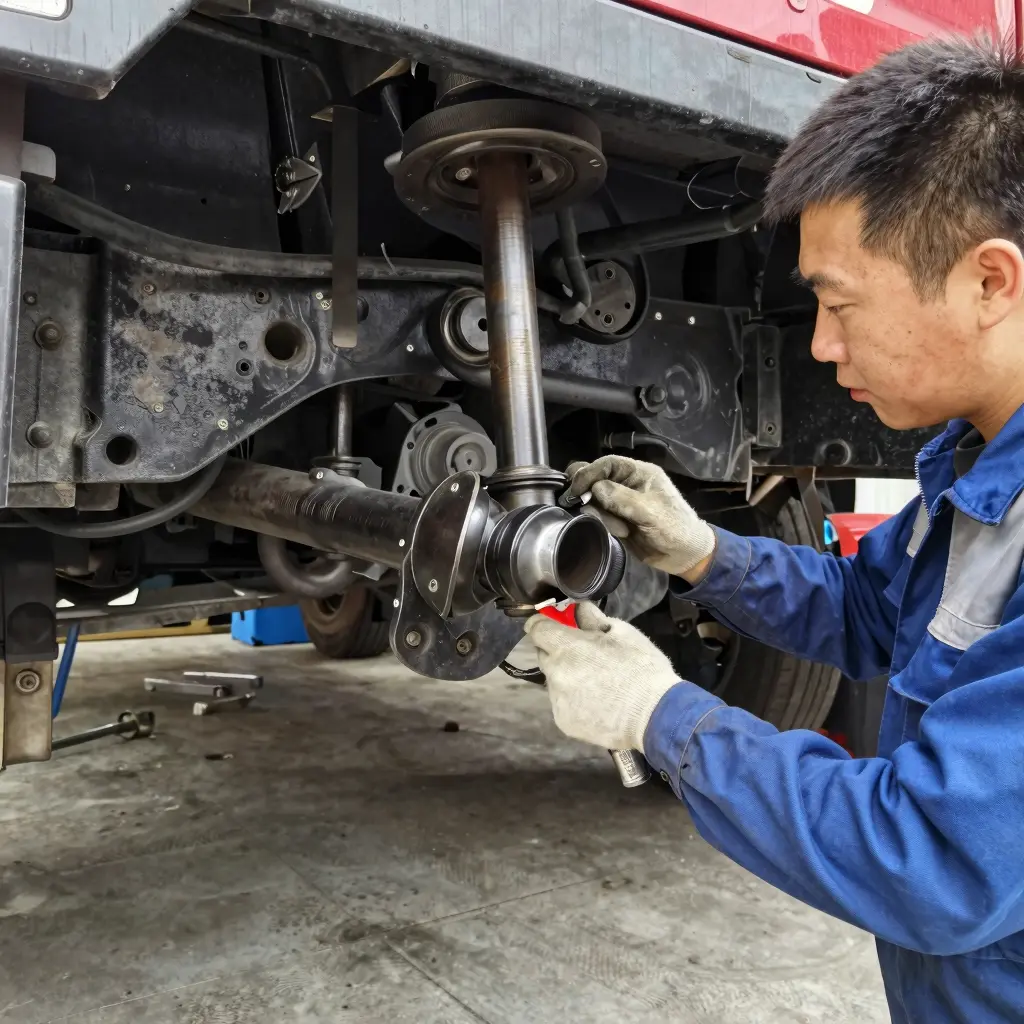
When it comes to maintaining the performance and safety of your truck, never underestimate the importance of servicing the rear universal joint. It’s an essential component responsible for transferring torque and allowing for the flexibility needed during turns. Neglecting this crucial part can lead to increased wear and tear on your vehicle, ultimately affecting performance on the road-something every truck driver should prioritize. Trucking under heavy load on long-haul routes can exacerbate the wear and tear on your universal joint, leading to potential safety hazards such as vibrations, clunky movements, or even premature part failure. Be on the lookout for common signs of wear, like unusual noises, vibrations during operation, or even a noticeable decrease in handling control. Catching these issues early can save you from costly repairs down the line and keep your truck running smoothly. So, let’s dive deeper into the specifics of servicing your rear universal joint and understanding the associated costs!
For further insight on high-quality service solutions, explore 5-Star Truck Inc. and see how they can support your trucking needs.
Signs Indicating When the Rear Universal Joint Needs Servicing
If you’re a truck driver or fleet manager, it’s vital to maintain your vehicle’s essential parts like the rear universal joint (U-joint). Here are some key indicators that suggest your truck’s rear universal joint requires servicing:
- Unusual Noises: If you hear clunking, squeaking, or grinding sounds when accelerating or decelerating, this may indicate a failing U-joint.
- Vibrations: Noticeable vibration in the vehicle, especially when driving at higher speeds, can be a telltale sign that the U-joint isn’t functioning properly.
- Play in the Driveshaft: Any excessive movement in the driveshaft can point to a loose or worn-out U-joint. Inspecting the joint for play is crucial.
- Rust or Dust Accumulation: A buildup of rust-colored dust around the U-joint is often a sign of wear and can act as a visual indicator that it needs servicing.
- Difficulty Steering: If there are challenges when steering, particularly with tight turns, this can be related to issues with the U-joint.
- Excessive Wear on Other Components: If you’re experiencing premature wear on other drivetrain components, the U-joint may not be distributing forces correctly, leading to additional stress.
Regular maintenance and prompt servicing can help avoid severe damage and enhance the longevity of your truck. If you need assistance, consider exploring 5-Star Truck Inc.’s services.
The Role of the Rear Universal Joint in Truck Operation
The rear universal joint, often referred to as a U-joint, is a critical component in the operation of trucks, especially those with rear-wheel and four-wheel-drive systems. This small yet essential device serves as a connector between the drive shaft and the axle. The primary function of the rear universal joint is to facilitate the transfer of torque from the engine to the wheels while allowing for necessary flexibility during motion.
Connectivity and Flexibility
-
Transfer of Power: The rear universal joint connects the drive shaft to the rear axle. As the engine generates power, the universal joint plays a vital role in transmitting that power smoothly to the wheels. This transmission allows the vehicle to move efficiently, particularly when navigating uneven terrain or making sharp turns.
-
Angular Movement: One of the key features of a universal joint is its ability to accommodate angular movement. Trucks often encounter various road conditions, which can lead to changes in the angle of the drive shaft. The rear universal joint allows the drive shaft to rotate at various angles without hindering the flow of power. This flexibility is crucial for maintaining driveability, as it prevents binding and reduces the risk of mechanical failure.
Importance for Driveability and Performance
The condition of the rear universal joint is directly linked to the overall performance of the truck. A well-maintained U-joint ensures smooth operation, enhances fuel efficiency, and contributes to a more comfortable driving experience. Conversely, a worn or faulty universal joint can lead to vibrations, reduced power transfer, and even severe driveline damage. Consequently, regular inspections and timely servicing of the rear universal joint are essential for long-haul truck drivers, fleet managers, and trucking company owners.
In conclusion, the rear universal joint may be a small part, but its function is vital for the reliability and efficiency of truck operations. Proper maintenance of this component not only increases the lifespan of the truck but also enhances safety on the road. For more insights on serviceability and reliability, you can explore 5 Star Truck Inc. for quality service and maintenance solutions.
Understanding the Rear Universal Joint
Typically located at the rear of a truck’s drive shaft, the rear universal joint (U-joint) is crucial for ensuring the smooth transmission of power from the engine to the wheels. By allowing for flexibility in alignment, it helps accommodate the natural movement of the truck while driving, especially over bumpy roads. Maintenance of this component is key to a truck’s overall performance and safety.
Keep in mind that failing to service the rear universal joint can lead to vibrations, excessive wear, or even drive shaft failure. Regular inspections, replacements, and maintenance can help ensure that this vital component functions properly.
For more information on truck service and reliability, you can explore the excellence of 5 Star Truck Inc. or discover unparalleled services offered by the company.
Maintenance Intervals for Rear Universal Joints
Maintaining the rear universal joints (U-joints) in trucks is crucial for the longevity of the vehicle’s drivetrain and overall safety on the road. Regular service of these components is not just a best practice; it is essential to prevent costly repairs and downtime. Here are some general guidelines and factors that influence how often truck drivers should service their rear U-joints.
Recommended Maintenance Frequency
- General Guidelines: It is generally recommended that truck drivers service their rear universal joints every 30,000 to 50,000 miles or every 6 months, depending on usage conditions. This routine should include inspection as well as lubrication of the joints.
- Lubrication: For vehicles that are frequently loaded or used in harsh conditions, more frequent lubrications may be necessary-potentially every 15,000 miles. Regular lubrication is vital to reduce wear and prevent overheating.
Factors Influencing Maintenance Frequency
- Usage Conditions:
- Driving Environment: Trucks that operate in rough terrains (gravel roads, off-road conditions) or in extreme temperatures may experience more wear and tear on the U-joints.
- Load Variability: Heavily loaded trucks place additional stress on U-joints, necessitating more frequent inspections and servicing.
- Vehicle Type:
- Long-Haul Trucks vs. Light-Duty Trucks: Long-haul trucks that consistently travel long distances can lead to faster degradation of U-joints compared to light-duty vehicles. Thus, their maintenance intervals might need to be shorter.
- Fleet Operations: Trucks in fleet operations, used for various purposes such as transport and delivery, may require tailored maintenance schedules based on individual vehicle needs.
- Driving Habits:
- Driver Behavior: Smooth accelerations and deceleration can extend the life of U-joints, while aggressive driving can increase wear. Fleet managers should therefore consider driver training as part of their maintenance strategy.
Conclusion
Taking these factors into account can help truck drivers and fleet managers develop a customized maintenance schedule that keeps their vehicles running smoothly and safely. The focus should be not only on routine checks but also on adapting to changing conditions and usage patterns. For further insights into professional trucking services, consider exploring the excellence of 5 Star Truck, Inc..
Regular attention to U-joint maintenance will enhance the longevity of your truck’s drivetrain and ensure safer journeys on the road!
Comparing Costs of Servicing Rear Universal Joints
When it comes to servicing rear universal joints in trucks, costs can vary significantly depending on the service provider, the type of vehicle, and the specific scope of work required. Below is a comparison of average costs from various service centers, including both parts and labor prices. This information can help long-haul truck drivers, trucking company owners, and fleet managers make informed decisions regarding maintenance and repairs.
| Service Provider | Average Parts Cost | Average Labor Cost | Total Estimated Cost |
|---|---|---|---|
| RepairPal | $200 – $250 | $100 – $150 | $300 – $400 |
| MyCarMakesNoise | $100 – $200 | $100 – $140 | $200 – $340 |
| Lillian’s Road | $260 – $750 | $150 – $190 | $410 – $940 |
Key Insights:
- RepairPal provides an average estimate that ranges from $300 to $400, considering both parts and labor which is quite standard for universal joint servicing.
- MyCarMakesNoise suggests a lower range, estimating total costs between $200 and $340, which highlights possible variations based on labor rates and part quality.
- Lillian’s Road indicates a broader range where high-quality parts could reach over $750, driving total costs higher, reflecting the variability based on location and service complexity.
Note: Prices can fluctuate based on the specific truck model and location. Always consult with local service providers for the most accurate estimates.
For more detailed insights into maintaining your truck, feel free to explore our premier trucking solutions or discover our unparalleled services.
Insights from Professional Truck Mechanics on Servicing Rear Universal Joints
When it comes to maintaining the performance and longevity of a truck’s rear universal joints (U-joints), experienced mechanics offer invaluable insights. Here are some best practices and tips directly from professionals in the field.
Understanding the Importance of Maintenance
Universal joints are essential components in a truck’s drivetrain, facilitating the transfer of engine power to the wheels while accommodating movements of the vehicle. According to a seasoned mechanic from VehicleServicePros, “A common misunderstanding is that U-joints are ‘universal’ in their servicing. In reality, each joint has specific requirements based on make and model. Consistent and proper servicing is key to preventing breakdowns during transit.”
Tips for Servicing U-Joints
-
Regular Inspections: Frequent checks are critical. Mechanics recommend that truck drivers and fleet managers include U-joint inspections in their routine maintenance schedules, ensuring that wear does not go unnoticed. “It’s not just about replacing parts but understanding when they need attention,” emphasizes an experienced fleet manager.
-
Proper Lubrication: Ensuring the U-joints are adequately lubricated helps minimize wear and tear. “Always use the recommended grease and follow the service intervals,” states another mechanic from GlobalSpec. “Sealing must be tight to keep contaminants out and grease in.”
-
Alignment and Installation: Proper alignment during installation is crucial. “If you don’t get the alignment just right, it doesn’t matter how good the U-joint is; it will fail prematurely,” advises a mechanical expert from wikiHow.
Conclusion
In summary, the maintenance of rear universal joints in trucks is not merely a mechanical task but an essential part of ensuring vehicle reliability and safety. By adhering to these expert insights and recommendations, truck drivers, owners, and maintenance specialists can enhance efficiency and reduce the likelihood of costly repairs down the line. These strategies are indispensable for keeping long-haul vehicles running smoothly.
For a deeper understanding of service excellence, visit 5 Star Trucking to explore top-tier solutions in trucking services.
Step-by-Step Guide to Inspecting Your Rear Universal Joint
Inspecting the rear universal joint is crucial for maintaining the performance and safety of your truck. Here’s a straightforward guide that all truck drivers can follow.
Step 1: Gather Your Tools
- Safety gloves
- Floor jack and jack stands
- Inspection mirror
- Flashlight
- Torque wrench
Step 2: Prepare Your Truck
- Park on a Level Surface: Ensure that your truck is parked on a level surface to prevent it from rolling.
- Secure the Vehicle: Engage the parking brake and place wheel chocks under the front wheels.
- Lift the Vehicle: Use a floor jack to elevate the rear end and securely place jack stands underneath for safety.
Step 3: Visually Inspect the Universal Joint
- Locate the Universal Joint: Position yourself under the truck and locate the rear universal joint on the driveshaft.
- Check for Visible Damage: Look for any signs of physical damage such as cracks or excessive rust.
- Assess the Grease: Ensure that the grease fittings are lubricated and that there isn’t any dried grease or dirt buildup.
Step 4: Manual Inspection
- Wiggle Test: Grasp the driveshaft near the universal joint and shake it side-to-side and up-and-down. There should be minimal movement; excessive play indicates wear.
- Listen for Noises: Rotate the driveshaft while listening for any clicking or popping sounds that could indicate a failing joint.
Step 5: Evaluate Symptoms of Wear
Below are common symptoms of worn or damaged universal joints:
| Symptoms of Worn or Damaged Universal Joints | Implications for Maintenance |
|---|---|
| Unusual noise during operation | May indicate need for inspection and potential replacement |
| Increased vibration | Can affect ride quality and safety; requires immediate attention |
| Visible signs of physical damage (e.g., cracks) | Indicates severe wear; risk of complete failure if not addressed |
| Clicking or popping sounds when turning | Suggests imminent failure; needs urgent investigation |
| Excessive play or looseness | Can lead to further drivetrain damage if not fixed promptly |
Step 6: Further Action
- If you notice any signs of excessive wear or damage, it is recommended to consult a professional mechanic to assess the situation and take necessary actions, such as replacement or servicing.
By regularly inspecting the rear universal joint, truck drivers can significantly reduce the risk of breakdowns and maintain safer driving conditions. For more comprehensive truck maintenance advice, explore 5 Star Truck’s services here.
Universal Joint Wear Patterns Over Time
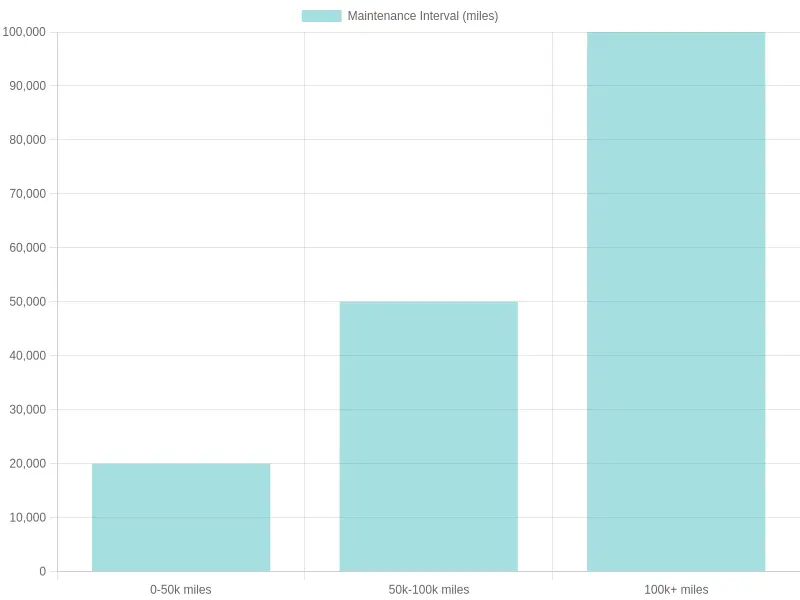
Understanding the wear patterns of universal joints is essential for truck maintenance. These parts are critical for transferring power from the engine to the drivetrain. The chart below illustrates how universal joint wear progresses as mileage increases, highlighting the importance of regular maintenance.
| Mileage Range | Wear Stage | Maintenance Interval |
|---|---|---|
| 0-50k miles | Normal Wear | 20k miles |
| 50k-100k miles | Moderate Wear | 50k miles |
| 100k+ miles | Severe Wear | 100k miles |
Key Takeaways
- Regular Maintenance: Avoid severe wear by adhering to maintenance intervals.
- Signs of Wear: Be vigilant for signs of wear, such as unusual noises and vibrations. Regular checks can prevent costly repairs and keep your truck running smoothly.
For more in-depth information on trucking solutions, you can explore 5 Star Truck Inc. and their unparalleled services in the industry for keeping your fleet on the road.
Conclusion: The Importance of Regular Maintenance for Truck Safety and Efficiency
In the trucking industry, safety and efficiency are paramount. Throughout this article, we’ve highlighted the crucial role that the rear universal joint plays in your truck’s performance. Regular maintenance is not merely a recommendation; it is an imperative practice that ensures the longevity and reliability of your vehicle.
Key Points Recap:
- Regular Inspections: Consistent checks of the universal joint help identify wear and tear before they lead to more significant issues.
- Cost-Effectiveness: Preventative maintenance ultimately saves you money by avoiding major repairs that can arise from neglect.
- Safety First: A well-maintained rear universal joint reduces the risk of breakdowns and accidents, ensuring safer operations on the road.
- Enhanced Performance: Keeping your truck in optimal condition means better fuel efficiency and smoother driving experiences, which are critical for long-haul drivers.
By prioritizing regular servicing of your rear universal joint, you not only extend the life of your vehicle but also guarantee a safer travel experience for both drivers and cargo. We encourage you to stay proactive about truck maintenance by exploring additional products and services offered by 5 Star Truck Inc. to enhance your fleet’s performance. Learn more about our premium services here.
Remember, a small investment in maintenance can yield significant returns in safety, efficiency, and peace of mind. Keep your trucks road-ready and avoid costly downtime – your fleet and drivers deserve the best!
To explore various maintenance solutions tailored for your truck, visit Summit Fairings for related products.