
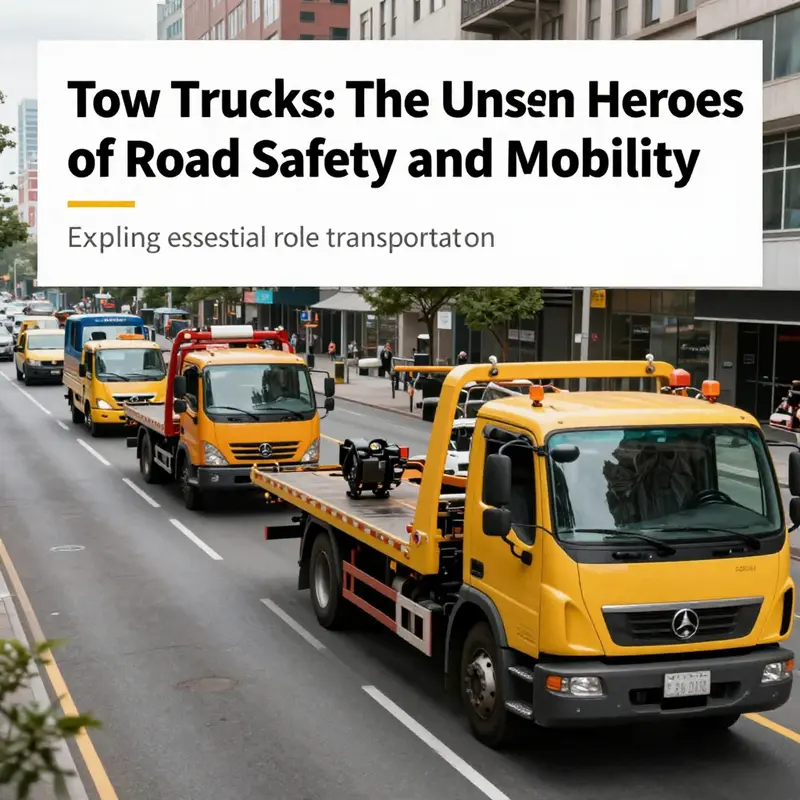
Tow trucks are a vital component of our transportation infrastructure, often working behind the scenes to maintain road safety and facilitate mobility. They play a critical role in not only assisting stranded motorists but also in managing emergencies, ensuring traffic flow, and supporting urban infrastructure. In this article, we will delve into the multifaceted roles that tow trucks fulfill, addressing their importance in road safety, emergency response, urban mobility, and the technical specifications that underscore their essential status in our daily lives.
Tow Trucks on the Frontline: Essential Servants of Road Safety and Mobility
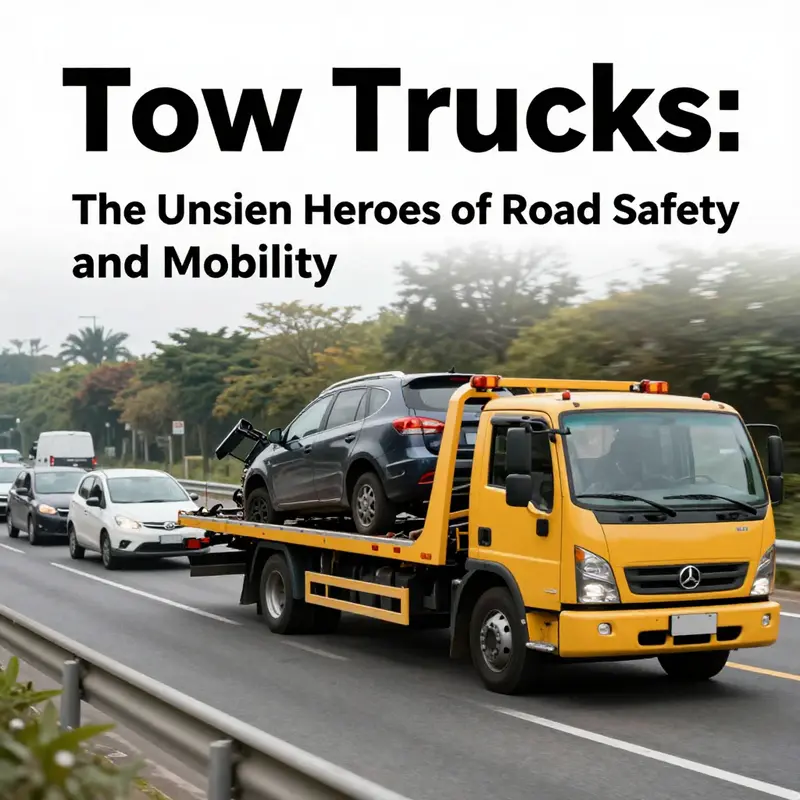
Tow trucks occupy a quiet but decisive role in the choreography of everyday travel. They are not the flashiest machines on the road, yet their absence would quicken the unraveling of traffic, safety, and public assurance. In many countries, including Malaysia, these vehicles stand as essential services because they do more than move a broken vehicle from point A to point B. They manage risk, restore order at the roadside, and enable the rest of the transportation system to resume functioning with minimal delay. When a tire blows on a highway or a car stalls on a busy street, the immediate response is not only about getting the vehicle off the road; it is about categorically reducing the chance of secondary accidents, protecting vulnerable road users, and preserving the rapid access of emergency responders. In this sense, tow trucks are not secondary players in road safety but frontline actors that support the entire safety ecosystem.
Their indispensability becomes clearest when we consider the range of scenarios that tow services are trained to handle. A flatbed, for example, can lift a vehicle completely onto a secure platform, ensuring that the towed car’s frame, tires, or suspension remain undisturbed. This is not a luxury feature; it is a safety and preservation feature, especially for luxury, high-value, or low-clearance vehicles, where even a minor mishap during transport could incur steep costs or severe damage. Integrated tow trucks, which combine wheel-lift and boom systems, expand the operator’s toolkit for challenging recoveries. They enable recovery from ditches, off-road veering, or vehicles perched in awkward positions, with a careful sequence of attachments and lifts that minimize additional harm. Wheel-lift configurations remain practical for a wide variety of standard recoveries, offering speed and efficiency for less complicated incidents. Together, these configurations describe a continuum of capability that allows tow services to tailor responses to the specific injury, obstruction, or location of a problem on the road.
Beyond the mechanics of lifting and moving, the work of tow professionals rests on a bedrock of professionalism and strict adherence to standards. In well-regulated contexts, reputable tow operators implement robust securing techniques, perform routine equipment maintenance, and ensure driver training aligns with safety protocols. These elements are not merely bureaucratic hurdles; they are the essential conditions under which vehicles and people survive the high-stakes environment of roadside operations. A well-secured load reduces the risk that a towed vehicle shifts or detaches during transit, which could cause a crash or complicate the recovery itself. Training emphasizes situational awareness, safe traffic management, and the art of communicating clearly with drivers, dispatchers, and emergency responders. Accountability is built into this discipline through checklists, post-operation debriefs, and ongoing continuing education, all of which convert a potentially dangerous job into a well-regulated service that protects the public as well as the equipment.
Technology has become a powerful force multiplier in tow operations. Modern dispatch systems, GPS tracking, and real-time communication interfaces enable operators to arrive faster, coordinate with traffic management authorities, and document the incident for follow-up. This digital layer helps reduce idle time, improves the predictability of arrival, and allows crews to share critical information about road conditions, hazards, or the nature of the vehicle to be recovered. In places where traffic congestion can escalate quickly, the ability to coordinate efficiently with police, fire, or ambulance services matters as much as the physical act of lifting a car. The result is a safer, more resilient transportation network in which tow services act as an integral node within the emergency response framework. The integration of standard operating procedures with adaptive technology creates a workflow that protects roadside workers and drivers alike, while also keeping streets open for others who depend on them for daily work, school, and essential errands.
In the broader context of urban mobility, tow services perform a social and economic function that extends beyond the immediate moment of roadside recovery. When a vehicle is towed away from an obstructed lane, the flow of traffic is less likely to grind to a halt, reducing the time that other travelers spend stuck in bottlenecks. This, in turn, lowers the probability of secondary collisions and decreases the risk of pedestrian injuries near curbside incidents. The presence of reliable tow services also supports the efficiency of parking enforcement in dense urban areas. Illegally parked vehicles can be cleared promptly when operators coordinate with city authorities, which helps keep critical corridors free for public transit, delivery vehicles, and emergency responders. In this sense, tow trucks contribute to the reliability of the entire urban mobility ecosystem, not merely to the convenience of individual motorists.
The need for rapid, careful, and credible towing is starkly amplified by the realities of modern road networks. As vehicle ownership grows and road usage intensifies, the likelihood of breakdowns and accidents increases. That does not only create inconvenience; it changes the calculus of risk for every road user. A stalled car can quickly become a hazard in heavy traffic, a blocker in a busy intersection, or a source of uncertainty for drivers unfamiliar with the area. Tow teams mitigate these risks by deploying proven procedures for scene management, traffic control, and safe extraction. They also protect the integrity of the towed vehicle, which is not a trivial matter for drivers who depend on a vehicle for their livelihood or for families that rely on road transport for daily routines. In such contexts, the value of tow services is both practical and moral: they reduce harm, restore safety, and enable mobility amidst the ordinary and extraordinary episodes that punctuate road life.
The Malaysia context offers a vivid example of how this essential-service status translates into a structured system of care around the road. With a growing population and rising numbers of vehicles, the demand for swift roadside assistance has surged. The ability to dispatch capable crews with the right equipment, to operate within safety standards, and to communicate effectively with other responders is not an incidental advantage but a foundational element of public safety. Tow operators who observe professional standards—such as secure loading, careful scene management, and reliable maintenance—help maintain a public trust that is essential in any society that depends on efficient and predictable transportation networks. This reliability becomes especially important in dense urban corridors where every minute saved in clearance or recovery translates into safer streets, shorter travel times, and a more resilient economy.
The human dimension of tow work also deserves attention. Behind every recovery are trained drivers who must read traffic, anticipate hazards, and manage risk in the moment. They work under pressure, with the knowledge that a single misstep can propagate harm across a scale of road users. The discipline of tow work, therefore, rests as much in judgment and communication as in mechanical skill. The professionals who perform these tasks become part of an ethical framework that prioritizes safety, legality, and transparency about what happened at the roadside and what will happen next. This ethical dimension reinforces the legitimacy of tow services as essential infrastructure: not merely a private business that helps individuals recover a vehicle, but a public-facing capability that sustains safe, accessible, and accountable roadways for everyone.
To keep pace with evolving road conditions and vehicle technologies, the industry continues to adapt. As electric and hybrid powertrains become more common, the dynamics of vehicle recovery change. Heavier batteries, higher torque in certain propulsion systems, and different crash profiles require operators to adjust their practices and equipment configurations. The trend toward advanced safety features also influences tow work. For example, the potential for automated or assisted parking systems to fail in certain conditions means there must still be a trained human operator ready to intervene. In this evolving landscape, the core purpose remains unchanged: tow trucks are there to restore safety, clear obstructions, and enable the rest of the transportation system to function smoothly. The chapter of road safety that they author every day is less about spectacle and more about steady, disciplined action that keeps traffic moving and people protected.
As we consider the broader narrative of essential services, the role of tow trucks becomes a lens through which to view the design of safe and resilient cities. They remind us that public safety depends on a network of specialized capabilities, each with its own discipline, standards, and judgments. The synergy between roadside recovery, urban planning, and emergency response creates a safety margin for communities. It offers a practical demonstration of how a nation can invest in dependable services that respond quickly to danger while maintaining the rhythm of daily life. In this sense, tow trucks are not ancillary gear in the machinery of mobility but a crucial, dependable lever that keeps roads safer, streets clearer, and public confidence intact. They are essential services because road safety is not a single act but a choreography of many trained professionals executing their roles with precision, care, and a steadfast commitment to the public good.
For those who want to explore the professional standards, recovery technologies, and practical implications of tow operations further, a comprehensive resource on tow truck standards and applications provides deeper context and detail. This broader guide can illuminate how the Malaysian experience aligns with global best practices and how ongoing improvements in equipment and training continue to elevate safety on the road. Fire-Truck Maintenance Training Importance.
External resource: https://www.towtruckmalaysia.com/guide-to-tow-trucks-in-malaysia/
Clearing the Way: How Tow Trucks Anchor Emergency Response and Keep Roads Safe
The Role of Tow Trucks in Emergency Response
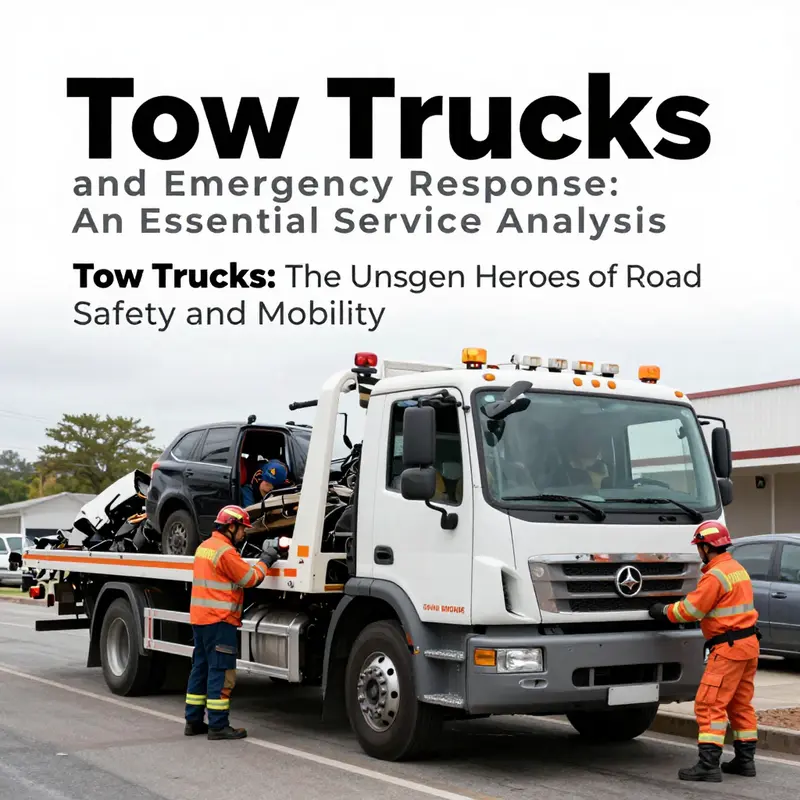
Tow trucks do more than move broken cars. They act as the immediate bridge between a hazardous incident and restored public safety. When a crash blocks lanes, when a vehicle spins into a ditch, or when a disabled truck threatens a highway shoulder, tow operators and their machines are the instruments that restore order. Their value lies in reducing risk, preventing secondary collisions, and reopening vital travel routes quickly and safely.
A modern emergency response needs more than first responders on scene. It requires skilled recovery crews and specialized vehicles engineered for demanding tasks. Heavy-duty wreckers, rollback flatbeds, and integrated units each bring specific capabilities to complex incidents. The most effective systems combine vehicle design, trained personnel, and incident management protocols so removal happens without adding danger. This trio is why many jurisdictions classify towing as an essential service.
Tow trucks designed for emergency use include features built for speed and safety. Rotating booms provide flexible reach for difficult extractions. Adjustable arms and wheel-lift systems let operators secure different vehicle types. Dual winch systems offer redundant pulling power and control. Hydraulically operated flatbeds tilt and extend for precise loading without dragging. These components reduce handling time and lower the risk of additional damage to vehicles and infrastructure. When time and precision matter, those design choices matter.
Different tow classes matter in practice because every emergency presents unique constraints. Heavy-duty wreckers excel at recovering large trucks and buses. Their robust frames and lifting gear allow them to right overturned vehicles and haul massive loads. Rollbacks, by contrast, protect passenger cars and specialty vehicles. By allowing a vehicle to ride flat, they prevent drivetrain strain and body damage. Integrated units combine towing and loading for rapid highway clearance. Each type has a role, and the right unit at the right time speeds the entire response.
Beyond hardware, human factors determine outcomes. Tow operators must coordinate with fire, police, and emergency medical services. They must work within traffic control plans. They must understand vehicle construction, accident dynamics, and safe rigging techniques. Formal training reduces mistakes and accelerates clearance. Where recovery teams practice joint exercises with public agencies, scene management becomes smoother. Investment in training is therefore as critical as the equipment itself.
Urban settings intensify the demand for capable towing resources. City streets and downtown arteries cannot tolerate prolonged obstructions. Illegally parked vehicles, stalled cars, and crash scenes can quickly cascade into widespread congestion. Quick removal reduces the chance of secondary collisions and emergency vehicle delays. Tow trucks that can navigate narrow streets, operate near active lanes, and load vehicles without blocking traffic minimize the incident footprint. This operational agility is a public good that supports urban mobility.
Rural and highway scenarios present different pressures. On high-speed corridors, a single disabled vehicle becomes a severe hazard. Tow crews working alongside first responders face speed differentials and limited visibility. Heavy wreckers that can pull a disabled semi clear away from traffic are indispensable. Rapid removal not only restores traffic flow but also protects cleanup crews from exposure to fast-moving vehicles. In both rural and urban contexts, the speed of removal correlates strongly with reduced casualty risk.
Special scenarios further underline towing’s essential status. Recovery from water, mud, or steep embankments requires specialized anchors, winches, and booms. Complex extractions from crash scenes with multiple damaged vehicles demand careful sequencing and stabilization. Vehicles with advanced drivetrains, such as all-wheel-drive systems, benefit from flatbed transport to avoid transmission damage. Classic vehicles and luxury models often require gentler handling. Towing companies that maintain a diverse fleet of equipment provide the operational flexibility that emergencies require.
That said, the capabilities come with constraints. Advanced tow trucks contain complex mechanical and hydraulic systems. They demand routine inspection and preventive maintenance to remain reliable under stress. Failure of a winch or hydraulic line in the middle of a recovery can worsen an incident or injure personnel. Smaller operators sometimes struggle to finance premium equipment and scheduled upkeep. Where budgets limit fleet modernization, response times and safety margins can suffer.
Cost is not limited to machinery alone. Proper certification and training programs carry recurring expenses. Tow crews working on highways often need specialized traffic control certifications. Teams that perform heavy recoveries must invest in winch training and rigging education. These investments are necessary to maintain high safety standards. Public agencies that outsource towing services should include performance standards and maintenance requirements in their contracts. That approach helps ensure providers remain capable when incidents demand it.
Technology and process improvements are reshaping how towing supports emergency response. Telematics and fleet management tools let dispatchers route the nearest capable unit to a scene. Integrated communication with 911 centers and traffic management systems reduces delays. Remote diagnostics and onboard sensors warn operators of mechanical issues before failures occur. Even modest tech adoption can shrink response times and increase uptime for critical units.
Interagency coordination matters equally. When towing operations align with police, fire, and traffic control, incident scenes get cleared faster. Shared protocols for scene safety, channeling traffic, and protective staging zones protect responders and motorists. Joint after-action reviews identify bottlenecks and equipment shortfalls. Communities that prioritize collaborative planning see measurable reductions in clearance times and incident-related congestion.
There are also public-policy considerations. Municipalities must balance cost, availability, and regulatory oversight. Licensing, training requirements, and vehicle standards set minimum safety baselines. Incentives can encourage fleets to adopt modern equipment and maintenance regimes. During major incidents or severe weather, prearranged mutual aid agreements allow jurisdictions to call on additional towing capacity. Such planning recognizes towing as part of the wider emergency services ecosystem.
Public perception plays a role too. Tow trucks often arrive after first responders, yet their work is less visible to the public. Effective communication about the role of towing in incident mitigation helps the public understand why costs or towing delays can occur. Education campaigns that highlight safe behavior around roadside incidents also protect recovery crews. Motorists who slow down and move over create a safer work environment and reduce the likelihood of secondary crashes.
Tow truck services also contribute to non-crash emergencies. Commercial vehicle breakdowns, obstructed lanes caused by cargo loss, and flood-related vehicle recoveries all fall within towing’s scope. In catastrophes, towing fleets support debris removal and large-scale clearance efforts. Without available towing assets, recovery operations would be slower and more hazardous. The presence of robust towing capacity is therefore a resilience factor for transportation networks.
Finally, consider the global context. Countries with dense urban centers rely on towing to maintain mobility and safety. Places with significant commercial transport volumes depend on heavy wreckers for freight mobility. Internationally, towing practices differ, but the central premise holds: rapid, skilled vehicle removal reduces harm and preserves the flow of people and goods. As transport systems evolve, so too will the tools and training that define towing as an essential service.
Communities that invest in capable tow fleets, ensure rigorous training, and integrate recovery teams into emergency plans gain tangible safety and mobility benefits. Tow trucks may not be the first responders people see, but they are an indispensable component of the response chain. Their specialized equipment, coupled with trained personnel and coordinated protocols, clears hazards and restores normalcy quickly and safely.
For a practical industry perspective on how tow trucks support emergency response operations, see this FleetOwner analysis: https://www.fleetowner.com/industry-news/emergency-response-tow-trucks-essential-services
For a relevant case study on heavy recovery coordination and operational tactics, consult this overview of heavy-duty rescue operations in Prince George’s County: heavy-duty rescue operations in Prince George’s County.
Tow Trucks at the Core of Urban Mobility: Why Essential Service Vehicles Keep Safety, Traffic Flow, and City Infrastructure Moving
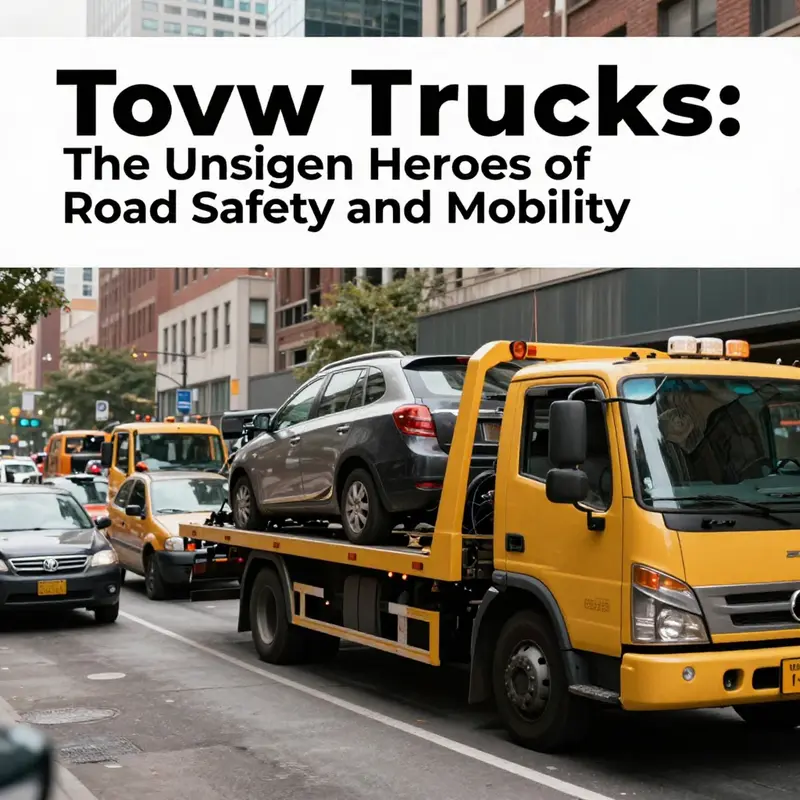
Tow trucks stand at the intersection of safety, mobility, and city function. When a vehicle stalls on a major artery or after a collision blocks a lane, the first responders’ toolbox expands to include tow services. They do not replace police, ambulance, or fire units, but they are essential partners, clearing obstacles quickly and restoring a corridor for traffic to resume. In dense urban fabrics, even a few minutes of blockage can cascade into hours of delay and create secondary crashes as frustrated drivers improvise. The tow truck, therefore, becomes a quiet backbone of the traffic system, a moving clearing crew that prevents gridlock from turning into a public safety risk.
Tow trucks perform a triad of tasks: roadside assistance to revive a vehicle on the spot, emergency recovery to remove hazards from the roadway, and enforcement-assisted removal to clear illegally parked or abandoned vehicles. In practice, this means agencies rely on a fleet that can transition rapidly from one mode to another. A flatbed can preserve a delicate or low-clearance vehicle during transport; a wheel-lift offers speed for standard recoveries; an integrated unit can handle mixed scenes with a retractable crane and tarps for spill containment. The design philosophy emphasizes preserving the vehicle’s integrity, minimizing damage during loading, and protecting nearby road users. It also means tow operators must be both careful technicians and effective coordinators, capable of communicating with dispatchers, emergency command posts, and on-site responders. This combination of technical skill and situational awareness explains why tow services are treated as essential, not optional extras, in contemporary urban management.
In the toolbox of urban mobility, technology has expanded the reach and reliability of tow operations. Modern systems include multifunctional slide-up wreckers and retractable cranes. These features enable quick reconfiguration between lifting, winching, or secure-vehicle transport without swapping equipment on the curb. The evolution reduces idle time and shortens the scene clearance window, directly impacting how long a lane remains obstructed. Beyond sheer capability, these innovations improve safety. With precise hydraulics and load sensors, operators can manage awkward angles, stabilize vehicles that are partially overturned, and avoid creating new hazards in traffic. The emphasis on safety is not just about the towed vehicle; it extends to roadside workers, nearby pedestrians, and approaching drivers who might otherwise misread a stalled scene.
As cities grow smarter, tow trucks are increasingly integrated into formal transport and emergency response networks. Integrated diagnostic tools let operators feed real-time data back to fleet management centers. Remote communication systems allow dispatchers to guide operations from a central hub, aligning tow response with the broader incident plan. In this sense, tow trucks become data-enabled assets that contribute to situational awareness and accountability. The result is a tighter feedback loop between field operations and command centers, enabling predictive maintenance schedules, performance metrics, and transparent after-action reporting. This data-driven dimension helps ensure that the fleet can be scaled up or down in response to events, weather, or season-specific demands. It also makes it possible to document response times and resource use, which is valuable for city planners and policy makers who seek to optimize mobility outcomes. design efficiency in emergency services.
The evolution of vehicle technology further shapes tow operations. As electric vehicles and hybrid models become common on city streets, the towing approach must adapt to different drivetrains, battery management needs, and weight distributions. In some conditions, flatbeds reduce the risk of damage to high-value or low-ground-clearance vehicles. In others, wheel-lift configurations offer the speed needed to clear lanes rapidly. Specialized equipment is increasingly modular, enabling crews to convert a single unit for multiple roles without excessive downtime. This modularity dovetails with safety standards that call for regular inspection, ongoing training, and immediate access to spare parts and technical support. Manufacturers and service providers now emphasize lifetime technical support and a steady supply chain for parts, acknowledging that a well-maintained fleet is essential to public safety. In short, reliability is not a luxury in tow operations; it is a prerequisite for trust in the city’s response capabilities.
In the daily rhythms of urban life, the role of tow trucks extends beyond the immediate act of removing a broken vehicle. They enable urban mobility by preventing misbehavior on the roads from spiraling into widespread disruption. When a disabled car is cleared, traffic can resume with smoother flow, reducing the risk of congestion-driven incidents and improving emergency vehicle access. Parking enforcement and urban management also benefit, as illegally parked vehicles and abandoned autos can be relocated to ensure bus lanes, curbside loading zones, and emergency access routes remain open. This broader role connects tow services to public safety and infrastructure maintenance, a point often underscored by agencies that coordinate with tow operators during road closures, maintenance work, or large-scale events. The efficiency gains translate into tangible benefits for commuters, delivery networks, and the many essential services that rely on reliable road access.
Behind the scenes, the sustainability of modern tow services rests on ongoing support and continuity of operations. The public sector and the private sector alike recognize that downtime in a tow fleet is downtime for the city’s ability to move people and goods. To maintain readiness, providers emphasize a robust lifecycle approach: continuous parts supply, training for evolving equipment, and after-sale service that keeps fleets at peak performance. This is not merely a maintenance issue; it is a resilience strategy. When a city experiences heavy rain, snow, or flood conditions, the ability of tow operators to respond rapidly and safely becomes a test of urban resilience. In tight-knit urban areas, this readiness also fosters public confidence—drivers feel assured that if something goes wrong, a well-equipped, well-coordinated tow service will be there to help, minimize risk, and restore normalcy as quickly as possible. The holistic view of tow work—combining technical prowess, coordination, safety, and reliability—highlights how essential these operations are to the daily functioning of a modern city.
As we consider the future, the role of tow trucks in urban mobility reads as a clear thread through broader conversations about infrastructure resilience, mobility equity, and the design of safe streets. The industry’s ongoing adaptation to new vehicle types, smarter dispatch, and integrated safety protocols positions tow operations not as ancillary support but as a critical component of how cities move people and goods. The capacity to clear incidents swiftly, protect assets, and sustain the efficiency of traffic systems will remain a core measure of a city’s preparedness for everyday load and extraordinary events alike. The discussion extends beyond the immediate scene; it touches on the frameworks that determine how space on city streets is allocated, how emergency corridors are managed, and how the public perceives safety in everyday travel. In this way, tow services connect to larger narratives about urban design, governance, and the ongoing pursuit of dependable, accessible mobility for all residents.
External resource: For further context on how emergency vehicle operations shape infrastructure, see the National Highway Traffic Safety Administration’s analysis: https://www.nhtsa.gov/emergency-vehicle-operations-urban-infrastructure-support
Engineered to Clear: How Tow Truck Specifications Define Their Role as Essential Services
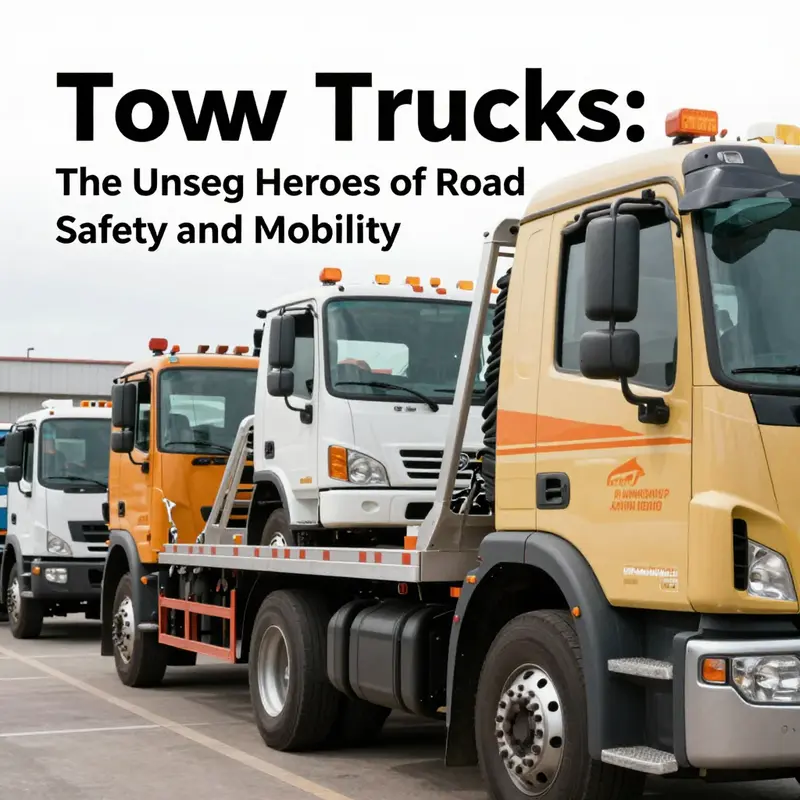
Tow trucks are essential not by accident, but by design. Their technical specifications translate directly into the capability to restore traffic flow, protect people and property, and support emergency responders. When a vehicle disables a lane, the clock starts. The precise engineering behind lifting systems, winches, chassis ratings, hydraulic circuits, and controls determines how fast and how safely a lane is cleared. Those engineering choices also decide whether a tow operation preserves a vehicle or causes further damage, whether a recovery can occur in tight urban conditions, and whether heavy commercial units are removed without creating new hazards. This chapter explains how those specifications form the backbone of tow services and why they matter to public safety and transportation systems.
Every tow truck begins with a purpose-driven chassis and powertrain. Manufacturers match body types to chassis based on Gross Vehicle Weight Rating (GVWR), axle capacities, and engine output. A flatbed truck intended for frequent long-distance hauls will require a different chassis than a wheel-lift unit used for quick urban recoveries. Proper matching prevents overloading, reduces downtime, and ensures brakes and suspension handle recovered loads safely. The chassis also houses the power take-off (PTO) system that drives hydraulic pumps for booms, winches, and bed movement. A robust PTO and reliable transmission allow controlled lifting and lowering under load, a non-negotiable factor during accident scene recoveries.
Lifting systems are the most visible technical element. Flatbeds use hydraulically operated beds that tilt and slide to receive a vehicle. They protect low-clearance and high-value cars by keeping all wheels off the ground. Wheel-lift systems, by contrast, use a yoke or cradle to raise a vehicle by the wheels. Wheel-lifts are faster for short moves and ideal when only a lane needs clearance quickly. Integrated units combine the wheel-lift and boom mechanisms into a single, reinforced assembly. Integrated designs reduce setup time and increase towing stability for heavier loads. Rotator tow trucks add another dimension: a rotating boom that pivots through large angles. Rotators can lift and rotate heavy trucks and buses, extract wreckage from ditches, and operate in constrained environments. Their lifting capacity and boom geometry directly enable complex recoveries that other rigs cannot execute.
Winches and line technology are a separate domain of critical design. Winch capacity must match the mass of the load plus any forces introduced by angles and friction. Heavy-duty recovery often requires multi-part rigging to multiply pull force. Modern winch systems pair powerful drum motors with either steel cable or synthetic rope. Synthetic rope reduces weight and improves handling, though it demands different inspection and storage practices. Drum design, braking systems, and thermal management determine how much continuous work a winch can perform before requiring cooling. Emergency scenes often demand repeated pulls and repositioning, so winch durability and serviceability are important operational factors.
Hydraulic systems link the PTO to the functional mechanisms. Pump sizing, reservoir capacity, hose and fitting ratings, and valve design influence how fast a boom can extend, how quickly a bed can slide, and how smoothly a winch can operate. Redundancy and fail-safes reduce the risk of sudden loss of hydraulic pressure under load. Load-holding valves, pressure relief systems, and manual overrides are critical safety features. Designers also consider heat dissipation and filtration to maintain consistent performance across long shifts and harsh environments. For trucks used in cold climates, freeze-resistant fluids and specialized battery systems ensure the hydraulics and electronics perform when temperatures drop.
Stability and load distribution are central to safe recovery. Outriggers and stabilizers extend the effective footprint of the truck during lifting operations. Their travel range and bearing capacity affect the maximum lift height and safe working radius. Chassis reinforcements, crossmembers, and subframes resist torsional forces created during heavy lifts. Engineers calculate rated capacities with safety factors that reflect real-world variables. On-scene, operators rely on load charts that combine boom length, angle, and outrigger deployment to determine safe working loads. Those charts are only useful when the truck is maintained and the operator follows procedures.
Controls and operator ergonomics influence both speed and safety. Remote-control systems enable an operator to stand in a clear line of sight away from pinch points. Ergonomic controls that provide proportional hydraulic responses allow fine adjustments when aligning a bed or tensioning a winch. Electronic sensors now augment human judgment. Load sensors can prevent overstressing a boom. Angle indicators, camera feeds, and telematics help supervisors monitor operations remotely. Integrated lighting systems, including scene lights and warning arrays, improve visibility and traffic control during night operations.
Restraint systems and tie-down hardware protect the towed vehicle. Adjustable wheel straps, soft chocks, and frame-engaging devices reduce the risk of shifting during transport. For all-wheel-drive and four-wheel-drive vehicles, flatbed transport often avoids drivetrain damage. Wheel-lift approaches require particular care for these drivetrains, or the vehicle must be made neutral to prevent transmission damage. Low-clearance cars, exotic vehicles, and specialty chassis are better served by slide-bed carriers with extended angle ranges and low ramps that reduce scraping.
Material selection and fabrication standards affect longevity and safety. High-strength steel and advanced welding techniques ensure frames and booms resist fatigue. Corrosion protection extends service life, especially in coastal or winter-salt regions. Regular non-destructive testing and scheduled inspections of welds, fasteners, and critical load-bearing parts identify fatigue before failure. After-sales support, access to replacement parts, and technical service networks reduce downtime for critical fleet units. Agencies that rely on tow trucks for emergency response typically require assured parts availability and factory-trained technicians.
Operational adaptability is also part of the technical equation. Slip crane systems exemplify modular design. They slide into a receiver on the frame and retract under the rear ramp when not used. This reduces aerodynamic drag and improves fuel efficiency. It also allows quick conversion between flatbed hauling and crane-assisted recovery. Similarly, interchangeable decks, removable cranes, and modular winch packages let fleets tailor trucks to mission needs. Such flexibility reduces the time a scene remains congested, because the right tool is available when it is needed.
Technologies that enhance interoperability with public safety systems are essential today. Integrated dispatch telematics send truck location, estimated arrival time, and vehicle capabilities to incident commanders. That information lets traffic managers plan lane closures and arrange backups. Cameras and onboard recording systems document the recovery process for liability and training. Standardized signaling and lighting conventions help other road users identify tow operations and respond appropriately. For municipalities, these integrations make towing services a predictable component of incident management rather than an ad-hoc response.
Safety certifications and performance standards underpin trust in tow services. Specifications referring to industry standards, load testing, and certified fabrication provide measurable assurance. Training standards for operators translate equipment capability into reliable outcomes. Manufacturer guidance, operator certifications, and documented maintenance cycles are part of the safety envelope.
Finally, environmental and human factors enter the specification conversation. Fuel-efficient drivetrains, aerodynamic bed designs, and intelligent PTO control reduce emissions and operating costs. Ergonomic cab layouts, clear controls, and automated assists lower operator fatigue and reduce the chance of error during long shifts. Cold-weather features like dual batteries, heated reservoirs, and guarded hydraulic circuits preserve readiness in winter. Together, these elements keep tow trucks available when they are needed most.
The technical details of tow trucks are not mere specifications on a sheet. They are design choices with direct public consequences. A rotator that can lift an overturned bus can reopen a critical highway in hours instead of days. A slip-crane system that reduces setup time can clear lanes and restore traffic flow quicker. A well-matched chassis and hydraulic system prevent secondary incidents. After-sales support and parts availability keep essential fleets operational. The engineering behind these vehicles defines the speed, scope, and safety of responses to roadside incidents, making tow trucks vital components of a resilient transportation system.
For a deeper reference on standards, material properties, and applied practices in car-carrier and tow-truck engineering, consult this technical guide: https://www.example.com/technical-guide-car-carrier-tow-truck. For insight into how design choices improve emergency response and operational efficiency, see this discussion on design efficiency in emergency services (https://5startruckin.com/design-efficiency-in-emergency-services/).
Final thoughts
Tow trucks stand as unsung heroes in our daily transportation narrative, seamlessly integrating into the fabric of road safety, emergency support, and urban infrastructure. Their roles go beyond mere vehicle towing; they are vital for maintaining traffic flow, providing rapid emergency responses, and ensuring the safety and compliance of our urban environments. Understanding their contribution not only highlights their importance but also calls for appreciation of the professionals behind the wheels. Moving forward, valuing tow truck services is essential for a safer, more efficient transportation system that benefits us all.