

Navigating the trucking industry often comes with challenges, especially when it comes to selecting the right accessories like truck caps. Whether you are a long-haul truck driver, a trucking company owner, or a fleet manager, understanding customer service for truck caps is crucial. This article dives into the intricacies of how effective customer support can enhance your experience, ensuring that you make informed decisions about your truck caps. We will explore the role of retailers in customer service, how to navigate support for custom truck caps, and best practices for customer service in the trucking accessory sector. Join us as we unravel the importance of customer service, shaping a better experience for your journeys ahead.
Elevating Support: A Comprehensive Journey into Customer Care for Truck Caps
Truck caps represent more than just a protective cover or stylish accessory; they are an integrated part of a larger ecosystem where functionality, durability, and aesthetics play critical roles. In this expansive narrative, we explore the many dimensions of customer service as it relates to truck caps—a subject that calls for an in-depth understanding of how support teams, product knowledge, and proactive assistance combine to provide a seamless ownership experience. While truck caps themselves evolve in design and application, the customer service that accompanies them must be equally dynamic, attentive, and responsive to ensure that every inquiry, purchase, installation, and repair is managed with expertise and care.
At the heart of exemplary customer service for truck caps is clear, accessible communication. Customers approach their inquiries with varying technical backgrounds—some may be automotive professionals, while others are individuals looking for custom modifications, such as heat transfer foam pads or uniquely styled trucker caps, that suit personal or branding needs. The dialogue between the customer and the service provider is the first step in building confidence. Detailed information regarding product features, material compositions, and the distinct benefits of various truck cap models is crucial. For instance, when a customer encounters a truck cap fashioned with a rigid, structured front panel, knowledgeable service representatives are tasked with explaining how this design contributes to enhanced durability and a sleek, professional look.
The nuances of these products demand that support teams remain well-versed in technical specifications. Consider the various materials used: some truck caps are crafted from advanced composite materials that deliver superior strength while remaining lightweight, whereas others rely on fiberglass for durability and improved aerodynamics. Each material comes with its own set of considerations regarding installation, performance, and maintenance. Support agents who have absorbed this knowledge can effectively compare product options. They might describe how a cap with tool-free installation simplifies the experience, reduce potential downtime, and contribute to a more efficient setup. In more technically demanding scenarios, such as a cap requiring custom modifications or repair due to environmental wear and tear, the guidance provided by these professionals becomes invaluable.
Moreover, customer service in this domain goes beyond providing technical specifications—it also extends to offering reassurance and empathy during the often stressful process of product selection or problem resolution. When a customer contacts a support center about difficulties with a specialized design, the representative’s response should be both empathetic and instructional. This method of engagement builds trust. It also underscores the principle that customer service is not just about answering questions but about nurturing confidence and fostering long-lasting relationships with customers. In many respects, communication bridges the gap between technical details and user experience, helping customers feel secure while making choices that can have significant operational implications.
A key element in the customer service framework for truck caps lies in the holistic support provided during every stage of the product lifecycle. From the initial inquiry and purchase decision to the installation and eventual after-sales service, every phase requires a personalized approach. When potential buyers contact customer support, they are not merely exploring merchandise; they seek a partner who can help them navigate the array of options available. Whether it’s differentiating between various cap models—each with its unique set of features—and understanding factors like wind resistance, ease of maintenance, or compatibility with existing truck configurations, the advisors must deliver comprehensive insights. This approach is particularly critical when customers are deterred by the complexity of balancing aesthetics with functionality.
Installation support stands out as one of the most widely appreciated aspects of customer service. The process of fitting a truck cap securely and efficiently, while ensuring that it meets the vehicle’s structural and aerodynamic requirements, is often fraught with challenges. Customers may face uncertainties regarding the alignment of components or the integration of specialized additions such as custom foam pads. Knowledgeable technical support can preempt these pitfalls by offering clear installation guides, scheduling on-site assistance, or directing users to online video tutorials and FAQs. These resources, when integrated into the service model, not only streamline the installation process but also reduce post-installation queries—a benefit that transforms potential customer frustration into satisfaction and loyalty. Interested readers may also explore further insights on how service excellence is maintained within the trucking industry, as detailed in this article on quality service and reliability on the road.
Equally important in the customer service equation is the handling of warranty policies and restoration services. Truck caps, despite their robust construction, may occasionally encounter issues that require repair or replacement of components. A service strategy that transparently communicates warranty terms, service intervals, and repair options alleviates the uncertainty that customers may experience. The proactive approach of alerting consumers to potential limitations—for instance, explaining that while a certain model excels in fuel efficiency and durability, its unique design might involve more intricate repair procedures—empowers users to make better-informed decisions. Anticipatory customer service ensures that any potential risk is mitigated by clear, upfront disclosure, further cementing the relationship between the product provider and the customer.
The modern customer service landscape is increasingly mediated by digital innovations. Online platforms, live chat systems, and comprehensive support portals have revolutionized the way customers engage with brands. In the realm of truck caps, digital tools have been harnessed adeptly to address technical queries, schedule maintenance appointments, and even provide real-time troubleshooting during installation. Interactive configurators, for example, allow customers to visualize how different cap designs, colors, and finishes will appear on their vehicles, with immediate feedback offered by automated systems or live support. Such an immersive, technology-driven approach not only reduces the workload on human agents but also empowers the customer by offering a self-service option that is both intuitive and informative.
Moreover, the digital transformation extends beyond user support to encompass back-end operations. A well-integrated customer relationship management (CRM) system empowers companies to track support inquiries, analyze patterns in customer feedback, and coordinate more effective follow-ups. This systematic approach ensures that trends—such as recurring issues with a particular design or repeated questions about installation techniques—are addressed holistically. It paves the way for continuous improvement in product design and service delivery. The interplay between digital tools and human oversight results in a service model that is not only responsive but also anticipatory, setting a benchmark for customer care in the trucking accessory market.
An equally vital aspect of this customer service model is the training and expertise of the support personnel themselves. It is not uncommon for customers to call with niche questions or concerns about their truck cap specifications, and these situations require agents who are both technically proficient and skilled in communication. Regular training sessions, supplemented by real-world case studies and feedback loops, ensure that the team is always prepared to meet the evolving needs of the customer base. Through continuous education on material innovations, installation trends, and repair protocols, customer service becomes a distinct competitive advantage, transforming routine interactions into moments of genuine assistance and reassurance. This commitment to knowledge and excellence in customer service is at the core of every positive customer interaction.
The narrative of truck cap customer service is, in essence, about more than troubleshooting and product queries—it is about creating a lasting impression that transforms occasional customers into steadfast advocates. Businesses that invest in robust support structures inherently signal to their clientele that they are valued. This sentiment is not lost on consumers, who, when faced with issues, prefer a service experience that is characterized by both prompt resolution and genuine care. By fostering relationships that are built on trust, clarity, and technical expertise, customer service professionals play a pivotal role in cementing long-term loyalty. In many ways, the service interaction becomes as important as the product itself, enhancing both the tangible and intangible value that customers derive from their purchase.
Integrating a culture of excellence in customer service requires companies to embrace a philosophy that views every customer interaction as an opportunity for improvement. This holistic strategy ensures that from the moment a potential buyer enquires about a truck cap to the time they require support post-installation, each stage is managed with precision, empathy, and clarity. A sophisticated support model does not shy away from complexity; instead, it seeks to simplify challenging aspects for the customer by offering tailored guidance and actionable solutions. The end result is a service framework that is robust, multi-faceted, and inherently user-centric.
Throughout any business venture, feedback plays a pivotal role. In the realm of truck cap customer service, soliciting and analyzing feedback transforms isolated customer interactions into systemic learning experiences. Customer suggestions, whether they affirm a positive experience or highlight areas for improvement, are invaluable for finetuning support processes. When companies actively integrate feedback into their operational strategies, they enhance not only the customer experience but also drive improvements in product design and support infrastructure. This iterative loop of responsiveness and adaptation truly exemplifies the essence of superior customer care.
In summary, effective customer service for truck caps is a multidimensional discipline that marries technical expertise, empathetic communication, and proactive support strategies. It demands a thorough understanding of product design, the integration of digital tools, and a commitment to ongoing learning and adaptation. In this journey, every customer interaction represents a chance to exceed expectations, turning everyday transactions into exceptional service experiences. This approach not only augments the immediate satisfaction of customers but also secures long-term allegiance and trust, ensuring that the journey from product inquiry to post-sales support is as streamlined and enriching as possible.
For those interested in a deeper technical exploration of how design standards influence cap performance, further technical insights are available at this authoritative resource: Inside Freightliner Cap: Key Details, Standards, and How to Apply in Engineering.
Guiding Excellence in Truck Caps: How Retailers Champion Superior Customer Service
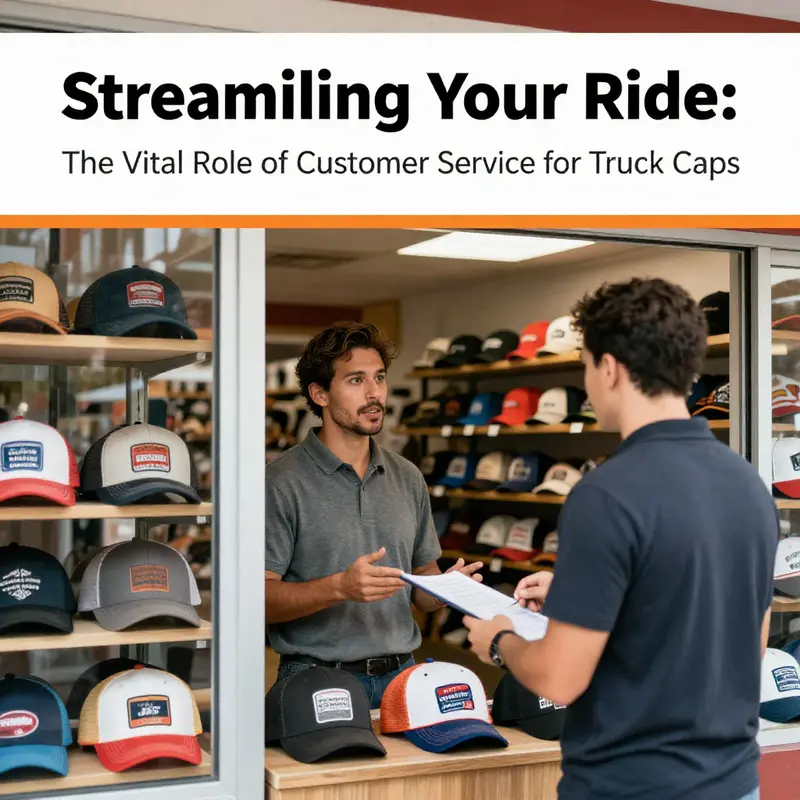
When exploring the landscape of truck caps, an often overlooked yet essential element is the unparalleled role that retailers play in shaping a customer service experience that truly stands apart. In a market where products are not only expected to meet functional demands but also become extensions of personal identity and professional reliability, the interaction between buyers and retailers defines not only satisfaction, but also long-term loyalty. The experience begins well before the purchase; it is founded on detailed product insights, empathy in communications, and an unwavering dedication to both product quality and customer care.
Retailers must transform from mere distributors of truck caps into trusted advisors whose depth of product knowledge reassures customers throughout every phase of their journey. The detailed specifications of truck caps – from the composition of materials such as fiberglass, aluminum, or composite blends to their varied industrial properties – are central to customer inquiries. A buyer, whether purchasing a truck cap designed for off-road durability or one meant for enhanced weather resistance on long-haul trips, relies on clear, expert guidance to make an informed decision. As these products combine both aesthetic appeal and robust functionality, retailers find themselves at the intersection of style and engineering. Their role is to distill technical details and relate them in language that bridges the gap between complex manufacturing innovations and everyday requirements.
A skilled retailer will provide an immersive experience that goes beyond just offering a product but instead tells a story of reliability and precision. Whether the nature of the inquiry is about upgraded design features or understanding the subtle differences between standard and premium-grade truck caps, the conversation must be engaging yet grounded in solid facts. Clients often find comfort in having ready access to knowledgeable staff who can explain the nuances of customization options, such as custom heat transfer foam pads or uniquely structured front panels, which may offer benefits like lockable door designs for additional security. Such tailored solutions not only enhance the product’s functional appeal but also reflect a broader promise of customer satisfaction that modern retailers must deliver.
In today’s connected world, customer service in this niche market is a mosaic of both traditional and digital interactions. Retailers are expected to provide a seamless omnichannel experience, with the very same level of candor and expertise whether on a phone call, an email exchange, or through live chats hosted on websites. These multiple channels create interdependent touchpoints which enable customers to enjoy a consistent, frictionless experience. For many buyers, a live online response is as critical as a detailed product brochure, and retailers must ensure that all avenues of communication are supported by well-trained teams. This dedication is more than business acumen; it is the engine that fuels repeat business and ensures that initial positive interactions translate into enduring relationships.
The process of purchasing a truck cap is rarely instantaneous. Instead, it unfolds through an in-depth consultation where a retailer’s well-honed expertise cultivates trust. In turning each customer relationship into a tailored experience, retailers have the opportunity to educate buyers on topics such as the importance of quality assurance, installation procedures, and even after-sales service protocols. This thoughtful approach demystifies the complexity inherent in truck cap construction and installation. It is here that the synergy between technologically advanced tools and human touch becomes evident. Retailers not only showcase their products but also build relational capital that later supports warranty claims, repairs, or modifications.
Retailers lead the charge by pushing the envelope when it comes to customization and personalized support. They are uniquely positioned to offer guidance in personalizing the truck cap according to the specific needs of varied clientele – from independent drivers to fleet managers overseeing dozens of vehicles. In many instances, the retailer’s expertise extends into the realm of coordinating with third-party logistics to ensure that delivery timelines are transparent and that expectations are managed carefully. This collaboration with additional support systems is critical in an era of e-commerce where even minor lapses in logistics can quickly sour the customer experience. Proper coordination with external shipping and handling teams ensures that even when challenges arise, they are quickly addressed and resolved in a systematic and reassuring manner.
Furthermore, the path to excellent customer service in the truck caps market is paved with proactive problem solving. With buyers demanding quick and empathetic responses, retailers are now investing in training programs that keep their customer service teams abreast of the latest product developments and market trends. Retailers are encouraged to see each support call as an opportunity to educate and strengthen the customer’s understanding of the product. Such measures include comprehensive walkthroughs of installation processes, clear explanations of warranty terms, and rapid redressal of any issues that may emerge post-purchase. This approach not only enhances confidence but also sets a new standard in dealing with high-value purchases that have a significant impact on safety and operational efficiency.
Even during moments of after-sales service where challenges might surface, seasoned retailers demonstrate the importance of empathy and responsibility in handling concerns. When customers encounter issues related to installation or the functionality of a truck cap, the response they receive must be prompt and informed. The retailer’s commitment to solving even the smallest of issues reinforces a perception of reliability. In real-world scenarios, such a response can be the deciding factor between one-time transactions and the forging of enduring customer partnerships. That is why top-performing retailers continuously refine their customer service models, integrating feedback and innovating processes in line with dynamic customer expectations.
The broader implications of stellar customer service in the truck caps market extend well beyond mere customer satisfaction. The essence of a positive service encounter lays the foundation for a brand’s broader reputation in the industry. Word-of-mouth endorsements, repeat business, and an increasing number of referrals are all natural byproducts of an above-par service model. Studies have shown that even a small lapse in service can discourage customers, while extraordinary service can lead to willingness on the part of buyers to invest more in quality products. In this scenario, retailers end up not only acting as sales conduits but as ambassadors of quality and dependability.
This philosophy is further underscored by the integrated experiences that retailers offer at every touchpoint. Comprehensive online resources, detailed FAQs, and interactive guides are now typical elements of modern customer service platforms. For example, a well-integrated online support system can answer common questions before they even reach a human representative, thereby streamlining the overall interaction process. A retailer’s online presence can reflect their commitment to customer care and act as a revolving digital hub that connects buyers with helpful information and live support. These digital innovations, combined with real-time human interactions, create a service ecosystem that is both robust and accessible.
Integral to these processes is the fact that retailers of truck caps often serve a diverse clientele with varied needs. Some customers may be well-versed in truck cap specifications, while others might be experiencing the product for the first time. Retailers must therefore tailor their communication strategies to match the level of technical detail required by each customer. This tailored approach is a hallmark of quality service, ensuring that even those less familiar with the intricacies of the product lineage feel supported and well-informed.
As the boundaries between online and offline service continue to blur, retailers are increasingly leveraging technology to enhance customer interaction without sacrificing the human touch. Chatbots and AI-driven support systems are now part of the retail landscape, ensuring immediate responses to preliminary inquiries. However, these digital tools are meant to complement rather than replace human ingenuity. When more nuanced questions arise about product longevity or customization options, customers are seamlessly transitioned to expert human representatives who provide tailored advice. This harmonious blend of technology and personal service exemplifies the modern approach to customer care – one that is both efficient and deeply empathetic.
Retailers also integrate robust feedback mechanisms into their sales and support cycles. By actively seeking customer feedback through surveys, live sessions, and follow-up emails, retailers are able to gather valuable insights that shape future service improvements. This iterative process of feedback and enhancement ensures that the customer service experience continually evolves in line with customer expectations and industry trends. The ability to promptly address issues such as installation challenges or warranty concerns builds a resilient and adaptive support structure. Employers in this space often take great pride in not only reaching but exceeding service benchmarks, knowing that even marginal improvements can lead to substantial long-term benefits.
A notable illustration of how proactive support creates measurable impact can be seen in the careful management of logistics and product delivery. In scenarios where even a slight delay in product shipment could lead to significant frustration, retail partners must collaborate closely with third-party logistics experts. The goal is to foster an experience wherein transparency has become a cornerstone, and the customer is kept informed at each juncture. For instance, if a truck cap requires special handling due to its size or unique features, the retailer’s coordination ensures that the product reaches its destination safely and on time. This aspect of customer service cannot be understated, as product delivery is often the final link in a long chain of interactions that contribute to overall customer satisfaction.
Moreover, it is not uncommon for in-depth support services to extend beyond the point of sale. Retailers often offer complimentary consultations on maintenance and future upgrades, acknowledging that a truck cap is more than a single transaction and is truly an investment in both safety and style. This additional layer of post-purchase service serves as a tangible reminder that the retailer’s relationship with the customer is built for longevity. The ability to navigate and resolve the complexities that can arise after installation, such as the need for part replacements or adjustments due to wear and tear, reinforces the overarching narrative of trust and reliability that customers expect in today’s competitive market.
At the heart of all these practices lies the retailer’s steadfast commitment to a customer-first philosophy. The measure of success is not solely in the sale itself but in the comprehensive support that follows. In the realm of truck caps, where the technical intricacies of the product are as important as their aesthetic qualities, the retailer’s role morphs into that of a consultant – one whose advice is indispensable. By ensuring that every interaction is characterized by clarity, honesty, and a willingness to assist, retailers serve as critical links in transforming initial curiosity into brand advocacy.
For those seeking further insights on how customer service practices are evolving, there is valuable context available in discussions surrounding comprehensive service models. One such resource offers detailed best practices that can be adapted to various industries, providing a framework that underscores the importance of empathy, technological integration, and proactive engagement. Retailers who adopt these progressive strategies not only elevate the customer experience associated with truck caps, but also set benchmarks that resonate across the entire field of automotive accessories. In this regard, it is worth exploring additional content such as the article on exploring quality service and reliability, found at this resource, which offers further insights into excellence in customer service.
The evolving role of retailers in the truck caps sector is emblematic of a broader shift in customer service paradigms. No longer confined to a reactive stance, retail partners are now positioned as proactive contributors to a brand’s success. Their holistic approach includes educating potential customers about the nuances of product care, guiding them through every step of the customization and installation process, and ensuring that any post-purchase concerns are resolved quickly and efficiently. This comprehensive model transforms a routine purchase into an engaging, fulfilling experience, fostering a deep sense of loyalty and satisfaction among customers.
Moreover, by continually refining service processes and investing in technology, retailers are creating a blueprint for excellence that extends beyond the world of truck caps. Their dedication to merging detailed product expertise with empathetic, agile support systems serves as a reminder that customer service is not a department, but a philosophy woven into the very fabric of the retail experience. This transformative mindset is crucial in an era where every interaction counts and customers expect nothing short of excellence at every step.
Retailers who successfully integrate these principles are the ones leading the charge, establishing a standard from which the rest of the industry can only aspire to learn. Their commitment is not merely to sell a product; it is to ensure that each truck cap represents a tangible symbol of quality, craftsmanship, and unmatched customer service. As a result, the act of purchasing a truck cap evolves from a simple transaction into an immersive experience characterized by trust, personalization, and a seamless continuity that underscores the highest standards of service excellence.
For even more detailed best practices in customer service, valuable insights can be gleaned from expert discussions such as those found in Salesforce’s resource on customer service best practices. These insights, accessible at Salesforce’s Customer Service Best Practices, provide additional context and strategies that underpin the success of many leading retailers in the truck caps sector and beyond. In adopting these practices, retailers can continue to drive home the message that a great product deserves an equally great service experience.
In summary, the modern retailer in the truck caps market represents a transformative force dedicated to a comprehensive, customer-centric service model. Their ability to combine technical depth with accessible, empathetic communication turns every interaction into an opportunity to build long-term trust. By integrating digital tools, offering bespoke solutions, and managing logistics with precision, these retailers are not merely selling a product—they are crafting a narrative of excellence that resonates deeply with every customer. Ultimately, the journey from initial inquiry to post-purchase support is redefined as an ongoing relationship built on reliability, transparency, and the unwavering commitment to meet each customer’s unique needs.
Steering Through Troubles: Mastering Customer Support for Your Custom Truck Caps
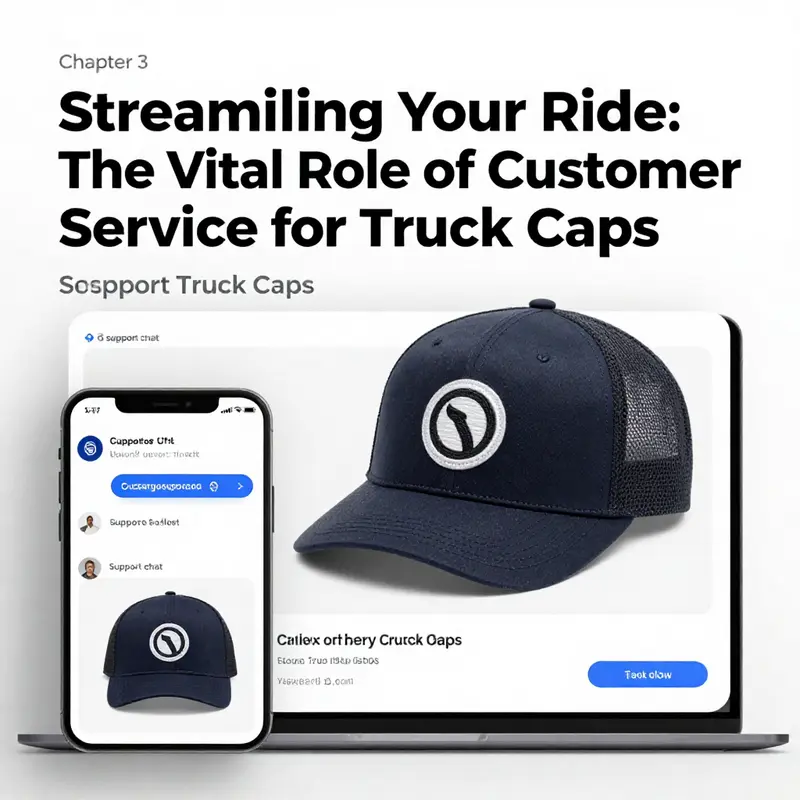
When you invest in a custom truck cap, you are not just purchasing an accessory; you are embracing a commitment to quality and a promise of enhanced functionality for your vehicle. The relationship with customer support is fundamental, whether you are seeking advice on product selection, troubleshooting installation issues, or navigating warranty claims. Understanding how to access and utilize the right support resources transforms potential frustrations into a confident, seamless ownership experience.
A critical first step is knowing precisely what you need. Clarity about your support requirements saves time and energy. Are you inquiring about design details such as available materials, dimensions, or aesthetic customizations? Perhaps you need detailed installation guidance or are uncertain about how to apply adjustments once the cap is in place? Alternatively, there may be a technical issue with a locking mechanism or an electrical component requiring expert troubleshooting. Customer support is meant to be a trusted partner throughout the entire process, from the initial consultation right up to post-purchase maintenance. This clarity also ensures that you are armed with relevant information such as your vehicle’s specifics, the model and version of the truck cap, along with any photos or error codes that might help a support agent understand your issue faster.
Custom truck caps often come with a unique set of features that require specialized knowledge. Manufacturers invest significant effort in crafting products that blend style with functionality, and their support teams reflect that expertise. Directly contacting the manufacturer is usually the most reliable option when product-specific details are needed. Their support staff are well-versed in the nuances of materials used, design innovations, and the installation process. When reaching out, consider visiting the manufacturer’s official website and navigating to sections labeled ‘Support,’ ‘Help Center,’ or ‘Contact Us.’ Here, you’ll often find downloadable manuals, how-to videos, and comprehensive FAQs that anticipate many queries. It is not uncommon to see modern integrations that utilize artificial intelligence to streamline these resources. For instance, platforms like Maximizing Fire Truck Product Support exemplify how digital solutions can ensure a faster and more efficient resolution process. Even though the context of that link deals with fire truck accessories, the principles of efficient customer support remain directly applicable to the experience surrounding custom truck caps.
After selecting the best support resource, the next phase is to establish and optimize communication with the chosen provider. You might find several ways to contact support: phone calls, email correspondence, live chats through the official website, or even dedicated mobile applications. Each channel has its own strengths. For immediate questions, a phone call or a live chat session can be effective, offering real-time feedback and reducing the waiting period for resolution. On the other hand, email communication serves well when detailed explanations, logs, or photographs are necessary to diagnose a problem. During these interactions, the support representative’s ability to understand technical jargon and its interplay with your specific truck cap model can significantly affect the quality of advice given. In essence, learning to articulate your issue clearly while also absorbing instructions in a straightforward manner makes the entire support experience more effective.
Beyond the primary channels of customer support, local authorized dealers and specialized installers offer a level of hands-on assistance that is sometimes irreplaceable. When opting for on-site support, do not hesitate to request a site visit or scheduled consultation. Authorized dealers not only carry the technical specifications needed to address issues but often provide practical, personalized training that ensures you can manage minor corrections independently over time. When you have an expert physically assess the installation or inspect the cap’s alignment with your vehicle, you are benefiting from a level of scrutiny that remote support may struggle to mirror. This personalized service is particularly valuable when dealing with custom modifications or complex installations that do not come with a one-size-fits-all guide.
It is important to note that the entire landscape of automotive support is shifting toward self-service options powered by artificial intelligence and integrated knowledge databases. Many manufacturers now offer exhaustive online help sections where problems can be diagnosed using interactive flowcharts and searchable tutorials. Advanced systems leverage machine learning to predict common issues based on user inputs and previous cases, effectively reducing the need for human intervention in routine matters. For instance, an external resource like Baklib AI Chat represents the cutting-edge in customer support technology for complex products. Such tools are designed not only to resolve basic inquiries but also to escalate more nuanced cases to a human agent when necessary. This dual approach ensures that as a customer, you receive both the speed of automated responses and the empathy and expertise of a trained professional when the situation demands it.
Another critical aspect of navigating customer support is recognizing that prompt and effective service is a two-way street. As a customer, you are an active participant in the process. Being prepared is a cornerstone of productive interaction. Prior to contacting support, compile all relevant details such as the truck cap’s model number, your vehicle’s specifications, photographs highlighting the issue, and any error messages that appeared during installation or use. This preparation not only streamlines the support process but also demonstrates your commitment to resolving the issue collaboratively. Avoiding vague descriptions and opting for clear, concise details can lead to a quicker and more precise diagnosis of the problem.
Regular maintenance of your custom truck cap plays an equally important role in minimizing the need for dramatic support interventions. Regular check-ins, especially after long journeys or in adverse weather conditions, can help pre-empt problems from escalating. Establish a schedule to inspect key features such as fasteners, seals, and any integrated technologies like lighting systems or electronic locks. If you notice any wear or malfunction, it is easier to address a minor issue with a well-informed technician than to troubleshoot a more complex failure at a later time. Proactive maintenance not only preserves your investment but also deepens your familiarity with the product’s nuances, making subsequent support interactions more effective.
In addition to individual efforts, community-driven support networks can be highly valuable. Numerous online forums, social media groups, and enthusiast communities exist where fellow truck cap owners share their own experiences, solutions, and advice. These communities often provide insights that official resources cannot offer, such as real-world performance tips, hacks for maximizing the cap’s longevity, or even recommendations for local technicians with exceptional reputations. When used judiciously, these platforms become an extended arm of customer support, offering tips that are refined by collective experience. Such community wisdom often fills the gap between the technical precision of manufacturers and the practical reality of on-road use, ultimately yielding a richer and more comprehensive support ecosystem.
As you continue to rely on these varied resources, it becomes apparent that support channels are never static. Innovations in technology and process improvements in customer care are continuously reshaping the landscape. Companies invest heavily in developing support platforms that are not only responsive but also adaptive to emerging customer needs. You might observe improvements in the accuracy of automated troubleshooting tools or notice quicker response times as support teams become more specialized in product training. This ongoing evolution means that staying informed about new developments can be as important as troubleshooting immediate issues. It is hence advisable to periodically check for updates on the manufacturer’s website or subscribe to newsletters that highlight recent changes or improvements in support services.
Furthermore, modern customer support is increasingly characterized by transparency and professionalism. Companies that prioritize customer satisfaction understand that a well-documented support process builds trust and fosters long-term relationships with their clientele. In cases where you have encountered a significant issue, leaving detailed feedback on your experience can drive positive change. Not only does your feedback help refine the support process for future customers, but it also creates a record of your own experience that might prove useful should the same issue arise again. Well-structured feedback loops ensure that the voice of the customer is heard, and manufacturers are in a better position to align their services with the evolving needs of users.
There are times when the troubleshooting process might not yield the desired outcome immediately, and this is where patience plays a critical role. Complex issues, particularly those related to product customization or intricate features, might require extensive diagnostics and a series of follow-ups. In these scenarios, persistence and clear communication remain your best allies. Documenting every step of your troubleshooting process, from initial contact to the final resolution, not only helps you track progress but also creates a useful reference guide for any future issues. Every customer encounter contributes to an evolving database of cases that benefits both the customer base and the support team by highlighting recurring patterns or potential areas for product improvement.
It is also prudent to consider that the support infrastructure for custom products like truck caps extends beyond resolving technical issues. Customer support is an overarching philosophy that encompasses warranty management, repair facilitation, and even advice on future upgrades. Understanding the warranty and service agreements associated with your purchase is essential for navigating potential disputes or misunderstandings. In many cases, the warranty documents provide detailed procedures for filing claims, acceptable conditions for free repairs, and limitations on coverage. Familiarizing yourself with these details can prevent unnecessary delays or miscommunications when problems occur. Whether your issue is minor or represents a more serious defect, knowing the boundaries of the warranty ensures that you approach the situation informed and prepared.
To succeed in using customer support effectively, it is also important to engage with multiple channels and appreciate the nuances of each. For instance, while a phone call might offer immediate answers, an email inquiry provides a written record that can be referenced later. Additionally, a live chat option helps bridge the speed of phone calls with the clarity of written communication. Modern support centers often incorporate all these methods, giving you the flexibility to choose the channel that best suits your immediate needs. When you find that a single channel does not result in a clear or satisfactory solution, consider combining them. For example, a quick live chat inquiry might clarify the next steps, followed by a detailed email outlining recent observations and relevant data. This layered approach ensures that no detail goes unnoticed and that you are always connected with a support professional invested in resolving your issue.
Another facet of exemplary customer support is the willingness of companies to provide ongoing learning and self-help initiatives. Many manufacturers invest in comprehensive digital libraries that cover everything from troubleshooting tips to user-submitted FAQs. Taking the time to explore these self-service resources before reaching out can often yield immediate answers, thereby streamlining the process. For those who prefer a guided experience, video tutorials and interactive webinars often provide step-by-step instructions on common issues. Investing a few minutes in these resources can not only enhance your understanding of the product but also equip you with the skills to manage minor issues independently in the future. The integration of these resources into the overall support strategy is a testament to the industry’s growing recognition of the customer’s role in problem-solving.
Even the way companies structure their feedback systems has evolved. Many support lines now include rating systems that allow customers to evaluate the quality of service they received. Your ratings and testimonials play a significant role in shaping future support policies. It is not uncommon to be contacted after a support session to provide additional feedback or to be informed about improvements made as a direct result of customer insights. This reflective process is mutually beneficial; it not only empowers companies to refine their services but also gives customers a sense of ownership in the evolution of the support ecosystem. By offering constructive feedback, you contribute to a cycle of continuous improvement that benefits all users.
In conclusion, mastering customer support for your custom truck cap requires a multifaceted approach. It involves clarifying your support needs, selecting the appropriate channels, and maintaining detailed records of your interactions. Whether you choose to work directly with the manufacturer, seek help from local professionals, or tap into the collective wisdom of online communities, the key is to remain proactive, informed, and engaged. As product innovations continue to evolve and support systems become more technologically advanced, your role in guiding and empowering the customer support process becomes even more crucial. When you internalize these strategies, you transform potential challenges into opportunities for learning and satisfaction—a transformation that ultimately enhances your overall ownership experience.
In the end, building a relationship with customer support is a journey. Each interaction, whether it is through direct technical advice or self-help resources, reinforces that support is not merely a service but a partner in ensuring your custom truck cap delivers on its promise of durability, design, and long-term value. Embrace each support interaction as an opportunity to gain deeper insights into your product, refine your maintenance practices, and ultimately enhance both the performance and longevity of your investment. Armed with the right knowledge, preparation, and approach, you will navigate every challenge with confidence, turning each support call into a stepping stone towards a more secure and rewarding truck cap experience.
For those who are just beginning to explore these customer support avenues or who wish to enhance their current practices, remember that every interaction is a chance to learn. Stay updated on evolving support practices, remain patient during complex troubleshooting, and always be ready with the information that makes your inquiry as effective as possible. Over time, your efforts will not only safeguard your investment but also empower you to become a more knowledgeable and self-reliant truck cap owner. With these principles guiding your interactions, you will find that expert help is just a call, a click, or a chat away, ensuring that your custom truck cap remains a high-performing and resilient component of your vehicle.
Ultimately, the experience with customer support is defined by mutual respect, clear communication, and the shared goal of keeping your custom truck cap in pristine condition. It is a reminder that behind every innovative product, there is a dedicated team committed to your satisfaction, ready to assist you not only when challenges arise but also as a continuous resource for improving your overall performance and satisfaction. Embrace this dynamic and evolving process, and you will always find the support you need to drive confidently forward.
Driving Excellence in Truck Accessories: Best Practices for Customer-Focused Service

Customer service in the truck accessories industry must be as strong as the trucks themselves. In an industry that serves a variety of customers – from family commuters on daily drives to long-haul truckers and commercial fleet operators – the best practices in customer service are built on an understanding of each segment’s distinct needs. Every interaction with a customer is an opportunity to showcase reliability, responsiveness, and a commitment to safety and durability. By infusing technical expertise with personalized support, service teams can transform routine transactions into trusted partnerships that enhance the overall user experience and the performance of truck accessories on the road.
For many customers, the appeal of truck accessories lies in their ability to improve comfort, safety, and the overall driving experience. Families, pet owners, and daily commuters typically value accessories that contribute to a clean, organized, and secure cabin environment. In these cases, customer service teams should offer clear guidance on maintaining and installing products such as durable floor mats, robust seat covers, and other interior enhancements. Emphasis on features like non-slip backing, water-resistance, and ease of cleaning builds a bond with consumers who appreciate practicality. Service representatives must be able to answer questions about installation, maintenance, and repair procedures. Providing detailed guides and proactive support—in the form of live chat, virtual consultations, or straightforward contact forms—can transform an average service call into a memorable customer experience.
The same commitment applies to the high-demand environment of long-haul truck drivers and fleet operators. For these patrons, reliability is not merely a selling point; it is the lifeline of their daily operations. Their busy schedules and the heavy reliance on trip precision mean that any disruption in service can have a direct impact on their bottom line. Service teams must ensure that technical support is available when needed and that any queries regarding product performance or warranties are answered promptly and accurately. Ensuring that customers have clear information on how accessories can be replaced or serviced quickly can ease the pressures of operational challenges. Providers may consider offering features such as bulk-order discounts and dedicated account management to further solidify the trust of these commercial customers.
Supporting these key segments with state-of-the-art technology is critical. Digital tools, such as real-time order tracking and comprehensive online knowledge bases, bridge the gap between customer needs and available products. For instance, a customer facing an installation challenge can quickly access an online guide or reach out via a live support chat system. This proactive approach not only reduces downtime but also demonstrates a deep care for customer well-being. In doing so, client satisfaction is heightened, and loyalty is fostered. Many companies are now integrating digital solutions that enable customers to schedule appointments, inquire about warranty status, or even access technical documentation instantly, thereby enhancing service efficiency and user experience.
Commercial vehicle operators, including those managing construction vehicles or heavy-duty trucks, demand a service experience that is anchored in technical precision and regulatory compliance. For these clients, every accessory—from reinforced storage solutions to custom lighting systems—must meet strict industry standards. Customer service representatives must be well-versed in topics such as load capacity, material certification, and installation specifications. They need to offer expert consultation and provide up-to-date technical documentation that outlines the components’ material composition and safety features. When customer questions arise regarding whether a particular accessory meets regulatory standards or fits a specific truck model, the answer must be informed, concise, and backed by reliable support resources. This expertise reassures customers that not only do they receive quality products, but they also gain informed advice that ensures the function and safety of their vehicles.
Another fascinating facet within this industry is the service provided to restoration enthusiasts and classic truck collectors. Often, these customers seek accessories that are not just functional but also resonate with the heritage and unique style of vintage vehicles. Their inquiries often extend beyond the usual service calls, delving into the historical significance and authenticity of replacement parts or aesthetic enhancements. In these contexts, a customer’s query may involve an exploration into specific restoration techniques or the sourcing of rare components that guarantee the integrity of a classic model. Customer service, in these cases, is more than transactional support; it is a conduit through which passion meets expertise. Service personnel should be familiar with the nuances of vintage truck design, including the delicate balance between authenticity and innovative improvements, to help customers achieve their restoration goals. This personal and historical touch naturally leads to heightened customer loyalty and word-of-mouth referrals within tight-knit communities.
Incorporating digital efficiency into the service model results in a stronger, more connected network between the customer and provider. Many service centers have now adopted digital feedback loops, where post-purchase surveys allow customers to share their experiences, suggest improvements, and report any issues. This digital integration supports continuous improvement as service teams proactively adjust their practices in response to real-time feedback. Furthermore, companies are increasingly investing in virtual consultation services that blend human expertise with advanced technological tools, ensuring customers are never left in the dark about product assembly or troubleshooting. A well-crafted digital approach creates a seamless, 24/7 customer experience that adapts to the fast-paced nature of trucking operations. Those who would like to learn more about how integrated digital solutions can elevate service in truck accessory markets can read about these innovations in an article on exploring the excellence of premier trucking solutions.
The role of proactive customer service in preventing issues cannot be understated. By anticipating questions and potential challenges before they become pressing problems, service teams can save both the company and their customers valuable time and effort. Such proactive measures include systematically notifying customers about product updates, maintenance schedules, and recall notices if any. For example, when a product’s component known to wear down faster than expected is replaced with a more durable version, customer service must alert existing customers through emails or personal notifications. This approach not only normalizes the conversation around product enhancements but also reassures customers that their safety and satisfaction remain a highest priority.
Moreover, the multi-faceted nature of truck accessory customer service demands that representatives possess a broad toolkit of competencies. They must be capable of handling technical queries while simultaneously providing empathetic support to customers in various scenarios. Whether it is resolving a complaint about a shipping delay or outlining the steps required to install a new component, the tone of communication remains as critical as the information provided. Representatives are best trained when they have a deep understanding of the products and when they are familiar with the context in which these accessories are used. Regular training sessions, sharing of best practices, and updates on industry trends are necessary investments for any customer service team committed to excellence.
In addition to training and adopting digital tools, the efficiency of a customer service model also depends on having well-defined channels of communication. Some customers might prefer speaking over the phone, while others lean towards online support. Therefore, companies need to be versatile by offering telephonic support, email communication, and interactive online platforms. This multi-channel approach can be tailored to meet the specific needs of truck drivers who are often on the move and may not have the time for a lengthy email exchange. For example, quick-response systems or automated live chat options can be crucial in high-pressure situations where a malfunctioning accessory might directly impact a driver’s schedule or route safety.
Customer service excellence also plays a pivotal role in cultivating trust among commercial partners. Fleet managers, who are responsible for the safety and performance of numerous vehicles, require precise and trustworthy service responses. When such a manager contacts customer support about a recurring issue with a specific accessory, the resolution should be swift and accompanied by a clear explanation regarding what steps will be taken to prevent future occurrences. This level of accountability and follow-up builds a stronger relationship with commercial clients, often leading to long-term contracts and exclusive partnerships. Moreover, the inclusion of dedicated account managers who can personally oversee a commercial client’s concerns adds an extra layer of reassurance, confirming that the service team is both responsive and knowledgeable.
While the nuts and bolts of customer service are undoubtedly technical, there is also a deeply personal side to the interactions. People seek connection and understanding, especially when it comes to products that form an integral part of their daily lives. A truck accessory is more than just a simple add-on; it represents the intersection of personal style, operational efficiency, and, in some cases, sentimental value. A customer whose truck holds memories of family errands, adventurous road trips, or even cherished restoration projects, expects the service team to understand this emotional connection. It is the art of blending factual product details and technical specifications with empathy and genuine interest that truly sets a customer service team apart. When representatives take the time to listen and acknowledge the customer’s personal bond to their truck, the exchange transforms into a meaningful dialogue rather than a basic transaction.
This combined approach is particularly effective in addressing the needs of customers who require specialized accessories tailored for diverse climates and geographic conditions. Regional variations, whether they involve extreme cold, high humidity, or challenging terrains, mean that solutions must be adaptable and robust. Service teams who are aware of these regional differences can offer advice on the care and maintenance of truck accessories, ranging from the best cleaning procedures to the appropriate frequency of maintenance checks. By advising customers on how to adjust for environmental challenges, service providers reinforce the perception of their expertise, ensuring that customers remain confident in the products they have chosen.
In many ways, the roadmap for successful customer service in the truck accessories industry mirrors the operational precision of the vehicles themselves. Just as every component on a truck is critical to its overall performance, every aspect of the service experience plays a role in shaping the customer’s perception of the brand. From the clarity of instruction manuals and the efficiency of technical support teams to the ease of accessing digital resources, every touchpoint must be optimized for a seamless experience. This holistic approach benefits not only the individual customer but also the broader business ecosystem by reducing response times, enhancing product performance, and ultimately driving customer loyalty.
The strategies discussed here are evolving continuously as technology advances and customer expectations shift. Modern service teams have embraced real-time data analytics, which help track the performance of support channels and identify potential areas for improvement. They use customer relationship management software to record interactions and monitor satisfaction levels. This data-driven approach ensures that service teams remain adaptive and responsive to the rapidly changing needs of their consumers. By actively soliciting feedback and gauging trends, companies can not only troubleshoot issues as they arise but also anticipate future requirements and adjust their service protocols accordingly.
Fostering a culture of continuous improvement is essential. Regular training sessions, updates on new product lines, and even mock scenarios help prepare service representatives for the wide range of challenges they might encounter. It is about having the willingness to learn from every interaction and using that knowledge to enhance future service practices. This culture of improvement is a sign of a company that values its customers and is committed to long-term success. The result is a team that not only addresses immediate issues but also works proactively to ensure every customer feels heard and valued.
Furthermore, the expansion of social media and online review platforms has made it easier than ever for customers to share their experiences openly. This transparency means that every service interaction has the potential to influence a wider audience. A single positive customer service encounter can build substantial goodwill, while a negative experience can quickly erode trust. With this in mind, companies are taking extra precautions in training their staff to handle even the most challenging scenarios with grace and efficiency. Every email response, every phone call, and every live chat session is an opportunity to leave a lasting positive impression.
In summary, a robust customer service framework in the truck accessories arena is not a static set of procedures but a dynamic interplay of technology, empathy, and technical expertise. The diverse needs of families, daily commuters, long-haul truck drivers, commercial operators, and restoration enthusiasts demand a tailored approach. Representatives must be equipped to offer precise technical support along with empathetic advice, ensuring that customers feel understood at every step. The integration of digital tools enhances the ability to provide real-time assistance, while proactive communication helps mitigate potential issues before they arise. When every service touchpoint is optimized for clarity and efficiency, the customer’s overall experience significantly improves, transforming transactional interactions into long-lasting relationships.
For companies engaged in serving the trucking community, adopting these best practices is essential. It is not enough to simply supply high-quality truck accessories; the true measure of success lies in supporting customers with expert guidance at every turn. With a focus on technical proficiency, rapid response times, and an empathetic approach, the customer service team can serve as the backbone of operational success across various trucking environments. By consistently delivering on promises and maintaining open lines of communication, companies ensure that every customer remains a valued part of their community.
The evolution of customer service in this field has been influenced substantially by technological advancement and changing consumer expectations. As more drivers rely on online platforms for inquiries and support, the modernization of customer service practices becomes pivotal. The transition towards digital-first communications has enabled companies to provide instant updates, troubleshooting assistance, and follow-up support that is tailored to each customer’s unique circumstances. The continuous integration of innovative support tools demonstrates the industry’s commitment to meeting, and often exceeding, customer expectations.
Ultimately, the success of any customer service strategy in the truck accessories market lies in its ability to harmonize product expertise with high-quality interpersonal engagement. This dual emphasis ensures that every customer interaction is an opportunity to build trust and enhance satisfaction. Whether addressing a simple query about product installation or managing a more complex technical issue, the focus remains on delivering consistent, expert-level support. For those interested in a deeper exploration of how modern customer service frameworks elevate operational efficiency in related transportation sectors, additional insights can be found on an external resource at Truck Accessories & Customization: How to Choose the Right Add-Ons.
This comprehensive approach reflects a broader philosophy in the trucking industry: that true excellence comes not solely from the robustness of the vehicles or accessories themselves, but from the unwavering commitment to serving those who depend on them every day. The truck accessory sector is a microcosm of the broader transportation world, where every enhancement, every technical improvement, and every customer interaction plays a part in the grand narrative of reliability and success. Customer service, when executed with precision and care, becomes a key differentiator; it is the force that drives continuous improvement and cements lasting relationships between companies and their clientele.
Each conversation, each troubleshooting session, and every piece of advice shared by a knowledgeable representative contributes to a culture of excellence. It is within these everyday interactions that the values of dependability, innovation, and respect are most vividly manifested. Retailers and manufacturers who invest in top-notch customer service are not merely selling a product; they are championing a commitment to excellence that resonates with every driver, fleet manager, and restoration enthusiast. This multi-dimensional approach ensures that the service extends far beyond the initial purchase, reinforcing the idea that a truck accessory is only as good as the support that accompanies it.
As the trucking industry continues to evolve, so too will the ways in which customer service is delivered. The journey toward excellence is ongoing, marked by a constant pursuit of improved communication, advanced digital tool integration, and a genuine understanding of each unique customer need. In every interaction there lies an opportunity to build a legacy of trust and quality – a legacy that drives the industry forward. By continually refining service strategies and adapting them to the shifting landscape, companies set the stage for a future where customer service is not an afterthought but a cornerstone of operational excellence.
In conclusion, the chapter on customer service best practices for truck accessories paints a picture of a dynamic and evolving field that is defined by its commitment to its customers. It underscores that effective customer service is a blend of technical expertise, empathy, proactive support, and innovative digital integration. As trends continue to shift and technological advancements make their mark, companies that remain flexible and customer-focused are the ones that will drive excellence. The union of these elements not only enhances the performance and satisfaction of current customers but also paves the way for long-term loyalty and industry leadership, ensuring that every truck accessory meets the high standards demanded by today’s road warriors.
Final thoughts
In conclusion, customer service plays a pivotal role in how truck caps are perceived and executed within the trucking community. For long-haul drivers, trucking company owners, and fleet managers alike, knowing who to contact and how to get the best out of customer support can significantly enhance your experience. Each chapter presented insights that contribute to a better understanding of how service impacts the acquisition of truck caps. By prioritizing effective communication and support, you are empowered to make the best choices for your trucking needs, ensuring safety, efficiency, and satisfaction on every journey.