
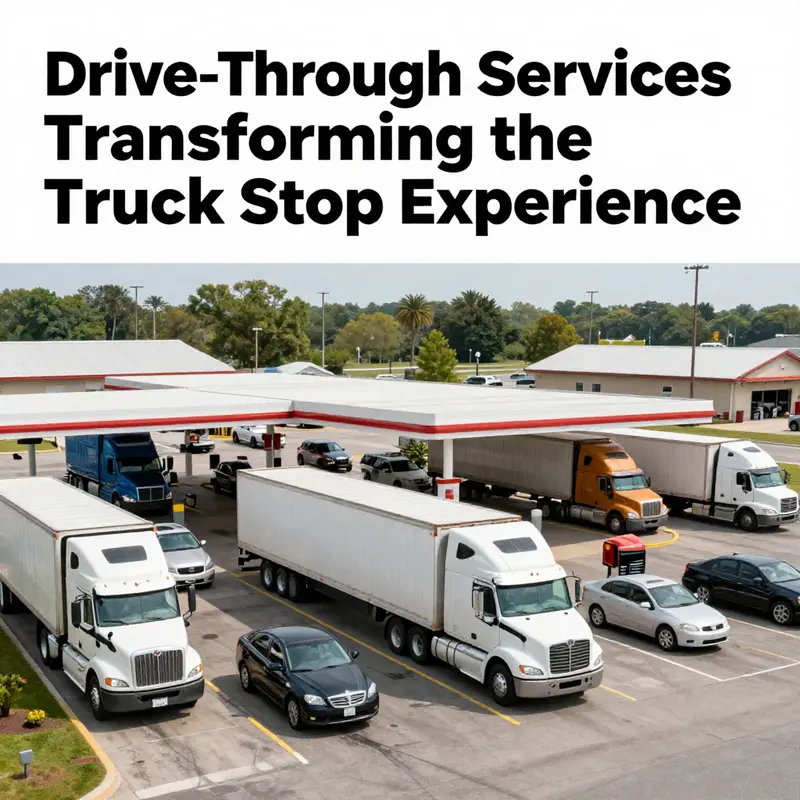
The journey along North America’s highways can be both rewarding and challenging for truck drivers. As they traverse vast distances, the need for efficient services becomes paramount. Drive-through options at truck stops have emerged as an essential innovation, allowing truckers to quickly access meals and supplies without leaving their vehicles. Major chains like Love’s and Pilot Flying J provide these valuable services, combining quality with convenience. This article explores how these drive-through services shape the truck stop experience, the economic advantages they offer, and the role technology plays in enhancing efficiency. By understanding these aspects, we can appreciate the importance of modern truck stops in supporting long-haul drivers.
In the Cab, On the Clock: The Rise of Drive-Through Services at Major Truck Stops
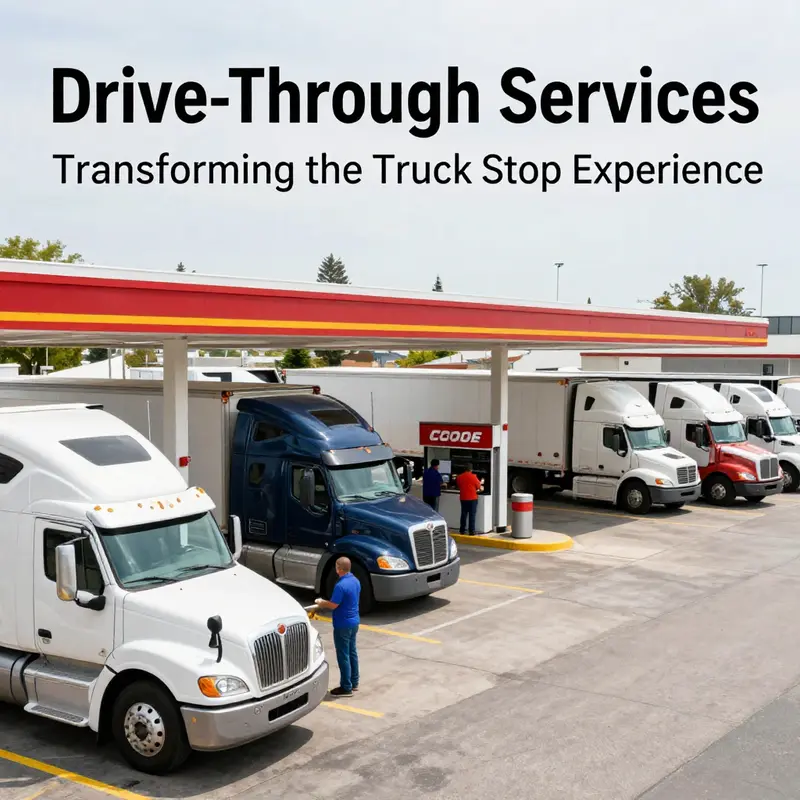
The trucking industry has long valued fuel, rest, and quick access to essential goods. Over time, these hubs have evolved from simple pit stops into integrated service centers designed to keep drivers moving with minimal downtime. A defining feature of this evolution is the drive-through service model. Across North America, networks of truck stops have begun to offer drive-through options for meals, beverages, and essential items. The concept is simple in its aim and ambitious in its execution: instead of forcing a driver to park, exit the vehicle, and walk to a storefront, the driver can stay in the cab and receive what they need through a window or a dedicated lane. The drive-through model extends beyond food to include beverages, basic vehicle maintenance items, and a streamlined path to restrooms or showers when needed. In a world where time is a decisive factor and weather can turn on a moment’s notice, this design offers a practical balance between speed and comfort that resonates with long-haul schedules.
What drive-through at a truck stop looks like in practice is a carefully choreographed dance of accessibility, speed, and accuracy. A driver arrives at a stop that features a designated drive-through corridor or a window integrated into the food-service area. Through a digital kiosk, a mobile app, or a staffed window, the driver places an order for a hot meal, a cup of coffee, or a grab-and-go snack. The order is prepared in a kitchen designed for rapid throughput, so that the moment the vehicle is in position, the staff can assemble the items and hand them off directly to the driver’s window. The result is a seamless exchange that keeps the truck rolling and the driver on schedule. This pattern mirrors the fast-food model but is tailored to the needs of truckers who must manage weight, route timing, and fatigue risk in a landscape where every minute matters.
Beyond food, drive-through service at these hubs often includes a compact assortment of essential items. Drivers can pick up beverages, basic automotive consumables, and overnight necessities without stepping away from the cab. In some locations, the drive-through area is connected to a broader fueling and maintenance complex, allowing drivers to replenish fuel, top up fluids, or check tire pressures via quick servicing lanes that complement the drive-through flow. The overarching design is not merely about speed; it is about reducing the cognitive load on drivers who must allocate limited attention to navigation, hours-of-service compliance, and the safety of their load while still meeting the demands of a demanding workday.
The strategic value of these facilities grows when you consider the human factors involved. Drivers routinely face harsh weather, late-night driving, and the uncertainty of tight delivery windows. A drive-through option minimizes the time spent outside the vehicle, which in turn lowers exposure to the elements and reduces fatigue arising from cold starts, rain, or snow. It also minimizes the need to navigate crowded parking lots, locate a storefront entrance, and stand in line with other customers. In effect, the drive-through model is a response to a set of practical concerns—the need for speed, safety, and reliability—that have long defined the trucking profession. The approach aligns with shifts in retail and hospitality toward contactless and vehicle-centric service, a convergence that has become more pronounced as digital ordering and mobile payments mature.
From an operations perspective, the rise of drive-throughs at truck stops reflects a deliberate push to optimize bottlenecks. The most successful implementations treat the drive-through as part of an end-to-end service experience rather than a standalone feature. This requires careful coordination among food preparation, order fulfillment, payment processing, and the vehicle flow in and out of the lot. At peak times, the drive-through can become a critical throughput point, and managers plan for it just as they do for fuel lanes or maintenance bays. The best designs anticipate queuing patterns, ensure clear signage, and provide real-time communication with drivers who may be idling in their cabs while orders are prepared. In many cases, the drive-through is not a single window but a small corridor of windows and pickup points that accommodates multiple orders in parallel, further decreasing wait times and preventing gridlock in the fueling area.
What matters most to drivers is the reliability that the drive-through promises. If a driver can pull into a stop, place a substantial portion of a meal or essential items through a window, and be back on the road within minutes, the value adds up in a tangible way. For long-haul operators, this reliability translates into predictable delivery windows, better management of fatigue, and a more balanced work rhythm. The psychology of the cab shifts when a driver experiences dependable, fast service; it reduces the mental drain of guessing whether a stop will eat into the clock and helps preserve a driver’s sense of control over the day’s timetable. The cumulative effect of consistent drive-through service is a more predictable, resilient trucking operation, capable of weaving in rest, nourishment, and essential resupply without derailing routes or schedules.
The adoption of drive-through service is not merely a feature but a signal about what modern truck stops aim to be. They are becoming multifunctional hubs where fueling, food, rest, and light maintenance converge under one roof. This convergence supports a broader ecosystem in which drivers can manage fatigue, stay nourished, and reorient themselves for the next leg of a journey. It also positions truck stops as critical nodes in the supply chain, where efficiency not only benefits individual drivers but also contributes to the reliability of freight movement on a national scale. In an industry that depends on steady, continuous movement, the ability to minimize downtime at each stop has a disproportionate effect on overall performance. The drive-through model, then, is more than a convenience; it is an operational philosophy that recognizes speed, safety, and service as mutually reinforcing pillars of the long-haul experience.
From a design perspective, drive-through facilities are typically integrated into the main traffic flow of the stop. The layout often features a dedicated lane or window along the periphery of the food-service area, with visibility from the fueling bays or parking rows so drivers can see when an order is ready. Many sites pair the drive-through with a compact, well-lit menu board and clear signage that minimizes decision time. In some locations, digital ordering kiosks allow drivers to place orders while still at the pump or while rolling toward the drive-through window, a feature that further accelerates the process. The movement toward digital capture is not limited to the order; payments can be completed through mobile wallets or contactless methods, reducing the need for cash handling and speeding up the handoff. This technological integration is a natural extension of the road-tested practice: in a space where precision and speed are valued, technology serves as a multiplier, turning a good drive-through into a truly high-throughput service.
An important nuance in this evolution is the emphasis on safety and driver well-being. Keeping drivers in their cabs during meals can help reduce distractions and simplify the task of eating while still efficient. The physical act of reaching across a console to retrieve a bag or a cup of coffee is minimized when the interaction occurs at a window, right where the vehicle is positioned. Safety protocols at drive-through points are adapted to the truck environment. Service windows are designed to prevent fall hazards, and the queuing areas are engineered to avoid blocking fueling lanes or egress routes. The combination of safety-minded design and time-efficient service creates a model that supports steady, long-range operation rather than episodic bursts of activity. If fatigue management is a core challenge for long-haul drivers, then the drive-through experience, when well-executed, becomes part of a broader fatigue-management strategy that keeps drivers alert, nourished, and capable of sustaining performance over many miles.
From the driver’s perspective, the drive-through option often represents more than a mere convenience. It is a practical response to the realities of a mobile career. The ability to grab a hot meal or a fresh cup of coffee without climbing down from the cab helps preserve time in the most direct sense. It also keeps meals consistent with a driver’s schedule, which may require careful alignment with delivery windows, pre-planned breaks, and mandatory rest periods. The option to order ahead and pick up at a designated window aligns with broader shifts toward consumer-grade convenience that have permeated many sectors of transportation and logistics. In this sense, the truck stop’s drive-through is not an isolated novelty but a strategic adaptation to a changing industry where drivers expect speed, accuracy, and a predictable experience comparable to what they encounter in other sectors of their lives. The drive-through becomes a normative feature, shaping expectations and driving further innovation in how service is delivered to those who spend the majority of their time on the road.
Operational data reinforce the appeal of drive-through service. Industry observers note that a substantial majority of long-haul truckers prefer truck stops that offer drive-through amenities. The preference hinges on convenience and efficiency, two attributes that align with the core demands of long-distance trucking. As digital ordering and mobile payment technologies mature, the reliability and speed of drive-through interactions improve, turning a once-optional feature into a standard expectation for drivers and fleet operators alike. The net effect is a more streamlined workflow for drivers and a more predictable revenue and throughput model for stop operators. While the precise percentage may vary by region and network, the direction is clear: drive-through services are becoming an indispensable component of modern trucking infrastructure. For a broader context on how these trends are shaping the industry, readers can consult industry resources from the American Trucking Associations, which outline the strategic implications of drive-through services at truck stops.
Internalizing these shifts requires attention to the human-centered design of the experience. The best drive-throughs anticipate the moments when a driver may be at the edge of fatigue or distraction and compensate with clarity, consistency, and redundancy in the process. Clear menu boards and simple choices reduce cognitive load at the moment of decision. A well-lit window and a quick pickup path minimize the risk of miscommunication or errors. When orders are fulfilled with a reliable cadence, drivers experience a sense of control and confidence in the stop as a dependable waypoint rather than an unpredictable detour. The cumulative effect of thoughtful design is a driver experience that supports safe, steady operation, reinforcing the perception of the truck stop as an essential partner in the long-haul journey rather than a mere waypoint on a route.
For industry professionals seeking to deepen their understanding of how drive-through services intersect with broader trucking operations, a wealth of practical knowledge exists in the field. The drive-through model complements fueling and maintenance streams, enabling a more integrated approach to stop throughput. In practice, that means a driver can coordinate a fuel stop with a drive-through pick-up or a quick maintenance check in a single, efficient sequence. Such integration reduces total stop time and fosters a more coherent, predictable cycle of activity on the road. It also creates opportunities for additional revenue streams within the stop, as customers may be drawn to a one-stop experience that covers meals, beverages, and essential items in a compact, vehicle-centered footprint. The industry therefore benefits from a design philosophy that treats the drive-through as a critical node in a network of services rather than as a standalone convenience. This philosophy aligns with the evolving expectations of drivers and fleets who seek to optimize every mile of the journey, maximize uptime, and protect the integrity of the cargo they carry.
To connect this discussion to practical resources, emerging drivers can explore platforms and channels that help locate stops with drive-through capabilities and other amenities. One such internal resource, useful for researchers and practitioners alike, is the general trucking blog associated with a prominent industry site, which aggregates observations on operations, safety, and efficiency in trucking contexts. See 5startruckin.com/blog/ for perspectives on how service design and fleet practices intersect in real-world settings. The drive-through phenomenon also invites ongoing exploration of how digital tools further streamline the in-cab experience, from pre-ordering to contactless payment and beyond.
From a policy and planning standpoint, the growth of drive-throughs invites consideration of regional demand, weather resilience, and infrastructure capacity. In northern climates, for instance, the ability to obtain nourishment and essentials without exposing drivers to snow, ice, or biting winds becomes an important safety feature during harsh seasons. In rain-soaked or foggy conditions, staying inside the cab while orders are fulfilled reduces exposure risk and enables drivers to maintain focus on the road ahead. These practical benefits are complemented by a broader social dimension: drive-throughs help maintain the well-being of drivers who, across long corridors of highway and rural byways, operate with limited time buffers. Fuel, snacks, hot meals, and restrooms may seem commonplace, but when delivered through a drive-through design, they become tangible enablers of safer, more sustainable long-haul operations. The cumulative effect is a trucking ecosystem that is more resilient, more predictable, and better aligned with modern expectations of speed, safety, and service.
As the industry continues to refine drive-through concepts, stakeholders will increasingly evaluate these services on how well they integrate with hours-of-service rules, fatigue management practices, and route planning. The capacity to pre-order, to synchronize stops with delivery windows, and to minimize idle times will shape the competitive landscape for truck stops. In this sense, drive-through services are more than a feature; they are a strategic lever for efficiency, a component of safety culture, and a signal of how the physical infrastructure of the road is adapting to contemporary transportation realities. The future of long-haul logistics will likely feature broader adoption of vehicle-centric service designs, more seamless digital integration, and a continued emphasis on reliability and driver well-being—an ecosystem in which the drive-through is a core, continually evolving element.
External context provides a useful macro view: industry associations track the trend toward drive-through services at truck stops and highlight the role these amenities play in shaping driver experience and operational efficiency. For a comprehensive industry perspective and the latest trend analyses, see the American Trucking Associations overview of drive-through services at truck stops. https://www.trucking.org/industry-trends/drive-through-services-at-truck-stops
null
null
Tech on the Throughway: Redefining Drive-Through Service at Modern Truck Stops
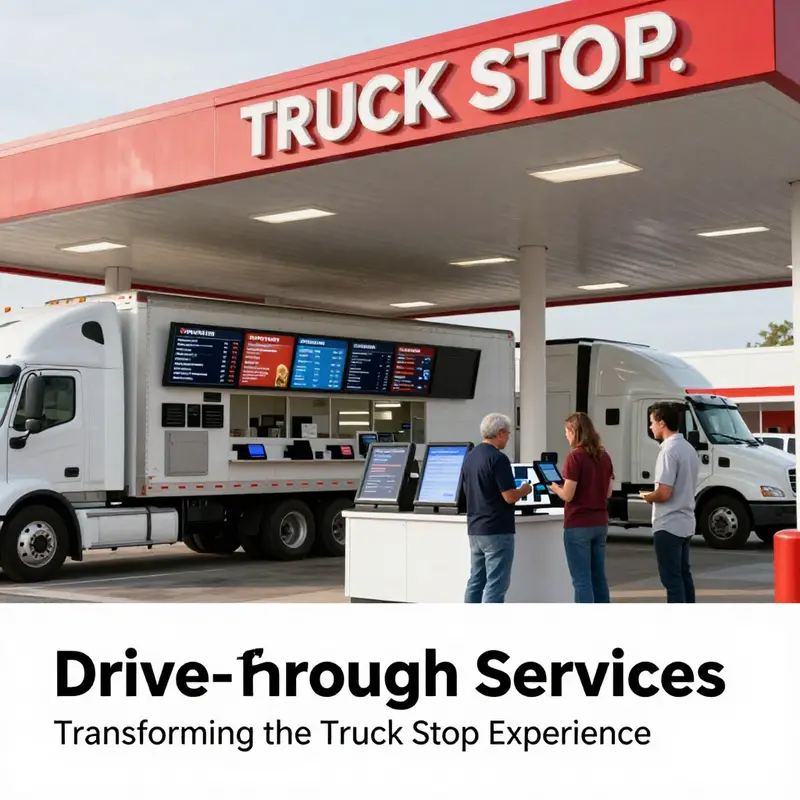
Across the North American network of rest stops, the drive-through concept has moved from novelty to expectation. For professional drivers who rely on precise timing to keep deliveries on schedule, the ability to order, pay, and receive meals or essentials without leaving the cab can shave minutes from a long day. The shift did not occur in isolation. It arrived as part of a broader push to turn truck stops into efficient, user-centric hubs rather than simple fuel points. In this chapter, we explore how technology is driving this transformation, molding a service model where speed, accuracy, and reliability are built into the design from the ground up.
At the core are digital ordering platforms that link menus, inventory, and payments in real time. When a driver taps a screen or speaks a request into a voice-activated kiosk, the system checks what is immediately available, routes the order to the appropriate kitchen or convenience counter, and reserves a pickup window time. The moment the vehicle pulls in, the digital backbone orchestrates a sequence: confirm, prepare, and notify. Cashless and contactless payments complement this flow, reducing friction for drivers who often juggle multiple tasks while on the move.
Automation and data come into play as real-time inventory feeds ensure that advertised items are actually in stock. Alerts can trigger substitutions if a popular item runs low, or prompt a suggested alternative that keeps the order on schedule. Automated order prep streams, sometimes visible on kitchen screens, provide transparency without requiring the driver to step out of the vehicle. The result is a shorter, more predictable wait time. For operators, this predictability translates into the ability to staff more efficiently, align labor with demand, and minimize waste.
Beyond speed, the drive-through experience becomes personalized through driver loyalty programs and analytics. By analyzing patterns in order frequency, time of day, and preferred items, operators can tailor offers to individual drivers. Promotions can be timed to coincide with long-haul schedules, rest periods, or fuel stops, creating a sense of continuity across journeys. Data also informs broader marketing strategies, letting operators refine menus and adjust promotions to match road realities rather than guesswork. Drivers benefit from relevant, timely rewards that acknowledge the constraints of a tight timetable.
For the people who run these operations, technology reshapes the entire workflow. Data collected from drive-through activity supports staffing decisions, inventory management, and procurement. Predictive models forecast demand by hour or route, smoothing the peaks that would otherwise strain kitchens or convenience counters. By integrating the drive-through with fuel pumps, rest zones, and connectivity services, operators can craft a cohesive ecosystem that encourages repeat visits and longer dwell times when appropriate—without sacrificing efficiency. In short, the technology becomes a force multiplier, turning advantage in a single window into sustained performance across a network. For a broader industry perspective, see Discovering the unparalleled services of 5 Star Truck Inc for deeper context on reliability and service excellence on the road.
Mobile apps and digital kiosks empower drivers with even more control. A driver may pre-order during a rest period, choose a pickup window that aligns with a delivery route, and pay ahead so that the moment they arrive, the order is ready. Notifications alert when the order is ready or when substitutions are offered, reducing the need for stand-by time. In some designs, a secure drive-through lane is integrated with the rest area, allowing a seamless transfer from vehicle to service bay, while other layouts optimize traffic flow to minimize congestion on busy corridors. The overarching aim is to deliver a frictionless, end-to-end experience that respects the time pressures of commercial driving while preserving a sense of reliability and comfort on the road.
From an industry perspective, these advancements are less about novelty and more about resilience. The trucking sector operates on margins and schedules, where delays ripple through every link in the chain. A drive-through that communicates clearly, processes payments smoothly, and delivers meals promptly helps drivers maintain concentration on the road and reduces the cognitive load of meal planning. For fleets and operators, the payoff is measured in uptime, on-time deliveries, and predictable operating costs. The combination of digital ordering, contactless payments, and real-time inventory creates a virtuous cycle: faster service invites more use, which in turn justifies further investment in automation and analytics. The result is a more stable, scalable model that can adapt to changing demand patterns, seasonal spikes, or regional variations in fuel and amenities.
As the road ahead unfolds, the future of truck stops appears as a fully integrated, tech-driven ecosystem. The facility emerges not just as a pit stop but as a connected hub where rest, refreshment, connectivity, and logistics intersect. A driver might arrive for a quick bite and end up benefiting from a broader set of services that anticipate needs—backup charging options for devices, high-speed Wi-Fi for dispatch or training, and seamless access to rest amenities aligned with fatigue management best practices. The drive-through becomes one facet of a comprehensive, user-centered experience designed to keep professionals safe, alert, and productive. Importantly, the evolution is not one-size-fits-all; operators can tailor technology layers to meet local demand, regulatory constraints, and the preferences of the drivers who depend on them.
Observing the trajectory of these developments, it is clear that the drive through function is only the most visible edge of a larger transformation. The true value lies in a systemic shift toward intelligent operations where every interaction—food, fuel, rest, or connectivity—feeds into a unified data stream. Real-time dashboards, inventory feeds, and customer analytics enable managers to optimize the entire value chain, from kitchen throughput to shelf replenishment. When a driver reports a delay or a route change, predictive systems can adapt recommended windows, suggest alternate items, or adjust labor assignments, reducing the downstream disruption that can derail an entire shift. The modern truck stop, then, is less a static waypoint and more a dynamic workspace aimed at sustaining momentum on the road.
For readers and practitioners seeking broader context, industry perspectives emphasize the importance of ongoing modernization without losing sight of reliability and safety. The integration of mobile applications and digital kiosks must be complemented by robust cybersecurity, data privacy practices, and clear, transparent communication with drivers about how data is used. In practice, this means designing interfaces that are intuitive for drivers who may be fatigued after long hauls, ensuring that payment flows are secure, and maintaining contingency plans for connectivity issues in remote routes. The end goal is a system that remains resilient during peak traffic, adverse weather, or regional fluctuations that affect service levels. When implemented thoughtfully, technology does not simply automate; it elevates the human experience on the road by offering predictability, respect for time, and improved safety outcomes.
To close the loop on the chapter’s thread, the question of whether there are truck stops with drive-through service moves from curiosity to evidence-based understanding. The landscape in practice shows a clear and growing acceptance of drive-through self-service across major networks and regional independents alike. These facilities, designed to align with the rhythms of trucking life, demonstrate how time can be saved without sacrificing quality. The narrative is one of continuity: technology enables speed, which enables reliability, which in turn unlocks higher levels of service and satisfaction for drivers who spend their days chasing miles rather than meals. In this sense, drive-through service at truck stops is not a luxury but a strategic component of modern transportation infrastructure that recognizes time as a critical asset on the road.
For readers seeking broader context on how technology is reshaping the highway economy, an external resource explores the broader landscape of truck stop technology innovation and its role in driving the future of the industry. Truckstop Technology Innovation.
Final thoughts
The integration of drive-through services at truck stops marks a significant evolution in how truckers access essential services. By prioritizing convenience and efficiency, these modern facilities cater to the unique needs of long-haul drivers. The economic and time-saving benefits further emphasize their importance, making long journeys a bit easier. As technology continues to enhance these services, truck stops will undoubtedly play a more critical role in supporting drivers on the road, ensuring they have what they need, when they need it.