
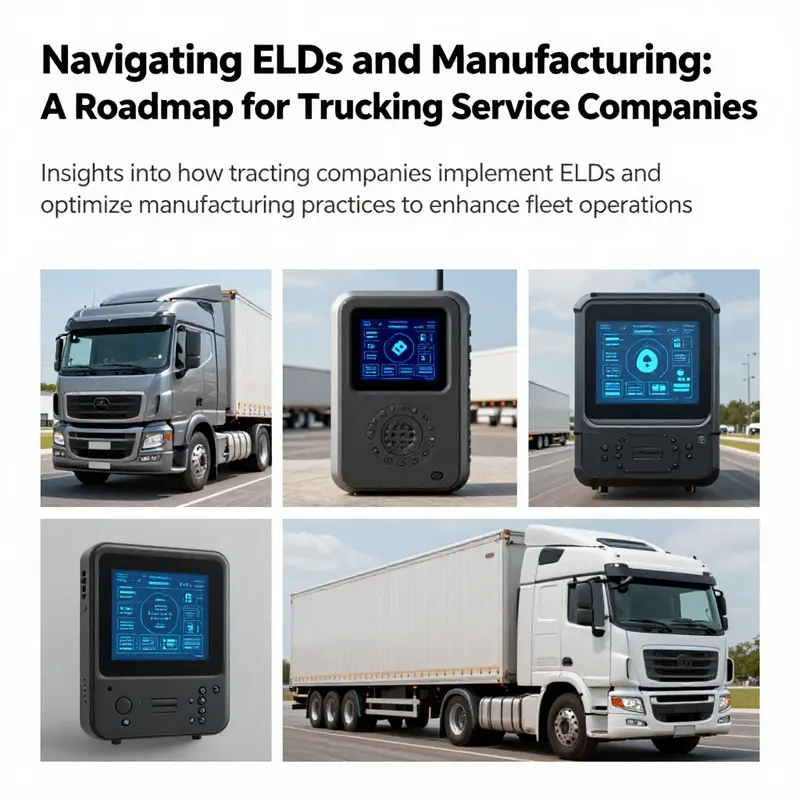
As the trucking industry progresses, the integration of Electronic Logging Devices (ELDs) and manufacturing innovations is becoming increasingly relevant for long-haul truck drivers, trucking company owners, fleet managers, and aspiring truck drivers. These technologies not only ensure compliance with regulations but also enhance efficiency and safety on the roads. This article delves into various aspects of ELD implementation and manufacturing practices, with a specific focus on companies like Savage that are leading the way. Each chapter will explore critical themes such as the practical applications of ELDs, the role of technology such as Knox Manage in fleet management, and the ever-evolving regulatory landscape. Together, we will piece together a comprehensive understanding of how ELDs and manufacturing strategies are shaping the future of trucking.
How Fleets Balance ELD Compliance and Financing: An Operational Look at a Major Carrier
Operational Harmony: Integrating ELDs and Factoring in a Large Trucking Fleet
A sizable freight carrier that has been operating for decades provides a clear example of how modern fleets integrate Electronic Logging Devices (ELDs) with pragmatic financial strategies to remain compliant and agile. The company’s experience shows how technology, policy, and cash-flow tactics combine to support daily operations. This chapter unpacks that blend of practices and lessons in an uninterrupted narrative.
The carrier faced a regulatory landscape that required precise documentation of driver hours. To meet that requirement, leadership adopted ELDs across the fleet. Rather than treating ELDs solely as compliance tools, the company framed them as foundational systems for safety, data-driven routing, and performance oversight. Devices were deployed on in-cab smart hardware, and a centralized device-management platform controlled provisioning, updates, and permitted applications. This approach ensured that the devices recorded hours accurately, while limiting non-work use that could distract drivers or consume data plans.
Implementation began with a phased rollout. Managers prioritized high-mileage routes first, so the company could validate device stability in the most demanding conditions. Fleet technicians were trained to install and troubleshoot the units. Drivers received hands-on sessions focused on daily use, fault reporting, and interactions with dispatch. This dual emphasis on hardware reliability and human-centered training reduced resistance to change and improved initial compliance rates.
Beyond installation, the carrier treated the ELD ecosystem as a living system. Data flows were routed to an operations center where analysts reviewed patterns in hours-of-service, idle time, and dwell at terminals. Real-time alerts flagged potential log violations, enabling dispatchers to reroute or reschedule loads before violations occurred. Over time, the analytics team produced operational dashboards. Those dashboards helped operations managers identify chronic bottlenecks at specific terminals and negotiate turnaround improvements with customers. In other words, ELD data fed both safety and efficiency conversations.
A key operational benefit emerged from consolidated device control. The fleet used secure management policies to govern what the in-cab devices could access. By limiting apps to those necessary for navigation, messaging, and logging, the company reduced cybersecurity exposure and saved on data costs. Centralized control also allowed IT to push critical firmware updates overnight, minimizing downtime.
However, technology alone did not solve underlying financial constraints. Like many transportation businesses, the company experienced gaps between invoicing and payment. Loads were completed on reliable schedules, but accounts receivable often lagged. To bridge this cash-flow gap, the carrier employed invoice financing strategies commonly called factoring. This financial practice converts outstanding invoices into immediate working capital, enabling the operator to cover fuel, payroll, and maintenance needs without waiting 30 to 90 days for customer payments.
Careful use of factoring helped the carrier maintain operational momentum. With prompt funding, the company could authorize preventive maintenance, replace tires proactively, and secure spot markets during peak demand. Those investments reduced breakdowns and improved on-time performance. In essence, factoring acted as a lubricant for daily operations, enabling investments that otherwise might have been deferred.
That said, the company treated factoring with caution. Executives recognized the potential downsides: service fees, contractual obligations, and dependency risk. They negotiated transparent fee schedules and chose factoring partners that aligned with the carrier’s payment cycles. Internal policies limited the proportion of receivables eligible for factoring, preserving bargaining leverage with customers and supporting long-term financial resilience.
Integrating both systems—ELDs and factoring—created practical synergies. Accurate ELD records improved billing accuracy and reduced disputes over driver hours. That cleaner invoicing pipeline meant factoring partners saw lower dispute rates and faster confirmations. In turn, better factoring terms reduced financing costs. Additionally, ELD-derived proof of service strengthened the carrier’s position during credit assessments, making some lenders more comfortable offering favorable lines.
Operational leaders also used ELD analytics to drive cost reductions that complemented financial strategies. For example, by analyzing idle patterns, the company reduced fuel consumption and idling fines. Lower fuel use translated into smaller short-term financing needs. Similarly, route optimization improved truck utilization, increasing revenue per mile and easing cash-flow pressure.
Despite these advantages, risks remained. Some smaller carriers that engaged with aggressive factoring providers have reported onerous terms and hidden fees. To avoid similar pitfalls, the carrier employed a procurement-like process when choosing factoring partners. The process required proof of transparent fee structures, clear dispute resolution terms, and exit clauses. It also mandated an assessment of how factoring would impact customer relationships, particularly where customers had unique billing terms.
Another area of vigilance was regulatory compliance beyond the ELD itself. The company maintained robust audit trails, combining ELD records with maintenance logs and driver training records. This comprehensive documentation reduced exposure during inspections and created a record that arbitration panels could use in billing disputes. In effect, compliance documentation strengthened both operational credibility and financial integrity.
Culturally, the company invested in communication. Drivers were briefed on how ELD data would be used and what protections were in place to prevent misuse. Finance teams explained the temporary nature of invoice financing and how it supported operational continuity. When teams understood the broader benefits, adoption improved and friction decreased.
Ultimately, the carrier’s experience illustrates a balanced model. Technology-centered compliance, when paired with prudent financial engineering, enables steady operations and measured growth. Centralized device management reduces risk and supports consistent data quality. Factoring provides liquidity but demands careful vendor selection and contract oversight. When both systems are aligned, they create a resilient operational platform that supports safety, service reliability, and cash-flow stability.
For carriers considering similar moves, the practical takeaway is straightforward: treat ELDs as multifunctional assets, not merely compliance appliances. Combine accurate operational data with prudent financing policies to smooth cash flow. Establish transparent relationships with financing partners. Finally, maintain visible, consistent communication with drivers and stakeholders to preserve trust and operational cohesion.
For more information on the regulatory requirements that drive ELD adoption, consult this federal overview: https://www.fmsa.gov/ELD/overview.html
For a perspective on industry peers and service excellence, see this profile on a company in the sector: Unveiling 5-Star Truck Inc., a beacon of excellence in trucking services.
Data-Driven Fleets: How ELDs and Digital Factoring Are Redefining Trucking Operations
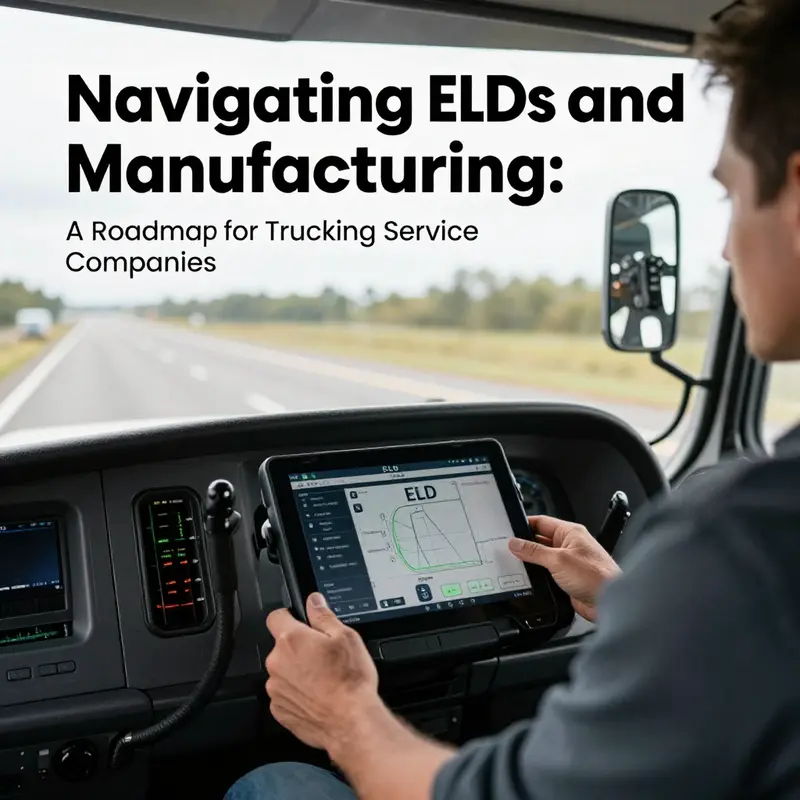
The trucking landscape in emerging markets is being reshaped by two complementary forces: electronic logging devices (ELDs) and digital factoring platforms. When paired, they transform not only compliance and cash flow, but the very architecture of how fleets plan, operate, and scale. ELDs have moved beyond the mandate-driven ledger of hours and location. They have matured into real-time sensors that feed a broader ecosystem of fleet management, safety analytics, and route optimization. The fleet manager who once relied on static schedules and manual logs now has a living map of every truck, every driver, every route, and every minute of the workday. GPS accuracy, continuous location updates, and vehicle status feeds create a granular picture of operations that was previously unattainable. This deep visibility enables smarter decisions about maintenance windows, loading patterns, and driver assignments. The same data that proves regulatory compliance also becomes a backbone for performance improvements. In practical terms, modern ELDs are not just about logging hours; they are gateways to telematics platforms that aggregate vehicle data with engine diagnostics, fuel usage, idle time, and route metrics. When these platforms connect with dispatch systems, the result is a more cohesive and resilient operation. Fleet leaders can anticipate bottlenecks, re-route proactively, and align capacity with demand in near real time. The implications go beyond efficiency. Safety is enhanced because the system can detect driving patterns that elevate risk and deliver timely feedback. A driver who habits abrupt braking or excessive idling can receive automated prompts and coaching without waiting for a manual review. This proactive approach helps constrain incidents before they occur and reduces wear on assets, contributing to lower maintenance costs and longer vehicle life. The data approach also supports regulatory compliance in a more robust way. Hours-of-service (HOS) compliance remains the anchor, but the same data streams enable more precise enforcement of safety policies and better documentation practices for audits. In markets where regulatory regimes are still evolving, the ability to demonstrate a disciplined, data-driven operation can become a competitive advantage. As operators grow, the need for scalable, secure data management becomes evident. A smart ELD framework integrates with broader telematics and fleet-management systems, enabling seamless data exchange across the fleet. This integration is not merely a technical convenience. It shapes how carriers compete for capacity, how they negotiate with customers, and how they structure relationships with financing partners. In this sense, ELDs become a core component of a future-ready fleet rather than a standalone device. The evolution of ELDs also intersects with the acceleration of digital factoring, a financial technology that changes how trucking businesses access working capital. Digital factoring platforms provide instant credit assessments, automated invoice verification, and rapid access to funds. They leverage a combination of historical performance data, shipment tracking, and driver metrics to evaluate risk in real time. This is especially meaningful for smaller carriers and owner-operators, who traditionally faced slower, more opaque funding options. By presenting lenders with a transparent, end-to-end view of operations, factoring platforms reduce uncertainty and unlock liquidity that would otherwise be tied up in aging invoices. The synergy between ELDs and digital factoring is not simply additive; it is compounding. When lenders can see a carrier’s real-time operational data—such as on-time pick-ups, consistent route adherence, and efficient fueling patterns—the risk model becomes more nuanced and accurate. A carrier that demonstrates reliable throughput, healthy utilization, and disciplined maintenance signals lower credit risk and more favorable terms. This virtuous circle—better operational transparency leading to improved access to capital, which in turn funds investments that further enhance efficiency and sustainability—creates a powerful growth engine for carriers, especially those in emerging markets where margins are tight and financing options are limited. Consider a typical smaller fleet navigating seasonal demand and fluctuating cash flow. ELDs give the dispatcher a precise view of capacity and live status of each asset. Digital factoring then bridges the gap between service delivery and payment, smoothing cash flow so maintenance, spare parts, and preventive services can be planned without crippling peaks in accounts receivable. The financial resilience this combination affords enables a strategic shift toward sustainability-driven investments. When cash flow is steadier, fleets can justify upgrading engines to more fuel-efficient models, adopting alternative fuels where viable, and continuing preventive maintenance programs that reduce downtime. The environmental payoff is real. Reductions in idle time, more efficient routing, and better utilization of assets translate into lower fuel consumption and fewer emissions per mile. In markets where air quality and energy security are pressing concerns, these improvements contribute to broader policy objectives and help carriers align with customer expectations for responsible operations. Yet the transition demands careful governance and security. The ELD ecosystem collects sensitive data—from driver performance and routing choices to maintenance histories. Sharing this information with factoring platforms or lenders must be governed by clear data-use policies and robust privacy controls. Operators must work with technology partners who emphasize data integrity, access controls, and traceability. The architectural design of the data layer matters as much as the data itself. It requires standardized data formats, interoperable interfaces, and secure data transfer protocols to ensure that information remains accurate and tamper-proof as it flows across systems. In many fleets, data silos have historically limited visibility. The current wave seeks to break those silos by enabling permissible data sharing that benefits all stakeholders: the driver, the dispatcher, the maintenance shop, the financing partner, and the customer who relies on timely deliveries. This cross-functional transparency supports more accurate performance metrics, improved service reliability, and faster decision-making. The practical impact for operators is clear. A carrier can forecast maintenance windows with higher confidence, schedule preventive work without disrupting service levels, and price capacity with a more reliable understanding of risk. With better liquidity from factoring, fleets can fund proactive strategies—such as predictive maintenance, driver coaching, and fuel-management programs—that yield compounding savings over time. The operational uplift also shifts the competitive landscape. Carriers that embrace data-driven workflows and secure financing arrangements can scale more aggressively without sacrificing reliability. They can absorb seasonal spikes, deploy additional equipment to meet surging demand, and maintain service quality even as margins tighten. For emerging-market operators, the ability to demonstrate disciplined operations and financial stability to customers and lenders can be transformative. It lowers barriers to entry, enables more favorable credit terms, and broadens access to new routes and customers. It also fosters a culture of continuous improvement. With data guiding decisions, fleets can experiment with route optimization, driver scheduling, and load consolidation in a controlled, measurable way. The feedback loop between operations and finance becomes a steady engine for learning. While the technology promises substantial benefits, successful implementation hinges on a thoughtful integration strategy. Carriers should pursue a converged stack where ELD hardware, telematics software, and factoring platforms share a common data model. This reduces integration costs, improves reliability, and ensures that insights from one system can be acted upon across the organization. Equally important is leadership alignment across operations, finance, and compliance teams. A shared view of goals—improved safety, stronger liquidity, and sustainable growth—helps align metrics and incentives. In practice, this means defining clear data governance policies, setting risk thresholds for financing, and establishing a cadence for reviewing performance with an eye toward optimization and resilience. The trajectory ahead is not merely about adopting tools; it is about cultivating a data-centric operating model. As ELDs become embedded in the day-to-day rhythm of dispatch and maintenance, and as digital factoring mats enable more stable cash flows, fleets crystallize into sophisticated, adaptive networks. They can respond to market fluctuations with agility, preserve reliability under pressure, and invest in practices that sustain both performance and the environment. This progression also resonates with broader industry trajectories toward sustainability and supply-chain transparency. When fleets operate with clarity about their logistics, emissions, and efficiency, customers gain confidence in the reliability and social value of trucking services. This alignment with stakeholder expectations—regulators, customers, and financiers—enhances the strategic position of carriers that embrace data-driven ELDs and digital finance. For readers seeking a broader perspective on how technology reshapes trucking beyond compliance, consider the ITF’s comprehensive exploration of truck technology and sustainability trends, which provides a global context for these shifts: https://www.itf-oecd.org/en/publications/2024-truck-technology-and-sustainability-trends. As a practical takeaway, operators can begin by mapping data flows across ELD, telematics, and factoring platforms, identifying where data can be shared securely to improve forecasting, risk scoring, and liquidity. Small steps—standardizing data definitions, establishing governance, and choosing partners with robust security and interoperability—can yield outsized rewards over time. The path toward smarter, more resilient fleets is not a single upgrade but a continuous enhancement of how information moves, how decisions are made, and how capital is deployed to sustain productivity and growth. In this light, the future of trucking rests on the disciplined integration of operations data and financial analytics, a synergy that turns real-time insights into sustainable value for drivers, fleets, customers, and the communities they serve. For fleets aiming to mirror this progress, the journey begins with recognizing that today’s ELDs are not mere logbooks—they are strategic instruments for reliability, safety, and financial health. The same data that proves compliance can unlock faster payments, better terms, and smarter investments in a cleaner, more efficient transportation system. And as these systems evolve, fleets that embrace the combined power of real-time operational intelligence and liquidity management will shape a more resilient trucking industry for years to come. To explore related discussions on fleet design and efficiency in high-stakes service contexts, see the article on design efficiency in emergency services. design efficiency in emergency services.
Navigating ELD Mandates and Factoring: Compliance, Risk, and Financial Integration for Trucking Services

Compliance and the Financial Chain: How ELD Rules Reshape Trucking Operations
The introduction of electronic logging requirements transformed more than driver paperwork; it reshaped operational risk, cash flow practices, and the relationship between carriers, drivers, and financial partners. At its core, the mandate requires reliable, auditable records of Hours of Service (HOS) so regulators can verify safe duty patterns. For trucking service companies, that regulatory demand now threads through fleet management, audit readiness, and even the way invoices move from freight delivery to bank deposit.
Regulatory compliance begins with device deployment and extends to policy, training, and continuous oversight. Fleets must equip vehicles with certified electronic logging solutions and keep firmware and configurations current. Beyond hardware, companies establish rules for daily use, including how drivers authenticate, how edits are handled, and how roadside inspections are responded to. These operational rules reduce exposure to violations that can lead to fines, units placed out of service, or degraded safety scores that affect insurance and contract opportunities.
This compliance architecture directly intersects with financial operations through factoring relationships. Factoring has long served as a lifeline for small fleets and owner-operators who need immediate cash against freight invoices. Under the ELD regime, however, factoring partners increasingly request supporting telematics and HOS records to corroborate claims. The logic is straightforward: buy-side risk assessment and fraud prevention both improve when a factoring company can verify that a truck was on the road, driven by a compliant operator, and that the billable time aligns with recorded driving duty.
The need for verifiable ELD data changes underwriting practices. Factors typically request trip manifests, proof of delivery, and now electronic logs or snapshots that align with billed miles and hours. When records are consistent and tamper-evident, factors are more willing to advance funds and to offer competitive rates. Conversely, inconsistent logs, unexplained edits, or gaps in telematics create friction. In some cases factoring firms delay advances until audit trails are reconciled or may apply higher reserves to cover potential chargebacks.
Operational implications ripple through the company. Dispatch and operations teams must prioritize accurate load assignments that respect driver HOS windows to avoid forced reconsignment or detention costs. Accounting must reconcile ELD exports with invoicing systems so that billing disputes are minimized. Driver onboarding now includes clear instruction on log handling and the business reasons for accurate entries; drivers must understand that their logs affect both legal risk and the company’s working capital.
Integrated platforms which combine logging data, dispatch records, and billing can streamline compliance and finance workflows. When HOS data flows into accounting systems in near-real time, carriers and factoring partners gain visibility. This reduces the likelihood of rejected invoices and accelerates funding. To achieve this, companies often standardize on a single telematics export format and implement internal controls so that data used for audits and for invoices is consistent and auditable.
Beyond system integration, internal governance plays a central role. Regular internal audits of ELD data detect patterns of noncompliance early. Supervisors should review exception reports daily and investigate anomalies such as frequent edits, unexplained duty status changes, or repeated proximity discrepancies between GPS and assigned routes. A documented corrective action process that records investigations and remediation steps is essential. These records demonstrate a company’s proactive stance during external audits and when presenting evidence to financial partners.
Training is a second pillar. Drivers must know not only how to operate the logging device but why accuracy matters for the company’s financial stability. Practical training covers common log issues, acceptable reasons for edits, and how to handle roadside inspections. Clear escalation paths enable drivers to report device problems immediately without risking corrective entries later. For dispatchers and operations managers, training focuses on planning loads within HOS limits and recognizing when to reassign or rest a driver.
Factoring agreements themselves are evolving. Forward-looking factoring partners build expertise in transportation compliance and design product terms that account for ELD data. These partners may offer tools to ingest telematics feeds, perform automated verification, and flag suspicious activity. For carriers, choosing a factor that understands how ELDs shape risk is as important as fee structures. A partner that can accept machine-readable logs and reconcile them against invoices reduces administrative burden and improves cash flow predictability.
Risk management extends to vendor selection and contractual terms. When selecting device management platforms and telematics vendors, carriers should insist on features that support both regulatory and financial needs. These include secure, immutable log exports; role-based access controls to prevent unauthorized edits; and audit trails that document who made changes and why. Contracts should clarify data ownership, retention policies, and responsibilities for maintaining certification compliance. Procuring technology without contract language that enforces these protections creates downstream exposure during audits or funding reviews.
Data privacy and security cannot be overlooked. ELDs capture location and duty status information that is sensitive for drivers and commercial partners. Companies must shield that data from unauthorized access while still providing necessary reports to regulators and financial partners. Implementing least-privilege access, encrypted transfers, and retention policies aligned with regulatory requirements reduces breach risk and limits liability in disputes.
Finally, practical processes that bridge compliance and finance win the day. Establish a routine for exporting trip-level ELD data at invoice creation, reconciling it with proof-of-delivery documents, and attaching it to the factor package. Maintain a standard packet for factoring submission that includes dispatch manifests, carrier and driver attachments, ELD snapshots, and a short compliance cover letter highlighting any exceptions and corrective steps taken. This transparency builds trust and reduces processing time.
A trucking company that successfully aligns ELD compliance with factoring achieves two outcomes: regulatory risk is reduced and working capital becomes more predictable. That alignment requires deliberate technology choices, disciplined operational controls, and relationships with financial partners who understand modern telematics. When these elements work together, ELDs shift from a regulatory burden to an enabler of faster, safer, and more transparent commerce.
For a practical example of carrier-focused operational excellence and fleet standards, see Unveiling 5 Star Truck Inc., which outlines carrier practices that align safety and service priorities: https://5startruckin.com/unveiling-5-star-truck-inc-a-beacon-of-excellence-in-trucking-services/
For authoritative regulatory guidance on ELD requirements and Hours of Service standards, consult the Federal Motor Carrier Safety Administration: https://www.fmcsa.dot.gov/
Secure In-Cab Tablet Management: How Device Platforms Make ELD Compliance Work
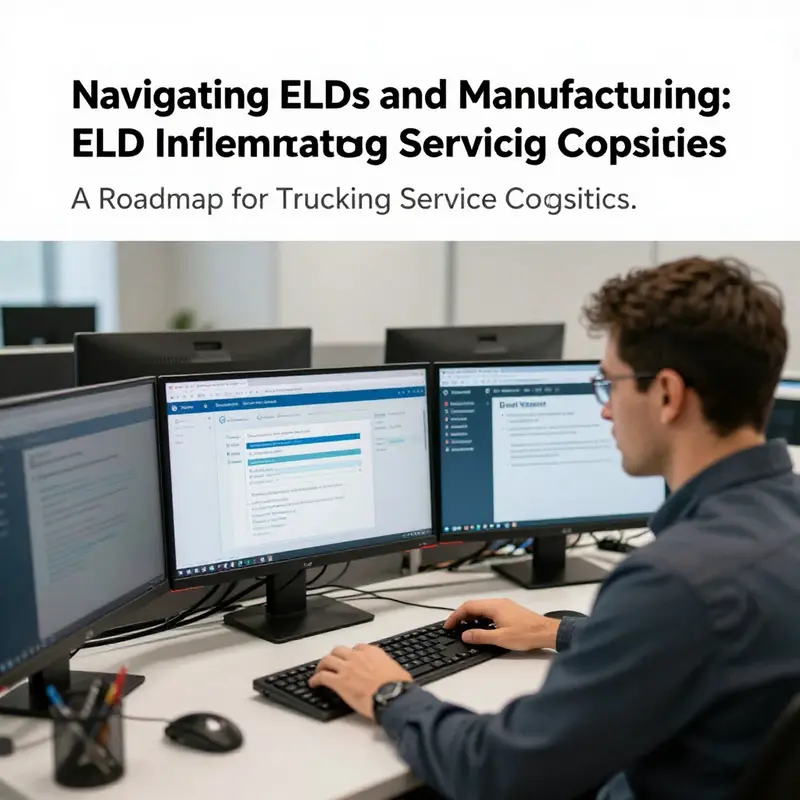
Secure device platforms are the backbone of modern ELD deployment in trucking fleets. When fleets move from paper logs or disparate phone solutions to certified electronic logging systems, success depends less on the logging application itself and more on how the in-cab devices are provisioned, secured, monitored, and maintained. A centralized device management platform turns rugged tablets and mobile units into reliable, auditable endpoints that protect logs, reduce driver friction, and keep fleets aligned with regulatory demands.
At the heart of this shift is the need to treat each tablet as a regulated instrument rather than a generic consumer device. That means enforcing consistent configurations, locking down features that could enable tampering, and ensuring that software updates and policy changes roll out predictably across dozens, hundreds, or thousands of vehicles. The platform that manages these endpoints performs three interlocking functions: policy enforcement, remote lifecycle control, and enterprise integration. Together, these functions close operational gaps that otherwise expose fleets to compliance risk and downtime.
Policy enforcement begins with setting device-level constraints that mirror ELD rules. A managed device can have its camera disabled, debugging interfaces turned off, and biometric authentication tuned to prevent unauthorized use. Those controls matter because they remove low-effort tampering vectors and prevent drivers or third parties from bypassing logging functions. Equally important is the ability to restrict the device to a small set of permitted apps and services. When a tablet boots into a secure, single-purpose mode, the logging application and a handful of approved business tools are all that remain available. This reduces distractions for drivers and removes opportunities for non-business data to contaminate official records.
Remote lifecycle control covers actions that fleets must be able to take across a dispersed, moving inventory of devices. When a unit is reported lost or stolen, the ability to lock it remotely and purge sensitive data stops exposure of electronic logs and company credentials. Locating a missing device can salvage audit trails and help explain time and mileage gaps during an inspection. Over-the-air updates push critical firmware and security patches without requiring physical recall of vehicles. This is vital: delayed patches increase vulnerability windows and create compliance headaches. In short, a device platform turns a tablet from a fragile point of failure into a controllable asset.
Enterprise integration binds in-cab devices to the broader IT environment. Connecting device authentication to directory services and email systems streamlines user provisioning and revocation. When a driver changes roles or leaves the company, enterprise-linked policies ensure their access to device functions ceases automatically. Integration also enables centralized logging of device events, which feeds into fleet dashboards, incident management systems, and compliance reports. That consolidated telemetry helps safety teams spot patterns, such as repeated late-night unlocks or frequent app crashes, which may signal training needs or hardware issues.
Real-world deployments show how these capabilities matter. A freight services company modernized its in-cab technology by equipping trucks with rugged, business-class tablets coupled with certified logging software. The device platform was used to preconfigure each tablet at scale, define secure profiles tailored to driver workflows, and enforce restrictions that preserved the integrity of electronic logs. Devices arrived on trucks ready for work, reducing setup time and training burden. As the fleet scaled, administrators rolled out software updates and policy changes centrally, ensuring every unit remained compliant and consistent.
That same deployment highlighted other operational benefits. With remote diagnostics, maintenance teams identified faulty peripherals and battery degradation before drivers experienced downtime. Fleet managers received location-aware alerts when devices were offline or unexpectedly moved. And because the platform separated personal use from business mode, drivers could use familiar hardware without exposing company systems to unsecured consumer applications. The net effect was a smoother driver experience, measurable reductions in device-related support calls, and stronger audit readiness.
Security and compliance are not static objectives. Regulations evolve, as do threats and device capabilities. An effective device management approach anticipates change. Administrators maintain templates for different classes of assets: long-haul tractors, local delivery vans, and shop-support tablets. Each template defines permitted apps, connectivity rules, and update cadences. When regulations tighten or a vulnerability emerges, templates are adjusted and pushed fleetwide in minutes rather than days. This agility reduces the window between identifying a risk and enforcing a protective response across the operation.
Training and human factors matter as well. A managed device can deliver context-sensitive guidance directly to drivers. For example, a tablet can present a quick checklist before a trip, or a short video on proper log handling after a policy update. Because the device platform controls which content reaches the screen, training materials remain consistent and traceable. This approach improves compliance behavior without relying solely on in-person sessions or disjointed learning systems.
Operational transparency improves, too. Centralized reporting aggregates device health, usage patterns, and app performance into dashboards that inform procurement and maintenance decisions. If a particular tablet model shows higher failure rates, fleets can adjust purchasing criteria to favor more durable hardware. If certain routes correlate with frequent device disconnections, network or mount solutions can be re-evaluated. These insights turn device fleets into sources of continuous operational improvement rather than unpredictable costs.
There are design choices that separate successful implementations from problematic ones. Prioritizing devices with business-focused ruggedness and battery life reduces on-road failures. Choosing a management platform that supports staged rollouts prevents fleet-wide disturbances when a new policy has unforeseen consequences. Ensuring the platform supports remote troubleshooting reduces truck visits to service centers. And maintaining clear governance around who can change policies prevents accidental or malicious misconfiguration.
Finally, consider audit readiness. Inspections often require producing unaltered log histories and demonstrating chain-of-custody for device data. A managed device platform records policy enforcement actions, software updates, and remote administrative operations. Those records, when paired with the native ELD logs, form a defensible narrative that can satisfy auditors. The ability to present a single, corroborated timeline of events reduces dispute risk and demonstrates a commitment to thorough compliance.
Device management platforms are a practical necessity for fleets adopting ELDs at scale. By enforcing policies, enabling remote control, integrating with enterprise systems, and supporting training and diagnostics, these platforms convert tablets into secure, compliant tools. They also reduce operational friction, cut support costs, and provide the visibility fleets need to operate reliably and defend their practices during audits. For any carrier looking to modernize its in-cab technology, the decision to invest in strong device management is as consequential as the choice of the logging application itself.
For a case study that examines how device management supports transportation solutions, see the transportation-focused business case study.
For more on fleet service excellence, explore this profile of a leading trucking services provider: unveiling-5-star-truck-inc-a-beacon-of-excellence-in-trucking-services.
How ELD Data and Advanced Manufacturing Will Reshape Trucking Operations
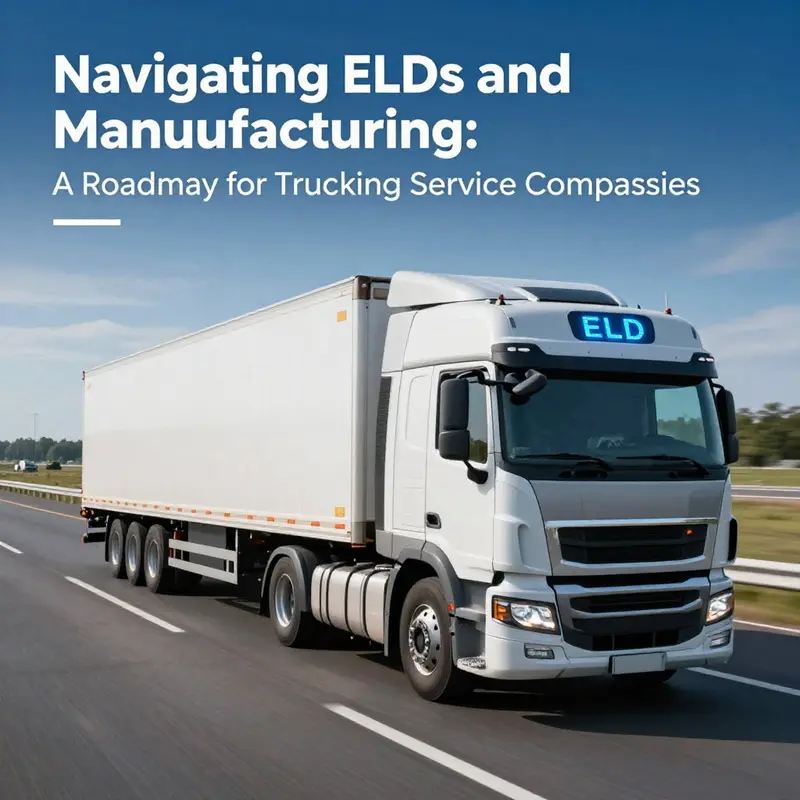
A single stream of operational truth is emerging from trucks on the road. Electronic logging devices have evolved from regulatory record-keepers into continuous sensors on a modern supply chain. When combined with advances in vehicle manufacturing, they form a feedback loop that shortens design cycles, boosts uptime, and refines operational strategy. This chapter follows that loop and shows how fleets and manufacturers will co-create better vehicles and services through data-driven collaboration.
ELD systems now capture more than hours-of-service records. They record engine events, fuel use, idle duration, braking patterns, and lane behavior. These data points, once anonymized and aggregated, reveal patterns that matter to both fleet operators and vehicle makers. Fleets use insights to predict maintenance needs and reduce fuel burn. Manufacturers use the same patterns to identify design weaknesses, select stronger materials, or adjust drivetrain tuning. The result is not merely incremental improvement; it is a shift from episodic problem-solving to continuous product refinement.
This shift is underpinned by three technological currents that converge in the vehicle: pervasive connectivity, machine intelligence, and flexible manufacturing. Connectivity turns trucks into nodes on a network. Machine intelligence digests streams of telemetry and produces actionable recommendations. Flexible manufacturing techniques convert recommendations into physical change faster than traditional production lines ever could.
On the operational side, real-time monitoring informed by logging devices makes predictive maintenance practical at scale. Rather than waiting for a scheduled service window or reacting to a breakdown, fleets can identify components trending toward failure and intervene selectively. This reduces unscheduled downtime and extends component life. It also allows service schedules to be tailored to duty cycles: vehicles that drive heavy urban routes receive different attention than long-haul tractors. The efficiency gains do more than trim costs; they improve asset availability and route reliability.
Driver behavior analytics form another major benefit stream. Subtle, repeatable patterns—consistent high-rpm driving on specific corridors, repeated hard braking at particular intersections—emerge from ELD data and suggest targeted training or route adjustments. Fleets that pair these insights with incentive structures see measurable safety gains. Over time, safer driving patterns become network-wide norms, lowering insurance exposure and reducing attrition driven by accident-related stress.
On the manufacturing side, the adoption of modular production and additive processes shortens the path from insight to implementation. When a fleet signals that a suspension component wears more rapidly under certain loads, manufacturers equipped with modular designs can swap a different module in and validate the change using digital twins. Additive manufacturing enables rapid prototyping of revised parts, allowing field trials without full-scale retooling. Virtual validation through simulation reduces the need for costly physical prototypes. Together, these capabilities compress innovation cycles from years to months or even weeks.
A practical implication is the emergence of fleet-specific vehicle variants. Rather than offering one-size-fits-all models, manufacturers will increasingly deliver platforms that adapt to mission profiles. Urban distribution trucks may prioritize battery thermal management and compact drivetrains, while regional haulers favor aerodynamic packages and longer-range solutions. This differentiation stems from the granular operational data fleets provide. When manufacturers incorporate that feedback, vehicles become optimized for their real-world missions rather than idealized test cases.
The convergence of ELD data with manufacturing also reshapes procurement and aftermarket support. Fleets gain leverage when they bring empirical duty-cycle data into procurement conversations. They can request components validated for specific stress patterns and secure warranty terms that reflect actual usage rather than generalized assumptions. Aftermarket providers, armed with the same data, can pre-position parts and recommend service intervals that minimize downtime. This reduces logistic complexity and sharpens the economics of parts inventory.
Software becomes a central asset in this ecosystem. The vehicle will increasingly behave like a software-defined system where updates and calibrations are delivered over the air. Firmware and configuration changes based on fleet telemetry can fine-tune performance between physical product iterations. This blurs the lines between manufacturer and operator responsibility, creating opportunities for new service models. Subscription-based performance tuning, usage-based warranties, and outcome-focused contracts become feasible. The most successful players will be those that align incentives so that manufacturers, service providers, and fleets benefit from improved reliability and efficiency.
Regulation remains a shaping force. Mandates that establish baseline logging and data-retention standards create the common ground for innovation. Standardized data formats and secure, privacy-preserving sharing protocols will accelerate collaboration. Yet regulation also demands vigilance: data governance rules and driver privacy protections must be respected. Fleets and manufacturers who design transparent data practices will earn trust and avoid regulatory friction.
Workforce implications are real and lasting. Maintenance technicians will need digital fluency as much as mechanical skill. Fleet managers will interpret dashboards and ask for design changes, while engineers will translate telematics-derived requirements into durable solutions. Driver training will shift toward continuous learning informed by personalized feedback. Companies that invest in cross-disciplinary training and embed data literacy across roles will unlock the most value from the convergence of ELDs and manufacturing.
Barriers remain. Data integration across disparate platforms is technically and commercially complex. Small fleets may struggle to invest in advanced analytics or to negotiate design changes with manufacturers. Interoperability standards must mature so that insights flow from truck to factory without friction. Yet these challenges are solvable through collaboration: fleet consortia, service marketplaces, and tiered solutions that scale with fleet size.
Strategically, the winners will be those that see their vehicles as living assets, not static products. They will build feedback loops that connect field performance to factory decisions and then close the loop with software updates and design tweaks. This approach yields compounding returns: each iteration improves uptime, which produces richer data, which informs better designs, and so on. The compounding effect accelerates improvements in fuel efficiency, safety, and total cost of ownership.
In practical terms, fleets should begin by treating their logging devices as the foundation for broader telematics. Start with consistent data collection, clear governance, and minimal viable analytics that answer pressing questions—like which routes cause the most downtime or which components fail prematurely. Share sanitized insights with suppliers and invite collaborative problem-solving. Manufacturers, for their part, should adopt modular design philosophies and invest in simulation tools that let them test changes virtually against real-world data.
A new partnership model is emerging where operators and builders co-design solutions. The relationship moves beyond buyer and seller into a joint engineering rhythm. This model rewards openness, standardization, and an appetite for iterative improvement. It also positions the trucking industry to respond rapidly to external shifts—new regulations, evolving urban environments, or changes in energy infrastructure—because vehicle and service design are anchored in live operational intelligence.
For fleets ready to embrace this future, practical resources and case studies can help translate ideas into action. A useful starting point is reviewing industry analyses that unpack ELD–IoT interactions and their operational impact. For a perspective on how data integration drives efficiency, see this external coverage: https://www.reuters.com/technology/automotive/eld-iot-integration-driving-trucking-efficiency-2026-01-19
For fleets interested in organizational examples and procurement insight, consider exploring fleet-focused company profiles that highlight operational best practices and partnerships, such as Unveiling 5-Star Truck Inc., which illustrates how a service-minded operator integrates technology and maintenance strategies into daily operations: https://5startruckin.com/unveiling-5-star-truck-inc-a-beacon-of-excellence-in-trucking-services/
The era ahead is iterative and collaborative. ELDs will remain essential for compliance, but their greater value lies in the continuous intelligence they provide. When that intelligence meets flexible manufacturing, the trucking industry will produce vehicles that reflect reality rather than assumption. The change will be gradual but irreversible: fleets that harness the loop will operate with higher uptime, lower cost, and greater resilience.
Final thoughts
The integration of Electronic Logging Devices and advanced manufacturing practices in trucking service companies marks a significant shift in how the industry operates. From improving compliance with regulations to enhancing overall efficiency and safety, the impact of these technologies is profound. Companies like Savage lead by example, showcasing the importance of innovation in the logistics sector. As we look to the future, trends such as increased automation and smarter technologies will continue to shape the landscape, providing numerous opportunities for trucking professionals across the board. Embracing these changes is not merely a choice but a necessity for those within the industry to thrive.