
Introduction
In the ever-evolving world of logistics, the question of whether a trucking company can own a pilot car service is gaining increasing attention. Pilot cars play a critical role in the safe transportation of oversized loads, guiding massive trucks through challenging routes and ensuring compliance with regulations. These specialized vehicles are essential not just for ensuring safety but also for streamlining transport operations by helping oversized shipments navigate tight turns, low bridges, and congested roadways. As the trucking industry grows, the intersection of trucking companies and pilot car services becomes more relevant to long-haul truck drivers, trucking company owners, and fleet managers. Exploring the dynamics of a trucking company pilot car service not only unveils opportunities for operational efficiency but also enhances service quality, ultimately influencing the bottom line. In this article, we will delve into the functionalities, regulatory requirements, and benefits of integrating pilot car services within trucking companies, providing valuable insights for those involved in the industry. Learn more about the excellence of 5 Star Truck Inc.
The Importance of Pilot Cars in Trucking
In the trucking industry, particularly during the transportation of oversized loads, pilot cars play an essential role in ensuring safety and regulatory compliance. These escort vehicles are crucial for a multitude of reasons, which not only enhance the safety of the transport process but also contribute to the overall efficiency of traffic management on the roads.
Ensuring Safety
- Navigation Assistance: Pilot cars guide oversized trucks through complex terrains and urban intersections, minimizing the risk of accidents. They ensure that the truck can navigate safely through road hazards, tight turns, or low overpasses where visual clearance may be compromised.
- Traffic Management: These vehicles alert other road users about the oversized load, helping to reduce the chances of sudden braking or evasive maneuvers that could lead to accidents. They effectively act as warning signs, as they have flashing lights and sometimes larger warnings about the oversized load’s dimensions.
Regulatory Compliance
- Legal Requirements: Many states mandate that pilot cars accompany oversized loads that exceed certain weight or dimension thresholds. This ensures compliance with transportation regulations that dictate safe travel practices for such loads, which can be up to 15 feet wide or 100 feet long.
- Coordination with Local Authorities: Pilot car drivers often communicate with law enforcement or local traffic management, ensuring any necessary road closures or alternate routes are established in advance.
Statistics on Safety Impact
While specific statistics about pilot cars can be elusive, industry insights indicate that the presence of a pilot vehicle can significantly mitigate the risks associated with transporting oversized loads. Studies have suggested that well-coordinated pilot car operations can lower accident rates by as much as 25% in certain situations, although exact figures may vary depending on the region and type of load transported.
Conclusion
In conclusion, the importance of pilot cars in the trucking industry cannot be overstated. They are integral not just for ensuring compliance with legal requirements but also for enhancing safety on the roads during the transportation of oversized loads. The investment in pilot car services creates a safer environment for both trucking companies and the general public. Companies looking to improve their oversized load transport safety protocols should consider integrating dedicated pilot car services into their operations. To explore how 5 Star Truck Inc. can assist you in achieving compliance and safety, reach out today!
Benefits of Trucking Companies Owning Pilot Car Services
Owning a pilot car service can significantly enhance the operational efficiency and safety of trucking companies. Here are the key benefits:
- Cost Savings: Reduce external hiring costs for pilot cars. Owning the service allows you to allocate resources more effectively, cutting down on unnecessary expenses.
- Better Control: Maintain direct oversight of pilot operations, ensuring alignment with your company’s standards and policies, leading to a more streamlined process.
- Improved Safety: Operate with a dedicated team trained in safety protocols, enhancing the protection of your cargo and drivers during transport.
- Increased Flexibility: Adapt quickly to changes in route schedules or haul sizes without needing to negotiate with outside service providers.
- Enhanced Communication: Foster direct communication between your drivers and the pilot car service, minimizing miscommunication and delays.
Regulatory Considerations for Trucking Company Pilot Car Service
Operating a trucking company pilot car service involves navigating a complex landscape of regulations and licensing requirements that vary by state. Understanding these regulatory considerations is crucial for trucking company owners who want to expand their services effectively and legally.
Licensing Requirements
Almost every state requires pilot car operators to possess specific licenses or certifications. This often includes:
- Completion of training programs that cover safety protocols and operational procedures for escorting oversized vehicles.
- Background checks to ensure the driver’s suitability for handling high-stake situations.
- Knowledge of road and load restrictions pertinent to oversized trucks.
These licensing regulations help ensure safety on the roads and compliance with state laws, which can differ significantly nationwide.
Equipment Standards
In addition to licensing, states often dictate the type of equipment that can be used as pilot cars. Important standards may include:
- Specific vehicle types (usually requiring vehicles capable of handling the escort duties).
- Mandatory equipment such as signage, flashing lights, and communication devices that assist in coordinating with the escorted oversized load.
Having the proper equipment not only complies with state regulations but also enhances safety for all road users.
Operating Procedures
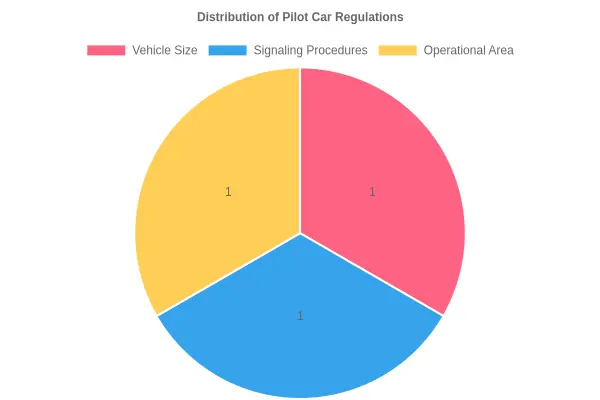
The operational protocols for pilot car services can vary widely across states. Key operating procedures may cover:
- The use of flags and lights to signal other drivers on the road.
- The method and frequency of communication with the vehicle being escorted, ensuring seamless coordination.
State-Specific Regulations
Given that regulations can differ radically from one state to another, it’s imperative for trucking company owners to familiarize themselves with the specific requirements in their operating regions. The Department of Transportation website for each state is a valuable resource for obtaining detailed information on local regulations. Consulting with experts in transportation law can also provide insights tailored to your specific business needs.
By understanding these regulatory frameworks, trucking companies can not only protect themselves from legal issues but also enhance their service offerings, ultimately leading to safer and more efficient operations in the trucking industry.
For more information on expertly managing your trucking needs, explore the excellence of 5 Star Truck Inc.
PDP Trucking: Integrating Pilot Car Service for Success
Overview
PDP Trucking, a leader in heavy freight transportation, recognized the growing demand for safe transport of oversized loads. As a trucking company specializing in high-volume and oversized freight, they made the strategic decision to integrate a trucking company pilot car service into their operations.
Challenges Faced
PDP Trucking encountered several significant challenges during the integration of their pilot car service:
- Cost Implications: The initial investment in pilot car operations, including hiring trained personnel and purchasing specialized vehicles, added costs that needed careful management.
- Regulatory Compliance: Navigating varying regulations across states regarding the use of pilot cars was a complex process that involved ongoing education and coordination with local authorities.
- Coordination Efforts: Ensuring smooth communication between truck drivers and pilot car operators was essential. Misalignment often led to logistical delays and operational inefficiencies.
Implementation
To address these challenges, PDP Trucking undertook several key steps:
- Strategic Hiring and Training: They hired experienced pilot car drivers who underwent comprehensive training in logistics and communication, ensuring they could effectively guide oversized loads through complex traffic situations.
- Investment in Technology: Advanced route planning software helped the team identify potential obstacles and optimal paths, minimizing costly delays and enhancing safety.
- Strong Communication Protocols: By establishing clear communication lines between drivers and pilot car operators, PDP Trucking improved coordination, enabling timely adjustments and smooth operations.
Positive Outcomes
The integration of the pilot car service led to remarkable outcomes for PDP Trucking:
-
Improved Safety: With the added support of pilot cars, incidents related to oversized load transport significantly decreased, enhancing overall safety records.
-
Operational Efficiency: The new routing capabilities combined with effective coordination led to a reduction in transit times, ultimately allowing for more jobs to be completed in less time.
-
Enhanced Reputation: As a result of their safety and reliability, PDP Trucking strengthened its market reputation, drawing in new clients and increasing repeat business in the competitive trucking industry.
Conclusion
Integrating a trucking company pilot car service proved to be a pivotal decision for PDP Trucking. By navigating initial challenges through strategic measures and maximizing the benefits of pilot cars, they not only enhanced safety and efficiency but also solidified their standing as leaders in the transportation of oversized loads. This case underscores the potential advantages of such services and presents a roadmap for other companies considering similar integrations.
For more insights on maximizing operational efficiencies in the trucking industry, explore the excellence of 5-Star Truck Inc..
By recognizing the challenges and proactively creating solutions, PDP Trucking set a benchmark for others in the field, thus highlighting the crucial role of pilot car services.
Comparing In-House Pilot Cars to Outsourcing Services
When considering whether to operate in-house pilot cars or to outsource this service, trucking companies must evaluate various factors. Here’s a comprehensive comparison between the two approaches:
| Feature/Cost | In-house Pilot Cars | Outsourced Pilot Car Service |
|---|---|---|
| Initial Setup Costs | High initial investment in vehicles and equipment | No upfront costs; pay per service |
| Operational Costs | Ongoing maintenance, fuel, salaries, and insurance for staff | Service fees may vary based on usage |
| Management | Requires management of pilot drivers and coordination | Hassle-free management; relies on service provider |
| Safety & Compliance | Direct control over pilot car operations and safety compliance | Depends on the chosen provider’s compliance history |
| Flexibility | Tailored scheduling and service delivery | Fixed scheduling depending on provider’s availability |
| Training & Consistency | In-house training leading to uniformity | Training and quality may vary with providers |
| Risks Involved | Higher exposure to operational risks and liabilities | Lower operational risk; risk transferred to provider |
Key Differences
- Costs: In-house operations involve significant upfront purchases and ongoing maintenance, while outsourcing can minimize upfront investments and shift the financial burden to the service provider.
- Safety: Maintaining control over in-house pilot cars commonly results in better safety compliance; conversely, outsourcing can introduce variability in quality and compliance standards.
- Flexibility: In-house pilot car services allow for more flexibility and customization in operations compared to predetermined schedules provided by third-party operators.
For trucking companies considering these options, it’s crucial to weigh the costs alongside the operational impact on safety and compliance. To explore further about comprehensive trucking solutions, you may learn more about 5-Star Truck Inc..
Ultimately, the choice should align with business needs and operational strategies, ensuring the best outcome for safety and efficiency.
FAQs About Owning a Pilot Car Service for Trucking Companies
1. Can a trucking company own its own pilot car service?
Yes, a trucking company can own its own pilot car service. This allows greater control over logistics and scheduling, which can lead to improved efficiency in transporting oversized loads.
2. What are the benefits of owning a pilot car service?
- Cost Savings: Reduces expenses associated with hiring third-party pilot car services.
- Operational Control: Enhances scheduling flexibility and response times.
- Brand Integration: Allows the trucking company to promote its brand through uniformed pilot car services.
3. Are there specific regulations for pilot car services?
Yes, regulations vary significantly from state to state. For example, states like California have unique requirements for pilot cars that are outlined in publications from resources like California’s Pilot Car Regulations. It is essential to be familiar with the regulations in the states where you will operate.
4. What qualifications do pilot car drivers need?
Pilot car drivers generally need a valid driver’s license and specific training in escort procedures. Many states require them to complete a certification program to ensure they understand safety protocols and regulations.
5. How can a pilot car service impact safety?
Having a dedicated pilot car service significantly enhances safety by ensuring that oversized loads are escorted properly, warning other road users, and helping navigate complex routes or hazardous conditions. The comprehensive guidance provided by escort vehicles can help prevent accidents and ensure compliance with road regulation.
6. What are the operational costs of running a pilot car service?
Operational costs can include vehicle maintenance, fuel, permits, insurance, and driver salaries. It’s vital to conduct a cost-benefit analysis to evaluate if owning a pilot car service is economically feasible for your trucking operations.
If you’re looking to discover more about the trucking industry, check out 5 Star Trucking: Exploring the Excellence of 5 Star Truck Inc for premier trucking solutions.
Can a Trucking Company Own a Pilot Car Service?
In many cases, having a dedicated pilot car service can significantly enhance the operations of a trucking company. Not only does it improve safety, but it also streamlines the movement of oversized loads. As noted by industry experts:
“Pilot cars are essential for safe transportation of oversized loads, providing critical support by alerting other motorists and guiding the transport vehicle through challenging routes. Their role in enhancing road safety cannot be overstated.”
To learn more about the importance of pilot cars in transportation, you can explore the excellence of 5 Star Truck Inc..
Conclusion and Call to Action
In conclusion, the integration of a pilot car service with your trucking operations can provide significant advantages. By owning a pilot car service, trucking companies can ensure safer transport of oversized loads, leading to smoother operations and enhanced compliance with regulations. Pilot car services not only safeguard the transport route but also help in reducing potential liabilities, ultimately creating a more efficient and trusted transportation network.
Moreover, as a forward-thinking trucking company owner, embracing the benefits of pilot car services aligns perfectly with the importance of investing in high-quality trucking accessories. Accessories are essential for enhancing safety, improving operational efficiency, and ensuring driver comfort. Whether it is through advanced lighting systems that increase visibility or ergonomic seat designs that provide comfort during long hauls, quality accessories make a significant difference on the road.
At Summit Fairings, we understand the importance of equipping your fleet with the best accessories available. We specialize in high-performance trucking accessories designed to enhance safety and performance while also considering driver comfort and cargo protection. If you’re ready to elevate your trucking services by incorporating a pilot car service and top-tier accessories, explore the excellence of 5 Star Truck Inc. to find out more about our premium offerings. Don’t wait any longer-invest in the future of your trucking operation today!