
In the dynamic world of the trucking industry, understanding commission percentages for service trucks is crucial for long-haul truck drivers and fleet managers alike. These rates define the compensation structure essential for maintaining profitability and efficiency. Each commission rate represents not just a number; it influences the decisions made on behalf of fleet operations, affecting everything from maintenance scheduling to overall operational costs. For instance, as owners and managers navigate the complexities of fuel prices and vehicle upkeep, optimizing these commission percentages can lead to substantial savings or losses. Aligning the right commission rates can also motivate drivers, fostering diligence in their responsibilities towards service trucks. By grasping how these percentages work, stakeholders can make informed choices that enhance operational success and ensure the longevity of their trucks on the road. Whether you are an aspiring truck driver looking to maximize your earnings or a seasoned fleet manager striving to enhance your service offerings, it’s imperative to delve into the nuances of commission rates. Join us as we explore the typical commission percentages in the industry and how they apply in real-world scenarios to drive better outcomes for all.
Factors Affecting Commission Percentages for Service Trucks
Understanding the various elements that influence commission percentages for service trucks can be critical for long-haul truck drivers and trucking company owners. Here are some of the primary factors:
- Vehicle Type: The make and model of the truck can significantly influence commission rates. More specialized vehicles often incur higher service costs, leading to increased commissions.
- Service Type: Different types of services, such as maintenance, repairs, or emergency assistance, can have varying commission structures. Typically, urgent services may command higher commissions.
- Market Demand: Fluctuations in demand for trucking services can greatly impact commission rates. During high demand periods, commission percentages may rise to reflect the market competition for available trucks.
- Client Relationships: Established relationships with clients can lead to negotiated commission rates. Loyal clients may secure reduced commissions, while new clients might pay higher rates based on perceived risk.
- Geographical Factors: Local economic conditions, regulatory requirements, and competition within specific regions can also affect commission rates. Areas with high operational costs often necessitate higher commissions to maintain profitability.
Each of these factors plays a vital role in determining the final commission percentage for service trucks, with typical rates generally ranging from 5% to 15% of the revenue generated from services offered, depending on the specific context. For more insights into the trucking industry, you can explore 5-Star Truck Inc. and learn about the services provided.
Understanding Commission Rates for Long-Haul Service Trucks
When navigating the trucking industry, understanding average commission rates can significantly impact profit margins for long-haul drivers and fleet owners. Recent statistics indicate that commission rates for service trucks vary considerably based on platform and service type, typically ranging between 5% to 10%. This variability reflects factors such as route complexity and type of cargo.
Key Statistics
-
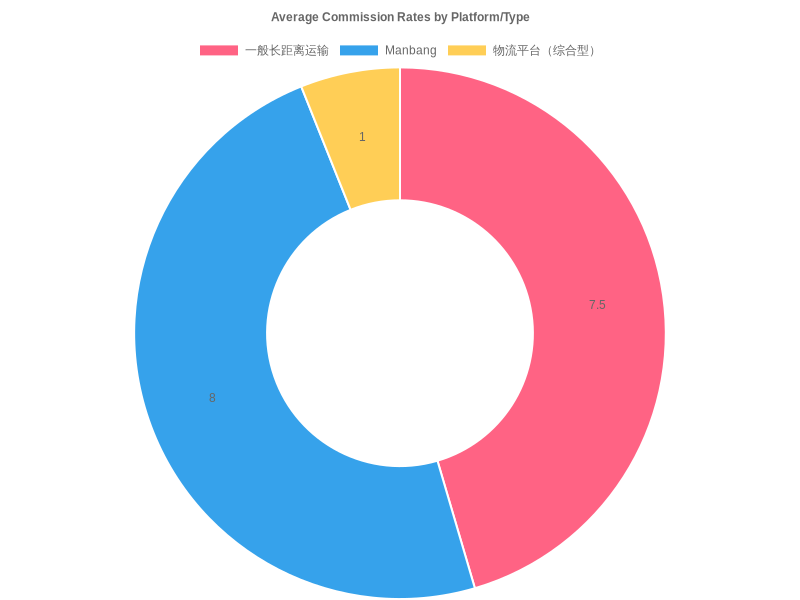
Average Commission Rates: Surveys indicate that most long-haul trucking services maintain commission rates around 5% to 10%. For instance, platforms like Manbang report a steady average rate of 8% for long-haul service. On the other hand, logistics platforms engaged in digital transactions often show lower average commissions around 1.0%.
-
Profitability Concerns: With fluctuating fuel prices and operational costs, maintaining profit margins can be challenging. The American Trucking Associations (ATA) has highlighted that changes in fuel prices can also influence trucking rates. Therefore, shippers and logistics managers must be agile in adjusting their tariffs to align with market conditions.
Typical Commission Rates by Platform
| Platform/Type | Average Commission Rate | Notes | Source |
|---|---|---|---|
| General Long-Distance | 5% – 10% | Industry-wide range affected by route, type of goods, and contract conditions. | ATA |
| Manbang | 8% | Reported average commission rate for long-haul transportation services. | EEWorld |
| Digital Logistics Platforms | 1.0% | Lower commission rates than traditional intermediaries. | EEWorld |
Summary:
While the rates may fluctuate based on market conditions and individual agreements, maintaining awareness of these statistics is essential for strategic decision-making in the long-haul trucking industry. For further insights about top trucking solutions, consider checking 5 Star Trucking’s unmatched services.
Overall, knowledge about commission rates and their implications is crucial for long-haul truck drivers and fleet managers aiming to optimize their revenue and operational efficiency.
Common Commission Rates for Service Trucks
In the trucking industry, particularly for service trucks, understanding common commission rates is crucial for both truck drivers and fleet managers. Commission structures typically range from 20% to 30%, which aligns with various service sectors, including heavy-duty maintenance and light-duty repair. These rates can fluctuate based on the type of service provided as well as regional differences.
Average Commission Rate Breakdown by Region and Type
Below is a table highlighting the average commission rates for different types of service trucks across various regions:
| Region | Service Truck Type | Average Commission Rate Range |
|---|---|---|
| North America | Heavy-Duty Maintenance | 20% – 30% |
| North America | Light-Duty Repair | 20% – 30% |
| Europe | Urban Delivery Trucks | 20% – 30% |
| Europe | Long-Haul Transport Trucks | 20% – 30% |
| Asia-Pacific | Regional Service Vehicles | 20% – 30% |
| Asia-Pacific | Specialized Maintenance | 20% – 30% |
Regional Variability
- North America: Typically sees a stable commission rate for both heavy-hauling and light-duty services.
- Europe: Maintains similar rates but also reflects slight variations based on market demand and truck types, especially in urban versus long-haul settings.
- Asia-Pacific: Commission rates can vary slightly based on local regulations and service demands, yet they frequently uphold the industry standard of 20% to 30%.
Understanding these rates can aid truck drivers and fleet managers in negotiating contracts and ensuring fair compensation for services rendered. For more insights on optimizing your fleet operations, explore our services.
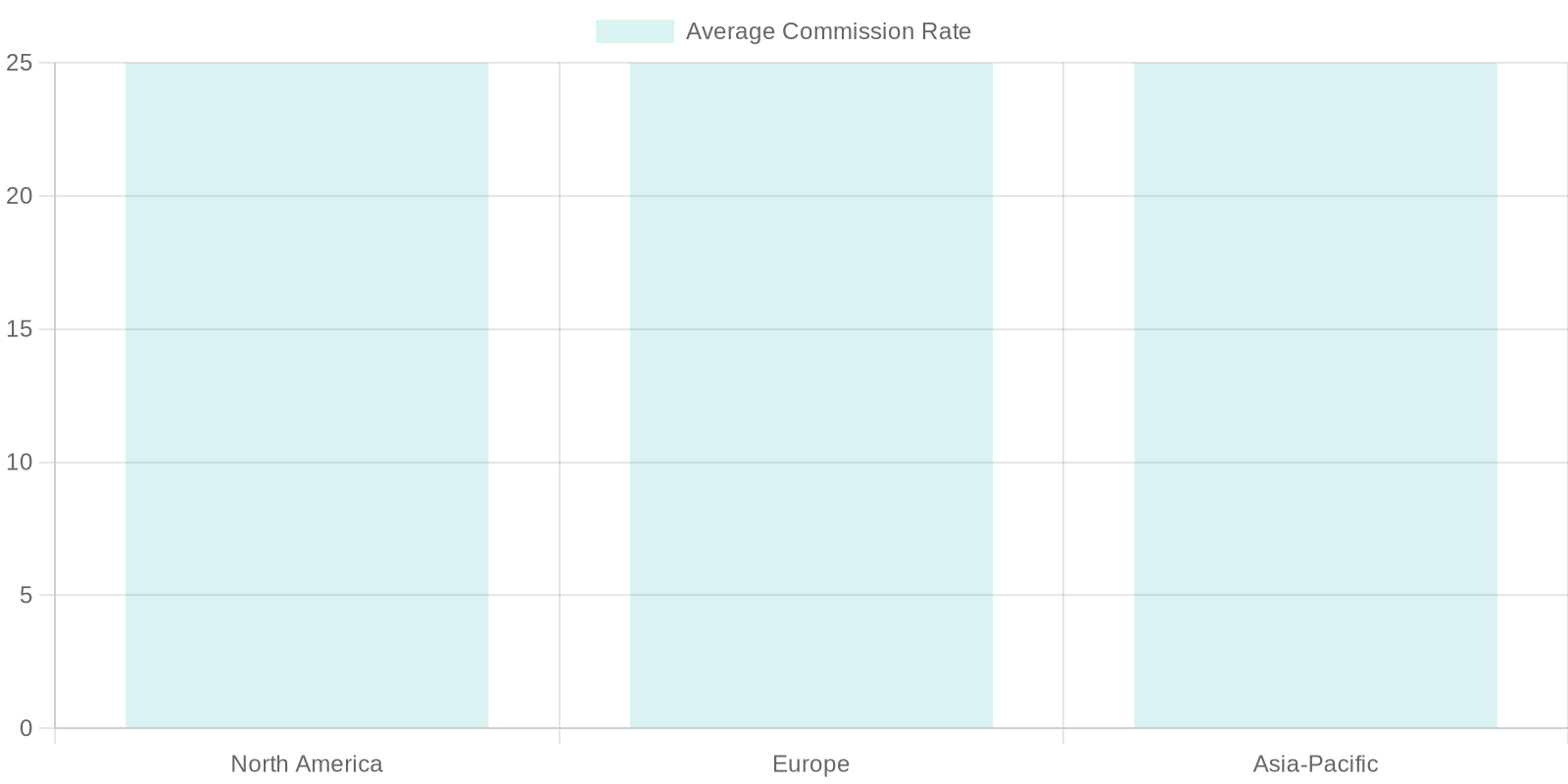
This graph illustrates the average commission rates, allowing a clearer view for operational planning and strategy.
Commission Comparison for Service Trucks: Service Types and Average Rates
Understanding the commission rates for service trucks can significantly benefit long-haul truck drivers, trucking company owners, fleet managers, and maintenance specialists. Below is a detailed comparison of average commission percentages based on different service types, including maintenance, repairs, and logistics services.
Commission Rates Table
| Service Type | Average Commission Rate |
|---|---|
| Maintenance | 10% – 15% |
| Repairs | 12% – 20% |
| Logistics | 8% – 12% |
According to recent industry reports:
- Maintenance Services generally attract commission rates ranging from 10% to 15% of the total service invoice. This percentage may vary based on the nature of the maintenance and the extent of services provided.
- Repair Services, especially those involving specialized repairs (like diesel engines), commonly yield higher commissions, often in the range of 12% to 20%.
- Logistics Services tend to have lower average commission rates, typically between 8% to 12%, primarily due to the nature of contracts and the volume of work involved.
These averages indicate a trend where service complexity and the type of service directly influence commission rates. For more insights into the services offered by 5 Star Truck Inc. and their impact on commissions, you can explore their offerings.
For additional service insights and standards, visit 5 Star Truck Inc..
This comprehensive overview ensures that all stakeholders in the trucking industry can stay informed and make more beneficial business decisions.
Why Commissions Matter in the Trucking Industry
Understanding commission rates is crucial for various stakeholders in the trucking industry, including drivers and fleet owners. The importance of commissions cannot be overstated, as they directly impact profitability and service quality for all involved.
For drivers, the commission rate set by brokers can significantly influence their trucking profitability. Typically, commission rates can range from 10% to 20% of the total freight charge, as seen in current practices within the industry. Drivers need to be aware of these rates because a higher commission can lead to reduced earnings. For instance, if a broker charges a 15% commission on a load that pays $1,000, the driver would only see $850. This reduction directly affects their overall income and, in turn, their job satisfaction.
On the other side, fleet owners must also consider how commissions affect their bottom line. Higher commissions can lead to increased operational costs, thereby squeezing margins. Fleet owners should strive to balance commission rates while ensuring that their drivers are adequately compensated to maintain high morale and quality service delivery to customers.
Moreover, commissions play a vital role in determining service quality. Brokers who maintain reasonable commission rates often reinvest savings into better technology and customer service practices. This reinvestment can lead to improved route planning, timely deliveries, and superior customer interactions, all of which enhance service quality. Conversely, low commissions may limit a broker’s ability to provide quality support, potentially resulting in delays and dissatisfied clients.
In conclusion, understanding and strategically negotiating commission rates is essential for sustaining profitability and enhancing service quality in the trucking industry. Stakeholders need to recognize the interconnectedness of commission rates and overall operational effectiveness. For a deeper dive into trucking solutions, consider exploring the excellence of 5-Star Truck Inc..
Trends in Commission Rates
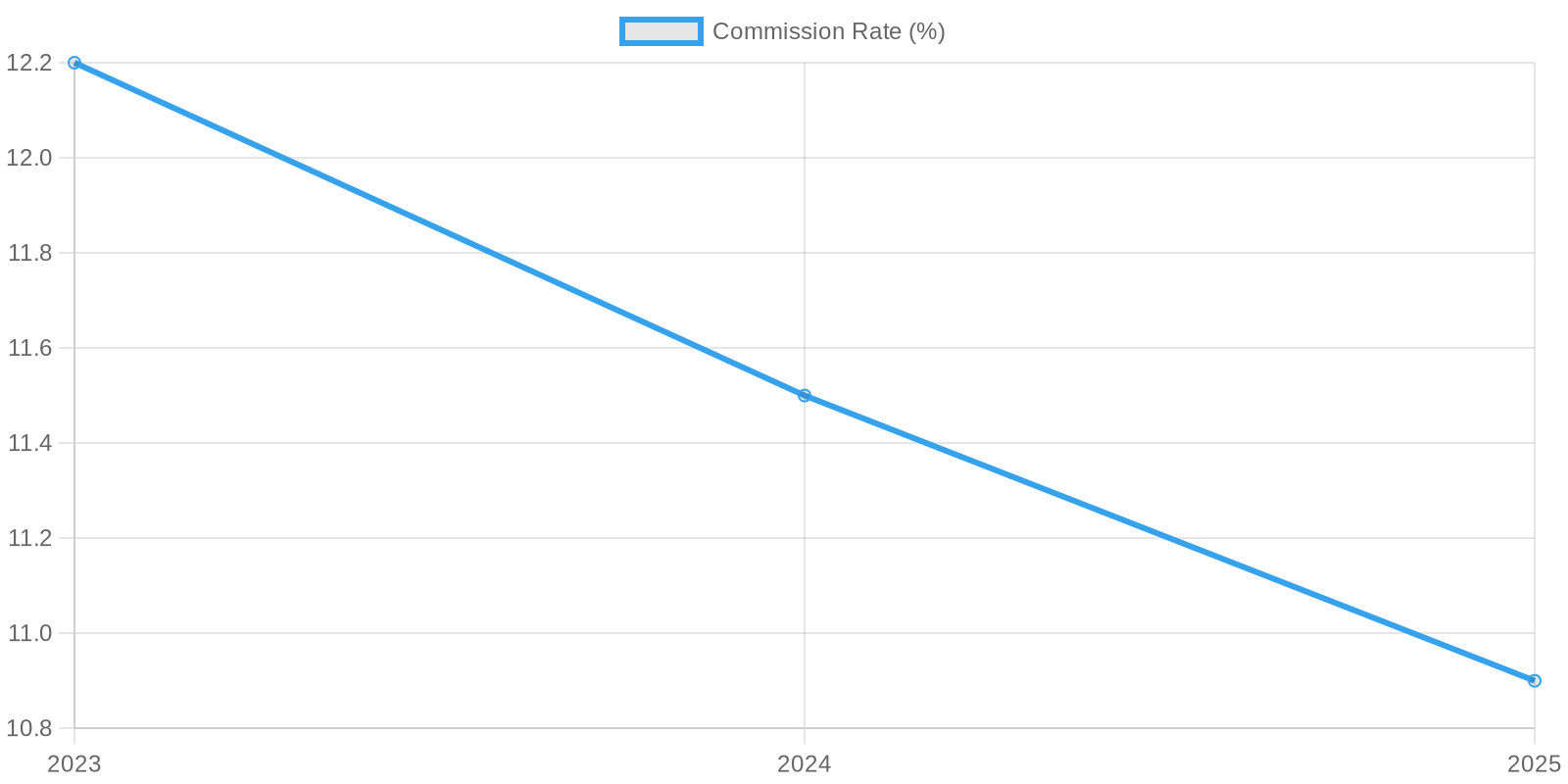
In recent years, notable trends in commission rates within the trucking industry have emerged, reflecting shifts in service demands and competitive pressures. The commission rates for trucking services have exhibited a downward trajectory over the past few years; for instance, they declined from 12.2% in 2023 to 10.9% in 2025, as illustrated in the following chart:
Driving Factors Behind Commission Changes
Several factors contribute to the ongoing changes in commission rates:
- Increased Competition: Industry dynamics have intensified competition among trucking providers. As more companies enter the market, they often reduce their commission rates to attract customers, leading to a general downward pressure on pricing.
- Operational Efficiencies: Technological advancements have streamlined operations, enabling trucking companies to reduce costs. These savings may not only improve profit margins but also allow businesses to offer lower commission rates to retain and attract clients.
Shifts in Service Demands
The increase in demand for various trucking services has also played a significant role in shaping commission rates. Here are some key segments that have seen notable growth, driving carriers to adapt:
| Trucking Service Type | Growth Percentage in 2023 | Key Drivers and Notes |
|---|---|---|
| Last Mile Delivery | ~26.1% | Driven by rising e-commerce and demand for fast, reliable final delivery. |
| Cold Chain Logistics | Not quantified, but growing due to demand for perishables. | Reflects a broader trend in specialized logistics with an expected significant increase. |
| Specialized Transport Services | +47% in market acceptance | High demand from industrial sectors including renewables and large cargo. |
| Cross-Regional Freight | +8.1% (overall freight volume) | Indicates robust domestic trade activity and extensive supply chain responses. |
These adjustments highlight the trucking industry’s responsiveness not only to operational changes but also to evolving consumer needs. As we move forward, it’s clear that understanding these trends will be crucial for fleet managers, trucking company owners, and long-haul drivers alike as they navigate a competitive market.
For further insights into the services offered by trucking companies, feel free to explore the excellence of 5 Star Truck Inc. and discover their unparalleled services.
Sales Commission Rates for Service Trucks
Understanding commission trends is crucial for long-haul truck drivers and fleet managers. Over the past five years, commissions for service trucks have shown a noticeable increase:
- 2019: 5%
- 2020: 5.5%
- 2021: 10%
- 2022: 11%
- 2023: 12%
This gradual rise reflects increasing service demands and competitive market adjustments.
Commission Trends Over Time
To further illustrate these trends, here is a line chart depicting the commission percentages from 2019 to 2023:
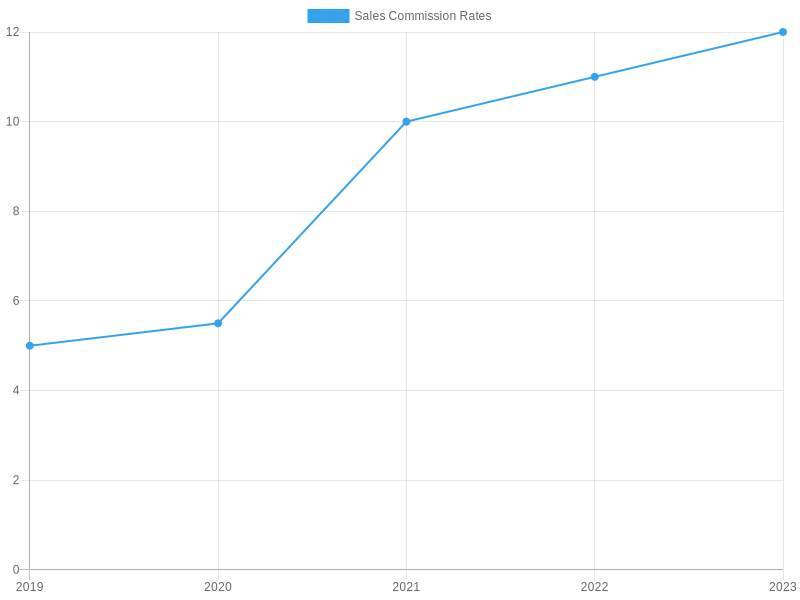
As shown in the chart, the commissions have grown significantly, particularly from 2021 onwards. This growth trend presents valuable insights for truck drivers and service providers in the industry. For more insights on trucking solutions, check out exploring the excellence of 5-Star Truck Inc.
If you want to dive deeper into the services offered, consider discovering the unparalleled services of 5-Star Truck Inc.
Conclusion: Elevate Your Ride with Custom-Fit Fairings
As we’ve explored throughout this article, service trucks play a pivotal role in efficiently managing significant transportation ventures, and the gradual decline in average commission rates indicates a shift in profitability that trucking professionals must navigate. With an average commission circling down from 12.2% in 2023 to 9.1% in 2026, this trend signals the importance of maximizing value from every aspect of the trucking operation. A well-maintained service truck can enhance both service offerings and overall efficiency in this tightening market.
To thrive amidst these fluctuations, truck owners and fleet managers must focus not only on operational costs but also on making strategic enhancements to their vehicles. This is where custom-fit fairings can make a significant impact by improving aerodynamics and fuel efficiency, ultimately contributing to the bottom line. Whether you’re tackling long hauls or local deliveries, custom-fit fairings ensure that your truck operates at its best, thereby elevating your ride.
Visit 5 Star Trucking today to discover how our range of premium motorcycle fairings can transform your trucking experience. Don’t just drive-experience the benefits of specialized, aerodynamic enhancements that can propel your service to new heights. Elevate your ride with custom-fit fairings and make the most of your investment!