
Introduction
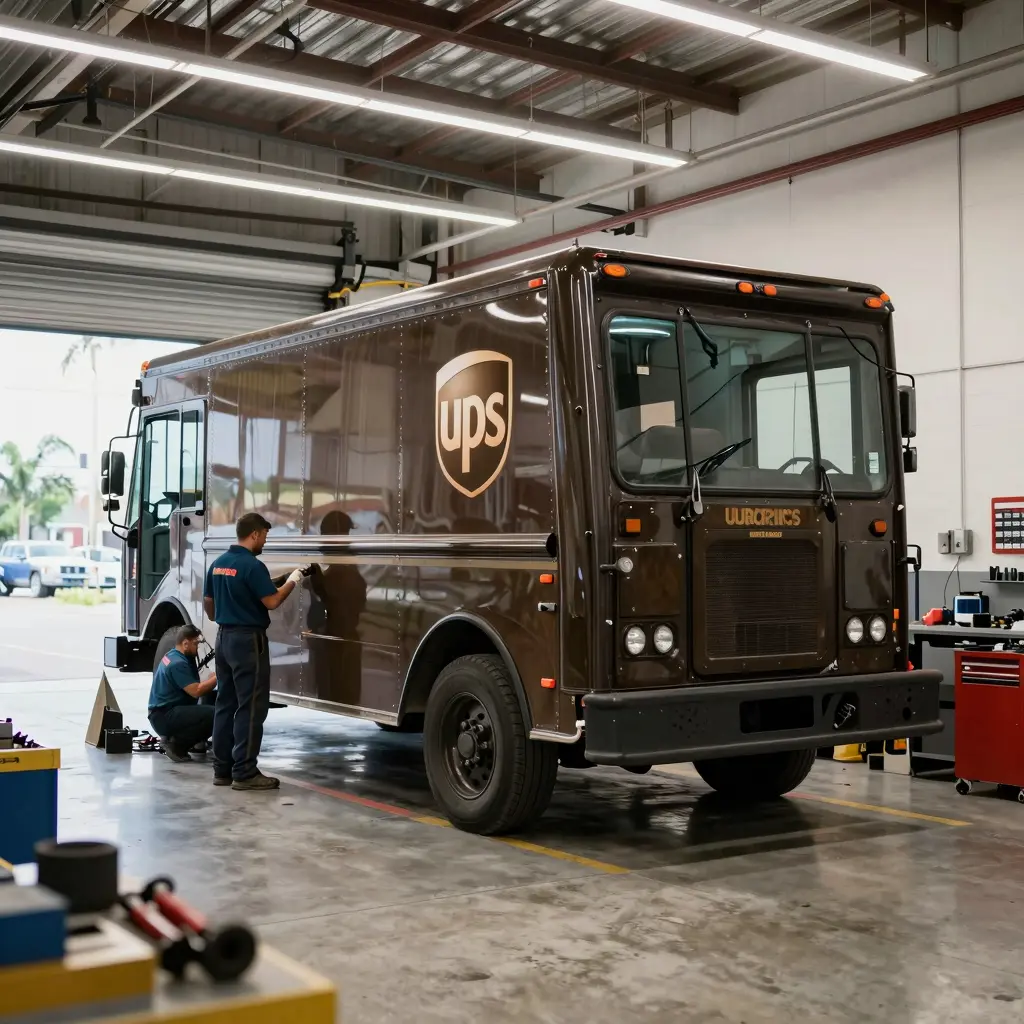
When it comes to ensuring the reliability and efficiency of delivery operations, few aspects are as crucial as servicing UPS trucks. Given the demanding schedules and long hours required in the trucking industry, these vehicles must undergo regular maintenance to prevent breakdowns and ensure safety on the road. So, where do UPS trucks get serviced? This article delves into the servicing infrastructure that supports UPS, examining the types of maintenance stations used, their locations, and the specialized procedures that keep these trucks in optimal condition. Whether you’re a long-haul truck driver, a fleet manager, or simply someone interested in the inner workings of transportation logistics, understanding the significance of proper maintenance can offer valuable insights into the operations at UPS. Additionally, we’ll touch on how UPS’s commitment to service excellence influences its reputation in the industry and what aspiring trucking professionals can learn from their practices. Join us as we explore this vital aspect of the trucking world and discover the behind-the-scenes efforts that keep UPS trucks rolling smoothly.
Common Types of Maintenance Services for UPS Trucks
Maintaining UPS trucks is crucial for ensuring operational efficiency and safety on the road. Here are some common types of maintenance services that UPS trucks typically undergo:
-
Oil Changes: Regular oil changes are vital for keeping the engine lubricated and functioning correctly. This service helps prevent engine wear and prolongs the vehicle’s lifespan.
-
Tire Rotations: Frequent tire rotations promote even wear and tear. This service enhances vehicle handling and extends the life of the tires, which is essential for safety and performance.
-
Brake Inspections: Routine brake inspections are essential for safety. UPS trucks carry heavy loads, making effective braking systems critical, and regular checks ensure they operate correctly.
-
Engine Diagnostics: Conducting engine diagnostics helps identify potential issues before they become serious problems. This proactive maintenance ensures that delivery schedules are not disrupted due to unforeseen breakdowns.
-
Fluid Checks and Replacements: Checking and replacing vital fluids, such as coolant and transmission fluid, is necessary for maintaining the engine and other systems’ efficiency. This service helps avoid overheating and system failures.
-
Battery Maintenance: Regular battery checks and maintenance ensure that UPS trucks start easily and operate effectively. A reliable battery is essential for powering various truck systems and ensuring smooth operations.
-
Mechanical Inspections: Comprehensive mechanical inspections involve checking various truck components, including the suspension and drivetrain. This thorough approach helps catch issues early, ensuring overall safety and performance on the road.
Each of these maintenance services plays a significant role in keeping UPS trucks reliable and efficient. For more detailed insights on effective maintenance strategies, you can explore the excellence of 5 Star Truck Inc.. To learn more about the services provided by 5 Star Truck Inc., visit discover our unparalleled services.
Maintaining the reliability of fleet vehicles is crucial for logistics companies like UPS, responsible for delivering millions of packages each day. Regular servicing ensures vehicles operate at peak efficiency, making it vital for fleet managers, trucking company owners, and maintenance specialists to understand servicing frequency norms.
UPS Truck Servicing Frequency
Although specific statistics on UPS’s truck maintenance frequency are sparse, it is known that UPS, being a leader in the logistics industry, adheres to strict service schedules. Regular maintenance is typically aligned with industry best practices, which emphasize the importance of routine checks and preventive care. Here are some insights into the servicing habits of UPS trucks:
- Preventive Maintenance: UPS acknowledges that their trucks are frequently subjected to rigorous operational demands, necessitating robust preventive maintenance. According to industry standards, trucks should undergo servicing approximately every 10,000 miles or once every six months on average, which includes oil changes, brake inspections, and tire rotations.
- Daily Inspections: Alongside scheduled maintenance, daily inspections are crucial for trucking companies. Fleet drivers are often required to perform pre-trip inspections to identify any immediate issues that might compromise safety or efficiency.
For a more granular look at maintenance recommendations, the industry standards suggest that:
- Oil Changes: Should occur every 7,500 to 10,000 miles, depending on oil type and manufacturer’s recommendations.
- Brake Performance Checks: Typically every 20,000 miles, to prevent wear and potential failures.
These practices are reflective of industry benchmarks, which can also be corroborated by various articles discussing truck servicing frequency. For instance, manufacturer guidelines often detail how to prevent breakdowns and ensure reliable vehicle operation (Berry’s Garage).
Comparative Insights
To fully appreciate the context, we must consider how UPS’s maintenance practices measure up against industry norms. According to discussions in fleet management resources, standard practices involve:
-
Scheduled vs. As-Needed Maintenance: While general industry practices advocate for both scheduled and as-needed services, companies like UPS might implement more frequent checks due to higher operational use. This helps mitigate downtime and improves operational efficiency. Research suggests that companies leaning towards proactive maintenance strategies reduce unexpected repair costs significantly.
-
Industry Impacts on Service Frequency: Industry impacts such as cargo load, vehicle age, and route conditions directly influence maintenance needs. UPS, with its diverse and extensive fleet, likely customizes its service schedules based on these variables.
Overall, UPS vehicles likely receive comprehensive care based on strict adherence to not only in-house standards but also widely accepted industry frequency schedules. Fleet managers looking to optimize their maintenance schedules may wish to regularly compare their practices with leaders in the industry, such as UPS, to ensure they are on par with the best standards for vehicle performance and reliability.
By understanding the servicing practices both at UPS and within the broader trucking industry, vehicle operators can enhance their operational resilience, minimize costs, and ensure safer road practices. Regular and strict adherence to these schedules can ultimately lead to increased efficiency and reliability in service delivery.
Conclusion
Ultimately, while precise figures outlining UPS’s servicing frequency may not be widely available, the underlying philosophy of preventive maintenance and optimal vehicle performance clearly resonates across the industry. Trucking company owners and fleet managers would benefit from reviewing UPS’s practices as a benchmark for their maintenance schedules, thereby aligning with industry standards for superior operational efficiency.
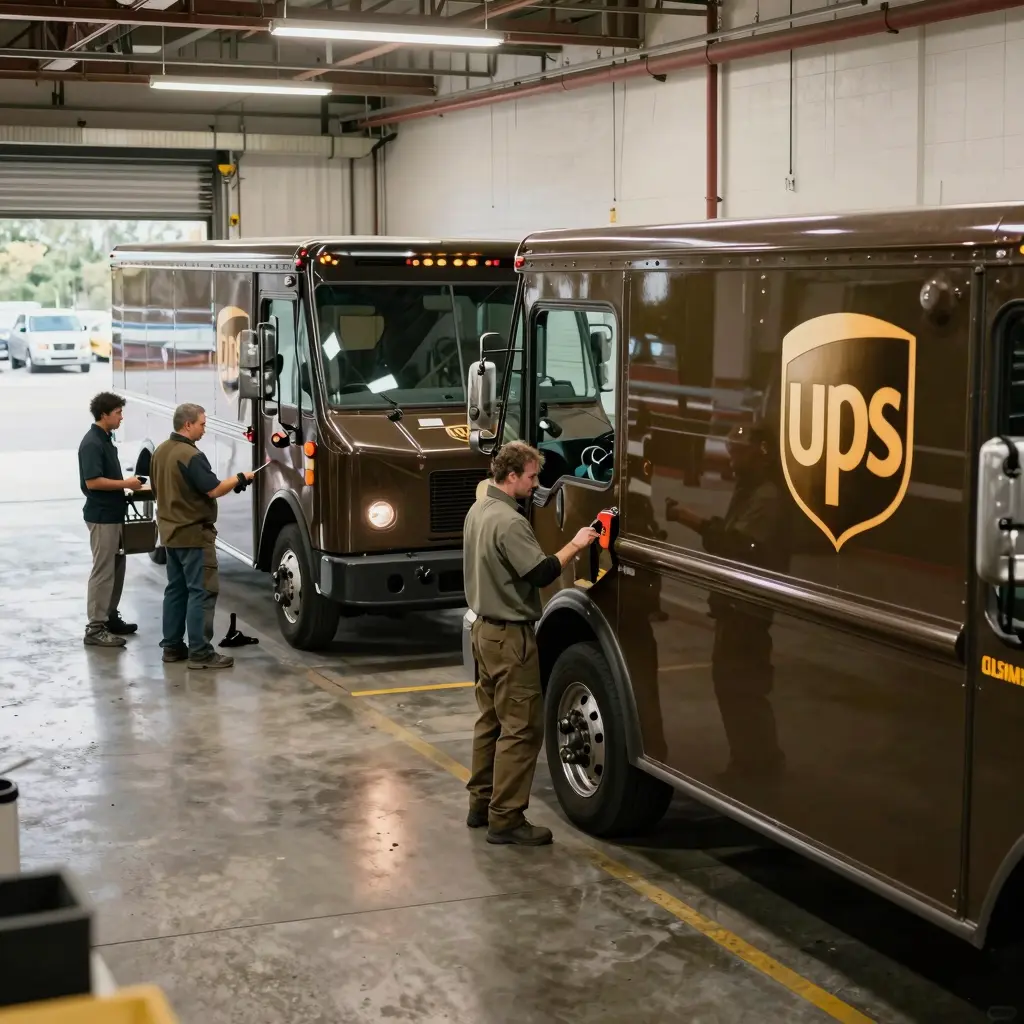
Regular maintenance for UPS trucks offers numerous benefits that can significantly enhance operational efficiency and safety. One of the main advantages is cost savings. By addressing minor issues early through routine checks, fleet managers can prevent these issues from escalating into major repairs that drain financial resources. This proactive approach not only keeps maintenance costs low but also ensures that the trucks remain in peak condition, thus avoiding unexpected breakdowns that can disrupt service and incur additional costs.
Moreover, regular maintenance directly contributes to vehicle safety. Well-maintained UPS trucks are less likely to experience mechanical failures while on the road, which significantly reduces the risk of accidents that could harm drivers, goods, or other road users. In fact, routine inspections and servicing ensure that critical components such as brakes and tires are functioning correctly, thereby improving overall road safety.
Lastly, the longevity of UPS trucks is greatly increased with consistent maintenance. Just as regular check-ups and preventive care can prolong the life of personal vehicles, the same holds true for commercial transportation vehicles. By investing in regular maintenance, UPS can extend the operational lifespan of their fleet, which translates to better value from each truck over the years. This not only benefits the company through reduced capital costs but also enhances their service reliability to customers. For more insights on the value of quality truck service, explore the excellence of 5 Star Truck Inc. and discover their unparalleled services.
In conclusion, regular maintenance harmonizes cost savings, vehicle safety, and truck longevity, making it a vital practice for UPS and similar fleets.
Comparison of UPS Truck Service Locations
The table below highlights various UPS truck service locations, detailing the services offered, associated costs, and average service times. This information is valuable for long-haul truck drivers, trucking company owners, fleet managers, and maintenance specialists.
| Service Location | Services Offered | Cost (USD) | Average Service Time |
|---|---|---|---|
| UPS Ground | Ground shipping, tracking, logistics | Varies by weight | 1-5 business days |
| UPS Next Day | Next day delivery, tracking | From $25 | Next business day |
| UPS 2nd Day Air | 2nd day delivery, tracking | From $20 | 2 business days |
| UPS International | International shipping, customs clearance, tracking | Varies by destination | 1-5 business days (varies) |
For further details on UPS and their services, check this page on UPS’s official site.
Additionally, you can review the UPS Wikipedia page for historical context and operational insights.
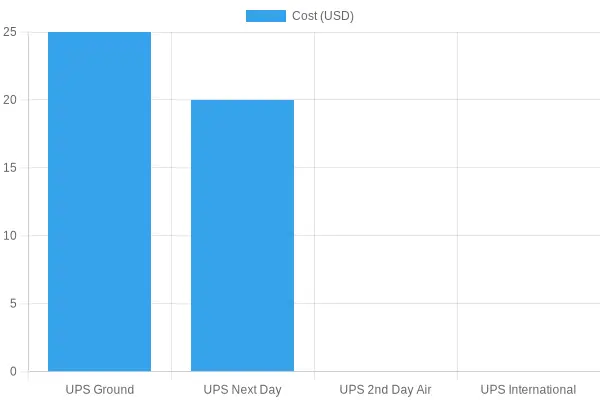
This comparison can help in making informed decisions when choosing service locations for UPS trucks.
The Role of Technology in Truck Servicing
In today’s fast-paced trucking industry, technology in truck servicing has become a crucial element in maintaining operational efficiency and ensuring road safety. With the integration of advanced diagnostic tools and maintenance tracking systems, fleet managers and truck servicing professionals are better equipped to address the complexities of modern vehicles.
Diagnostic Tools
One of the standout advancements in truck servicing is the use of sophisticated diagnostic tools. These tools provide essential insights into vehicle performance and health by analyzing fault codes and performance data. For instance, devices like the USBLINK 3 Universal Truck Diagnosis Tool enable technicians to connect easily to trucks via Bluetooth or Wi-Fi, providing a comprehensive overview of the vehicle’s systems from smartphones or tablets. This mobility and flexibility streamline the diagnostic process, reducing downtime significantly. According to i55 truck and trailer, utilizing these advanced tools enhances precision in diagnostics, thereby facilitating timely interventions and repairs.
Maintenance Tracking Systems
Alongside diagnostic tools, maintenance tracking systems have revolutionized how fleets manage their servicing schedules. These systems utilize technology to monitor various parameters, including engine hours, fuel consumption, and service reminders. They assist in creating a structured service history that can also predict maintenance needs based on real-time usage data. The LinkedIn article emphasizes the importance of these systems in enhancing fleet safety and reducing the risk of accidents, which is paramount in trucking. Through proactive maintenance, fleets can minimize breakdowns that affect delivery schedules and operational costs.
Future Trends
As we look to the future, the adoption of AI and IoT technologies promises to further innovate the field of truck servicing. AI solutions, particularly, are being developed to refine diagnostics and predictive maintenance, allowing for more efficient use of resources and improved safety standards. Companies are increasingly investing in training technicians on these modern tools and systems to ensure high service quality, as highlighted by Nextran’s commitment to technician education.
In conclusion, the role of technology in truck servicing cannot be overstated. With ongoing advancements, the industry is moving towards more efficient, data-driven maintenance strategies that promise to enhance productivity and safety for truck drivers and fleet operators alike. As such, understanding and leveraging these technologies will be key for businesses looking to stay competitive in the evolving landscape of trucking services.
Where Do UPS Trucks Get Serviced?
UPS trucks are an integral part of the logistics network, and their maintenance is crucial for optimal operational efficiency. Regular servicing not only prolongs the life of the vehicles but also ensures safety on the roads. Expert advice from industry professionals highlights this necessity:
“Preventative and predictive maintenance are not just best practices; they are essential for ensuring that trucks perform at their best and remain safe on the road.” – Frank Mosser Jr.
As a large fleet, UPS employs a systematic approach to maintenance that includes:
- Routine Inspections: Regular checks based on set mileage or time intervals.
- Preventive Maintenance: Scheduled service actions taken to avert breakdowns.
- Repairs: Addressing issues as they arise to keep the fleet in top shape.
Locations for Maintenance
UPS trucks are serviced at specialized maintenance facilities equipped with the necessary tools and expertise to handle the demands of their fleet. Additionally, they may utilize third-party services for specific repairs and emergency needs. You can explore the excellence of 5 Star Truck Inc. to see how their services compare.
By adhering to meticulous maintenance schedules, UPS minimizes the risk of road incidents and maximizes delivery efficiency. Fleet managers and truck owners must recognize the importance of such strategies to maintain operational excellence.
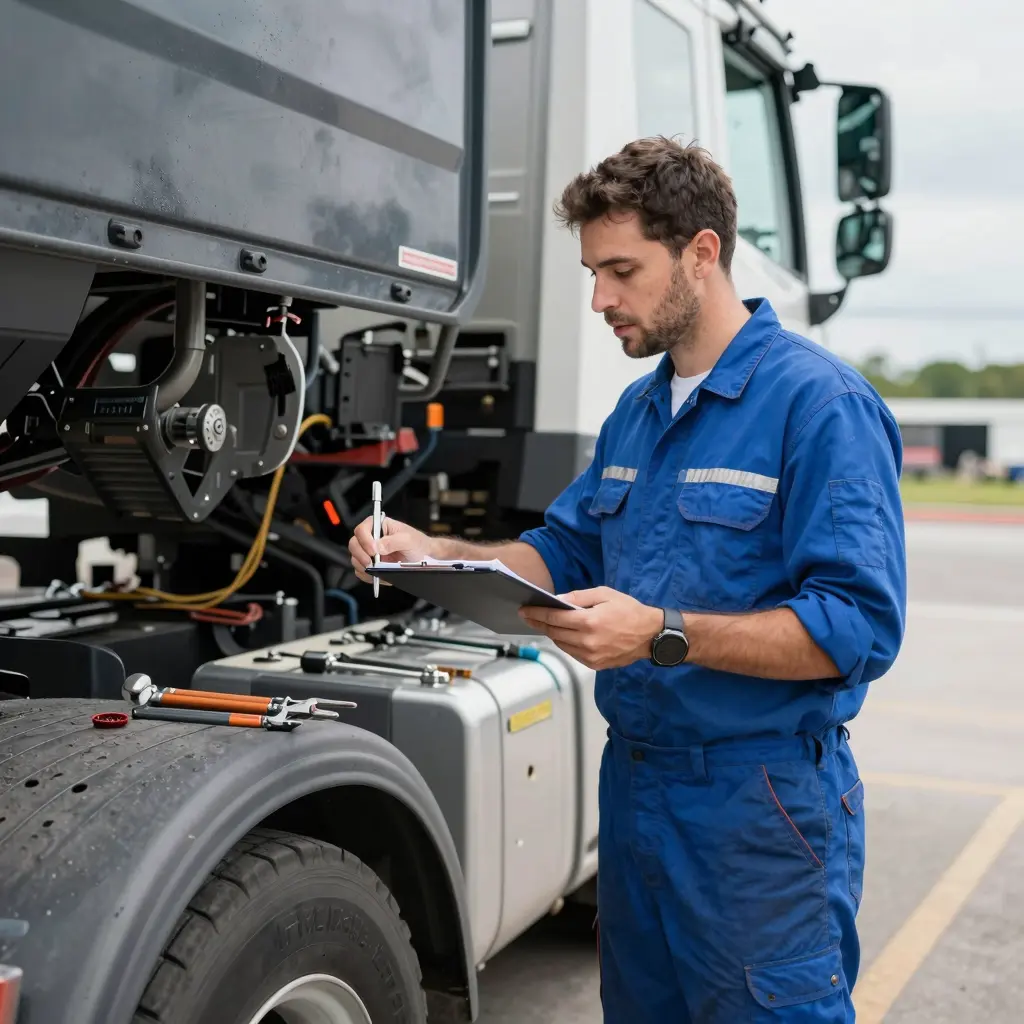
For more insights on maintaining your trucking fleet, you can also discover the unparalleled services of 5 Star Truck Inc. which provide tailored solutions for your maintenance needs.
Conclusion
In conclusion, the servicing of UPS trucks takes place through a well-structured network that ensures the efficiency and safety of their deliveries. UPS employs a hub-and-spoke model that incorporates various strategic locations for maintenance, maximizing uptime and reliability across its fleet. By maintaining facilities at key points, UPS can quickly address any servicing needs, ensuring that their trucks are always ready to operate at optimal performance.
The importance of regular maintenance cannot be overstated. It is crucial for avoiding unforeseen breakdowns, enhancing the lifespan of the vehicle, and ensuring the safety of drivers on the road. Routine checks, including inspections of brakes, tires, and engine performance, play a vital role in keeping trucks operational and compliant with safety standards. As noted in the references, properly maintained trucks are less likely to be involved in accidents and disruptions, providing peace of mind for fleet managers and drivers alike.
To ensure your fleet’s efficiency and durability, consider the excellent products offered by Summit Fairings designed for optimal truck performance. Prioritizing maintenance and investing in quality components can significantly reduce costs associated with breakdowns and repairs in the long run. For more information about enhancing your truck’s capabilities through superior maintenance practices and products, feel free to explore our offerings further!
Cost Comparison for Servicing Options for UPS Trucks
Understanding the cost associated with different servicing options for UPS trucks is crucial for fleet managers when budgeting and planning. Here’s a chart that illustrates the average annual costs typically associated with various servicing options:

Servicing Options:
- Routine Maintenance: Regular inspections and minor repairs.
- Repair Services: Addressing specific mechanical failures or issues.
- Emergency Services: On-the-spot repairs needed due to unexpected breakdowns.
- Full Servicing Packages: Comprehensive options including routine maintenance and repairs.
This chart highlights the importance of routine maintenance in preventing larger expenses by addressing small issues before they escalate. Fleet managers can evaluate these costs to optimize their maintenance strategies and prevent downtime.
For more information about the service offerings and meticulously planned maintenance strategies, check out Exploring the Excellence of 5 Star Truck Inc.