
Introduction
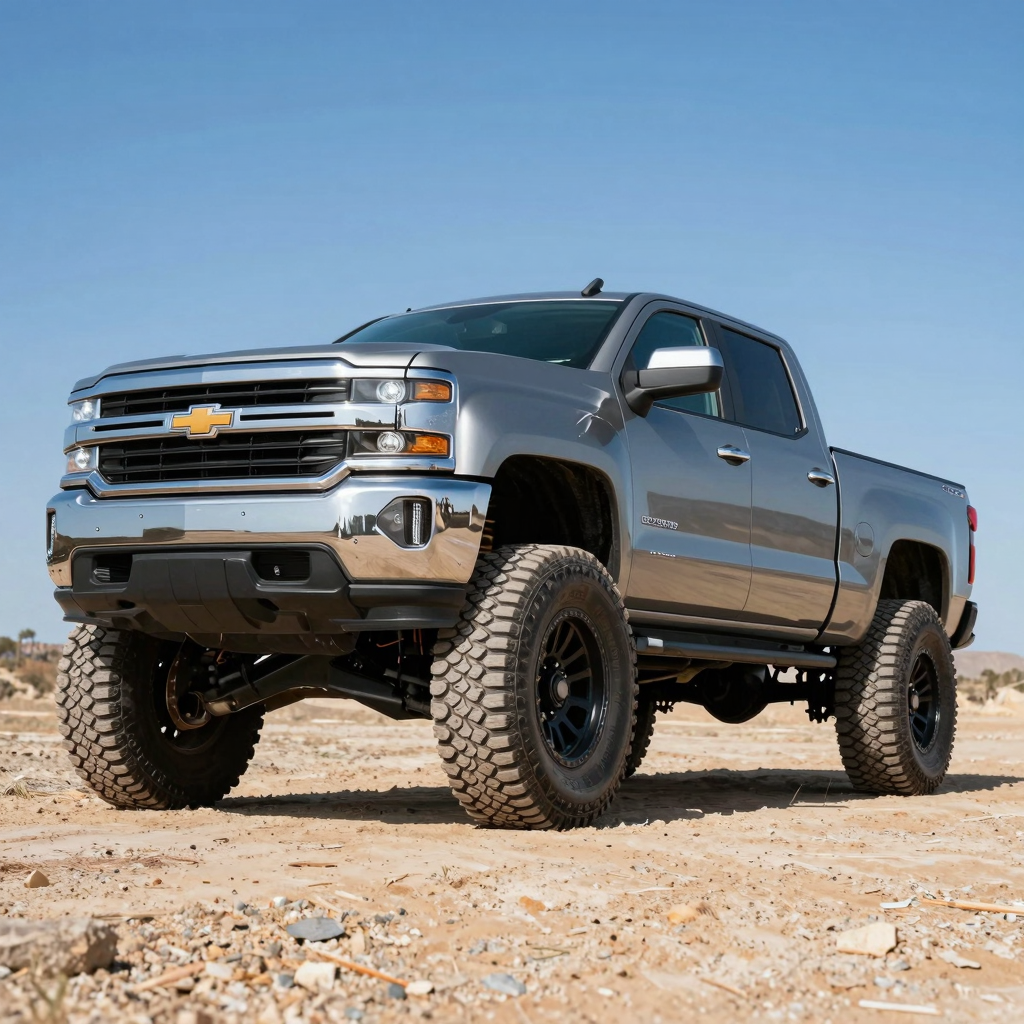
Servicing lifted trucks, particularly Chevy service lifted trucks, is more than just a maintenance necessity; it’s a vital aspect of ensuring reliability and safety on the road, especially for long-haul drivers and fleet managers. In the demanding world of trucking, where every mile counts, maintaining a lifted truck can directly impact operational efficiency and vehicle longevity. For fleet managers, the added height and modifications of lifted trucks present unique challenges in terms of routine inspections and repairs, making specialized services essential. With the right maintenance strategy, truckers can keep their vehicles performing robustly while minimizing downtime and costly repairs. Whether you’re a long-haul driver navigating rugged terrains or a fleet manager striving to optimize your operating costs, understanding the intricacies of servicing lifted trucks is crucial. Explore how expert services can elevate your Chevy lifted truck experience, ensuring your vehicle remains as dependable as the day it rolled off the assembly line. For those interested in learning more, the exceptional offerings from 5-Star Truck Inc. provide insights into top-tier truck maintenance. Let’s dive into the details that keep lifted trucks running smoothly!
The Importance of Regular Maintenance for Lifted Chevy Trucks
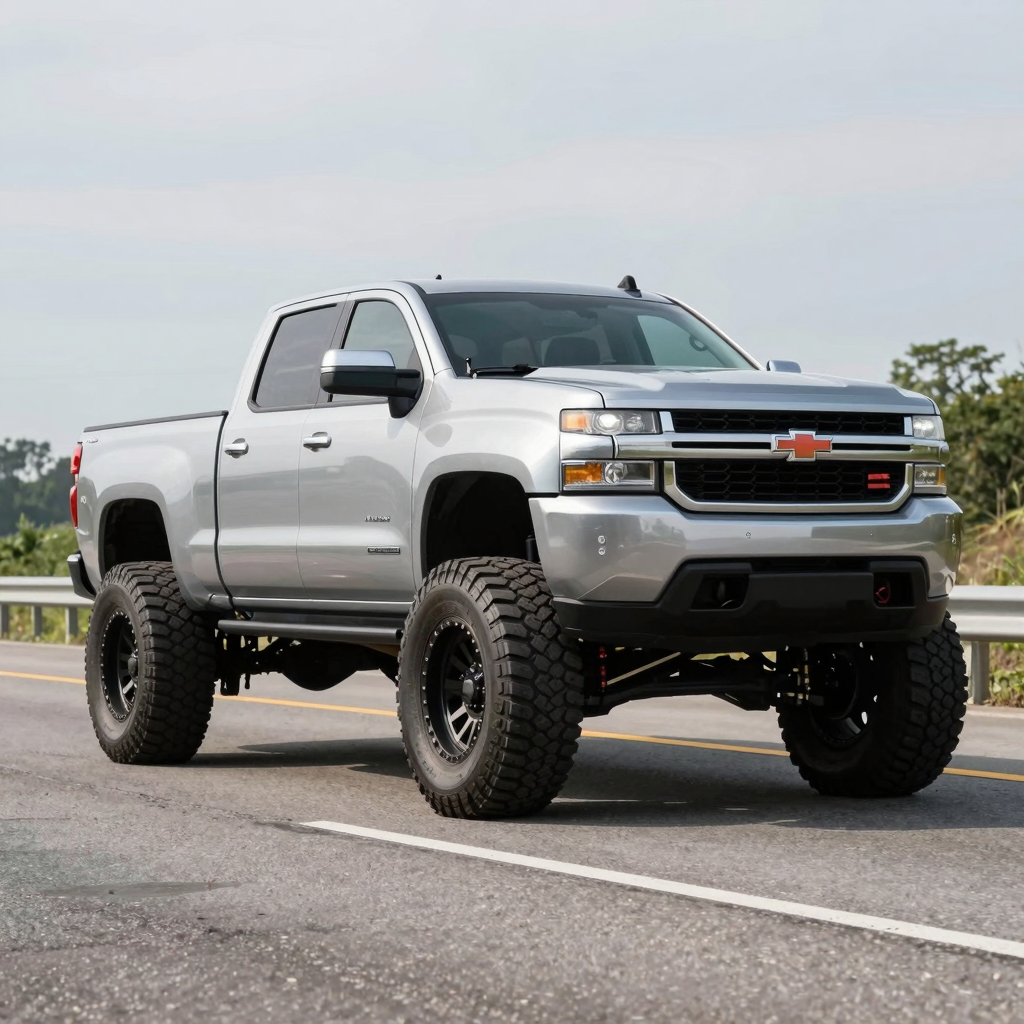
Maintaining a lifted Chevy truck is not just about aesthetics; it plays a vital role in ensuring durability, safety, and optimal performance, especially for long-haul driving. For truck drivers, fleet managers, and maintenance specialists, understanding why regular upkeep is essential can save money and extend the lifespan of these robust vehicles.
Durability and Longevity
Lifted trucks endure more stress due to their modifications, including changes to the suspension, steering, and drivetrain. According to a Car and Driver maintenance guide, it’s crucial to check suspension components and wheel alignments every 5,000 to 10,000 miles. Inspections should focus on critical areas:
- Suspension System: Increased stress on shocks and struts can lead to rapid deterioration. Regular checks extend their life.
- Tire Health: Due to the higher center of gravity, tires wear out faster. Frequent pressure checks and visual inspections can prevent blowouts and prolong tire life.
Safety First
Safety should always be your top priority. Lifted trucks, due to their height, can be more prone to rollovers if maintained incorrectly. Regular maintenance reduces the risk of failure in suspension and braking systems by ensuring all components are secure and functioning properly. According to a report from the National Auto Repair Association, failure to address minor issues can quickly escalate into significant safety hazards.
Optimal Performance for Long-Haul Driving
For drivers covering long distances, optimal performance is non-negotiable. Routine maintenance keeps the vehicle running smoothly, yielding a better fuel economy-a crucial factor for long-haul operations. Implementing checks on the drivetrain and brakes every 7,500 miles can help maintain performance and efficiency.
Actionable Maintenance Tips
- Follow a Maintenance Schedule: Plan inspections every 5,000 to 10,000 miles depending on the component.
- Be Vigilant About Alignments: Misalignment can lead to uneven tire wear and handling problems. Alignments should be done after every lift installation or significant terrain modification.
- Inspect Lift Kit Components: Ensure all lift-related parts are lubricated and securely fastened at least every 15,000 miles.
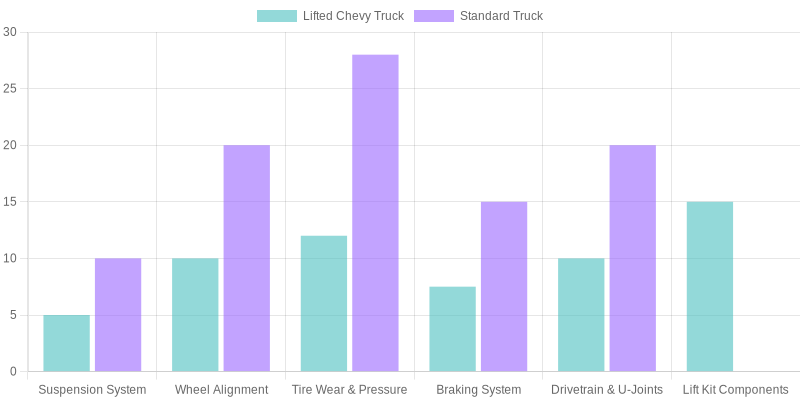
| Maintenance Task | Lifted Chevy Truck | Standard Truck |
|---|---|---|
| Suspension System | Every 5,000 miles | Every 10,000 miles |
| Wheel Alignment | Every 10,000 miles | Every 20,000 miles |
| Tire Wear & Pressure | Monthly pressure check | Every 4-6 weeks |
| Braking System | Every 7,500 miles | Every 15,000 miles |
| Drivetrain & U-Joints | Every 10,000 miles | Every 20,000 miles |
| Lift Kit Components | Every 15,000 miles | Not applicable |
For more insights on maintaining your Chevy truck, check out this comprehensive guide.
Moreover, check out the comparison chart below that outlines the frequency of various maintenance tasks between lifted and standard trucks, highlighting the extra care needed for lifted models:
In summary, regular maintenance is essential for ensuring the longevity, safety, and performance of lifted Chevy trucks, particularly for those undertaking long-haul trips. Investing time and resources into maintenance not only protects your vehicle but also enhances your driving experience, keeping safety at the forefront.
Comparing Service Costs for Lifted Chevy Trucks
When it comes to maintaining lifted Chevy trucks, understanding the service costs is essential for truck drivers and fleet managers. Here’s a table summarizing the average costs for common services:
| Service Type | Average Cost (USD) | Cost Range (USD) |
|---|---|---|
| Oil Change | $60 | $50 – $100 |
| Brake Service | $300 | $200 – $400 |
| Tire Rotation | $40 | $30 – $60 |
This information can help you budget effectively for the maintenance of your lifted Chevy truck, ensuring you can keep your vehicle in top condition.
For more insights on maintaining your truck or to explore comprehensive services, discover the unparalleled services of 5 Star Truck Inc. and explore the excellence of 5 Star Truck Inc..
Common Issues Facing Lifted Chevy Trucks and Their Solutions
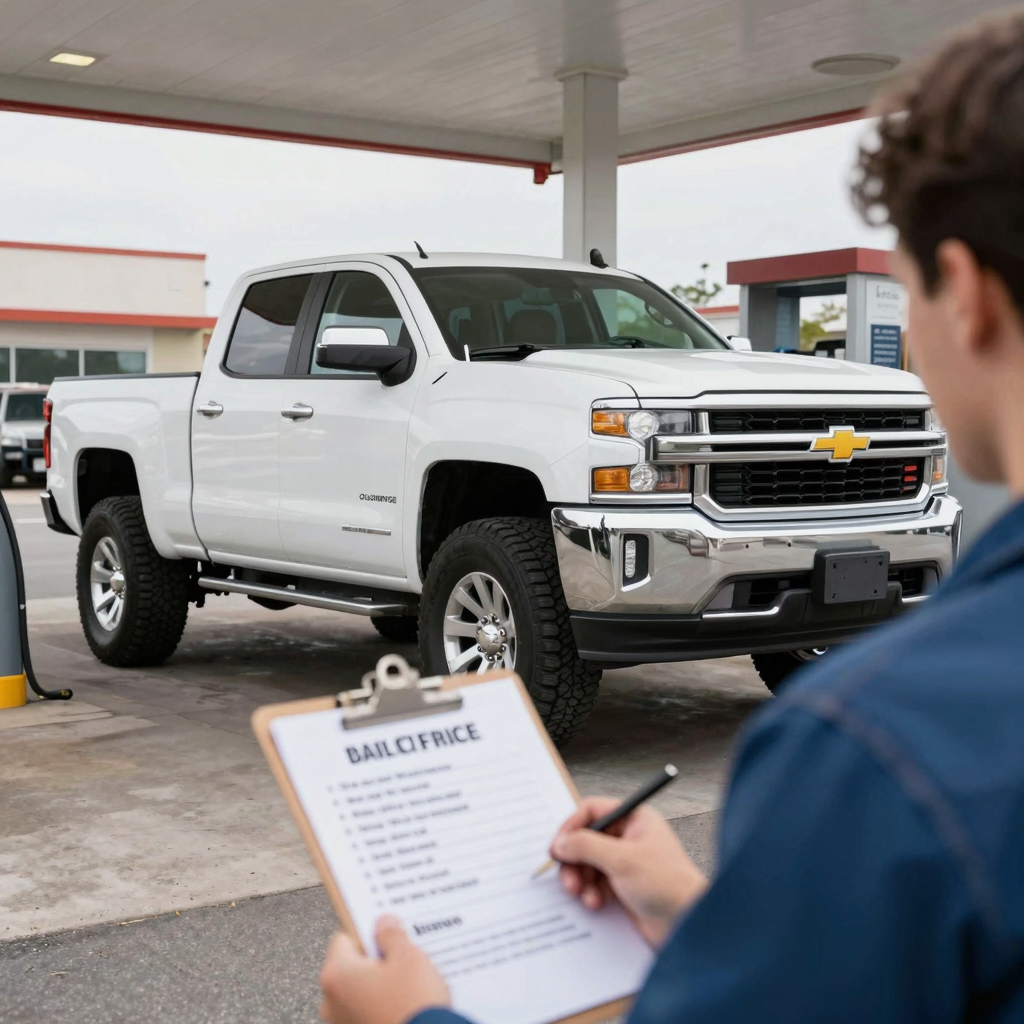
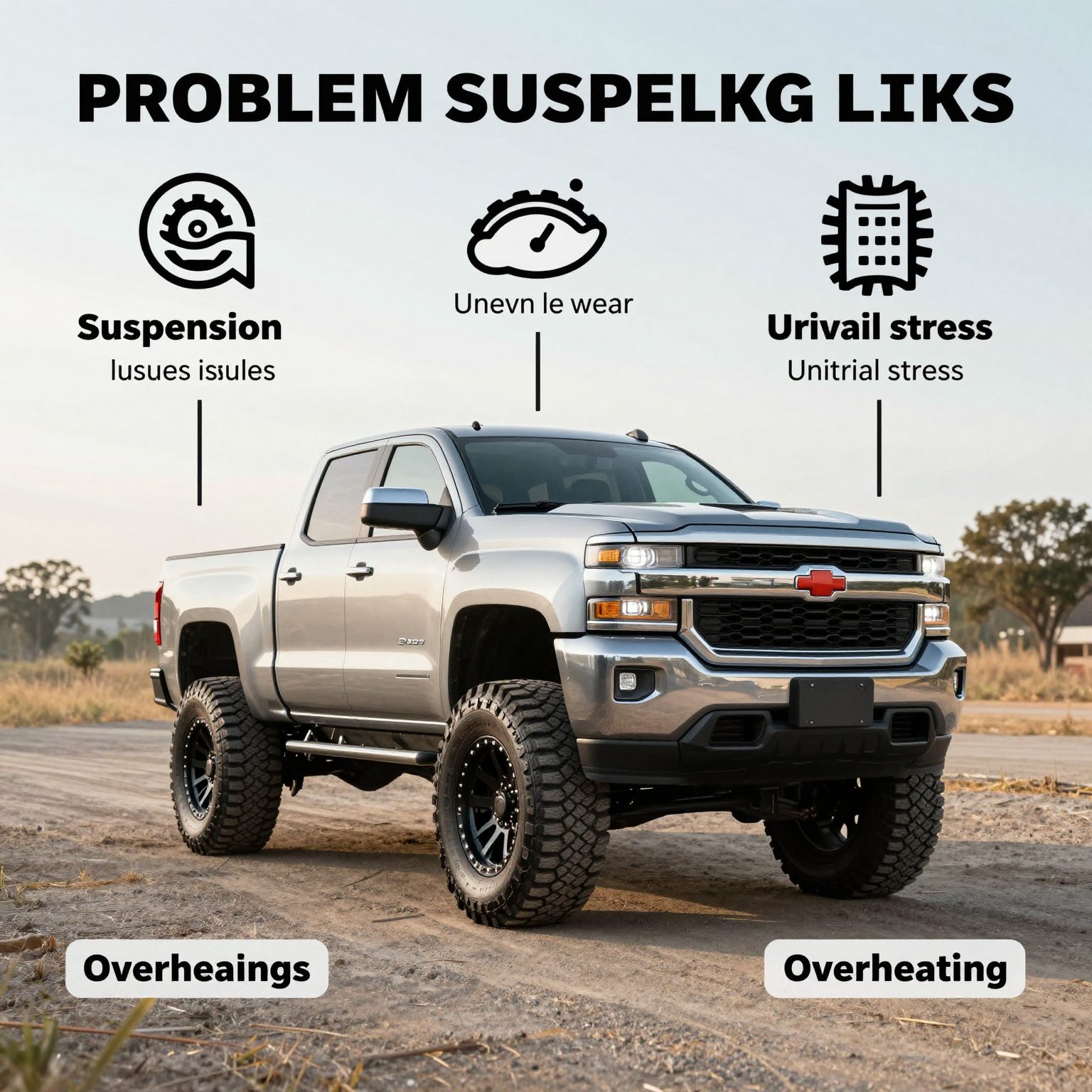
Lifted Chevy trucks offer enhanced off-road capabilities and a striking presence on the road, but they come with their own set of challenges. Understanding these common issues can help you maintain your vehicle better and troubleshoot effectively. Below are some prevalent problems faced by lifted Chevy trucks and their corresponding solutions:
1. Suspension Problems
- Issue: Lift kits can strain suspension components like ball joints and control arms, leading to premature wear and failure.
- Solution: Invest in high-quality lift kits from reputable manufacturers. Consider upgrading to heavy-duty shocks and springs designed for lifted vehicles to manage the added stress effectively.
2. Uneven Tire Wear
- Issue: Lifted trucks often experience misalignment issues due to altered suspension geometry, which can cause uneven tire wear.
- Solution: Regularly schedule professional four-wheel alignments, especially after modifications. Upgrading to adjustable control arms and track bars can further aid in adjusting suspension angles appropriately.
3. Drivetrain Stress
- Issue: The added height can increase stress on drivetrain components, leading to vibrations and potential failures.
- Solution: Ensure proper installation of the lift kit to maintain driveline angles. A performance-tuned steering stabilizer can also help reduce vibrations experienced at highway speeds.
4. Brake Functionality
- Issue: Altered suspension geometry can impact brake performance and stopping power, posing safety risks.
- Solution: Upgrade brake components to heavy-duty versions that can handle the altered vehicle dynamics, ensuring that they are robust enough to provide increased stopping power.
5. Fuel Efficiency Loss
- Issue: Owners often report a drop in fuel efficiency of about 10-15% due to increased drag and weight.
- Solution: Consider aerodynamic improvements, such as a bed cover or front air dam, to reduce drag. Also, ensure that your vehicle is regularly serviced to maintain optimal performance.
6. Overheating
- Issue: Engine and transmission overheating can occur if cooling systems are not upgraded to handle the extra load.
- Solution: Installing aftermarket performance coolers for the transmission and engine can improve cooling efficiency, especially in demanding situations.
7. Increased Risk of Rollovers
- Issue: A higher center of gravity increases the likelihood of rollovers, especially during sharp turns or off-road driving.
- Solution: Take caution when navigating sharp turns and consider adding sway bars for improved stability. Low center of gravity enhancements or wider tires can also lower rollover risks.
8. Body Damage from Off-Road Obstacles
- Issue: Lifted trucks are more susceptible to body damage caused by off-road obstacles.
- Solution: Armor your vehicle with skid plates and bumpers designed for off-road use to minimize the impact of obstacles.
For more about quality maintenance and repair solutions for lifted trucks, explore our services at 5 Star Truck Inc..
Customer Testimonials on Servicing Lifted Trucks
Positive Experiences from Long-Haul Truck Drivers
Servicing lifted trucks can pose specific challenges, but many long-haul truck drivers have shared positive experiences that highlight the benefits of quality maintenance and expertise in this specialized area. Here are some testimonials that showcase their journeys:
“Having my lifted truck serviced was a game changer! The crew understood every nuance of the lift kit, which saved me significant time during maintenance. Their knowledge and professionalism really stood out!”
- Emil, Long-Haul Truck Driver
“I was worried about how my truck would fare during routine maintenance, but the technicians handled it flawlessly. Knowing they are experienced with lifted vehicles gives me peace of mind on the road.”
- Sarah, Fleet Manager
“Servicing my lifted truck has been a breeze thanks to a reliable shop nearby. They know lifted trucks inside and out, ensuring everything’s safe and sound before I hit the highway again.”
- Mike, Long-Haul Truck Driver
These experiences highlight the importance of choosing a service provider knowledgeable about lifted trucks. When your truck is in the hands of professionals, you have nothing to worry about on the road. Learn more about exceptional services at 5 Star Truck Inc.
Image of Customer Testimonials

For long-haul truck drivers, finding a trustworthy shop that understands the intricacies of lifted trucks is crucial. The right service makes all the difference in maintaining your vehicle’s performance and longevity.
Recommended Maintenance Frequency for Lifted Chevy Trucks
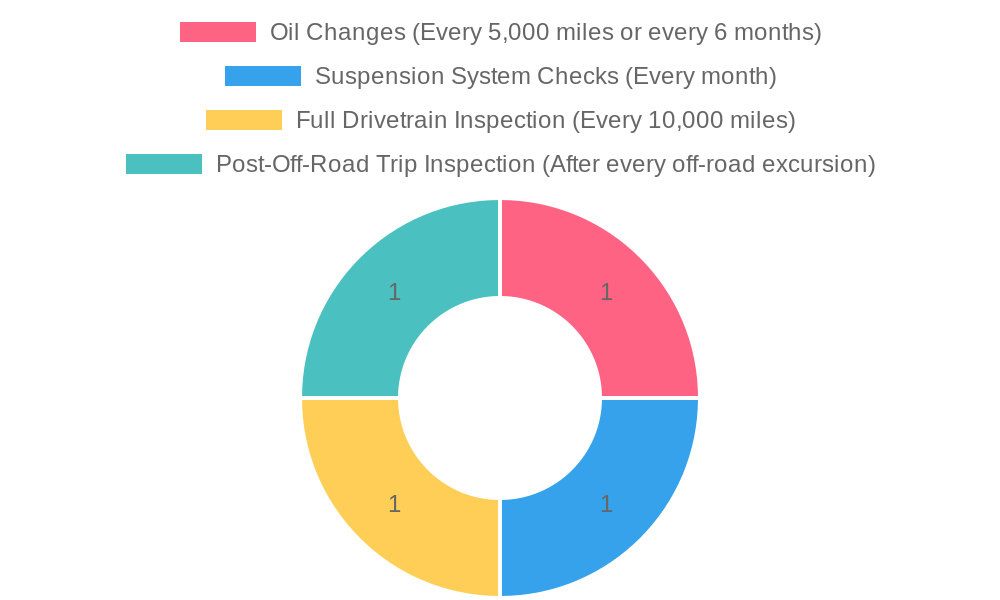
Maintaining your lifted Chevy truck is crucial to ensure it operates efficiently and safely. Here’s a visual representation of the recommended maintenance tasks and their frequencies:
| Maintenance Task | Recommended Frequency |
|---|---|
| Oil Changes | Every 5,000 miles or every 6 months (whichever comes first) |
| Suspension System Checks | Every month (due to increased stress from lifting) |
| Full Drivetrain Inspection | Every 10,000 miles |
| Post-Off-Road Trip Inspection | After every off-road excursion |
Notes:
- These recommendations are general guidelines for lifted trucks. They may vary based on specific driving conditions, lift kit types, and manufacturer specifications.
- Always consult your vehicle’s owner manual and the lift kit manufacturer’s instructions for specific maintenance requirements.
- Off-road use significantly increases wear on components. Regular inspections after trips are essential to prevent damage or failures.
For further details on the maintenance practices, you can explore the excellence of 5 Star Truck Inc..
Conclusion: The Importance of Chevy Service for Lifted Trucks
As we’ve discussed, maintaining lifted trucks is not merely a recommendation but an essential practice to ensure performance and safety. The unique modifications that elevate these vehicles place extra stress on vital components like the drivetrain, suspension, and tires, making regular service critical. Neglected maintenance can lead to serious mechanical failures, safety hazards, and costly repairs, risking both your vehicle’s integrity and your safety on the road.
A comprehensive maintenance schedule, including routine alignment checks, tire rotations, and brake evaluations, is paramount for lifted truck drivers. These services will not only extend the lifespan of your custom rig but also enhance your overall driving experience, providing peace of mind as you navigate diverse terrains.
At 5 Star Trucking, we emphasize the need for specialized service tailored for lifted vehicles. Our expert technicians understand the unique needs of your truck and are equipped to handle all necessary maintenance to keep you on the road and operating at your best.
So, if you’re a proud owner of a lifted Chevy truck, don’t wait for issues to arise. Prioritize regular service and maintenance today! Experience the difference with Summit Fairings-we provide the support you need for a smooth transition to peak performance and safety.
Frequently Asked Questions about Chevy Lifted Truck Servicing
1. Can I service my lifted Chevy truck at a regular dealership?
Yes, most Chevrolet dealerships are equipped to service lifted trucks; however, it’s crucial to inform them about the modifications made. Some adaptations might require specialized knowledge or parts, so checking with your dealer beforehand is recommended.
2. Will lifting my truck void the warranty?
Generally, lifting your truck can affect the warranty. If the modifications lead to a failure in a part covered by the warranty, it may not be honored. To protect your investment, consult your warranty policy and consider acquiring an extended warranty that covers lifted modifications. For more information, you can explore the excellence of 5-Star Truck Inc.
3. What should I regularly maintain in a lifted truck?
Regular maintenance for lifted trucks includes:
- Suspension System: Check for wear on shocks and springs. Ensure there are no leaks or damage.
- Wheel Alignment: Due to height alterations, periodic alignment checks are essential to ensure even tire wear and stable handling.
- Drivetrain Components: Regularly inspect driveline angles and joints for excessive wear or issues, especially if vibrations or noises are present.
- Brakes and Tires: Monitor brake performance and maintain proper tire pressure, particularly if you are using larger tires.
To dive deeper into maintenance tips, refer to this guide on lifted truck maintenance.
4. How often should I get a professional inspection?
It’s recommended to have a professional inspection every 5,000 to 7,500 miles. This helps catch issues early and ensures that all system components, especially those affected by lifting, are functioning correctly. Regular checks help prevent costly repairs down the road.
5. Are there any performance issues with lifted trucks?
Yes, lifting a truck can lead to various performance issues such as:
- Increased wind resistance, which may negatively affect fuel efficiency.
- Altered center of gravity, potentially impacting handling and stability.
- Changes in braking distance due to weight distribution changes.
However, with the right adjustments (like recalibrating speedometers and ensuring proper alignment), many performance issues can be managed effectively.
6. What types of modifications should I avoid?
Avoid modifications that could compromise structural integrity or safety, such as extreme lifts without proper suspension upgrades or altering brake systems. Additionally, changes that greatly affect weight distribution might lead to stability and handling issues. Stick to reputable kits designed for Chevy trucks to maintain safe, reliable performance.
Conclusion
Servicing a lifted Chevy truck requires special attention to unique modifications that may affect its performance and warranty. Regular maintenance and professional inspections are essential to keep your truck in top shape. Stay informed on best practices and ensure your lifting modifications are done professionally to maximize both safety and performance. For further insights on trucking solutions, visit 5-Star Truck Inc.