
Understanding where to find authorized service centers for truck body brands is crucial for long-haul truck drivers, trucking company owners, fleet managers, and maintenance specialists. Whether ensuring a truck is running smoothly or handling unexpected repairs, knowing the right service channels can save time and money. This guide outlines proven methods to locate these vital service providers—from utilizing official websites to exploring automotive platforms, we’ll walk you through every step required to find the best authorized service centers for your truck’s body brand. Let’s dive into these strategies and empower your journey on the road.
From Brand Websites to Trusted Service: Navigating Authorized Truck Body Centers
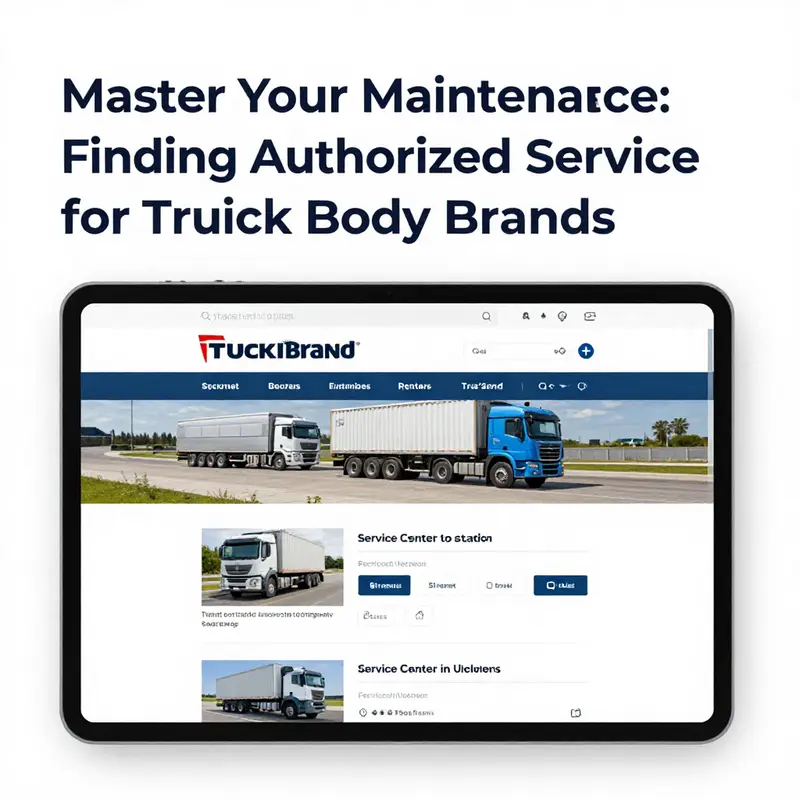
Finding an authorized service center for a truck body brand begins with a simple, purposeful shift: treat the brand’s own channels as the primary map, not every third‑party directory that pops up in a search. The logic is straightforward but can save time, money, and headaches later. When a manufacturer maintains its own service network, you’re more likely to encounter trained technicians who know the exact chassis and body configurations you depend on. You are more likely to receive genuine parts, firmware updates when needed, and warranty coverage that won’t get complicated by miscommunication or misalignment. The journey toward locating the right center, then, starts with a deliberate choice to lean on official sources first and to use the brand’s tools as your compass. From there, a few careful steps unfold, each reinforcing the trust you place in the process and reducing the risk of misdirection in a market that can feel crowded with options. \n\nBegin with the brand’s official website. This is not just a storefront; it is the repository of the factory’s service philosophy, the place where training standards, parts availability, and regional coverage are laid out for operators who rely on their fleet every day. On most brand sites, you will find a menu labeled something akin to Dealers, Service Centers, Find a Dealer, or Contact Us. Even if the site’s layout varies by region, the logic remains the same: the locator tool is the gateway to authorized support. The moment you reach the locator, you should be prepared to enter a few data points so the tool can narrow the field to centers that truly have the right credentials and the right capabilities for your body kit. \n\nThe locator itself is usually straightforward. You type in a city, postal code, or region, and you select the type of service you need—maintenance, repair, or parts. The results will typically display a list of centers with contact details, and many will show hours of operation and a short note about the services offered. This is where the process often becomes less mechanical and more practical. When a center is truly authorized, you will often see notes about trained technicians, dealer-level diagnostic tools, access to genuine parts, and the ability to handle model-specific work without voiding warranties. You may also notice a map view that helps you visually gauge proximity and travel time. The experience is designed to be efficient for fleet managers who need to plan downtime around service windows, rather than for spontaneous walk-ins. \n\nAs you review the results, a few considerations should temper your expectations. Proximity matters, but so does the scope of capability. An ideal center isn’t just close; it’s equipped to handle your body brand’s maintenance cycles, chassis integration checks, and any body-to-chassis interface concerns that can arise after a long road season or a heavy duty job. If your truck body has specialized equipment—such as integrated cranes, lift systems, or hydrostatic components—look for notes about technicians who specialize in those systems. The presence of a one-stop service hotline can also save time when you are coordinating multiple service tasks or seeking warranty guidance. If the official site provides links to schedule an appointment or request a parts quote, these can significantly streamline the process, turning a potential legwork ordeal into a clear, traceable workflow. \n\nOne practical habit that helps is to cross-reference the locator results with your vehicle documentation. The owner’s manual or warranty booklet often lists authorized centers or at least confirms that the brand maintains a network for service and parts. This cross-check can illuminate one more layer of confidence: you are aligning with a source that understands the exact model and the assembly year of your body kit. In cases where the manual lists a region-specific network, you can plan around the centers that truly have jurisdiction to perform the work you need. It is not unusual for a given model to have different service pathways in different territories, and the official site typically reflects those distinctions clearly. \n\nIf you encounter a situation where the locator does not easily resolve to a nearby center, or if the region is sparsely covered, do not abandon the official channel. The next best step is to contact the manufacturer’s customer service directly. A live representative can verify the closest authorized location and confirm whether that center is equipped to handle your specific model and chassis combination. When you call, have your vehicle’s VIN, model code, and a concise description of the service required ready. The representatives can also clarify whether a center specializes in warranty service, routine maintenance, or body modifications. This step, though seemingly procedural, protects you from the pitfalls of misaligned listings or misinformed third-party facilities and reinforces the importance of relying on official channels for critical work. \n\nBeyond the address and the phone number, you should also inquire about the parts supply chain. Authorized centers keep a stock of genuine parts or can expedite orders with the manufacturer’s parts network. This is not merely about speed; it is about ensuring compatibility with the body system, proper fitment, and, crucially, the warranty terms that hinge on using approved parts rather than aftermarket substitutes. If the body system requires software updates or calibration after a repair, an authorized center is more likely to perform those steps in a single visit rather than sending you to multiple queues. The value proposition of dealing with an official center becomes especially clear when the work involves body-to-frame interfaces, sensor alignments, or integration with electrical and hydraulic subsystems that demand precise calibration and careful documentation. \n\nAs you move through the process, you may discover that some brand portals offer additional features. Some provide the option to schedule appointments directly from the results page, while others offer a request-for-quote feature for more significant repairs or custom body work. If these features exist, approach them with a clear plan: list the tasks, estimate downtime, and set expectations about the scope of work. A well-documented appointment request can cut through ambiguity and align the center’s planning with your fleet’s operational needs. In this way, the official site does not merely point you to a location; it helps you orchestrate a maintenance narrative that minimizes disruption and preserves the vehicle’s uptime. \n\nFor readers seeking broader context while staying aligned with official channels, there is value in surveying a few industry resources. A reputable industry blog, for example, can provide practical perspectives on maintenance planning, procurement strategies, and the lifecycle of a fleet’s service ecosystem. See the resource at https://5startruckin.com/blog/ for context on how professionals approach maintenance planning and procurement decisions in a way that complements the official locator experience. This cross-referencing approach helps you build a robust plan rather than relying on a single source of truth. \n\nUltimately, the goal is to reach a center that embodies the brand’s commitment to quality, safety, and reliability. By anchoring your search in the official website, validating through manuals and direct customer service, and corroborating with a few trusted industry resources, you create a streamlined, accountable process. The journey from a brand’s online portal to a service bay becomes less about hunting for nearby shops and more about locating a partner that can sustain your fleet’s performance over the long haul. And when you do secure that partnership, your trucks benefit from the assurance that they are serviced by technicians who understand the exact body configuration, the chassis architecture, and the manufacturer’s service expectations. This is the essence of authorized care: a disciplined connection between vehicle, parts, and people, rooted in the brand’s own standards and reinforced by a transparent, documented service history. \n\nExternal reference: https://www.lsh-cat.com
Mapping the Network: Finding Authorized Truck-Body Service Centers Online
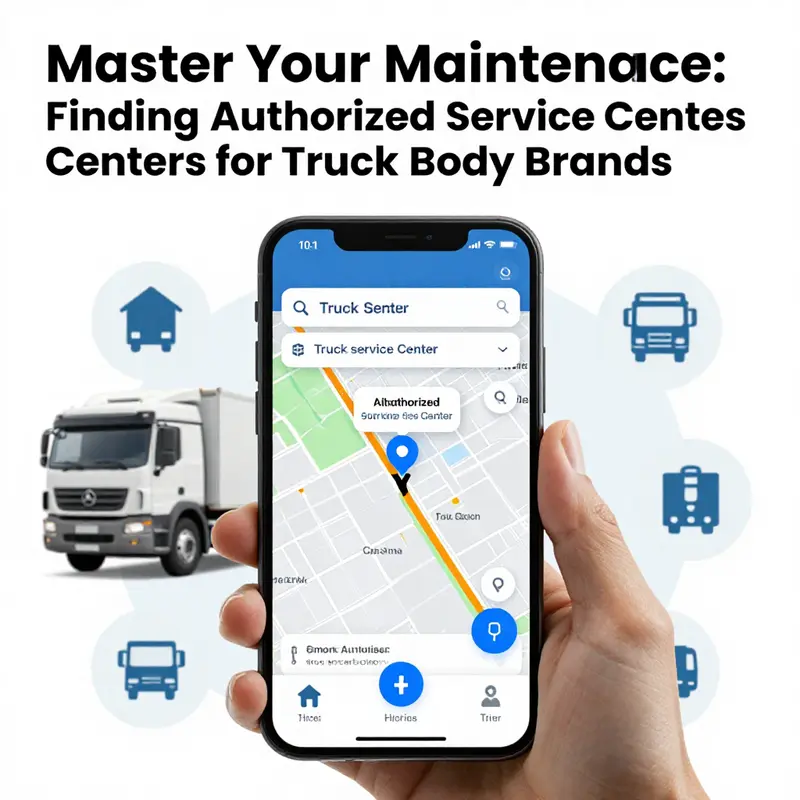
Locating an authorized service center for your truck body brand starts with mapping tools.
Online maps often show the official dealer network and certified service centers with validated credentials.
By enabling location services and searching for terms like ‘authorized service center for [brand]’ you can see nearby options, hours, and contact details.
Cross-check results against the brand’s official locator to confirm authorization and warranty coverage.
Look for centers that list brand-specific certifications or upfitting capabilities, which signal readiness for your configuration and model year.
Finally, call ahead with your chassis and body details to confirm availability, required documentation, and warranty eligibility for the planned work.
Direct Lines to Genuine Help: Finding Authorized Truck-Body Service Centers Through Manufacturer Customer Service
When a fleet depends on heavy-duty bodies that perform under demanding conditions, the path to dependable maintenance and timely repairs starts with a direct line to the people who know the official network best: the manufacturer’s customer service team. This approach is not merely about locating a shop; it is about connecting with an authorized point of service that operates under standardized protocols, uses genuine parts, and maintains the continuity of warranty and support that keeps operations moving. In practice, the most reliable way to locate authorized service centers is to initiate a conversation with the brand’s official support channel. While maps and directories can point you to nearby workshops, they rarely verify credentials, parts sourcing, or the technicians’ training. A direct inquiry with the manufacturer, by contrast, yields an up-to-date list of centers that meet strict verification criteria and have agreed to follow approved service procedures across the network.
The logic behind this approach is straightforward. Authorized service centers are not generic repair shops wearing the same badge; they are nodes in a carefully curated ecosystem. Each center must demonstrate competency in the specific truck body brand’s modular systems, chassis integrations, safety standards, and maintenance schedules. They participate in ongoing training programs, receive regular updates on service bulletins, and stock original parts that guarantee compatibility and performance. This is especially important for bodies that carry a high degree of customization, where aftermarket components can complicate maintenance and affect warranty coverage if not installed by approved technicians. By starting with the manufacturer’s customer service desk, you leverage a centralized customer-care model that reduces the risk of misdirection and miscommunication.
To begin, prepare a concise briefing for the call that centers on your location, your hardware, and your immediate needs. Tell the representative where you are—city or region—and describe the truck body brand you are working with, along with the chassis or model family, the year, and any pertinent identifiers like a vehicle identification number if you have it. Be ready to explain the kind of service you require, whether it is routine maintenance, diagnostics for a drivability issue, a warranty claim, or a specific repair. This upfront clarity helps the agent quickly align you with the centers that possess the credentials to handle your exact configuration and the nature of the service requested.
During the conversation, ask targeted questions that not only locate a nearby center but also confirm its status within the authorized network. A few critical inquiries can save time and confusion. First, confirm that the center is officially authorized to service your truck body brand and chassis combination, and request the center’s certification or authorization identifiers. Second, inquire about the services offered at that site—whether they can address chassis-to-body integration, body repairs, paint and refinishing, electrical harness work, hydraulic systems, or specialized equipment installations. Third, verify whether the center stocks original parts and whether they can source items that may be needed for your exact configuration. Fourth, discuss appointment availability and typical turnaround times, particularly if you are working under a tight maintenance window or a repair that affects fleet readiness. Fifth, check the warranty implications. A genuine authorized center can advise on coverage, documentation needed for claims, and whether certain repairs must be performed within the brand’s network to preserve warranty terms.
If the initially identified center cannot accommodate your request, the customer service representative can quickly route you to another authorized location that has the capacity to handle your job. This redirection is not a failure of the system; it is a feature of the manufacturer’s network, designed to keep critical equipment in service and minimize downtime. In many cases, the representative can provide directions, hours of operation, and a direct point of contact at the center, along with confirmation of whether the shop can arrange a pickup service, on-site diagnostics, or mobile technician visits for urgent situations. The exchange is efficient because the information comes from a centralized source, rather than a scattered web of third-party listings that may include unverified shops or unauthorized outfits.
Beyond the call, there is value in aligning with the manufacturer’s wider service ecosystem. Many brands operate nationwide platforms that connect thousands of dealer and service points, all working under standardized service protocols and with access to the same diagnostic tools and software. This centralized ecosystem is designed to deliver consistent service quality, accurate maintenance records, and seamless warranty administration. When you interact with the official channel, you gain access to this broader network and the reassurance that, should you need follow-up or recalls, the same source of truth will support your case. The ecosystem is not merely about point-of-service checks; it is about a unified service experience that tracks your vehicle’s service history, flags potential issues early, and provides guidance on preventative maintenance tailored to your model and operating conditions. In practice, that means fewer surprises on the road and more predictable maintenance windows for your team.
From a day-to-day perspective, relying on direct manufacturer support to locate authorized service centers also helps you navigate the specifics of maintenance planning. When schedules tighten or travel distances stretch, the brand’s customer service can identify centers that are equipped to handle the particular body configuration and can accommodate preferred appointment times. If the fleet operates in remote or regionally diverse markets, the central line acts as a coordinator, identifying the nearest qualified center with the right capabilities and ensuring that the service plan aligns with the vehicle’s maintenance calendar and the operator’s runtime goals. This is especially valuable for fleets that manage multiple body configurations or operate across different regulatory landscapes, where regional service requirements may vary. The human element—an experienced representative who understands the brand’s diagnostic software, service bulletins, and parts catalogs—often translates to faster problem resolution and clearer expectations for timelines and costs.
For teams that are integrating ongoing maintenance training into their operations, it can be helpful to consult dedicated resources that outline best practices for service planning and technician readiness. See the internal resource on fire-truck maintenance service training for insights into how professional teams structure routine upkeep, technician qualifications, and ongoing education. This reference can complement the direct-line approach by offering a framework for what a well-serviced vehicle should look like, how technicians should approach common issues, and what information to gather before visiting a service center. fire-truck-maintenance-service-training
Even as you rely on direct lines to official channels, you should still check the truck’s own documentation. The owner’s manual and warranty booklet often contain a roster of approved service points and guidelines on how to handle maintenance in between authorized visits. That documentation can serve as a quick cross-check against the information you receive from the call center. If something does not align—if the nearest center lists capabilities that do not match your needs, or if the warranty guidance differs from what you were told—do not hesitate to escalate the matter to a supervisor within the official channel. It is in these moments that the integrity of the brand’s authorized network shines, offering you a definitive source of truth and a clear path to resolution.
The practical takeaway is simple. When you need authorized service centers for a truck body brand, start with the manufacturer’s customer service team. Prepare your details, ask precise questions about authorization, capabilities, parts sourcing, warranty coverage, and appointment logistics, and insist on confirmation in writing if possible. If you cannot secure an appointment quickly, request a formal referral to another authorized center and keep a record of the interaction. This approach protects against unverified workshops, ensures access to original parts and trained technicians, and keeps your fleet aligned with the brand’s standards. It also reinforces a culture of proactive maintenance—one where issues are diagnosed, planned, and executed through trusted channels, rather than reactive patchwork. In the end, the most reliable service experience is anchored in a direct, informed conversation with the official network, a conversation that translates into uptime, safety, and operational reliability for every kilometer your fleet travels.
External resource: official manufacturer contact page is available for those seeking direct, up-to-date contact details. See the manufacturer’s official contact page for verification and further guidance: https://www.fotonmotor.com/cn/contact-us.html
From Paper to Path: Reading Vehicle Documentation to Locate Authorized Truck-Body Service Centers
When your fleet depends on uptime and reliability, the first map to a trusted repair is often tucked into the truck’s own paperwork. Vehicle documentation is more than a warranty banner or a maintenance checklist; it is a formal bridge to the network of authorized service centers that the manufacturer endorses. Reading this documentation with a careful eye turns a noisy marketplace into a precise route: the path to genuine parts, trained technicians, and service standards that protect both safety and performance. In practice, this means starting with the pages you might otherwise skip—the owner’s manual and the warranty booklet—and following their guidance to the centers that the brand itself recognizes as qualified to service your specific body and chassis combination. The idea is not to search blindly by distance alone, but to verify that any place you consider has the manufacturer’s blessing, the right tooling, and access to authentic parts. This approach reduces warranty risk, minimizes downtime, and preserves the long-term value of the truck body and its underlying chassis.
The owner’s manual often contains two essential anchors for this search. First, it may list the recommended service network or provide a code that links the vehicle to certified facilities. Second, it typically notes the exact model family and chassis configuration, which matters when a body is paired with a specific frame or cab. In this way, the paper trail becomes a verification tool. The presence of a clearly identified service matrix or a dedicated page within the warranty booklet signals that the vehicle was designed to be serviced in an authorized ecosystem. When that page exists, it is worth treating it as a primary map and cross-referencing any service center you consider against the identifiers provided there. The ultimate aim is to confirm that the center you choose can document its authorization uniquely for your vehicle’s VIN or chassis number, ensuring compatibility with OEM repair procedures and parts.
The VIN, a unique alphanumeric fingerprint for every truck, is often the most reliable way to tie a service center to an authorized network. The VIN is not just a serial tag; it is the key that unlocks the brand’s official service pathways. In many manuals and warranty books, the VIN is reinforced as the authority by which you validate who is permitted to perform certain maintenance tasks, especially when those tasks involve specialized diagnostics, calibrations, or software updates tied to the body manufacturer. Locating the VIN is usually straightforward: it can be found on the dashboard near the windshield, on the driver’s door jamb, or on the chassis plate at the front of the frame. Once you have it, you can use brand portals or customer-service channels to confirm which facilities are linked to that exact vehicle configuration. The process may be as simple as entering the VIN into an official locator and receiving a filtered list of authorized centers that match the truck’s body type, year, and model geometry. In some cases, the VIN is used behind the scenes by the service portal to tailor recommendations and ensure that the technician queue you see is compatible with the parts and service protocols for your truck.
Beyond the manual and the VIN, the brand’s official service locator acts as the practical bridge between documentation and action. These portals are designed to be user-friendly and location-aware. They typically offer search fields for city, postal code, or region and return a structured list of authorized centers with addresses, phone numbers, and often the kinds of services they specialize in—ranging from routine maintenance to complex chassis-body integrations. When you consult the locator, you should look for indicators that the facility has OEM-certified technicians, access to genuine parts, and the ability to perform warranty-related procedures. A well-maintained locator page may also reveal whether the center is equipped to handle model-specific recalls or service bulletins that affect your exact body configuration. Even if you begin with a simple location search, take a moment to verify the results against the VIN and the manual’s guidance so that you are not inadvertently routed to an uncredentialed shop that cannot claim OEM-backed support.
If you cannot locate a definitive list in the manual, turn to the official brand channel for confirmation. Most manufacturers maintain a direct line of communication through customer support that can provide you with the nearest authorized center when you share your location and the VIN. A brief call or email, referencing the vehicle’s VIN and the nature of the required service, can prevent missteps that lead to improper repairs or warranty questions. This direct verification step is especially valuable if the vehicle is out on the road or if you are evaluating a potential service partner before a field service visit. In the presence of warranty coverage, this door-to-door verification becomes a prudent safeguard, because only centers that have explicit authorization from the brand can perform warranty-approved work or diagnose issues with OEM software and configurations. The overall objective is not to rely on a generic mechanic’s reputation alone but to anchor trust in the official authorization that comes from the manufacturer to protect the integrity of your fleet.
There are additional sources that support this approach without complicating the process. Industry directories maintained by associations and umbrella dealer networks often consolidate authorized service providers across brands, offering search tools that can be especially helpful when you manage multiple rigs with different bodies or chassis. These centralized directories can be a practical way to cross-check the brand locator results and to identify nearby facilities that meet the same certification standards. When using these directories, you should still verify each facility’s authorization with the brand directly and confirm that your specific vehicle configuration is supported by the center. This layered verification helps you avoid shops that may claim affiliation without the proper credentials or that lack access to OEM tools, calibration databases, or genuine parts.
Visually, there are consistent signs you can look for at a facility to confirm its status as an authorized center. A legitimate center will typically display the brand’s logo and signage indicating its status as an Authorized Service Center. Trained technicians at these facilities will use OEM diagnostic tooling, adhere to manufacturer service procedures, and stock genuine parts designed for your body-system combination. The presence of certification plaques or digital certifications for specific training programs is another reassuring signal. In contrast, a center that cannot clearly demonstrate official affiliation, or which relies on non-original parts, should raise warning flags. When in doubt, ask for documentation that proves authorization—such as current certification letters, training records, or a direct confirmation from the brand’s regional service office. The combination of documentation, signage, and demonstrable training adds up to a reliable signal that the work you are receiving aligns with the brand’s standards and warranty requirements.
The practical upshot of this documentation-driven approach is straightforward. If you want to preserve warranty protections, maintain safety standards, and sustain uptime, your first step is to map the authorized network using the manual and VIN, then corroborate with the official service locator and customer support. Treat the manual not as a passive guide but as an active contract that points you to certified centers and the proper procedures for service and repairs. When you have the VIN, you have leverage to ensure the match between the vehicle and the repair facility. It is this alignment—documentation, VIN, official channels, and visible authorization—that reduces risk, speeds up service, and keeps both the truck body and its chassis performing at peak capability.
For teams managing fleets or owners planning long-distance travel, the discipline of documentation-led verification pays dividends over time. Store digital copies of the owner’s manual pages that reference the authorized network and keep the VIN handy in a central maintenance file. When a service event is on the horizon, begin with the official locator, confirm the VIN, and then call the service center to confirm appointment windows and parts availability. These small, deliberate steps create a predictable service experience and protect the integrity of the truck body system across its life cycle. If a trip or a shift hinges on a precise service protocol or a warranty claim, this careful approach is your best ally—rooted in the simple but powerful idea that a well-guarded document can be the quickest, most trustworthy route to authorized expertise.
To connect this chapter to broader resources, consider the official service centers page as a practical anchor for the search process. Authorized Service Centers page offers a structured way to verify centers and access contact details—an authoritative starting point for identifying legitimate service providers for truck bodies. And for a broader look at how the industry supports dealer and service networks, see industry directories and association tools that compile verified providers across brands. As you plan maintenance or fault resolution, let documentation guide you to those centers that carry the brand’s blessing, ensuring every repair preserves the vehicle’s integrity and your peace of mind. External reference: NTEA Dealer Search Tool.
Digital Roadmaps to OEM-Certified Service: Finding Authorized Truck-Body Centers in a Connected Ecosystem
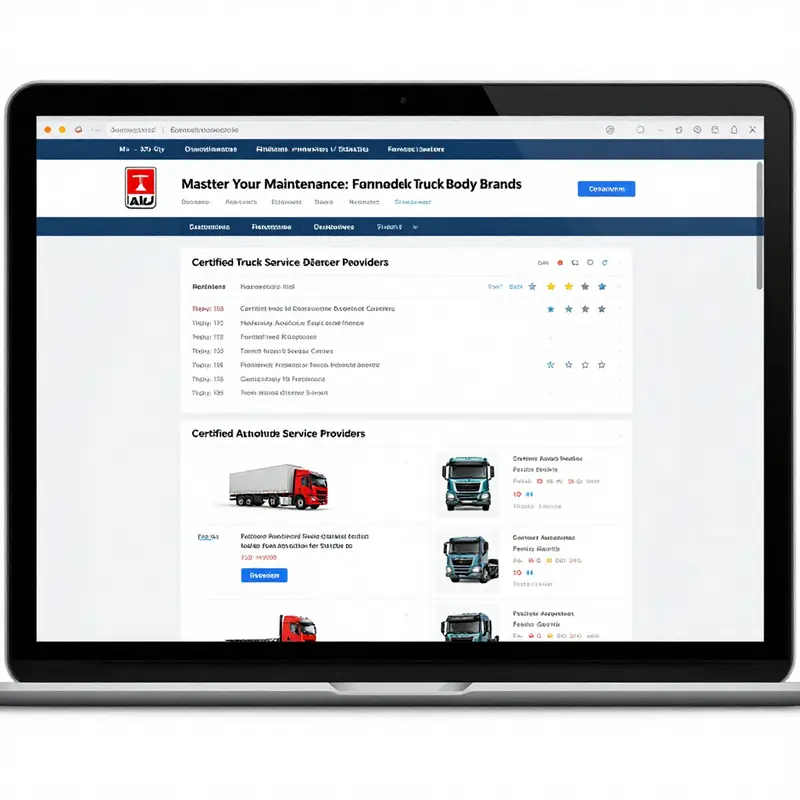
Finding authorized service centers for truck body brands in a sprawling digital economy requires more than a phone book search. It demands a mental map built from official portals, real-time data feeds, and trusted networks that tie together chassis makers, body manufacturers, and the technicians who repair them. In practice, the search begins at the source: the manufacturer’s own service locator. The pages you reach there are not merely directory entries; they are gateways into a living network. They show which centers are certified for which models, what body configurations they support, and what kinds of maintenance and warranty work they are equipped to handle. As fleets grow and routes stretch across hills and cities, this network becomes less about proximity and more about capability, availability, and compliance with OEM standards.
Digital ecosystems used by the automotive and transport industries rely on standardized data models and secure connections. Through APIs, cloud-based analytics, and identity services, the system confirms a center’s certification status, maps it to a physical location, and exposes the service capabilities that matter to a fleet operator. A center may be close by, yet if it lacks the specific chassis certification, the right tooling for suspension work, or access to genuine parts, it cannot fulfill the OEM requirements that keep a warranty intact and a vehicle performing at peak. That is why a modern search for authorized service centers reads like due diligence in a digital economy rather than a casual inquiry in a workshop.
Within this ecosystem, the role of the official brand portal remains essential but not solitary. The first instinct is still valid: consult the brand’s service locator or dealer network page. Use the built-in search by location, postal code, or region to identify nearby authorized centers. Yet a deeper layer awaits those who understand how the data is structured. Many platforms aggregate information from multiple sources—manufacturer data, certified dealer networks, and service providers that have earned endorsements through rigorous training and parts authentication. This aggregation yields not only where a center is, but what it can do, and under what conditions—whether a particular chassis, a newer body variant, or a specific body-to-chassis interface requires specialized procedures.
Delving into the digital map requires attention to certification, a term that should never be assumed. Authorization is not a general label; it is a dynamic status. Platforms that support authorized service networks routinely validate technician certifications, verify the provenance of parts, and align repair procedures with OEM specifications. This triple check matters especially for critical systems like suspension and steering, where subtle tolerances and precise torque sequences can influence handling, and uptime. A technician trained and certified on a certain chassis and body configuration is a guarantee of compliance with repair standards, test procedures, and warranty terms. The difference between a generic repair and an OEM-aligned service encounter can be the difference between a fleet staying on schedule and a breakdown that derails a week’s route plan.
The practical path through these platforms is smooth but disciplined. Begin with the official locator to anchor your search in the authentic network. Then expand to mapping services as a supplementary tool—these apps can leverage your live location to present a curated list of centers with contact details, hours, and user feedback. The central idea is to cross-check the data: does the center accept your brand, does it list the correct model coverage, and does it offer the service type you require—be it routine maintenance, major repairs, or warranty service? The approach should transcend mere proximity. In urban centers or on long-haul corridors, the quickest route to uptime is a center that can diagnose and repair in a single pass, ideally with access to genuine parts and OEM-recommended test equipment.
Documentation plays a quiet but decisive role in guiding this search. The owner’s manual and warranty booklet often contain a list of authorized service centers and their contact information, customized to the model or chassis type. When a fleet manager or owner-operator sits down with a technician, those documents serve as a second cross-check that the center is within the authorized network. They also provide the specific service guidelines that support what the technician will encounter on the shop floor. In many fleets, the data about service centers is not static; it updates as manufacturers expand their certified networks or as new variants enter service. A robust platform will reflect these updates in near real time, so the search remains accurate day by day.
Beyond the brand portal and the map apps lies a broader, more strategic layer—the integration of data streams that connect manufacturers, dealers, and service providers with fleet operators. This is where automotive platforms, particularly those purporting to unify the vehicle lifecycle, show their value. They encode, in machine-readable form, which centers hold genuine parts, which have trained technicians, and which can perform specialized procedures required by modern truck bodies. Think of a platform that does not merely show a phone number but confirms that a center has the right tooling, the right parts inventory, and the right certification. In such a system, a fleet manager can align maintenance windows with a service center’s capacity, orchestrate on-site or depot-based service, and even route diagnostic data to technicians before the vehicle arrives. The result is less idle time, faster turnarounds, and more predictable maintenance costs.
As you navigate this landscape, it is worth acknowledging the broader industry context that underpins these capabilities. The modern approach to service network discovery is not accidental but the outcome of deliberate digital strategy. It mirrors a movement toward end-to-end lifecycle management in which data, identity, and access are managed across the enterprise and its ecosystem of partners. The Microsoft automotive solutions page offers an explicit view of how such integrated digital platforms help connect vehicle manufacturers, service providers, and fleet operators through standardized APIs and cloud-based analytics. The principle remains the same: secure, scalable connections that preserve data integrity while enabling real-time decision making. This kind of platform-centric perspective helps explain why many fleets increasingly prefer rolling with an authorized service network rather than chasing scattered, ad hoc repairs.
Within this framework, the specific case of truck body brands illustrates how certification, parts authenticity, and repair standards coalesce to protect performance. Authorized centers do not operate in isolation; they are nodes in a coordinated network. They use diagnostic tools aligned with OEM procedures, they stock parts that meet exacting tolerances, and they rely on technicians who have completed rigorous training. For fleets, this means maintenance that respects the geometry of the body, the alignment of suspensions, and the integrity of the steering system—areas where a small misstep can compromise handling and uptime in demanding environments, from city streets to hilly routes. A center properly aligned with the brand’s certification program can execute complex tasks—replacing a strut, adjusting a control arm, aligning a chassis-to-body interface—with confidence, ensuring the vehicle remains within warranty and meets the builder’s safety standards.
To keep this system efficient, fleet operators should adopt practices that keep the data current and the decisions timely. Maintain a rolling list of preferred centers tied to each brand, updated whenever a center gains or loses certification, or when a new variant requires new tooling. Use the official locator as the anchor, but verify details through trusted channels such as direct calls to the brand’s customer support or the certified dealer network. When booking service, specify the exact model, chassis, and body type, and share the vehicle’s VIN where appropriate; this helps the center verify eligibility before the appointment and prepares them to allocate the correct parts and procedures. Such precision reduces the risk of miscommunication and ensures the service encounter begins with a clear path to uptime.
The digital roadmaps described here are not theoretical conjurations but practical tools that translate brand authority into reliable, repeatable maintenance outcomes. They empower fleet managers to anticipate maintenance windows, allocate resources efficiently, and avoid bargaining away essential service standards to cheaper, non-certified alternatives. They also invite a culture of transparency, where feedback from technicians and fleet operators can inform updates to the network, ensuring that the authorized centers remain aligned with evolving OEM requirements and the realities of day-to-day operation on the road. In the end, the objective is straightforward: locate an authorized service center that can deliver OEM-aligned service, genuine parts, certified technicians, and a service experience that protects uptime, safety, and resale value.
For further reading on how integrated automotive platforms surface and coordinate authorized providers in real time, see the resource Unlocking Fire Apparatus Uptime: Essential Product Support Secrets. Unlocking Fire Apparatus Uptime: Essential Product Support Secrets. This approach aligns with the broader strategy of platform-driven service networks that connect manufacturers, dealers, and fleet operators through APIs and analytics, creating a seamless flow from discovery to repair. External resource: https://www.microsoft.com/en-us/industry/automotive
Final thoughts
Finding authorized service centers for truck body brands doesn’t have to be a daunting task. By utilizing official websites, mapping services, customer service, vehicle documentation, and automotive platforms, truck drivers and fleet managers can ensure they have quick access to quality service. This knowledge empowers you to maintain your vehicle optimally, reduce downtime, and ultimately keep your operations running smoothly. Always remember, keeping your service options in mind will pave the way for a more efficient and reliable trucking experience.