
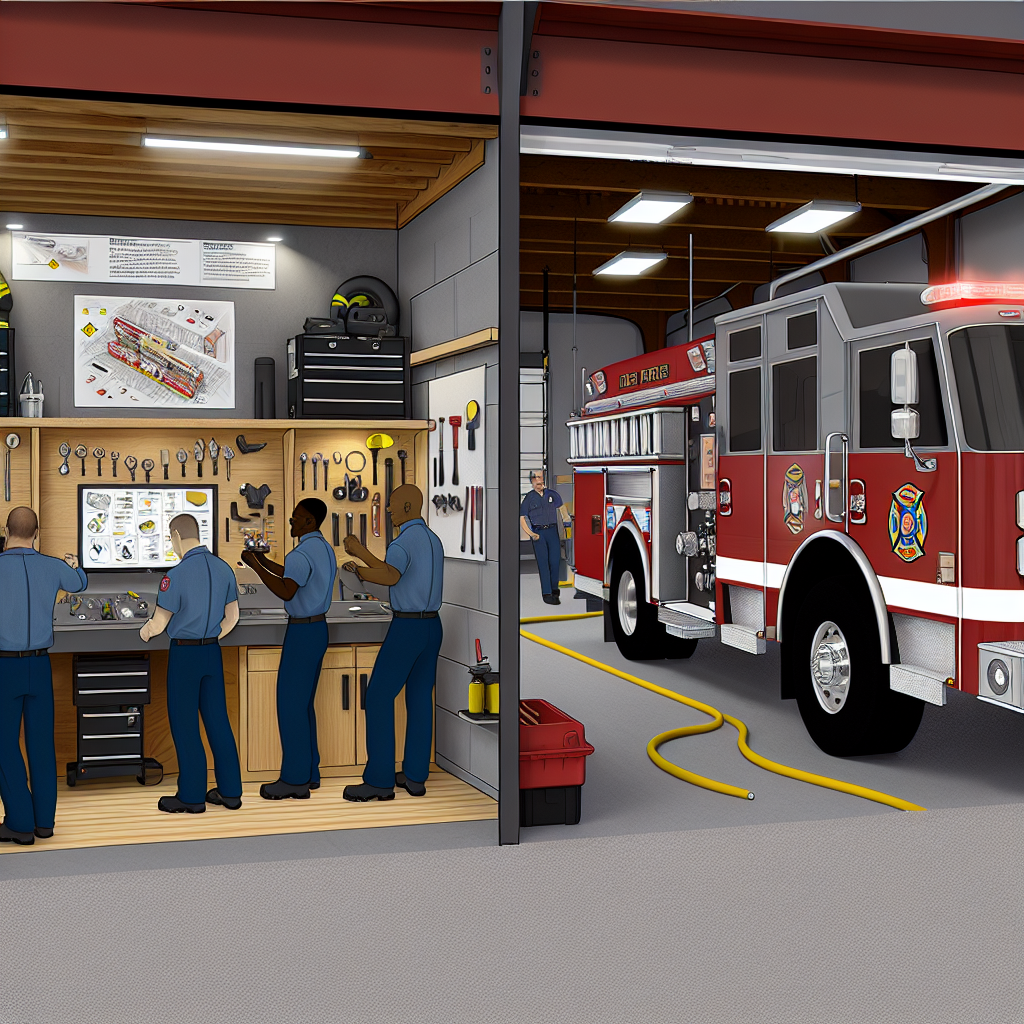
In the world of emergency response, every second can save a life, making the reliability of fire apparatus crucial. Fire Truck Product Support plays a vital role in ensuring that fire departments can depend on their vehicles at all times.
According to industry experts, “It is critical to think beyond delivery to maximize fire apparatus uptime.”
It’s not just about the initial purchase; ongoing support is essential for maintaining these intricate machines. Manufacturers have a responsibility to their customers, one that is exemplified by Pierce Manufacturing, which claims, “Pierce’s commitment to providing ongoing fire truck Aftermarket & Product Support are second-to-none in the industry.”
This emphasizes the significance of comprehensive product support in enhancing the operational readiness and overall longevity of fire trucks. In this article, we will delve into the various aspects of fire truck product support, exploring best practices and highlighting the indispensable role it plays in maximizing fire apparatus uptime.
Key Elements of Effective Product Support for Fire Trucks
Effective product support for fire trucks is crucial to ensure their reliability and readiness for emergency responses. Key elements include:
Preventive Maintenance Practices:
- Systematic Inspections: Regular, thorough inspections help identify and address potential issues before they escalate. The National Fire Protection Association (NFPA) 1911 defines preventive maintenance as the systematic inspection, detection, correction, and prevention of incipient failures, before they become actual or major failures.
- Daily and Weekly Checks: Operators should perform daily inspections, which typically take about 30 minutes, to ensure the apparatus is in optimal condition. These checks should be well-defined on a checklist and include visual inspections, fluid level checks, and operational tests of critical systems.
- Comprehensive Maintenance: Scheduled preventive maintenance (PM) programs reduce apparatus downtime, service calls, and breakdowns. A well-thought-out PM program also minimizes mechanic overtime and lost crew hours, ensuring safe and dependable apparatus performance.
Service Frequency:
- Manufacturer and NFPA Guidelines: NFPA 1911 recommends that fire apparatus undergo preventive maintenance either as frequently as the manufacturer recommends or once a year, whichever comes first. For volunteer fire departments, full-scale preventive maintenance should occur every two years due to fewer road miles and operating hours.
- Customized Schedules: Maintenance intervals should be tailored based on the apparatus’s usage and operating environment. For example, some departments perform oil changes every 250-300 hours, even if the manufacturer suggests longer intervals, to ensure thorough inspections and reduce major maintenance issues later on.
Impact on Apparatus Uptime:
- Enhanced Reliability: Regular preventive maintenance ensures that fire trucks are always ready for emergency calls, reducing unexpected breakdowns and extending the vehicle’s lifespan.
- Operational Efficiency: A proactive maintenance approach minimizes downtime, allowing fire departments to maintain optimal response capabilities and ensuring the safety of both firefighters and the communities they serve.
Implementing a structured preventive maintenance program, adhering to recommended service frequencies, and customizing maintenance schedules based on specific operational needs are essential for maximizing fire truck uptime and ensuring effective emergency response.
Key Elements of Effective Product Support for Fire Trucks
Effective product support for fire trucks, particularly through preventive maintenance practices, is crucial for ensuring operational readiness and maximizing uptime. Implementing structured maintenance programs not only enhances equipment reliability but also extends the service life of fire apparatus.
Key Elements of Effective Preventive Maintenance:
- Standardized Inspection Intervals:
- Establish routine checks, including daily pre-trip inspections, weekly walkthroughs, monthly servicing, and annual tests compliant with NFPA standards. emergent.tech
- Comprehensive Training:
- Ensure all personnel are trained on proper inspection protocols to maintain consistency and thoroughness in maintenance procedures. emergent.tech
- Detailed Record-Keeping:
- Maintain meticulous maintenance logs to track inspections, identify recurring issues, and support liability protection. emergent.tech
- Utilization of Checklists:
- Implement documented checklists to reduce human error and ensure all critical components are inspected systematically. emergent.tech
- Adherence to Manufacturer and NFPA Guidelines:
- Follow the manufacturer’s recommended procedures and comply with NFPA standards, such as NFPA 1911, which outlines requirements for the inspection, maintenance, testing, and retirement of in-service automotive fire apparatus. firerescue1.com
Impact on Uptime:
Implementing preventive maintenance programs has demonstrated significant benefits:
- Reduction in Equipment Downtime:
- Companies that implement preventive maintenance experience a 35% reduction in equipment downtime. wifitalents.com
- Decrease in Unplanned Downtime:
- Preventive maintenance helps decrease unplanned downtime by 55%. wifitalents.com
- Improvement in Equipment Availability:
- Proper preventive maintenance can improve equipment availability by up to 20%. wifitalents.com
Best Practices:
- Regular Preventive Maintenance Services:
- Conduct services at intervals such as every 250-300 hours, including oil changes, engine oil and filter changes, chassis lubrication, transmission filter changes, and topping off antifreeze. fleetmaintenance.com
- Annual Testing and Inspections:
- Perform annual testing for pumps, aerial devices, and other critical systems as recommended by NFPA 1911 to confirm performance meets manufacturer and safety standards. emergent.tech
- Utilization of Fleet Maintenance Software:
- Implement fleet maintenance software to manage vehicle maintenance schedules, especially across multiple units or stations, to ensure timely servicing and record-keeping. emergent.tech
By adhering to these practices and guidelines, fire departments can significantly enhance the reliability and longevity of their fire trucks, ensuring they are ready to respond effectively when emergencies arise.
Comparison of Fire Truck Manufacturers’ Aftermarket Support Offerings
| Manufacturer | Regional Service Facilities | Mobile Service Units | Dedicated Support Team Size | Advantages of Pierce Manufacturing |
|---|---|---|---|---|
| Pierce Manufacturing | 60+ | 140+ | 80+ | Extensive support network; industry-leading reliability; swift response times; comprehensive service offering. |
| Oshkosh Corporation | 50+ | 100+ | 70+ | Strong reputation but fewer localized service options. |
| E-One | 40+ | 80 | 60 | Good support but limited to certain regions. |
| Spartan Emergency Response | 30+ | 70 | 50 | Smaller network, may have longer response times. |
| Smeal Fire Apparatus | 20 | 50 | 40 | Newer in the market; focusing on expanding support services. |
The table above offers a quick overview of the aftermarket support offerings from various fire truck manufacturers, with a highlighted comparison of Pierce Manufacturing’s key advantages, ensuring that fire departments have access to the best possible support for their apparatus.
A Comparison of Fire Truck Manufacturers’ Aftermarket Support Offerings
| Manufacturer | Regional Service Facilities | Mobile Service Units | Dedicated Support Team Size | Advantages of Pierce Manufacturing |
|---|---|---|---|---|
| Pierce Manufacturing | Over 60 | Over 140 | More than 80 | Large support network; reliable service; swift response times; extensive service offerings. |
| Oshkosh Corporation | Over 50 | Over 100 | More than 70 | Strong reputation but fewer localized services. |
| E-One | Over 40 | 80 | 60 | Good support but limited to certain regions. |
| Spartan Emergency Response | Over 30 | 70 | 50 | Smaller network, may have longer wait times. |
| Smeal Fire Apparatus | 20 | 50 | 40 | New in the market; expanding support services. |
This table offers a brief overview of various fire truck manufacturers’ aftermarket support, highlighting Pierce Manufacturing’s key advantages for fire departments.
Comparison of Fire Truck Manufacturers’ Aftermarket Support Offerings
| Manufacturer | Regional Service Facilities | Mobile Service Units | Dedicated Support Team Size | Advantages of Pierce Manufacturing |
|---|---|---|---|---|
| Pierce Manufacturing | 60+ | 140+ | 80+ | Extensive support network; industry-leading reliability; swift response times; comprehensive service offering. |
| Oshkosh Corporation | 50+ | 100+ | 70+ | Strong reputation but fewer localized service options. |
| E-One | 40+ | 80 | 60 | Good support but limited to certain regions. |
| Spartan Emergency Response | 30+ | 70 | 50 | Smaller network, may have longer response times. |
| Smeal Fire Apparatus | 20 | 50 | 40 | Newer in the market; focusing on expanding support services. |
The table above offers a quick overview of the aftermarket support offerings from various fire truck manufacturers, with a highlighted comparison of Pierce Manufacturing’s key advantages, ensuring that fire departments have access to the best possible support for their apparatus.
Best Practices in Fire Truck Maintenance for Maximizing Uptime
To ensure maximum fire truck uptime, implementing a proactive and organized approach to maintenance is crucial. The following best practices are widely recognized in the industry:
-
Adherence to NFPA Standards
Following the National Fire Protection Association (NFPA) 1911 standards is vital for safe and reliable fire apparatus. These guidelines outline the recommended inspection, maintenance, and testing procedures to keep fire trucks operational and compliant. -
Systematic Inspection Schedules
- Daily and Weekly Inspections: Conduct thorough walk-around checks to assess the condition of critical components, including fluid levels, tires, and equipment.
- Monthly and Quarterly Checks: Perform comprehensive assessments of systems such as brakes and safety equipment to prevent malfunction.
- Annual Inspections: Schedule detailed inspections at least once a year to address potential major issues and ensure compliance with safety standards.
-
Preventive Maintenance Procedures
- Regular Oil Changes and Fluid Checks: Frequent oil changes and fluid level monitoring are essential to prevent engine wear and ensure optimal performance.
- Tire and Brake Inspections: Regular checks on tire condition and brake system performance maintain safety standards and ensure vehicle reliability.
-
Leverage Technology for Maintenance Management
Utilize Computerized Maintenance Management Systems (CMMS) to streamline and track maintenance schedules, inspections, and repairs. These technologies can automate reminders and provide detailed records that facilitate decision-making and maintenance planning.
-
Training Personnel and Standardizing Procedures
Educate all personnel involved in fire truck maintenance on effective inspection and maintenance protocols. Establish clear checklists and procedures to ensure consistency and reduce the likelihood of errors in maintenance tasks.
By implementing these best practices, fire departments can significantly enhance the reliability and longevity of their fire trucks, ensuring they are always ready for emergency response. This structured approach to maintenance not only maximizes apparatus uptime but also supports the overall mission of protecting life and property.
Best Practices in Fire Truck Maintenance for Maximizing Uptime
To ensure maximum fire truck uptime, implementing a proactive and organized approach to maintenance is crucial. The following best practices are widely recognized in the industry:
-
Adherence to NFPA Standards
Following the National Fire Protection Association (NFPA) 1911 standards is vital for safe and reliable fire apparatus. These guidelines outline the recommended inspection, maintenance, and testing procedures to keep fire trucks operational and compliant. -
Preventive Maintenance Procedures
- Daily Inspections: Conduct brief daily checks, approximately 30 minutes, using a well-defined checklist to assess vehicle readiness. These checks should include fluid levels, tire pressure, and operational status of essential equipment.
- Monthly Maintenance: Perform more comprehensive inspections monthly which may include oil changes, filter replacements, lubrication, and under-chassis inspections.
- Semi-Annual Evaluations: Every six months, have a qualified mechanic conduct thorough evaluations covering technical inspections, powertrain assessments, brakes, and transmission components.
-
Systematic Inspection Schedules
- Regular Checks: Operators should perform daily or weekly inspections guided by a checklist to document and address any deficiencies.
- Annual Testing: Adhere to NFPA guidelines for annual testing of pumps, aerial devices, and other critical systems to confirm safety and efficiency.
- 10-Year Reviews: After a decade of service, conduct extensive reviews including technology upgrades and regulatory compliance checks to ensure roadworthiness.
-
Leverage Technology for Maintenance Management
Utilizing Computerized Maintenance Management Systems (CMMS) can streamline and track maintenance schedules, inspections, and repairs. This system helps automate alerts for scheduled services and provides detailed records for better inventory and equipment management.
-
Role of Mobile Service Vehicles
- On-Site Servicing: Mobile units can carry out services directly at fire stations, allowing for preventive maintenance and repairs without the need to transport vehicles, thus minimizing downtime.
- Scheduled Maintenance: Implement structured schedules, such as servicing vehicles based on station numbers, ensuring uninterrupted emergency response capabilities.
- Improved Compliance: Mobile maintenance programs enhance preventive maintenance compliance, with some departments achieving compliance rates upwards of 90%, significantly improving fleet availability.
-
Training Personnel and Standardizing Procedures
Educate all personnel involved in fire truck maintenance on effective inspection protocols. Clear checklists and procedures ensure consistency and reduce the likelihood of errors.
By implementing these best practices, fire departments can significantly enhance the reliability and longevity of their fire trucks, ensuring they are always ready for emergency response. This structured approach to maintenance not only maximizes apparatus uptime but also supports the overall mission of protecting life and property.
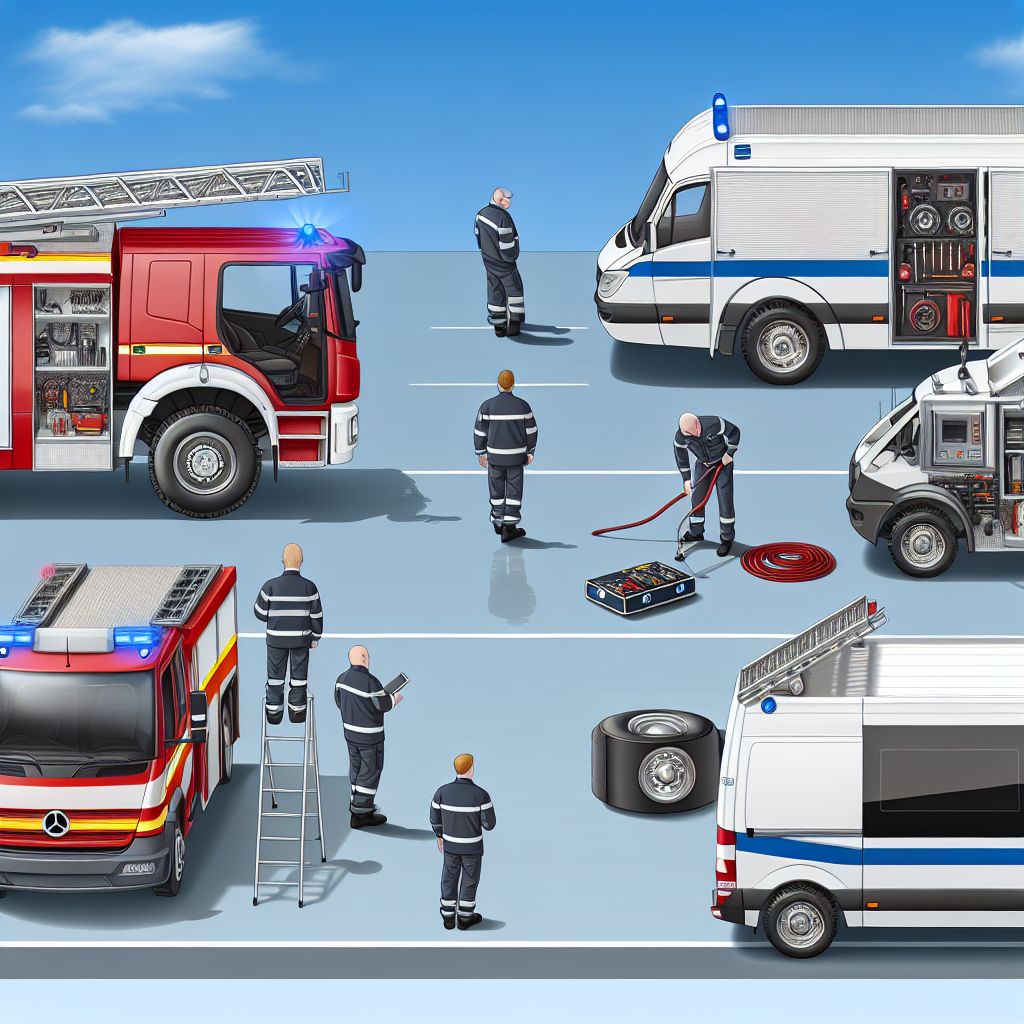
The Role of Mobile Service Vehicles in Fire Truck Maintenance
Mobile service vehicles play a crucial role in the maintenance and repair of fire trucks, bridging the gap between emergency response capabilities and timely upkeep. For fire departments, the reliability of their apparatus is paramount, and mobile service options enhance the ability to keep fire trucks operational without the extended downtime involved in traditional service appointments.
One of the significant advantages of mobile service vehicles, particularly from providers like Pierce Manufacturing, is their ability to deliver on-site support. This capability ensures that minor repairs and routine maintenance can be performed right at the station or wherever the fire truck is located, minimizing the need for transporting fire trucks to service facilities. With Pierce offering over 140 mobile service vehicles, fire departments can significantly reduce the turnaround time for repairs, which is essential during critical missions.
Additionally, mobile service vehicles are staffed by trained technicians equipped with the necessary tools and parts to conduct repairs on-site. This means issues such as hydraulic system failures or electrical malfunctions can be addressed immediately, preventing unforeseen delays during emergency responses. The availability of such swift service is especially valuable during peak response times or in urgent situations where every moment counts.
Moreover, mobile service vehicles facilitate regular preventative maintenance checks, which are critical for sustaining apparatus performance and safety standards. Fire departments typically benefit from scheduled visits, where technicians can conduct thorough inspections, oil changes, and system diagnostics, thus ensuring that fire trucks are always ready to respond effectively.
In summary, the role of mobile service vehicles in fire truck maintenance cannot be overstated. Their capacity for prompt and preventative care directly contributes to maximizing fire apparatus uptime and reliability, allowing fire departments to serve their communities without conflict or delay. By prioritizing the use of mobile service options, organizations like Pierce Manufacturing empower fire departments with the means to maintain their fleets efficiently, ultimately saving lives and protecting property.
Technical Support Resources Available for Fire Departments
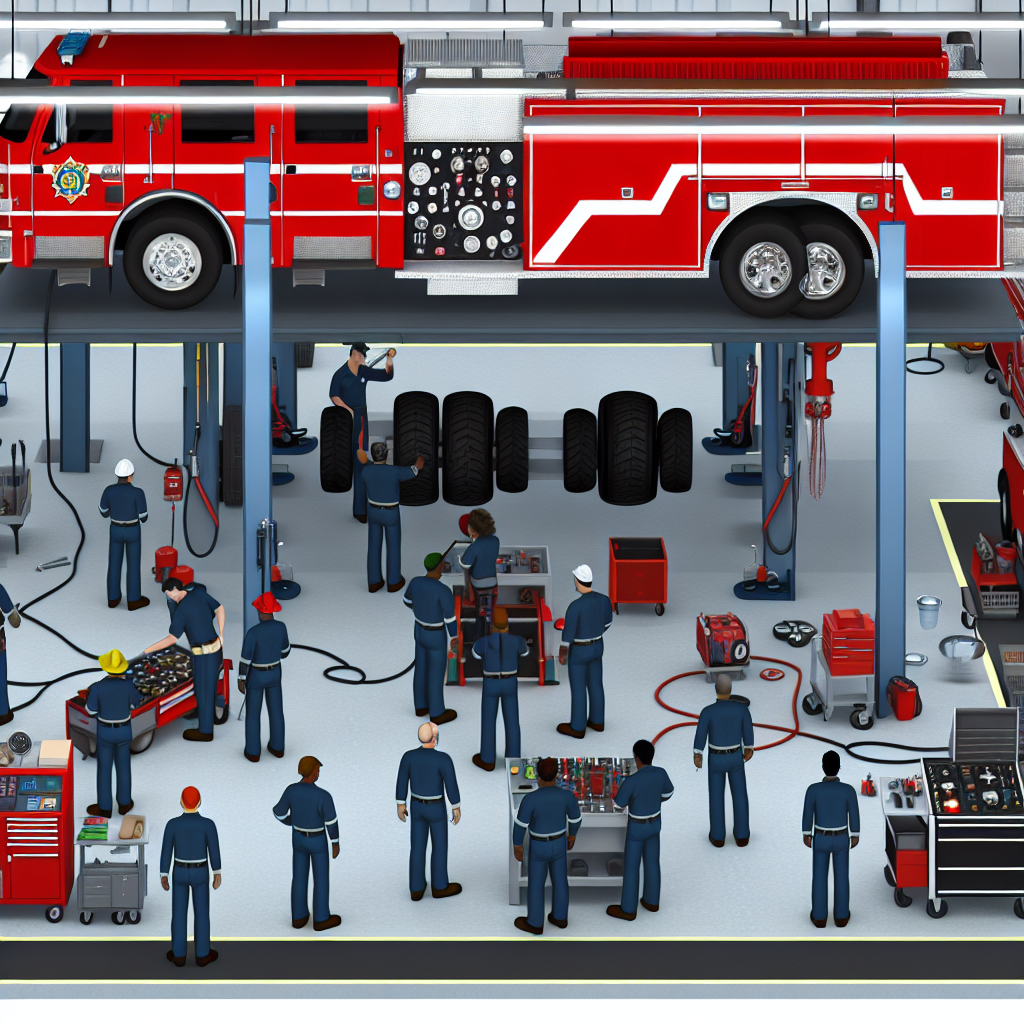
Technical support resources are vital for fire departments looking to maintain high uptime and operational readiness of their fire apparatus. Pierce Manufacturing, a leader in the fire truck industry, offers a range of support services that significantly contribute to minimizing downtime. Below are some of the key resources available:
- Dealer Network Support
Pierce boasts an extensive network of over 60 regional service facilities dispersed throughout the country. This ensures that fire departments have access to local, knowledgeable support from dealers equipped with Emergency Vehicle Technician (EVT) certifications. These technicians are trained specifically in maintaining and repairing Pierce components, ensuring quick and effective service.
- 24/7 Technical Support Call Center
Available day and night, the Pierce technical support call center is staffed with master technicians who specialize in various areas—including chassis, electrical systems, and pumps. The swift resolution of technical issues ensures that fire departments can quickly get back to their critical missions.
- Field Service Engineer Consultation
For more complex service needs, Pierce dispatches field service engineers to assist in diagnosing and resolving issues. These engineers work closely with product engineers to formulate effective solutions, often completing the work on-site or at nearby service centers. The large network of factory-trained technicians, part of the Pierce Service Brigade, ensures timely assistance.
- Mobile Service Vehicles
With over 140 mobile service vehicles, Pierce offers on-site repair capabilities, which allow for immediate diagnosis and maintenance. This convenience minimizes the potential delays associated with transporting emergency vehicles to stationary service centers, key in urgent situations.
- Aftermarket Support
Pierce maintains a significant spare parts inventory in a 120,000-square-foot warehouse, ensuring that replacement parts are readily available when needed. This proactive approach means that fire departments can quickly obtain the parts required to keep their trucks operational and minimize service-related downtimes.
- Training Programs
An educated team is essential for effective maintenance. Pierce offers various training classes covering critical subjects like electrical systems, pumps, and preventive maintenance. By equipping their personnel with the latest knowledge and skills, fire departments can further enhance the reliability and performance of their apparatus.
In addition, fire departments are encouraged to implement structured preventive maintenance programs. According to industry resources, regular inspections, and scheduled preventive maintenance can significantly reduce downtime. For example, Fire Apparatus Magazine emphasizes the importance of a well-thought-out PM program to minimize unexpected breakdowns.
These guidelines from the National Fire Protection Association recommend maintaining comprehensive records of inspections and repairs to enhance accountability and ensure compliance, which is a best practice for all fire services.
In conclusion, these technical support resources provided by Pierce Manufacturing are instrumental in maximizing fire apparatus uptime. By strategically utilizing these offerings and adhering to NFPA standards, fire departments can ensure their vehicles remain ready for action, effectively serving their communities in emergency situations.
In conclusion, investing in effective product support is crucial for fire departments looking to maximize the uptime and reliability of their fire trucks. This article has highlighted multiple key elements that underscore the importance of comprehensive product support, such as preventative maintenance practices, systematic inspection, and timely repairs. With Pierce Manufacturing’s extensive network of over 60 regional service facilities and a dedicated team of more than 80 specialists, it’s evident that strong product support can tremendously boost the operational readiness of fire apparatus.
Ultimately, when considering the purchase of a fire truck, it is imperative for fire departments to assess the level of support that manufacturers offer. Regular maintenance, immediate access to technical assistance, and mobile service vehicles are essential components that provide peace of mind and ensure that fire departments can respond effectively during emergencies. Failing to recognize the importance of aftermarket product support could lead to increased downtime and potentially jeopardize public safety. Therefore, integrating product support into purchasing decisions is not just a best practice; it is a commitment to community safety and operational excellence.
In light of this information, we encourage fire departments to seek manufacturers, like Pierce, that prioritize robust product support, as this will enhance the overall value and utility of their fire apparatus investment. Always consider the long-term operational benefits that come with comprehensive support networks, which can ultimately save lives and protect communities.
Case Study: Springfield Fire Department
Background
The Springfield Fire Department, responsible for protecting a rapidly growing suburban area, faced significant challenges in maintaining the operational readiness of its fire apparatus. With an increasing call volume and an aging fleet, the department often experienced unexpected downtime due to repair needs. This situation prompted the leadership to seek a solution that would enhance the reliability of their emergency vehicles.
Objective
The primary goal was to maximize apparatus uptime through effective maintenance strategies while minimizing repair costs and service interruptions.
Implementation of Pierce Support Services
To address these challenges, Springfield Fire Department partnered with Pierce Manufacturing, leveraging their extensive product support services. Key actions taken by the department included:
- Scheduled Preventive Maintenance Programs
With Pierce’s guidance, the department introduced structured preventive maintenance schedules aligned with NFPA guidelines. This focus on regular checks and maintenance allowed them to identify potential issues before they became significant problems, ultimately reducing the frequency of emergency repairs.
- Access to Technical Support
The department utilized Pierce’s 24/7 Technical Support Call Center, allowing firefighters and maintenance personnel to receive immediate assistance with any operational or technical questions. Having quick access to expert advice helped the team address minor issues promptly, further reducing downtime.
- Regular Training Sessions
In collaboration with Pierce, the Springfield Fire Department organized training sessions for its personnel to better understand the maintenance needs and operation of their apparatus. This improved training resulted in better awareness of day-to-day maintenance requirements, leading to more proactive care for the vehicles.
- Mobile Service Vehicle Support
Utilizing Pierce’s mobile service vehicles, the department scheduled regular visits from technicians equipped to perform on-site inspections and maintenance. This choice eliminated the need for transporting fire trucks to a service facility, significantly reducing turnaround time for repairs.
Results
Within a year of implementing these strategies, the Springfield Fire Department reported a 30 percent increase in their fire apparatus uptime. Additionally, the department noted a decrease in unexpected emergencies requiring repairs, coupled with enhanced overall vehicle reliability. Firefighters felt more prepared, knowing their apparatus were in optimal condition and ready to respond at any moment.
Conclusion
The Springfield Fire Department’s collaboration with Pierce Manufacturing highlights the vital role of effective product support in maximizing fire apparatus uptime. By focusing on preventive maintenance, leveraging technical support, engaging in proper training, and utilizing mobile service options, the department significantly improved its operational readiness. This case study serves as an example for fire departments seeking to enhance their maintenance strategies and ensure their vehicles are always responsive to the needs of their communities.
Case Study: Springfield Fire Department
Background
The Springfield Fire Department, responsible for protecting a rapidly growing suburban area, faced significant challenges in maintaining the operational readiness of its fire apparatus. With an increasing call volume and an aging fleet, the department often experienced unexpected downtime due to repair needs. This situation prompted the leadership to seek a solution that would enhance the reliability of their emergency vehicles.
Objective
The primary goal was to maximize apparatus uptime through effective maintenance strategies while minimizing repair costs and service interruptions.
Implementation of Pierce Support Services
To address these challenges, Springfield Fire Department partnered with Pierce Manufacturing, leveraging their extensive product support services. Key actions taken by the department included:
- Scheduled Preventive Maintenance Programs
With Pierce’s guidance, the department introduced structured preventive maintenance schedules aligned with NFPA guidelines. This focus on regular checks and maintenance allowed them to identify potential issues before they became significant problems, ultimately reducing the frequency of emergency repairs.
- Access to Technical Support
The department utilized Pierce’s 24/7 Technical Support Call Center, allowing firefighters and maintenance personnel to receive immediate assistance with any operational or technical questions. Having quick access to expert advice helped the team address minor issues promptly, further reducing downtime.
- Regular Training Sessions
In collaboration with Pierce, the Springfield Fire Department organized training sessions for its personnel to better understand the maintenance needs and operation of their apparatus. This improved training resulted in better awareness of day-to-day maintenance requirements, leading to more proactive care for the vehicles.
- Mobile Service Vehicle Support
Utilizing Pierce’s mobile service vehicles, the department scheduled regular visits from technicians equipped to perform on-site inspections and maintenance. This choice eliminated the need for transporting fire trucks to a service facility, significantly reducing turnaround time for repairs.
Results
Within a year of implementing these strategies, the Springfield Fire Department reported a 30 percent increase in their fire apparatus uptime. Additionally, the department noted a decrease in unexpected emergencies requiring repairs, coupled with enhanced overall vehicle reliability. Firefighters felt more prepared, knowing their apparatus were in optimal condition and ready to respond at any moment.
Conclusion
The Springfield Fire Department’s collaboration with Pierce Manufacturing highlights the vital role of effective product support in maximizing fire apparatus uptime. By focusing on preventive maintenance, leveraging technical support, engaging in proper training, and utilizing mobile service options, the department significantly improved its operational readiness. This case study serves as an example for fire departments seeking to enhance their maintenance strategies and ensure their vehicles are always responsive to the needs of their communities.
Key Elements of Effective Product Support for Fire Trucks
Effective product support for fire trucks is crucial to ensure their reliability and readiness for emergency responses. Key elements include:
Preventive Maintenance Practices:
- Systematic Inspections: Regular, thorough inspections help identify and address potential issues before they escalate. The National Fire Protection Association (NFPA) 1911 defines preventive maintenance as the systematic inspection, detection, correction, and prevention of incipient failures, before they become actual or major failures. This is central to fire apparatus reliability.
- Daily and Weekly Checks: Operators should perform daily inspections, which typically take about 30 minutes, to ensure the apparatus is in optimal condition. These checks should be well-defined on a checklist and include visual inspections, fluid level checks, and operational tests of critical systems.
- Comprehensive Maintenance: Scheduled preventive maintenance (PM) programs reduce apparatus downtime, service calls, and breakdowns. A well-thought-out PM program also minimizes mechanic overtime and lost crew hours, ensuring safe and dependable apparatus performance. Integrating fire truck maintenance procedures into this program is essential for longevity.
Service Frequency:
- Manufacturer and NFPA Guidelines: NFPA 1911 recommends that fire apparatus undergo preventive maintenance either as frequently as the manufacturer recommends or once a year, whichever comes first. For volunteer fire departments, full-scale preventive maintenance should occur every two years due to fewer road miles and operating hours.
- Customized Schedules: Maintenance intervals should be tailored based on the apparatus’s usage and operating environment. For example, some departments perform oil changes every 250-300 hours, even if the manufacturer suggests longer intervals, to ensure thorough inspections and reduce major maintenance issues later on.
Impact on Apparatus Uptime:
- Enhanced Reliability: Regular preventive maintenance ensures that fire trucks are always ready for emergency calls, reducing unexpected breakdowns and extending the vehicle’s lifespan. This not only involves mechanical upkeep but also solidifies the operational effectiveness expected in fire apparatus reliability.
- Operational Efficiency: A proactive maintenance approach minimizes downtime, allowing fire departments to maintain optimal response capabilities and ensuring the safety of both firefighters and the communities they serve.
Implementing a structured preventive maintenance program, adhering to recommended service frequencies, and customizing maintenance schedules based on specific operational needs are essential for maximizing fire truck uptime and ensuring effective emergency response.
Best Practices in Fire Truck Maintenance for Maximizing Uptime
To ensure maximum fire truck uptime, implementing a proactive and organized approach to maintenance is crucial. The following best practices are widely recognized in the industry that touch upon fire truck maintenance procedures:
- Adherence to NFPA Standards
Following the National Fire Protection Association (NFPA) 1911 standards is vital for safe and reliable fire apparatus. These guidelines outline the recommended inspection, maintenance, and testing procedures to keep fire trucks operational and compliant. - Systematic Inspection Schedules
- Daily and Weekly Inspections: Conduct thorough walk-around checks to assess the condition of critical components, including fluid levels, tires, and equipment.
- Monthly and Quarterly Checks: Perform comprehensive assessments of systems such as brakes and safety equipment to prevent malfunction.
- Annual Inspections: Schedule detailed inspections at least once a year to address potential major issues and ensure compliance with safety standards.
- Preventive Maintenance Procedures
- Regular Oil Changes and Fluid Checks: Frequent oil changes and fluid level monitoring are essential to prevent engine wear and ensure optimal performance.
- Tire and Brake Inspections: Regular checks on tire condition and brake system performance maintain safety standards and ensure vehicle reliability.
- Leverage Technology for Maintenance Management
Utilize Computerized Maintenance Management Systems (CMMS) to streamline and track maintenance schedules, inspections, and repairs. These technologies can automate reminders and provide detailed records that facilitate decision-making and maintenance planning. - Training Personnel and Standardizing Procedures
Educate all personnel involved in fire truck maintenance on effective inspection and maintenance protocols. Establish clear checklists and procedures to ensure consistency and reduce the likelihood of errors in maintenance tasks.
By implementing these best practices, fire departments can significantly enhance the reliability and longevity of their fire trucks, ensuring they are always ready for emergency response. This structured approach to maintenance not only maximizes apparatus uptime but also supports the overall mission of protecting life and property.
Incorporating these best practices is essential for maintaining optimal fire truck performance, but to truly maximize uptime, fire departments should consider how mobile service vehicles play a pivotal role in this effort. These vehicles not only support the established traditional maintenance strategies but also offer the ability to perform repairs and maintenance right where and when it’s needed.
By embracing mobile service options, departments can ensure their fire trucks receive real-time upkeep without the delays associated with traditional service appointments. This capability not only enhances the reliability of the apparatus but also strengthens emergency response performance, allowing fire departments to remain ever-ready in their vital role of protecting communities.
Summary of User Adoption Data on Fire Truck Product Support
Recent data underscores the vital role that effective product support systems play for fire departments regarding apparatus uptime and operational efficiency:
- Supply Chain Challenges: A report indicates that approximately 35% of fire truck manufacturers are experiencing delays in receiving critical components. This disruption leads to extended delivery timelines for new vehicles, negatively impacting fleet readiness and the ability to respond promptly to emergencies.
- Spare Parts Accessibility: Around 22% of fleet operators are facing difficulties in acquiring spare parts. This shortage can lead to significant downtime for fire apparatus, further emphasizing the need for robust support systems to ensure quick access to maintenance resources.
- Technological Innovations: The introduction of AI-driven targeting systems and thermal imaging cameras in modern elevated fire trucks reflects the ongoing technological advancements in firefighting equipment. These innovations necessitate that municipalities upgrade their fleets approximately every 10 to 15 years, highlighting the importance of effective support systems that aid in maintaining and operating such advanced technologies.
- Economic Influences on Purchasing Strategies: Economic factors like inflation have greatly influenced fire departments’ purchasing decisions. As inflation affects the cost of fire trucks, departments are encouraged to engage early in procurement processes and work closely with dealers to align expectations. This need indicates a dependence on effective product support to manage both acquisition and maintenance challenges.
These statistics illustrate how integral effective product support systems are to ensuring operational readiness, maximizing apparatus uptime, and supporting the adoption of advanced firefighting technologies in fire departments today.