
Maintaining a heavy-duty truck is crucial not only for its performance but also for the safety and efficiency of your operations. From understanding specific service needs to leveraging digital platforms, knowing how to effectively schedule maintenance can save time and money for long-haul truck drivers, trucking company owners, fleet managers, and aspiring truck drivers alike. This guide will explore the essential strategies for initiating a robust service schedule, underscoring the importance of proactive planning, manufacturer-backed networks, modern scheduling tools, emergency readiness, and operational efficiency.
Synchronizing the Chain: A Strategic Approach to Scheduling Service for Heavy-Duty Trucks
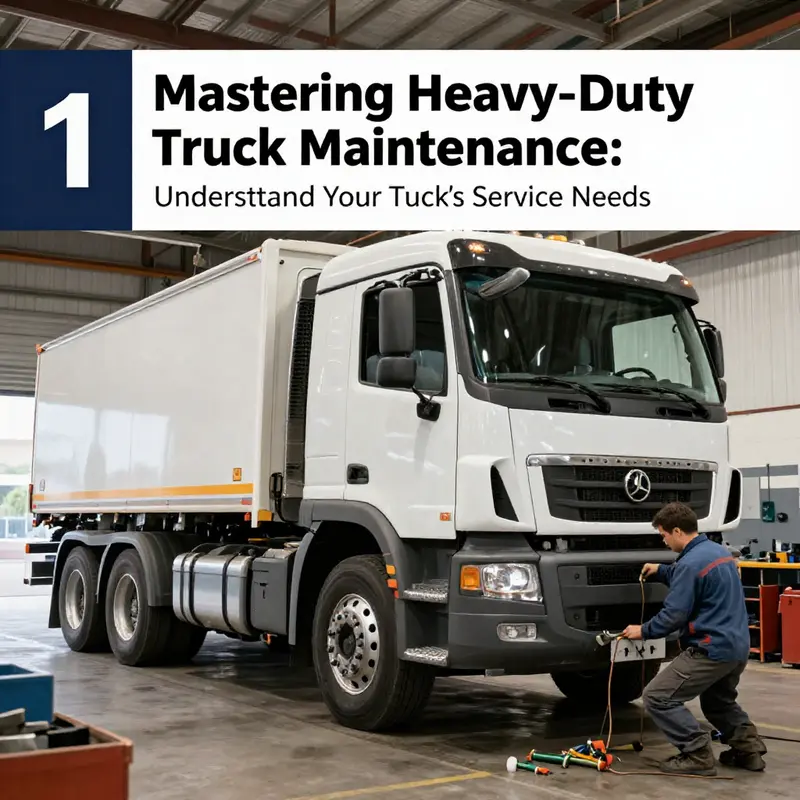
Scheduling service for a heavy-duty truck is less a collection of isolated chores and more a carefully tuned rhythm that aligns maintenance needs with operational reality. The truck that hauls freight across vast distances is a moving economy, and every hour spent in a shop should translate into fewer hours on the road. The practical path starts with understanding the truck’s service needs in the context of how it is used. Manufacturers provide maintenance schedules that are anchored to mileage and operating hours, yet the real-life cadence also depends on duty cycles, load factors, climate, and terrain. Regular maintenance means not only performing oil changes and filter replacements on the prescribed interval but recognizing that preventive checks require a broader lens. Tires, brakes, suspension, and electrical systems deserve periodic scrutiny, especially before long-haul legs or after a season of heavy workloads. The aim is to catch wear before it becomes failure, to replace parts that degrade predictably, and to avert roadside disruptions that ripple across the entire network of operations. In practice, this means building a maintenance plan that respects both the manufacturer’s guidelines and the fleet’s daily timetable, so service becomes a predictable line item rather than an unexpected cost center.
Preventive checks sit at the heart of this approach. A truck’s reliability rests on a proactive routine that blends mandated intervals with dynamic inspections. Pre-trip and post-trip checks, tire tread measurements, brake performance tests, and a quick scan of electrical and hydraulic systems create a baseline that grows smarter with each mile. In fleets that push hard for uptime, checks extend to critical subsystems such as cooling circuits and transmission health, which become more relevant as engines work in extreme conditions or with heavy payloads. For those operating in challenging environments—construction sites, dense supply corridors, or seasonal cycles—the scope of preventive maintenance expands to include high-demand services that prevent expensive knock-on effects. By integrating these checks with a transparent record of past work, operators not only know when a service is due but also why that service matters, turning maintenance into a capability that enhances predictability rather than a recurring anxiety.
Specialized services, though, deserve particular attention. Heavy-duty trucks used in demanding sectors often require targeted interventions beyond a routine tune-up. Transmission fluid assessments, cooling system flushes, and diesel particulate filter (DPF) maintenance are common examples where timing matters as much as the service itself. The goal is to tailor the maintenance menu to the truck’s specific mission, recognizing that a long-haul tractor and a heavy-duty mixer have different stress profiles. When a truck operates at the edge of its design envelope, routine maintenance becomes a more frequent and nuanced choreography, with technicians trained to respond to the unique demands of the vehicle’s configuration. In this mindset, preventive care becomes a form of risk management, reducing the chance of sudden downtime and extending the vehicle’s useful life while preserving performance and fuel efficiency—factors that steadily compound into meaningful cost savings.
A robust service network is acritical ally in this strategy. Modern heavy-duty fleets benefit from the breadth and depth of manufacturer-backed service networks that span highways and logistics hubs, ensuring parts and expertise are available where and when they are needed. A leading maker’s program, for example, ties together thousands of authorized service stations and dedicated logistics experience centers along major freight corridors. The value is not merely scale; it is speed and certainty. With dedicated pre-inspection routines and fast-repair guarantees, fleets can expect rapid turnarounds that minimize downtime. Realistic service timelines—often a few minutes to acknowledge a request, a couple of hours for minor maintenance, and a few hours for more substantial work—translate into reliable scheduling outcomes. The benefit is a service ecosystem capable of delivering OEM-standard parts and labor, preserving warranty integrity while upholding performance benchmarks across the fleet.
To capture the full advantage of these networks, integration with digital scheduling platforms is essential. Digital tools offered by manufacturers and fleet partners enable online booking, real-time progress tracking, proactive maintenance reminders, and centralized service histories. When a vehicle leaves a service bay, the operator can access a cloud of diagnostic data, parts history, and technician notes that illuminate why a given service was performed and what comes next. For fleet managers, this visibility reduces idle time and anchors maintenance decisions in data rather than guesswork. The trend toward platform-based maintenance also dovetails with advancements in predictive analytics and IoT-enabled health monitoring. Across the fleet, sensors feed a health index that signals when a service should be scheduled, and the platform surfaces the optimal location and timing in the dispatch cycle. In practice, this is not a speculative ideal but a tangible improvement in uptime, with efficiency gains cascading through order processing and asset utilization. The promise of a data-driven maintenance lifecycle is not only modernization; it is a practical route to reliability that managers can plan around with confidence.
Within this ecosystem, the role of training and continuity cannot be overstated. Maintenance training and ongoing education for technicians ensure that the fleet’s service network remains capable of handling the evolving demands of heavy-duty trucks, including the growing class of advanced powertrains and aftertreatment systems. A culture of well-trained mechanics translates into more accurate diagnostics, faster repairs, and a smoother handoff back to operations. For operators seeking to reinforce learning, resources such as dedicated training modules and practical guides offer a structured path to mastery. A notable reference in the industry highlights the value of consistent, hands-on instruction and up-to-date procedures as a key lever in uptime attainment. Fire truck maintenance training, for instance, encapsulates the same principle: ongoing skill development is what sustains high performance in demanding service environments. Fire Truck Maintenance Training Importance reinforces the point that knowledge translates into safer, more reliable, and more efficient fleets. While the gear and context differ, the underlying discipline—systematic, repeatable, and well-documented maintenance—remains constant.
Planning for emergencies is an equally essential part of the framework. Roadside assistance choices reveal a spectrum of options, from manufacturer-led rescue to insurance-backed services and third-party providers. Each pathway has implications for response times, expertise, and cost. For a fleet pressed for rapid recovery, a clear escalation plan that specifies when to pull a vehicle off the road and which channel to engage reduces controversy and speeds restoration. Once a breakdown occurs, a prudent on-site protocol helps preserve safety and minimize risk: move the vehicle to a safe area if possible, deploy hazard signaling, set warning devices at a prudent distance, and ensure the transmission and parking system are appropriately configured. When engaging help, transparent communication about fees, destination, and vehicle condition prevents misunderstandings and avoids unnecessary delays. These contingencies, executed smoothly, protect the fleet’s operational tempo and anchor trust with drivers, dispatchers, and customers alike.
Operational efficiency emerges when scheduling is harmonized with route planning and the broader logistics flow. Maintenance should be scheduled during planned stops at rest areas or hubs where feasible, leveraging available facilities such as wash bays and inspection points. Batch servicing—grouping multiple vehicles’ needs in a single stop or location—can yield economies of scale and reduce total downtime across the fleet. Seasonal preparation also plays a critical role; for example, preparing for winter means aligning fuel quality, battery health, and cooling systems with the expected operating environment. Fleets that master these rhythms gain a degree of resilience, enabling them to maintain schedules even when weather patterns or road conditions shift unexpectedly. The objective is to turn maintenance from a disruptive event into a predictable, integrated element of the journey, so trucks spend more time moving and less time waiting.
Equally important is the verification of service quality and regulatory compliance. Choosing a provider with recognized certifications and a track record of using genuine OEM parts minimizes the risk of subpar repairs that later complicate warranty claims. Maintaining thorough documentation—service dates, parts replaced, technician notes, and inspection results—creates an auditable history that supports risk management and regulatory adherence. Compliance extends beyond parts and processes to the broader regulatory framework that governs heavy transport. Authorities often require specific inspections and approvals for oversized or specialized loads, and operators must stay current with applicable rules governing route access, vehicle dimensions, and safety standards. Keeping pace with regulations is a continuous effort, aided by digital records, transparent reporting, and a culture that treats compliance as a driver of reliability rather than a bureaucratic obligation.
The overall frame for scheduling is thus intelligence in action. It fuses manufacturer guidance with on-the-ground realities, supported by networks, digital tools, and trained personnel. It is a living system that learns from failure and success alike, continually refining when and how service is performed to maximize uptime and minimize life-cycle costs. In practice, that means designing a service calendar that aligns with the fleet’s routes, loads, and seasonal variations while maintaining a robust emergency playbook and rigorous quality assurance. It means empowering drivers and dispatchers with timely information about upcoming maintenance windows and giving technicians access to complete service histories so each intervention can be precisely targeted. It also means acknowledging that digital platforms are not a luxury but a necessity in modern trucking—a shift from reactive maintenance to proactive, predictive care. For those who embrace this approach, the road becomes a controllable, predictable asset, and downtime becomes the exception rather than the rule.
External reference: For official procedures, standards, and guidance on vehicle inspections and service center locations, consult the Ministry of Transport’s portal. https://www.mot.gov.cn
Maximizing Heavy-Duty Truck Uptime: Scheduling Service Through Manufacturer-Backed Networks
Scheduling service for a heavy-duty truck is more than a routine chore; it is a disciplined approach to uptime, ensuring reliability and predictable costs. When fleets treat maintenance as a strategic function rather than a reactive fix, the vehicle becomes a durable asset. The path to that discipline begins with understanding what the truck actually needs, moves through manufacturer backed service networks, and culminates in a digitally coordinated workflow that minimizes downtime during peak operations. In practice, service is a continuous loop of proactive care, rapid response, and verification, synchronized with routes, schedules, and budgets.\n\nAt the core is understanding the truck’s service needs. Regular maintenance follows manufacturer recommendations, tied to mileage or operating hours, but heavy duty cycles can require preventive checks beyond routine oil changes and brake inspections. Fleet managers should build preventive inspections into every multi-stop plan, focusing on tires, brakes, suspension, electrical systems, and cooling performance. For trucks used in construction, long distance freight, or high demand logistics, additional attention to transmission fluid status, cooling system integrity, and exhaust aftertreatment health becomes essential. The goal is to catch wear early before it escalates into costly interruptions.\n\nWhen it comes to the backbone of service, manufacturer backed networks provide a dependable compass for scheduling. They deliver comprehensive, timely, and professional support tailored to heavy-duty vehicles, offering nationwide reach, trained technicians, genuine parts, and a structured service ladder. A key advantage is the ability to pre inspect a vehicle, mobilize fast repairs, and provide 24/7 support with a clear escalation path. For fleets, this means predictable response times and a standardized quality of work across multiple locations. Authorized repair centers within such networks ensure warranty work and complex repairs meet OEM standards, preserving performance and longevity. The value is a holistic, lifecycle oriented approach that keeps the truck aligned with long term maintenance commitments.\n\nDigital tools deepen the effectiveness of these networks. Modern scheduling platforms, whether mobile apps or online portals, allow operators to book service, track progress, receive reminders, and access service histories. The most impactful systems integrate with dispatch workflows, reducing idle time and enabling smarter allocation of trucks to repair bays, spare parts, and technicians. The result is faster, smarter service: an orchestrated sequence that minimizes the time a truck sits idle and maximizes its productive hours on the road. A fleet can set up automated reminders for tire rotations, brake inspections, or performance checks aligned with route patterns and duty cycles. For managers seeking a human touch, there remains the option to engage a live service liaison through the manufacturer network, ensuring nuanced diagnostics and clear communication about timelines. Digital scheduling turns maintenance from a back-office burden into a live, real time operation that supports dispatch efficiency and reliability.\n\nBeyond routine scheduling, emergency readiness is a defining feature of manufacturer backed programs. When a breakdown occurs, predefined pathways and practiced responses help keep downtime to a minimum. Manufacturer led rescue services can dispatch qualified technicians, towing, and on site recovery as part of a comprehensive plan. Fleets should maintain insurance based and third party rescue options to cover extraordinary cases or geographic gaps. On the ground, safety protocols are paramount: move the vehicle to a safe area, engage hazard lights, and position warning signs. The goal is clear, proactive communication about costs, destinations, and vehicle condition so the recovery process is transparent and efficient.\n\nOptimizing scheduling for operational efficiency means aligning maintenance with what the fleet is doing. Route planning and maintenance should be synchronized, leveraging opportunities at rest stops or logistics hubs where minor checks can be performed without derailing the day’s plan. Fleets can batch servicing by location and time, reducing handling costs and avoiding repeated trips. Seasonal preparation adds another layer: fuel system checks, coolant status, battery readiness, and ensuring appropriate fuel blends to prevent fuel line issues in cold weather. The objective is to create a cadence that supports the route structure, minimizes detours, and lowers total cost of ownership by preventing avoidable failures before they occur. The human element remains essential: trained technicians, a disciplined maintenance planner, and a culture that treats uptime as a shared responsibility across drivers, dispatch, and service partners.\n\nQuality and compliance are not afterthoughts but gatekeepers of a reliable maintenance ecosystem. Verifying service quality starts with certifications and a strict insistence on genuine OEM parts. Documentation matters: keep detailed records of service dates, parts replaced, technician notes, and any anomalies observed during inspection. For heavy-duty operations, compliance with regulations governing load transport and route usage can affect maintenance planning and inspection intervals. In cases involving oversized or hazardous shipments, inspections and approvals may be required by law, creating additional checkpoints in the scheduling cycle. The discipline of record-keeping supports future decision making: trends in wear, recurring faults, and repeated service needs become data points for refining maintenance plans and budget allocations. The combination of certified parts, traceable service history, and regulatory compliance builds a defensible model of uptime that reduces risk and sustains performance.\n\nAs these practices converge, a practical, integrated approach emerges. Maintenance planning starts with a weekly or monthly schedule that captures routine checks, planned preventive maintenance, and anticipated seasonal needs. The schedule should be aligned with the fleet’s dispatch plan, routing, and maintenance windows at authorized centers. A proactive mindset implies sharing maintenance calendars with drivers and dispatchers, so everyone understands when a vehicle will be unavailable. The digital layer ties this plan together: automated reminders, real-time status updates, and a consolidated service history ensure the entire team remains informed. Training and internal capability are important too, with resources on maintenance training offering a valuable complement to network-based scheduling.\n\nFor large fleets, efficiency gains extend beyond individual trucks. Batch servicing at a single location, coordinated through the manufacturer network, can reduce downtime by consolidating parts, technicians, and inspection lanes. With fewer handoffs and shorter wait times, even high-mileage corridors can maintain predictable service cycles. Fleet teams should monitor performance metrics tied to uptime, such as mean time to repair and percentage of maintenance completed on or ahead of schedule. These indicators help confirm that scheduling delivers tangible improvements in reliability and dispatch efficiency, rather than simply filling a calendar with maintenance events.\n\nIn closing, scheduling service for heavy-duty trucks through manufacturer backed networks offers a robust framework for uptime. It combines a deep understanding of vehicle needs with the reach and expertise of certified service ecosystems, enhanced by digital scheduling tools that integrate with dispatch and maintenance data. It also incorporates emergency readiness and a disciplined approach to seasonal preparation, aligning maintenance with route and duty cycles so downtime is minimized. The verification layer—certified parts, documented service histories, and regulatory compliance—ensures long-term value and risk reduction. The outcome is a fleet that can meet demanding schedules with confidence, where maintenance is seen not as a cost center but as a strategic investment in reliability and profitability. For teams seeking practical grounding in related maintenance training, the chapter on fire truck maintenance training importance provides useful perspective in a closely related field. To stay informed about official guidelines and procedures, consult national transport regulations and portals for up-to-date protections and inspections: https://www.mot.gov.cn.
Coordinating Uptime: Mastering Digital Scheduling for Heavy-Duty Truck Service
Scheduling service for a heavy-duty truck is not a single action but a continuous discipline that blends data, networks, and disciplined routines. It starts with understanding the truck’s service needs and ends with a measurable reduction in downtime and a fleet that stays on the move. When done well, maintenance becomes a strategic asset rather than a costly interruption, and every mile driven strengthens the balance between reliability, safety, and cost efficiency. The core idea is proactive planning: aligning the truck’s maintenance calendar with its operating schedule so that service events occur where they cause the least disruption and deliver the greatest return.
Begin with a clear picture of what the truck requires. Regular maintenance follows the manufacturer’s guidance, driven by mileage or operating hours. Yet real-world fleets benefit from adding preventive checks that focus on critical systems—tires, brakes, suspension, and electrical components—especially before long hauls or seasonal shifts. For specialized rigs used in construction or intensive logistics, the maintenance load grows to include transmission checks, cooling system health, and exhaust aftertreatment care. Rather than treating maintenance as a checklist, practitioners should view it as a lifecycle activity that evolves with the vehicle’s duty cycle. A well-maintained engine, a steady coolant system, and a robust braking setup translate into fewer roadside failures and more predictable delivery windows. This mindset also invites a practical, data-driven approach: track wear patterns, monitor fuel efficiency trends, and flag anomalies early, enabling targeted service rather than routine replacements that may be unnecessary.
Equally important is recognizing the value of manufacturer-backed service networks. These networks symbolize more than convenience; they symbolize quality control, access to genuine parts, and labor aligned with OEM standards. Rather than relying on ad hoc shops, fleets benefit from scheduling through certified centers that meet warranty requirements and provide traceable service histories. The result is a transparent record of every maintenance action, every part installed, and every diagnostic note. The emphasis is not simply on fixing what is broken but on sustaining peak performance over the vehicle’s lifespan. In practice, this means establishing service windows that fit the truck’s routes and uptime needs, with response times that reflect the urgency of the fault and the complexity of the repair. A well-structured network reduces the risk of incompatibilities and part delays, which can derail a schedule when a breakdown happens far from the home base.
Digital scheduling platforms emerge as the connective tissue binding maintenance needs, factory support, and on-the-road realities. These platforms change the psychology of maintenance from a reactive event to a planned milestone. They bring together real-time vehicle location data, maintenance calendars, and service availability in a single interface. Real-time location monitoring enables dispatchers and technicians to coordinate more precisely: a vehicle arrives at a service bay just as the technician is ready, reducing idle time and avoiding cascading delays. Automatic route optimization, a feature of mature platforms, recalculates travel paths around weather, traffic, and road closures so a service appointment does not derail a driver’s schedule. Instant alerts notify stakeholders when a service is delayed or when a diagnostic threshold is crossed, enabling quick reallocation of resources and a revised plan that keeps the overall network moving.
A modern digital system also preserves a complete life-cycle record. Each service entry, part replacement, and technician note becomes part of an auditable history. For fleets, this archive supports regulatory compliance, warranty claims, and performance analyses that inform future maintenance decisions. The diagnostic layer matters as well: when a fault code appears, the platform can suggest proactive steps, souring the moment with a precise action plan rather than a vague warning. This capability translates into faster fault isolation and shorter repair cycles, which in turn feed back into higher reliability and lower total cost of ownership.
The practical application of digital scheduling goes beyond individual trucks. For fleets, the power lies in batch servicing—grouping vehicles in the same location and time window to maximize efficiency. Batch servicing reduces travel and labor costs, minimizes downtime across the fleet, and leverages shared resources such as bays, equipment, and technicians. It also supports seasonal readiness: fleets can plan winterization, summer cooling checks, or pre-harvest inspections in a consolidated block, aligning maintenance with anticipated demand or downtime windows in the network. When combined with route planning, maintenance can be slotted into planned rests or hub-based cycles, turning service events into components of a broader, more predictable operation rather than disruptive interruptions.
Emergency planning is the other half of the equation. Breakdowns require a thoughtful selection of rescue channels and a disciplined on-site response. Manufacturer-assisted roadside rescue offers deep technical know-how but may be tied to brand-specific networks. Insurance-based rescue programs can be cost-effective but often carry usage limits. Third-party rescue services handle complex cases but may command higher rates. The choice among these hinges on the vehicle’s location, the fault type, and the criticality of the mission. An equally vital element is a clear on-site safety protocol. If the truck must be moved, it should enter a safe area, hazard lights engaged, and warning signs placed at a respectful distance. The handbrake should be secured, and gear selected correctly for the drive to a safe location. When help arrives, clear, consistent communication prevents misunderstandings about fees, destinations, and the vehicle’s condition. A well-documented process reduces stress, speeds resolution, and protects both driver and fleet from avoidable costs.
Operational efficiency thrives when maintenance aligns with the road network itself. Scheduling becomes a function of route planning, with service events positioned at convenient rest areas or logistics hubs that provide amenities such as parking, meals, showers, and basic maintenance facilities. The concept of a “truckers’ home” on major corridors is not a luxury but a practical extension of uptime management. In these environments, drivers can perform minor checks or document reports while the vehicle is queued for a stop. For fleets, batching maintenance around these stops can markedly decrease idle time, improve asset utilization, and shorten the order-to-delivery cycle. Seasonal considerations, such as fuel system preparations for cold weather or cooling system checks before heat waves, can be folded into the same planning layer, ensuring the truck is optimally configured for the conditions it faces on the road.
Quality and compliance weave through every aspect of digital scheduling. The reliability of a maintenance program rests on several pillars: certifications, genuine parts, accurate billings, and robust documentation. A credible service partner maintains certification records, follows regulatory guidelines, and provides traceable parts and labor. Detailed service histories, including dates, parts replaced, and diagnostic notes, support informed decision-making and auditing. Compliance plays a pivotal role when transporting oversized loads or navigating routes with height, weight, or axle constraints. In such cases, inspections and approvals may be mandatory, and the scheduling system should flag these requirements before a trip begins. The ability to generate reports that capture maintenance intervals, fault patterns, and downtime metrics empowers managers to shift from instinct-driven decisions to data-informed strategies.
The promise of digital scheduling is not merely convenience; it is resilience. By coupling proactive maintenance with real-time visibility and flexible logistics, fleets reduce unplanned downtime, extend vehicle life, and improve safety for drivers and other road users. The synergy between maintenance planning and route discipline creates a self-reinforcing loop: better scheduling leads to fewer faults, fewer faults enable tighter schedules, and tighter schedules sustain higher service levels. In practice, this means a fleet can meet delivery commitments with greater confidence, lower the probability of mid-route failures, and deliver a steadier flow of work for drivers and technicians alike. It also means a more predictable maintenance budget, as planned service events replace opaque, sporadic expenditures with transparent, auditable costs.
For operators seeking to implement this approach, the path is gradual yet decisive. Start with a baseline calendar that mirrors the manufacturer’s recommended maintenance and adds preventive checks at intervals aligned with the fleet’s duty cycle. Then migrate to a digital scheduling platform that can ingest route data, monitor vehicle status, and coordinate with service centers. Build a practice of batch servicing at strategic locations and maintain a robust emergency playbook that prioritizes safety and clear communication. Finally, cultivate a climate of continuous improvement by reviewing maintenance outcomes, downtime, and cost per mile, and using those insights to refine both the scheduling logic and the network of service partners. The ultimate goal is not a perfect schedule but a resilient one—one that absorbs disruption, minimizes downtime, and keeps heavy-duty trucks reliably moving toward their next deadline.
For official guidelines and regulations that shape how heavy-duty vehicles are maintained and scheduled for service in different regions, refer to the national transportation authority’s official portal. For additional context and regulatory frameworks, you can consult government resources available online at https://www.mot.gov.cn.
Emergency-Ready Scheduling for Heavy-Duty Trucks: Turning Proactive Plans into Fast, Predictable Recovery
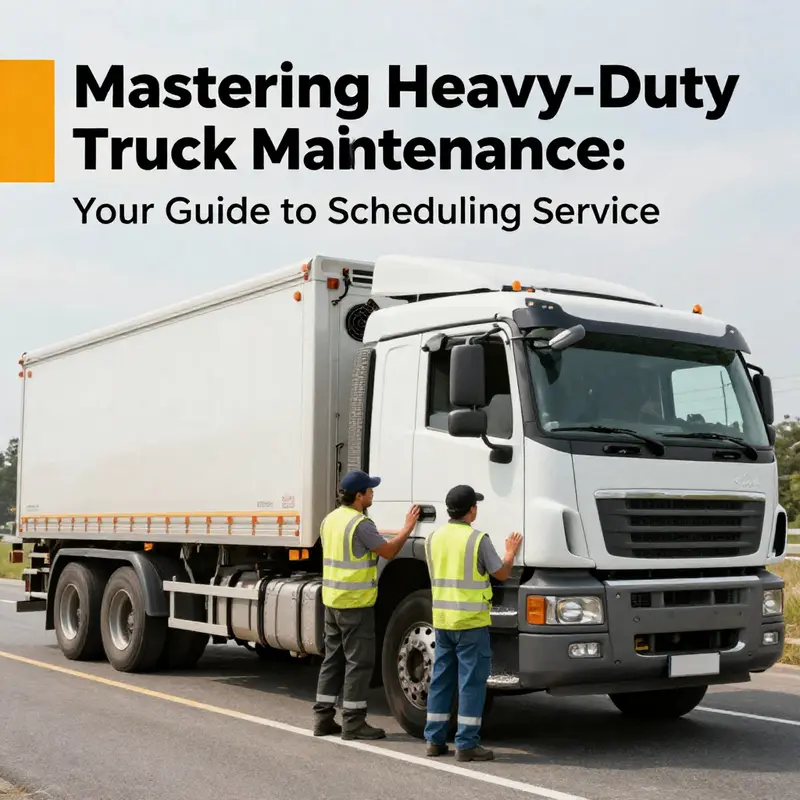
Reliability in heavy-duty trucking hinges on more than timely repairs; it rests on a culture of readiness that starts long before a failure occurs. A fleet that operates with proactive scheduling treats maintenance as a strategic asset, not a reaction to downtime. The core idea is simple: design a plan that blends preventive care with emergency responsiveness, so that when a fault emerges, the path from breakdown to back on the road is short, predictable, and transparent. The blueprint begins with an expansive network of authorized service partners that a fleet can rely on anywhere it travels. Rather than negotiating a single shop at a time of crisis, a fleet pre-registers its vehicles with a nationwide service ecosystem. This approach unlocks rapid access to qualified technicians and genuine parts, reduces the friction of coordination, and ensures that timing remains the decisive variable, not availability. Such networks are built with the understanding that heavy-duty trucks operate across long corridors and through shifting seasons, requiring a service philosophy that remains robust under pressure. The value of this preparation becomes clear when a driver’s voice crackles over the radio with a failure code, or a telematics alert lights up a dashboard in the middle of a desert stretch. A well-planned network eliminates the scramble, replacing it with a trusted sequence: contact, dispatch, guidance to the nearest capable station, and a clear expectation of repair time. This is not about a single fix but about a dependable rhythm of maintenance that anticipates, rather than reacts to, problems. Even when a breakdown happens, the outcome can still be optimized through disciplined execution. fleets that have baked in emergency support understand the importance of a fast, accurate diagnostic handoff. The plan calls for a 24/7 communication channel, a streamlined triage process, and a translation of health data into actionable steps for the service center. A robust plan aligns with the realities of road operations: some events require on-site attention, others demand a tow, and a few can be addressed through mobile repair teams that arrive with the right tools and parts for quick, temporary fixes. In each case, the objective is to minimize non-driving time while maximizing repair quality. The central thesis is straightforward: an emergency is only as disruptive as your response paradigm. The more you invest up front in transparent processes, the less impact a failure has on schedules, routes, and customer commitments. A credible readiness program grows from a simple, repeatable routine. First, establish a maintenance calendar that follows the manufacturer’s guidance but is adapted to your usage profile. This means more than oil changes or brake inspections; it includes tire temperature checks, electrical system health, and the integrity of the cooling system. Second, pre-registered trucks should carry digital service histories that can be accessed by any trusted technician. This reduces redundant testing and helps mechanics arrive with the right parts the first time. Third, embed a strong roadside response plan that covers both routine incidents and extraordinary events, from tire failure to engine immobilization in remote regions. The plan should specify who to call, what information to provide, and how to coordinate with the fleet’s dispatch system. The goal is to transform uncertainty into a controlled process, where a driver can focus on safety while the rest of the team manages time and logistics. A practical way to embed this is through a centralized dispatch platform that can pair real-time vehicle health data with nearby service capacity. When a warning light appears or a sensor detects a deviation, the system can propose the optimal course of action: whether to route to a nearby service center, coordinate a mobile technician, or trigger a tow with a trusted partner. The technology dimension here is not about gimmicks; it is about reliable data interpretation and fast decision-making. Real-time monitoring translates complex machine states into simple, actionable steps for drivers and managers alike. It is common for fleets to glean benefits from telematics that monitor engine temperature, oil pressure, brake wear, battery health, and transmission behavior. When trends indicate a creeping issue, preemptive scheduling can move an appointment into the calendar before a fault becomes a breakdown. This capability is particularly valuable in ensuring long-haul operations stay on track, even when the route includes remote stretches where a breakdown would otherwise cascade into a cascade of delays. The emergency plan also recognizes that certain cargos demand heightened preparedness. For hazardous materials, the response protocol must be integrated with cargo-specific emergency plans, including crew training, spill containment readiness, and dedicated escort procedures if required by permits. In these cases, the emphasis is on rapid containment and safe transport continuity, with the same emphasis on rapid diagnostics and transparent communication as in non-hazardous scenarios. A formal approach to emergency readiness also calls for documentation that is clear, complete, and accessible. Each service event should generate a record that tracks dates, parts used, and technician notes. This archival habit supports warranty compliance, quality control, and continuous improvement. In many regions, regulatory frameworks govern how maintenance is conducted on large vehicles, especially when routes touch critical corridors or involve oversized loads. Keeping compliant is not a burden but a guardrail that helps fleets maintain credibility with customers and authorities alike. As a result, the readiness program extends beyond repairs to the administration of operations. It includes the onboarding of drivers to use digital scheduling tools, the standardization of handoffs between drivers and service centers, and the alignment of maintenance windows with planned rest stops. In practice, fleets often coordinate with service hubs located at highway rest areas, what drivers call “Truckers’ Homes,” which provide safe parking, meals, showers, and a venue for minor checks. These hubs become tactical advantages, converting downtime into opportunities for routine checks performed in a controlled environment. When a fleet plans servicing along a route, it can group vehicles en route to the same location, reducing logistical complexity and minimizing idle time. This batching strategy is particularly advantageous for larger operations, where the combined effect of several trucks arriving together can reduce costs and improve turnaround times. It also provides a platform for collective learning, as technicians share insights from multiple vehicles and update maintenance plans accordingly. A well-designed emergency readiness program also considers the humans behind the trucks. This includes clear, compassionate communication with drivers who may feel stranded or frustrated by a breakdown. The plan should empower them with precise instructions, expected timelines, and access to support channels that respect their safety and dignity. It should also establish a feedback loop that includes post-emergency debriefs, so lessons learned enter the continuous improvement cycle. The governance of such programs rests on a foundation of certifications, genuine OEM-equivalent parts, and transparent paperwork. Verifying that a service provider is properly certified and that parts meet OEM standards is essential to preserving vehicle performance and warranty integrity. Equally important is maintaining complete service histories, which allow managers to audit maintenance quality and justify future scheduling decisions. As these practices mature, their benefits become tangible: reduced downtime, improved route predictability, and stronger adherence to service-level agreements with customers. The ultimate payoff is a fleet that can accommodate unexpected events without compromising safety or reliability. To support every level of this work, many fleets deploy a driver-centric interface that presents maintenance opportunities in plain language, prioritizes urgent issues, and provides straightforward navigation to the most suitable service option. When drivers encounter an incident, they are equipped with a simple playbook: confirm safety, engage the emergency line, follow the on-screen guidance, and await dispatch with confidence. For managers, the same system provides a birds-eye view of service capacity, upcoming maintenance windows, and real-time status of repairs across the network. In this way, emergency readiness becomes less about improvisation and more about disciplined practice, with every component of the chain aligned toward a single aim: getting heavy-duty trucks back on the road as quickly as possible, with the least risk to people and cargo. If you want to explore practical avenues for uptime optimization, consider resources that distill these concepts into actionable strategies—such as materials that discuss uptime and product support secrets for critical fleet assets. unlocking uptime and product support secrets. For those who need to understand broader regulatory and operational contexts, external guidelines can be consulted, including national transportation frameworks that shape how we plan and execute maintenance and emergency responses on highways. External resource: https://www.huanqiu.com/article/4298323
Scheduling Service for Heavy-Duty Trucks: A Data-Driven Path to Maximize Uptime and Route Efficiency
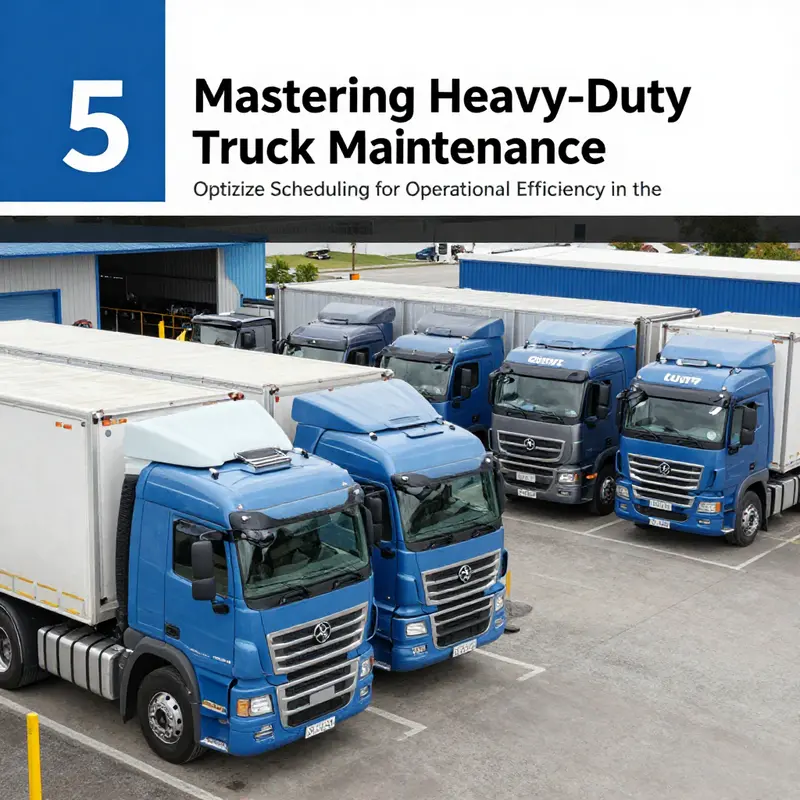
When a fleet depends on heavy‑duty trucks to keep goods moving and customers satisfied, every minute of downtime can ripple into missed deadlines, increased costs, and stressed operations. Scheduling service ceases to be a merely reactive process and becomes a strategic discipline that blends proactive maintenance with smart resource management. The core idea is to treat maintenance as a controllable variable in a complex system, where data from the truck itself, the dispatch system, and the service network collaborate to determine the right moment and the right place for care. In practice, this means shifting from fixed, calendar based maintenance to a living, data driven rhythm that anticipates failures, minimizes disruption, and aligns service with the realities of routes and loads. The result is a fleet that stays closer to its planned performance envelope, with maintenance activities woven into daily operations rather than tacked on as interruptions.
A cornerstone of this approach is predictive maintenance powered by telematics. Modern heavy duty trucks carry sensors that monitor engine health, oil pressure, coolant temperature, brake wear, tire condition, and vibration patterns. Rather than waiting for a light on the dashboard, a well designed telematics platform interprets subtle signals and historical trends to forecast when a component will need attention. This enables scheduling that is precise rather than approximate. If the data suggests wear is accelerating on a brake rotor after a certain number of miles or hours, a service window can be booked around a planned stop or a terminal visit, reducing the risk of an unscheduled breakdown during a peak stretch of miles. The value goes beyond just avoiding a failure; it reduces the severity of the service event and minimizes the time the truck spends out of service, because technicians come prepared with the right parts and clear work orders aligned to the truck’s exact condition.
To harness these insights, many fleets integrate telematics with a centralized fleet management platform. This kind of platform does more than house data; it orchestrates action. When a telematics alert identifies a maintenance need, the system can automatically generate a work order, assign it to a nearby or preferred service partner, and push the task into the technician’s queue with a precise description of the issue and the parts required. Real-time vehicle tracking then makes it possible to schedule service during a planned stop, at a terminal, or at a major hub, rather than forcing a detour that adds miles and fuel burn. The platform can also optimize the routing of the service visit itself, considering current traffic, the truck’s route, and the availability of bays or mobile repair units. In effect, the maintenance activity becomes another line item on the dispatch sheet, but one that is executed with the same rigor and visibility as a delivery or pickup.
Beyond automation, a risk based prioritization framework ensures that critical systems receive immediate attention while less urgent tasks follow a calibrated timeline. Brakes, steering, and tires sit at the top of the priority pyramid because any warning in these domains can directly compromise safety and controllability. Engine and transmission fall into the high impact category; they demand proactive scheduling tied to usage hours, mileage, or predictive indicators to reduce the likelihood of catastrophic failure. Non critical items—cosmetic wear or interior cleanliness—can be deferred to the next downtime window without compromising safety or performance. This prioritization model helps operations allocate scarce service capacity efficiently, especially when multiple trucks signal potential issues at once or when a facility is operating near capacity. It also guards against a knee jerk reaction to every alert, preserving resources for the most consequential needs.
Data longevity matters as much as real time alerts. Long term scheduling, grounded in historical maintenance records and vehicle usage patterns, reveals recurring failure modes and seasonally driven wear trends. Analyzing past cycles helps you move away from over maintenance or under maintenance. For example, historical data may show that a certain component tends to wear faster after a specific operational profile—short trips with frequent stop starts versus long highway legs. Armed with that knowledge, you can construct maintenance windows that reflect actual usage, spreading work in a way that matches the fleet’s workload and the service network’s capacity. It also supports better parts planning and labor forecasting, so shops are stocked with the right components ahead of peak demand periods.
Coordination between drivers, dispatch, and maintenance teams is essential to translate data into smooth operations. Drivers should understand why a service event is scheduled at a particular time and how it fits into the day’s plan. Transparent communication reduces last minute rescheduling and increases the likelihood that the vehicle will return to the road quickly. Dispatch can aid this process by clustering service windows with loading or unloading activities, minimizing idling and detours. The aim is a choreography where maintenance is a natural extension of the route rather than a disruptive exception. In this context, fuel management, driver logs, and route changes become inputs to a single, coherent plan for uptime.
Seasonal considerations also shape scheduling strategy. In winter, for instance, preemptive checks on cooling systems, battery health, and fuel filtration gain prominence as cold mornings test starting performance. Fleets may switch to fuel blends or lubricants that perform better in low temperatures, but these choices require pre planning and inventory alignment. Spring and summer, on the other hand, bring heat related concerns: cooling performance, radiator integrity, belt wear, and air conditioning reliability become part of the proactive maintenance conversation. In all seasons, the objective is to synchronize service activities with the natural cadence of the road network and the demands of routes, so downtime is predictable and the fleet can be scheduled around high value tasks like outbound shipments or peak travel periods.
The practical execution of a data driven scheduling program rests on partnerships with the right service networks, including manufacturer backed centers and dependable third party providers. A robust service network offers a few non negotiables: timely response, access to genuine parts, and technicians trained to the OEM standards. Authorized service centers are essential for warranty work and complex repairs, ensuring that parts and labor meet the original specifications. When a breakdown is unavoidable, a clear service escalation path with defined response times helps keep downtime to a minimum. For example, a manufacturer supported network may guarantee a rapid initial response, followed by tiered maintenance steps that escalate based on the severity of the fault. This structure supports the overall aim of the data driven scheduling approach: to move from uptime disruption to informed, controlled interruption that preserves reliability and operational flow.
Of course, even the best planning requires contingency for emergencies. Roadside assistance remains a critical component of truck uptime. Choosing the right rescue channel depends on the situation, with manufacturer based support offering technical depth for brand specific issues, insurance based services providing broad coverage with certain limits, and third party providers handling complex cases that may fall outside the other routes. An on site safety protocol is non negotiable: if the vehicle is moveable, it should be moved to a safe area, hazard signals deployed, and the handbrake set appropriately. Clear communication about fees, destinations, and vehicle condition helps prevent misunderstandings at a stressful moment. These safeguards are not just regulatory niceties; they are essential for protecting drivers, customers, and the business as a whole.
Finally, the pursuit of efficiency in service scheduling is not a one time event but a continuous optimization loop. The fleet management platform should offer automated work order generation, real time tracking, and analytics that feed back into planning. This closed loop supports smarter batch servicing, where nearby trucks with compatible service needs can be scheduled to minimize travel and labor costs. It also enables driver and operations teams to pivot quickly when routes change or weather conditions alter the plan, turning potential downtime into a managed, incremental improvement rather than a disruptive anomaly. The result is a fleet that stays in motion longer, with maintenance decisions grounded in data, aligned with route realities, and executed through a trusted network that delivers timely, high quality service. For fleets seeking a compact synthesis of this approach, consider exploring resources that focus on uptime and product support as a practical companion to maintenance scheduling. maximize-fire-apparatus-uptime-product-support
For those who want to consult official guidelines and procedures that govern service centers and inspections, national transport authorities provide up to date procedures for licensing, inspections, and service center locations. These external references anchor the practice in regulatory reality and help ensure that scheduling decisions remain compliant across operations. As a next step, fleets should review the official portals maintained by the transportation ministry and regional authorities to confirm any regional requirements that apply to oversized or special loads, and to understand how inspection regimes may impact service windows and route planning. External resources and official guidelines serve as a compass, ensuring that the data driven scheduling framework remains grounded in proven practices and current policy.
External resource: https://www.mot.gov.cn
Final thoughts
Maintaining a heavy-duty truck through proper service scheduling is vital for ensuring reliability, safety, and efficiency on the road. As long-haul truck drivers and fleet managers navigate the complexities of maintenance, understanding their specific service needs, leveraging manufacturer networks, utilizing digital scheduling tools, preparing for emergencies, and optimizing operations can create a streamlined maintenance strategy. By adopting these best practices, you will enhance the performance of your vehicles, minimize downtime, and ultimately drive your business to success.