

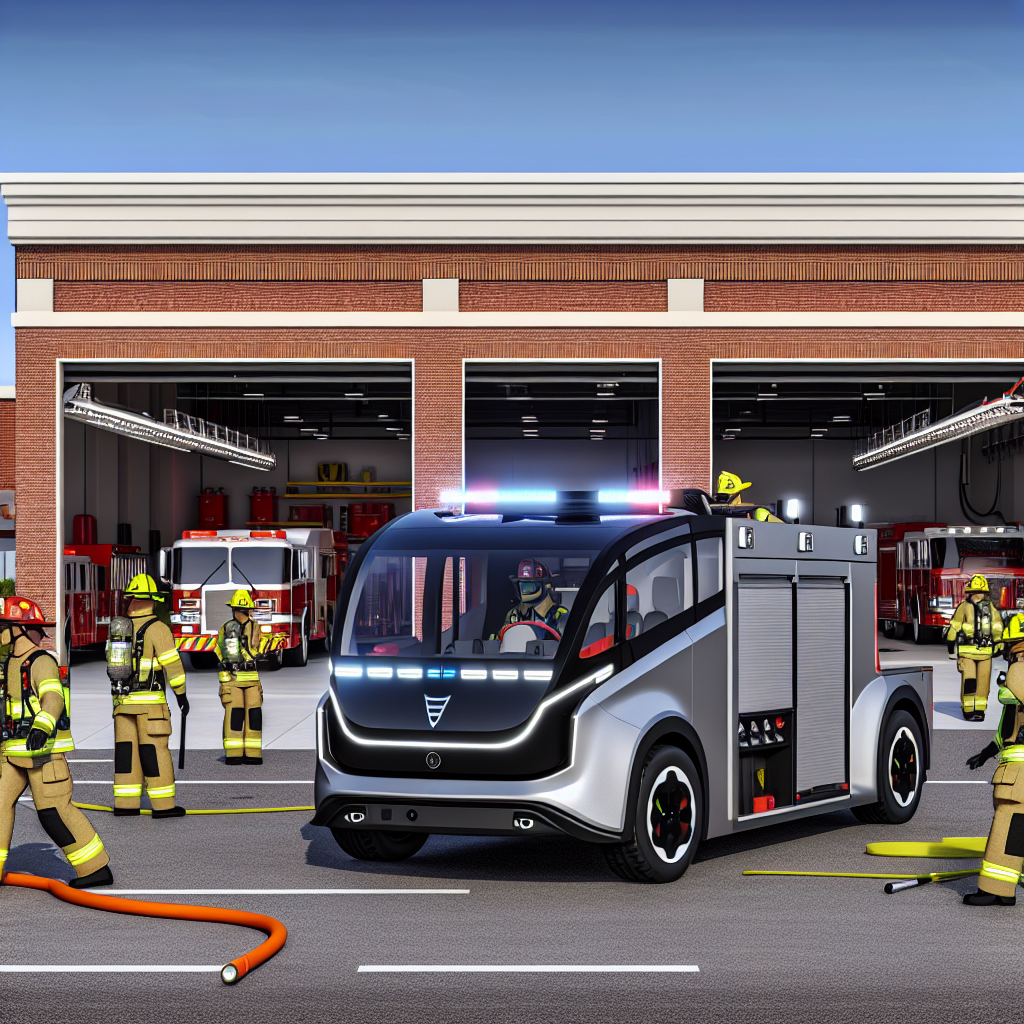
As the world increasingly shifts towards sustainable practices, fire departments are recognizing the imperative to transition to electric fire trucks. This vital evolution not only minimizes the environmental impact of emergency response efforts but also opens the door to new technologies that enhance operational efficiency. However, to facilitate this transition, substantial planning and preparation are essential, especially concerning charging infrastructure. Establishing a reliable charging network is pivotal to ensuring that electric fire trucks remain ready for action, ultimately safeguarding community resources.
In this post, we will explore the steps necessary for integrating electric fire trucks into fleets—including infrastructure requirements, energy management strategies, and the foresight needed for seamless implementation. Join us as we support your journey towards a cleaner, more efficient firefighting future.
Charging Infrastructure Planning
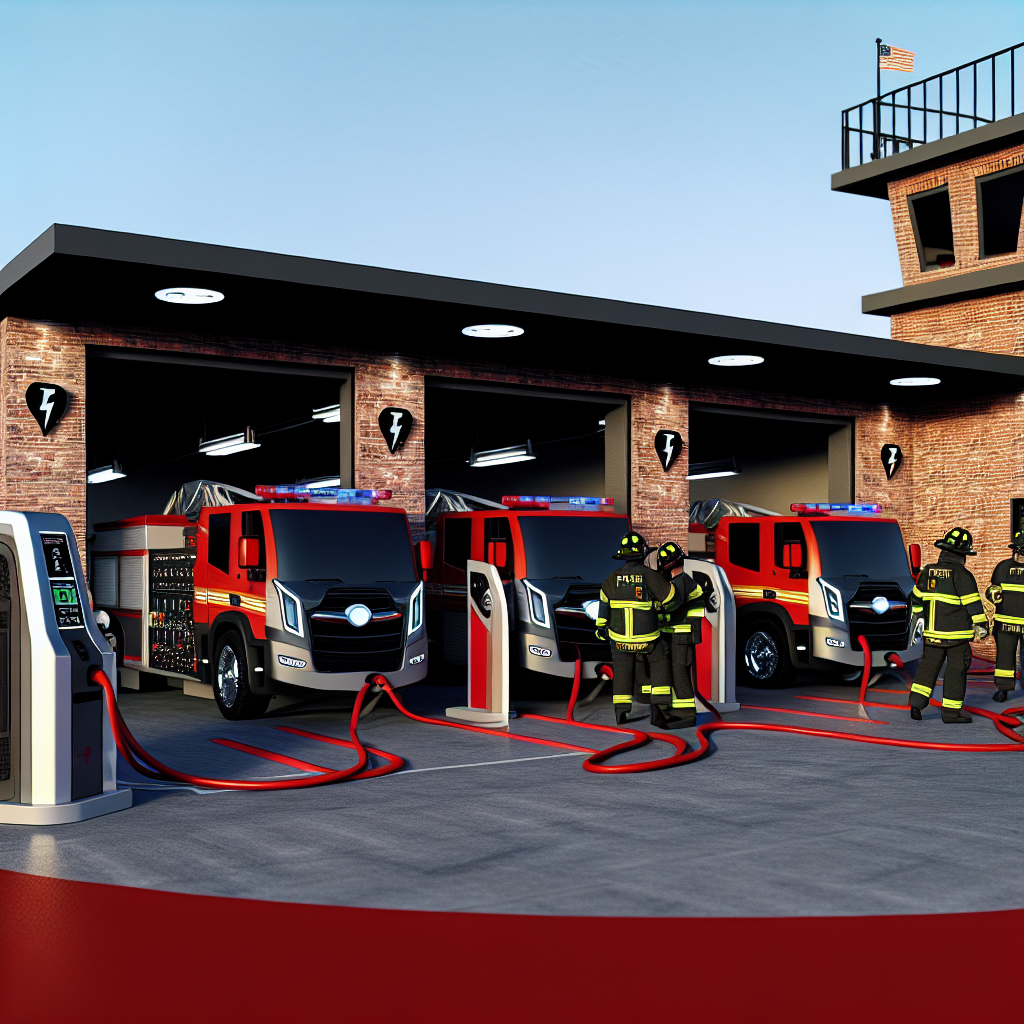
Planning for the charging infrastructure for electric fire trucks involves several key aspects that cannot be overlooked. Fire departments must prepare 9 to 12 months in advance of the anticipated arrival of their electric fire trucks. This proactive approach is vital for assessing energy needs, optimizing the locations for charging stations, and integrating necessary electrical capacity.
A significant consideration in this process is that charging infrastructure must typically support 480-volt three-phase power. This high-capacity electrical supply is essential for efficiently charging electric fire trucks, which often have higher energy demands compared to traditional vehicles. Additionally, fire departments must ensure that there is adequate overhead space for charging equipment installation. This installation may include charging cables, stationary mounts, and other related hardware necessary for safe and effective operation.
Collaboration with local utility providers is crucial in facilitating the installation and ongoing operation of charging stations. Engaging with these providers early in the planning process ensures that all electrical requirements are met and that the infrastructure aligns with local regulations and energy availability.
Furthermore, evaluating current energy management practices and incorporating software solutions can enhance efficiency. Implementing energy management software allows fire departments to optimize charging schedules and monitor energy usage. Such tools help ensure that electric fire trucks are always ready for action without overburdening the facility’s power resources.
Incorporating concepts of sustainable firefighting into these plans becomes increasingly important. By designing charging infrastructure that accommodates electric fire trucks while promoting energy efficiency and sustainability, fire departments not only improve operational readiness but also contribute to broader environmental goals. This means considering how each charging station can minimize its carbon footprint and align with renewable energy sources.
The following essential points are important when planning for charging infrastructure as part of a sustainable firefighting strategy:
- Understanding the energy demands of the fleet.
- Integrating an electric vehicle infrastructure that supports charging solutions, including fast chargers and overhead systems, to meet operational needs efficiently.
- Collaborating effectively with utility suppliers to ensure sustainable power supply options and energy management services are made available for the long term.
By ensuring that charging infrastructure planning includes a focus on sustainable practices and electric vehicle infrastructure, fire departments can better prepare for the future of emergency response, while supporting a cleaner environment.
Key Infrastructure Requirements for Charging Electric Fire Trucks
- 480-volt three-phase power: Essential for efficiently charging electric fire trucks due to their high energy demands.
- Adequate overhead space: Necessary to facilitate the installation of charging equipment, including hardware like charging cables and mounts.
- Proactive planning: Fire departments should plan for infrastructure installation 9 to 12 months ahead of truck arrival to ensure everything is in place for effective operation.
- Collaboration with local utility providers: Engaging with utility providers early in the planning process to meet electrical requirements and comply with regulations.
- Energy management practices: Implementing energy management software to optimize charging schedules and monitor energy usage effectively.
These factors are critical to ensure the seamless integration and functionality of electric fire trucks within fire department operations.
Power Requirements for Electric Fire Trucks
To ensure the efficient operation of electric fire trucks, understanding their power requirements is of paramount importance. One key element in this regard is the 480-volt three-phase power supply. This power specification plays a critical role in meeting the high energy demands of these vehicles, which are designed to handle rigorous emergency response scenarios.
Significance of 480-Volt Three-Phase Power
Electric fire trucks utilize large battery systems, often exceeding 100 kWh in capacity, necessitating robust charging solutions. Deploying a 480-volt three-phase power infrastructure significantly enhances charging speed and efficiency. For instance, with a 150 kW DC fast charger, a typical 132 kWh battery can be charged to 80% in around 45 minutes, achieving a full charge in roughly 1.5 hours. Larger batteries, such as those with 327 kWh capacities, can take about 3 to 4 hours to fully charge. Such quick charging capabilities are crucial for ensuring that these fire trucks are always ready when emergencies arise (Fire Rescue Truck).
Infrastructure Considerations
Adopting a 480-volt three-phase system requires significant infrastructure planning. Fire stations that accommodate electric fire trucks may need electrical service upgrades to capacities ranging from 1,200 to 2,500 amps, compared to standard service levels of 800-1,200 amps. This upgrade involves installing heavy-duty cabling, transformers, and specialized switchgear to manage the increased electrical load (Firehouse).
Additionally, fire departments should anticipate potential delays in obtaining this power from utility companies, as the process may take years, especially in areas lacking existing 480-volt infrastructure.
Benefits of High-Voltage Charging Infrastructure
Incorporating 480-volt three-phase power not only enhances charging efficiency but also supports the operational readiness of fire trucks. For instance, integrating microgrids within fire stations can offer reliable charging power during outages, further guaranteeing that emergency services remain operational under all circumstances (Microgrid Knowledge).
In conclusion, the adoption of a 480-volt three-phase power supply is imperative for the seamless integration of electric fire trucks into fire department fleets. Despite the significant infrastructure investment, the benefits in charging speed, efficiency, and overall operational capability ensure that these vehicles meet the immediate demands of firefighting and emergency response.
Comparison of Charging Station Options for Electric Fire Trucks
| Charging Station Type | Power Output | Installation Requirements | Estimated Cost Range | Ideal Usage |
|---|---|---|---|---|
| Level 2 Charger | Up to 19.2 kW | Standard electrical outlet; minimal upgrade | $2,000 – $5,000 | Daily charging needs at fire stations |
| DC Fast Charger | 50 kW – 350 kW | Requires specialized electrical service; may involve infrastructure upgrades | $20,000 – $150,000 | Quick top-ups during emergencies |
| Overhead Charging System | 100 kW – 500 kW | Requires significant overhead space and electrical supply upgrades | $50,000 – $200,000 | Large fleet operations needing rapid, continuous charging |
This table provides a useful comparison for fire departments considering different charging station options, highlighting their specifications, installation needs, and costs relative to usage.
Collaboration with Local Utility Providers
When planning the infrastructure for electric fire trucks, collaboration with local utility providers is paramount. These partnerships can significantly streamline the process of ensuring that the necessary power supply is both adequate and compliant with local regulations. Engaging local utilities early in the planning stages can help fire departments secure the resources needed for successful implementation, including energy management support, infrastructure upgrades, and financial incentives.
To effectively engage with local utility providers, fire departments should begin by identifying key contacts within the utilities who handle large-scale projects or infrastructure development. Initiating discussions about plans for electric fire truck adoption can establish a rapport and communicate the visualization of long-term benefits. Additionally, presenting a comprehensive outline of power requirements and infrastructure needs will demonstrate preparedness and encourage utilities to offer assistance more readily.
One of the most significant benefits of collaborating with local utility providers is access to potential incentives. Many utility companies offer programs aimed at supporting the transition to electric vehicles, which may include rebates on infrastructure installation, grants, or reduced rates for charging during off-peak hours. This type of support not only reduces the upfront costs for fire departments but also fosters community-wide initiatives towards sustainable energy use.
Another advantage of partnering with utilities is the potential for technical support in managing energy use. By incorporating energy management software, fire departments can optimize charging times based on utility pricing, reduce energy consumption during peak hours, and fully utilize available renewable energy sources. Ultimately, strong collaboration with local utility providers leads to a more robust, efficient, and cost-effective operational model for integrating electric fire trucks into fire department fleets.
In conclusion, the integration of electric fire trucks into department fleets represents a significant advancement in emergency response. Comprehensive planning and preparation form the cornerstone of this transition, ensuring that fire departments can efficiently accommodate new vehicles and technology. By prioritizing the establishment of a robust charging infrastructure, including the essential 480-volt three-phase power, departments can maximize operational readiness while minimizing environmental impact.
A standout example is the initiative taken by the Town of Cary, North Carolina, where each Idle Reduction Technology (IRT) equipped fire unit saves an estimated 8.23 metric tons of emissions annually, an impact equivalent to removing approximately two passenger vehicles from the road. This serves as a microcosm for the broader benefits electric fire trucks can offer, such as reducing greenhouse gas emissions and enhancing urban air quality.
Furthermore, collaboration with local utility providers is crucial in navigating the complexities of infrastructure installation and energy management. Engaging these providers early in the planning process can yield valuable insights, resources, and potential incentives that lighten financial burdens and enhance operational efficiency. In finality, adopting electric fire trucks is not just a step towards modernization but a commitment to sustainability, improved emergency services, and community welfare. By investing in electric fire trucks, fire departments position themselves at the forefront of firefighting innovation, ensuring they are well-equipped to face the challenges of tomorrow.
Relevant Quotes on Integrating Electric Fire Trucks
-
Mesa, Arizona’s Mayor John Giles emphasized the city’s commitment to sustainability with the introduction of an all-electric fire truck:
“I’m an advocate for electric vehicles — it’s a better technology and this is one of many steps we can take to bring us closer to our Climate Action Plan goals.”
-
Mike Virnig, Vice President of Sales for REV Fire Group, highlighted the collaborative effort in developing electric fire apparatus:
“In developing the Vector, we worked closely with our customers to identify their product needs. We are excited to partner with Mesa in protecting both their community and the environment and look forward to delivering the first of these revolutionary EV fire trucks.”
-
Boulder Fire-Rescue’s Fire Chief Mike Calderazzo shared his positive experience with electric fire trucks:
“It was very intuitive, very easy to use, even for old-schoolers like me.”
-
Grady, a member of Boulder Fire-Rescue, expressed enthusiasm about the progressive approach to fire apparatus:
“I was super excited. It’s just a very progressive outlook, especially when it comes to fire engines.”
-
Kent Tyler, President of REV Fire Group, discussed the significance of unveiling the Vector electric fire truck:
“We developed the ultimate fully electric fire truck without sacrificing the critical elements that firefighters value in the North American style, responding to our customer demand for cleaner technology, reduced noise pollution and lower carbon footprint.”
These statements reflect the growing emphasis on integrating electric fire trucks and investing in sustainable solutions within the emergency services sector.