
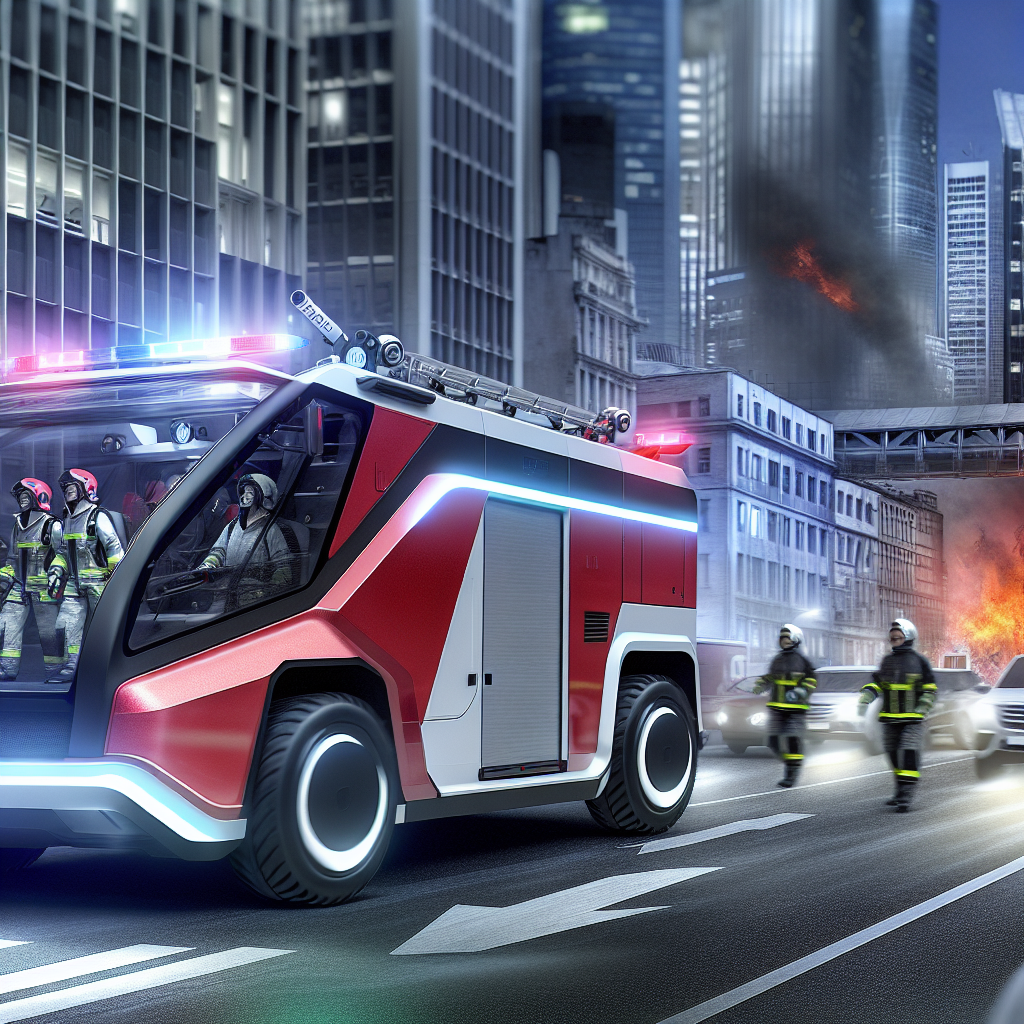
Benefits of Electric Fire Trucks
The adoption of electric fire trucks marks a pivotal moment in firefighting technology, bringing with it numerous environmental and operational benefits that underscore sustainability and cost savings. As fire departments seek to modernize their fleets, the role of electric fire trucks becomes increasingly significant.
One of the standout benefits of electric fire trucks is their reduced environmental impact. These vehicles produce zero tailpipe emissions, drastically cutting down on air pollution compared to traditional diesel-powered fire trucks. This is particularly crucial in urban areas where air quality is a concern. By choosing electric fire trucks, fire departments demonstrate a commitment to green initiatives, contributing positively to community health, sustainability goals, and complying with emerging electric vehicle regulations.
From an operational perspective, electric fire trucks offer considerable cost savings over time. While the initial purchase price may be higher than conventional trucks, the total cost of ownership tends to favor electric options due to lower fuel and maintenance expenses. Electric vehicles utilize significantly less energy, allowing fire departments to capitalize on renewable energy sources when charging their fleets. Furthermore, the operational costs associated with fuel are minimized, creating financial savings that can be redirected to other vital community services. This operational efficiency reflects sustainable firefighting strategies that are gaining traction among municipal fire departments.
Maintenance is another area where electric fire trucks shine. These vehicles have fewer moving parts than traditional combustion engines, which often translates to lower maintenance requirements and associated costs. Electric fire trucks typically require less servicing and experience fewer breakdowns, allowing fire departments to allocate more resources towards training and community engagement initiatives rather than upkeep of their apparatus.
Additionally, the quiet operation of electric fire trucks allows for deployments in sensitive environments, such as residential areas and wildlife preserves, without the disruptive noise associated with diesel engines. This facilitates more nuanced responses to emergencies while fostering a positive relationship with the community.
In conclusion, electric fire trucks bring a multitude of benefits that champion sustainability, operational efficiency, and cost savings. By integrating electric fire trucks into their fleets, fire departments not only modernize their operations but also inspire community support and trust, paving the way for a greener future in firefighting. As more agencies consider their options, understanding the robust benefits of electric fire trucks is essential in making informed decisions about fleet enhancement.
Benefits of Electric Fire Trucks
The adoption of electric fire trucks marks a pivotal moment in firefighting technology, bringing with it numerous environmental and operational benefits that underscore sustainability and cost savings. As fire departments seek to modernize their fleets, the role of electric fire trucks becomes increasingly significant.
One of the standout benefits of electric fire trucks is their reduced environmental impact. These vehicles produce zero tailpipe emissions, drastically cutting down on air pollution compared to traditional diesel-powered fire trucks. This is particularly crucial in urban areas where air quality is a concern. By choosing electric fire trucks, fire departments demonstrate a commitment to green initiatives, contributing positively to community health and sustainability goals.
From an operational perspective, electric fire trucks offer considerable cost savings over time. While the initial purchase price may be higher than conventional trucks, the total cost of ownership tends to favor electric options due to lower fuel and maintenance expenses. Electric vehicles utilize significantly less energy, allowing fire departments to capitalize on renewable energy sources when charging their fleets. Furthermore, the operational costs associated with fuel are minimized, creating financial savings that can be redirected to other vital community services.
Maintenance is another area where electric fire trucks shine. These vehicles have fewer moving parts than traditional combustion engines, which often translates to lower maintenance requirements and associated costs. Electric fire trucks typically require less servicing and experience fewer breakdowns, allowing fire departments to allocate more resources towards training and community engagement initiatives rather than upkeep of their apparatus.
Additionally, the quiet operation of electric fire trucks allows for deployments in sensitive environments, such as residential areas and wildlife preserves, without the disruptive noise associated with diesel engines. This facilitates more nuanced responses to emergencies while fostering a positive relationship with the community.
In conclusion, electric fire trucks bring a multitude of benefits that champion sustainability, operational efficiency, and cost savings. By integrating electric fire trucks into their fleets, fire departments not only modernize their operations but also inspire community support and trust, paving the way for a greener future in firefighting. As more agencies consider their options, understanding the robust benefits of electric fire trucks is essential in making informed decisions about fleet enhancement.

Incorporating electric fire trucks into a fire department’s fleet comes with specific requirements for charging infrastructure, making thorough planning essential for successful deployment. The primary power requirement is a 480-volt three-phase power system, which is critical for the operation of DC fast charging stations necessary for recharging these large vehicles.
To ensure that the charging infrastructure is ready by the time the electric fire truck arrives, fire departments should begin the installation planning process 9 to 12 months in advance. This includes assessing the current electric capacity of the fire station and engaging early with utility providers to address any necessary upgrades. Utility companies may need time to confirm power availability and make the required enhancements, which is why early communication is key. Furthermore, implementing efficient infrastructure for heavy-duty charging can significantly affect the timeline.
The installation also involves considerable physical considerations, as DC fast chargers can weigh over 1,500 pounds, requiring appropriate site preparation and possibly specialized lifting equipment for proper setup. Compliance with the National Electrical Code (NEC) is crucial during installation; each charging station must be on a dedicated circuit with appropriate overcurrent protection.
Additionally, fire departments should budget for installation costs, which can be substantial depending on the complexity of the site and the power requirements. This financial plan must account for not only the chargers themselves but also for potential electrical service upgrades and site improvements. Overall, meticulous planning and consideration of these infrastructure needs are vital to ensuring that electric fire trucks can operate effectively when they arrive.
| Charging Option | Cost | Installation Time | Compatibility with Municipal Permits |
|---|---|---|---|
| Level 2 Charging Stations | $5,000 – $10,000 | 1 – 3 months | Moderate |
| DC Fast Charging Stations | $20,000 – $40,000 | 2 – 4 months | High |
| Overhead Charging Systems | $30,000 – $50,000+ | 3 – 6 months | Varies |
| Portable Charging Solutions | $2,000 – $5,000 | 1 week | Low |
| Home Charging Units | $1,000 – $2,500 | 1 – 2 weeks | Not applicable |
Challenges of Charging Infrastructure for Electric Fire Trucks
While the shift to electric fire trucks offers numerous benefits, it is accompanied by several challenges related to charging infrastructure that fire departments must navigate.
High-Power Charging Requirements
Electric fire trucks require substantial power for charging, with demands reaching up to 600 kW for modern apparatus. Many existing fire stations are not equipped to handle these requirements, necessitating significant electrical service upgrades—often involving the installation of 2,500-amp service at 240 volts or 1,250-amp service at 480 volts. This transition can be costly and time-consuming, requiring fire departments to budget adequately for these enhancements.
Installation and Maintenance Costs
The introduction of high-speed charging stations—including Level 3 chargers—can incur substantial upfront costs, with some chargers priced around $125,000. Moreover, these systems may require replacement every five to seven years, adding to the long-term financial commitment. The installation process can also uncover unforeseen issues, such as equipment incompatibilities, contributing to additional expenses.
Maintenance Training Requirements
Maintaining electric fire trucks necessitates specialized training for staff. Personnel must be equipped with knowledge about electric vehicle systems, including battery management and high-voltage safety protocols. This need may strain departmental resources, especially if current team members lack the requisite expertise.
Battery Lifecycle Management
The long-term management of high-capacity batteries is critical. As these batteries degrade or experience performance issues, fire departments must consider replacement costs and the impact on operational readiness. Proper lifecycle management is essential to ensure these vehicles remain dependable during emergencies.
Energy Sourcing and Operational Costs
Reliance on the electrical grid poses additional challenges, particularly during peak demand or outages that can disrupt charging capabilities. This dependence can result in higher electricity costs and compel fire departments to evaluate alternatives for energy sourcing. Initial investments in charging infrastructure and upgrades can be a financial burden, particularly for smaller municipalities that may struggle to secure the necessary funds.
Renewable Energy Integration
To address some of these challenges, fire departments are increasingly exploring renewable energy options. Implementing microgrids and installing solar panels at fire stations can enhance energy resilience, lower operational costs, and reduce reliance on conventional power sources. These sustainable solutions can also provide backup power during emergencies, aligning with broader community sustainability goals.
In conclusion, while the transition to electric fire trucks represents a forward-thinking approach to firefighting, it also necessitates addressing significant challenges related to charging infrastructure. By strategically planning and investing in renewable energy solutions, fire departments can effectively navigate these challenges and ensure the successful deployment of electric fire trucks in their fleets.
Conclusion
As we move towards a more sustainable future, the integration of electric fire trucks into fire department fleets represents a significant opportunity for modernization and enhanced community service. Successful implementation hinges on careful planning for electric fire truck charging infrastructure, which is crucial to ensure that these innovative vehicles are always ready to respond when emergencies arise. The transition to electric not only promises environmental benefits through the reduction of emissions but also offers financial advantages in the form of lower operational costs and maintenance needs.
However, the path to adopting electric fire trucks is not without its challenges. Departments must proactively address their infrastructure needs by considering the power requirements, installation timelines, and ongoing maintenance for charging stations. By starting the planning process well ahead of the arrival of new electric vehicles—ideally nine to twelve months in advance—departments can mitigate the risks associated with inadequate infrastructure. This foresight will ensure that the integration of electric fire trucks does not impede response times or readiness to serve the community.
In conclusion, embracing electric fire trucks is not just a trend; it is a commitment to a greener, more efficient firefighting future. Fire departments have an opportunity to lead by example, taking steps that align with broader environmental goals while benefiting their operations and communities. By prioritizing the establishment of robust charging infrastructure and recognizing the myriad benefits, fire departments can confidently welcome electric fire trucks into their fleets, ensuring they are well-equipped to protect and serve with the highest standards of efficiency and sustainability.
Maintenance of Electric Fire Truck Charging Infrastructure
Maintaining electric fire truck charging infrastructure is crucial to ensuring that these innovative vehicles are always ready for action. Regular maintenance not only safeguards the functionality of the charging systems but also enhances the longevity and operational reliability of electric fire trucks. There are several key components to consider when it comes to ongoing maintenance needs.
One of the primary maintenance tasks involves the cleaning of the high voltage cabinet filters. These filters play an essential role in protecting the electrical components from dust and contaminants, which can impede performance. Regular cleaning ensures optimal airflow and mitigates the risk of overheating, thereby promoting energy efficiency.
In addition to filter maintenance, it is vital to conduct routine checks of all electrical connections. This includes inspecting charging cables, connectors, and points of contact within the infrastructure. Loose or corroded connections can lead to suboptimal charging performance and, in worst-case scenarios, equipment failures. Keeping these connections tight and free from corrosion contributes to the safety and efficiency of the charging process.
Safety inspections are another critical aspect of maintenance. Regular assessments of the charging stations help identify potential hazards, including worn-out components or signs of electrical problems. Ensuring that safety protocols are adhered to not only protects the equipment but also ensures the safety of firefighters and maintenance staff who interact with the charging infrastructure.
It is also recommended to implement a scheduled maintenance plan that accounts for all these tasks, including filter cleaning, electrical inspections, and safety assessments. Just as regular maintenance of traditional fire trucks is essential, the same approach applies to the infrastructure that supports electric fire trucks. By investing in the upkeep of charging systems, fire departments can enhance the overall performance of their electric fleet, minimize downtime, and ultimately support their commitment to environmental sustainability. This proactive approach will ensure that electric fire trucks are ready to serve the community without hindrance, aligning with broader goals of efficiency and reliability in emergency response operations.

Call to Action
Are you ready to lead your fire department into the future of firefighting? Embrace the change and consider integrating electric fire trucks into your fleet. By choosing electric, you are not just investing in modern technology but also committing to a sustainable future for your community.
Electric fire trucks offer a host of benefits, including lower emissions, reduced operational costs, and enhanced reliability—all while ensuring that you can respond effectively to emergencies. Let’s work together to create safer, cleaner environments and to protect those we serve. Start planning today to upgrade your infrastructure and invest in electric fire trucks, paving the way for a greener and more efficient firefighting future!
| Fire Truck Type | Energy Efficiency Rating | Typical Range per Charge | Charging Infrastructure Requirements |
|---|---|---|---|
| Traditional Diesel Fire Truck | Low | 250 miles | None |
| Electric Fire Truck (e.g., Pierce Volterra) | High | 120 miles | 480-volt three-phase power & DC fast charging |
| Hybrid Fire Truck | Moderate | 200 miles | Level 2 Charging Stations required |
| Plug-in Hybrid Electric Fire Truck | Moderate-High | 180 miles | Level 2 Charging Stations and Residential Chargers |
| Overhead Charging Systems for Electric Fire Trucks | N/A | N/A | Dedicated power line, installation may vary |
Relevant Studies and Reports on Electric Fire Truck Benefits
- Environmental Impact: Electric fire trucks eliminate tailpipe emissions, contributing to improved air quality and reduced greenhouse gas emissions, with studies showing potential annual reductions of up to 20 tons of greenhouse gases for certain fire departments. For more information, see this detailed study: Fighting Fires and Air Pollution.
- Operational Efficiencies: Research indicates that electric fire trucks can offer significantly lower operating costs over time due to reduced maintenance needs and reliance on cheaper electricity as opposed to diesel fuel. Learn more about the operational advantages in this article: Electric Fire Trucks: Pros and Cons.
- Improved Safety: With their lower emissions, electric vehicles reduce firefighters’ exposure to harmful substances, enhancing workplace safety. For additional insights into safety considerations related to electric fire trucks, refer to this resource: Potential Hazard Involving EV Fire Blankets.
- Case Studies: The integration of electric fire trucks is gaining traction, as seen in case studies from departments such as Mesa, Arizona, and Portland, Oregon, highlighting benefits in both operational efficiency and community impact. For specifics, check out Portland Case Study.
- Broader Benefits: Studies show that electrifying heavy-duty vehicles like fire trucks not only helps reduce air pollution but also addresses environmental inequalities faced by communities with higher levels of vehicle emissions. This study provides a comprehensive look: Electrifying Heavy-Duty Vehicles Could Reduce Environmental Inequalities.