
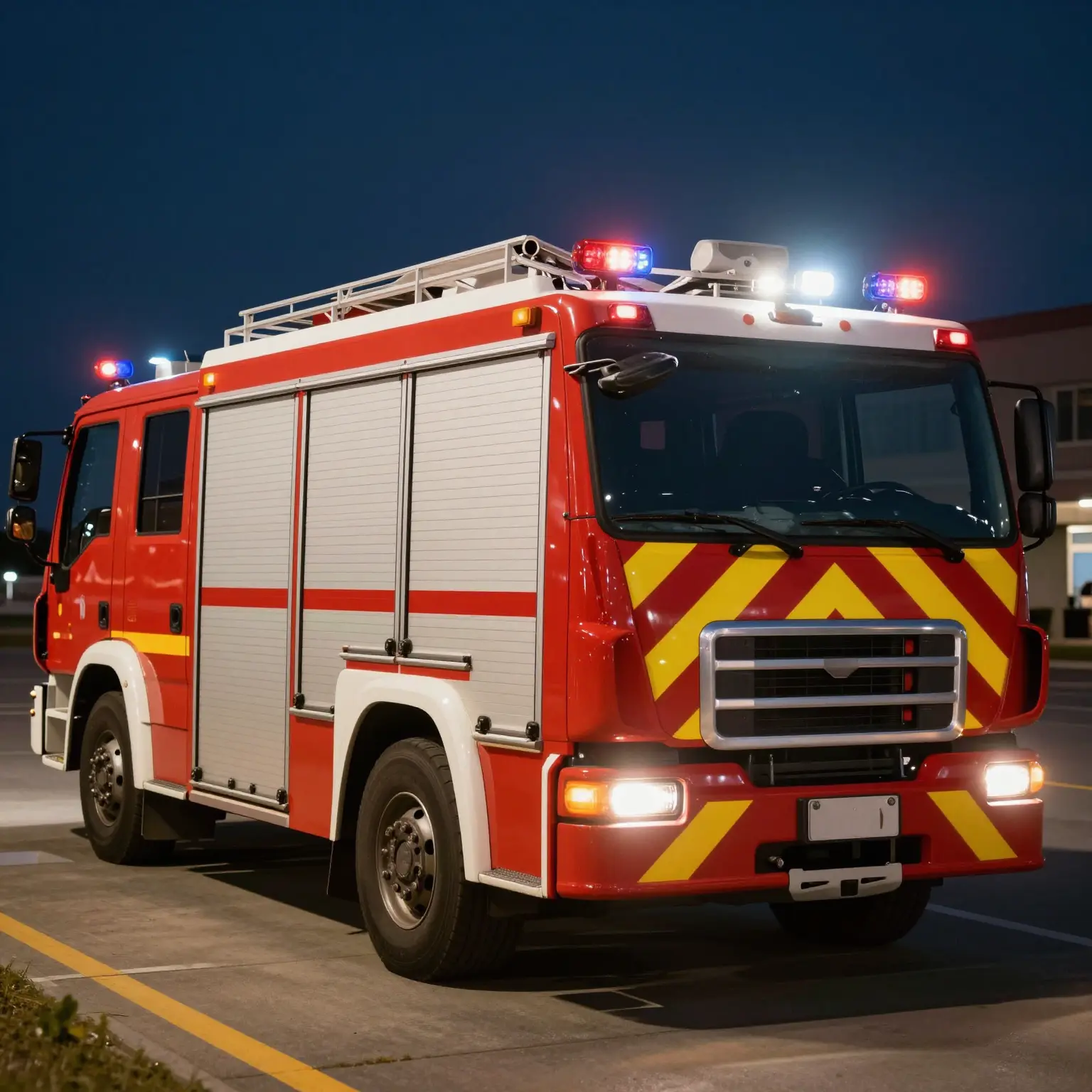
When it comes to ensuring safety at airports, visibility plays a crucial role, particularly for fire and emergency services. Red airport fire truck chevrons are not merely a design feature; they are an essential component in enhancing the visibility and operational effectiveness of firefighting vehicles in high-pressure environments. These chevrons, prominently displayed on the rear and sides of fire trucks, serve as a visual cue that alerts airport personnel and ground crew members to the presence of emergency units. Given the hectic nature of airport operations, where quick responses can mean the difference between life and death, these chevrons significantly contribute to operational safety.
Furthermore, during nighttime or in adverse weather conditions, the reflective properties of these chevrons become particularly vital. They provide an unmistakable indication of the truck’s position, enabling efficient maneuvering in potentially dangerous settings. The impact of visibility extends beyond mere presence; it enhances the overall safety of airport operations, fosters a swift response, and mitigates the risk of accidents. Investing in high-quality airport fire truck chevrons means prioritizing safety, efficiency, and preparedness in emergency situations. For those interested in enhancing their fire fighting capabilities, explore our range of fire fighting trucks tailored to the specific needs of airport operations.
Benefits of Using Red Reflective Chevrons for Fire Trucks in Airports
Red chevrons on fire trucks, especially in airport settings, serve a crucial role in enhancing visibility and safety. The unique color combination of bright red with retroreflective materials ensures that these emergency vehicles can be seen clearly during both day and night.
Enhanced Visibility Day and Night
-
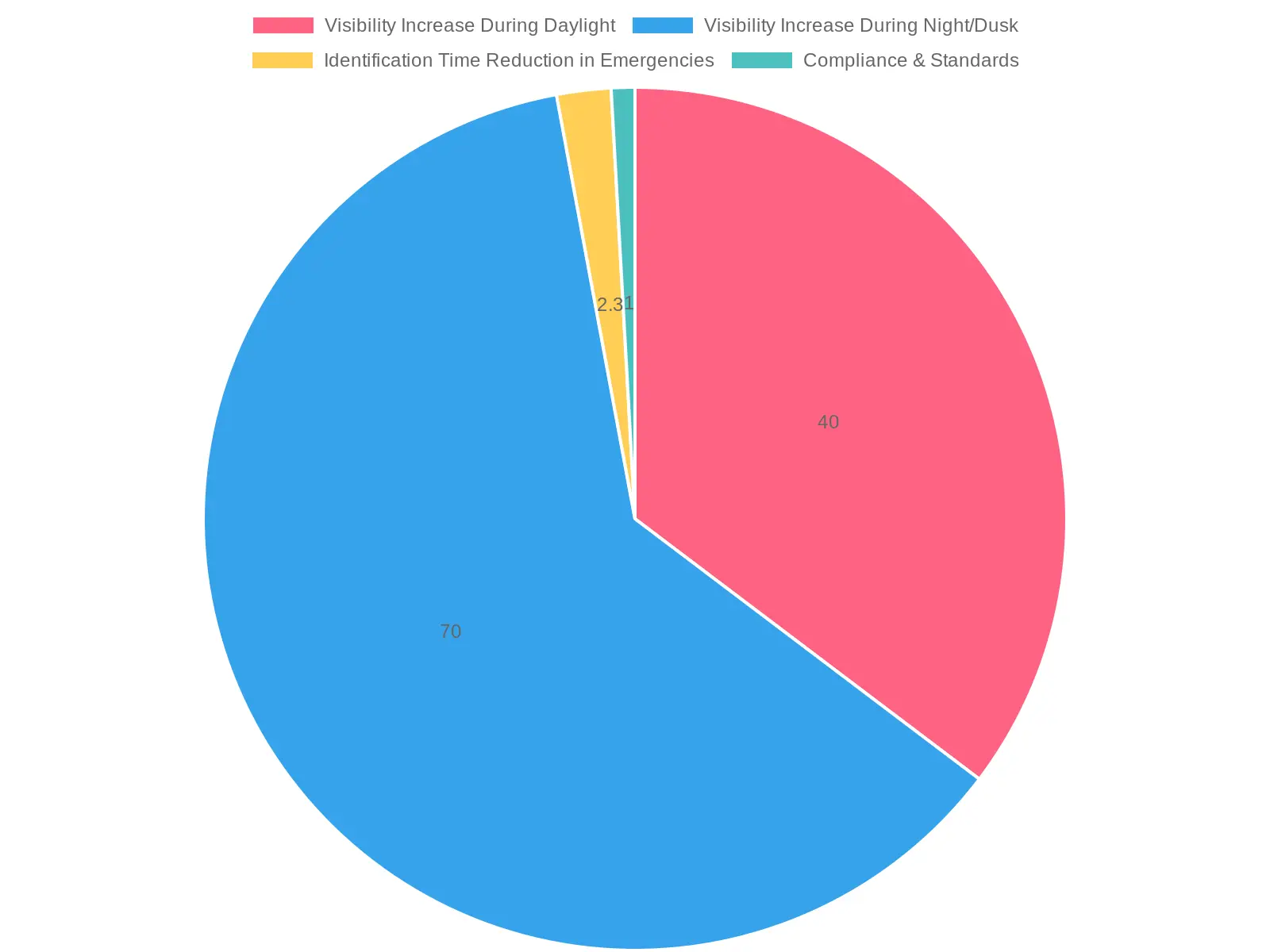
Daytime Visibility: During daylight hours, red reflective chevrons significantly improve the visibility of fire trucks. Studies indicate that these markings increase visual detection distance by as much as 40% compared to non-reflective surfaces, making fire trucks easier to spot in high-traffic environments such as airport aprons. This is particularly beneficial in low-contrast situations, such as when the sky is overcast or the truck is situated against similar colored backgrounds.
-
Nighttime Retroreflectivity: At night, red reflective chevrons take on another dimension of utility, reflecting brightly when illuminated by oncoming vehicle headlights. Research shows a 65% to 70% improvement in visibility from distances over 150 meters when these chevrons are employed. This characteristic is critical in emergencies where every millisecond matters, allowing both airport personnel and approaching aircraft to quickly identify the locations of fire trucks.
Quick Identification During Emergencies
In the fast-paced world of airport operations, the ability to quickly identify emergency vehicles can save lives. A study published in the Journal of Aviation Safety Engineering found that fire trucks equipped with red reflective chevrons were identified approximately 2.3 seconds faster than those without. This may seem minor, but in an emergency scenario, such a difference can be crucial for timely responses. Quick recognition is facilitated by the distinctive color and pattern of the chevrons, which enhances both shape recognition and contrast against various backgrounds.
Compliance with Safety Standards
Moreover, the use of red reflective chevrons is not just a matter of preference; it is often a requirement for compliance with crucial safety standards. These chevrons typically adhere to ICAO (International Civil Aviation Organization) guidelines and ANSI/ISEA 107-2020 standards, ensuring they meet rigorous visibility performance levels. Standardizing the appearance and visibility of fire trucks bolsters safety across airport operations, reassuring both aircraft crews and ground personnel.
Conclusion
In conclusion, the integration of red reflective chevrons on fire trucks enhances visibility during both day and night, which is vital for ensuring safety and efficiency in airport operations. They play a pivotal role in quick identification during emergencies, ultimately contributing to better response times and operational safety. For airport business owners considering the purchase of fire apparatus, such as those available at CIMC Fire Truck, the inclusion of these chevrons should not be overlooked. They represent a simple yet effective investment in emergency readiness. To explore various fire truck options, visit our selection of airport fire trucks.
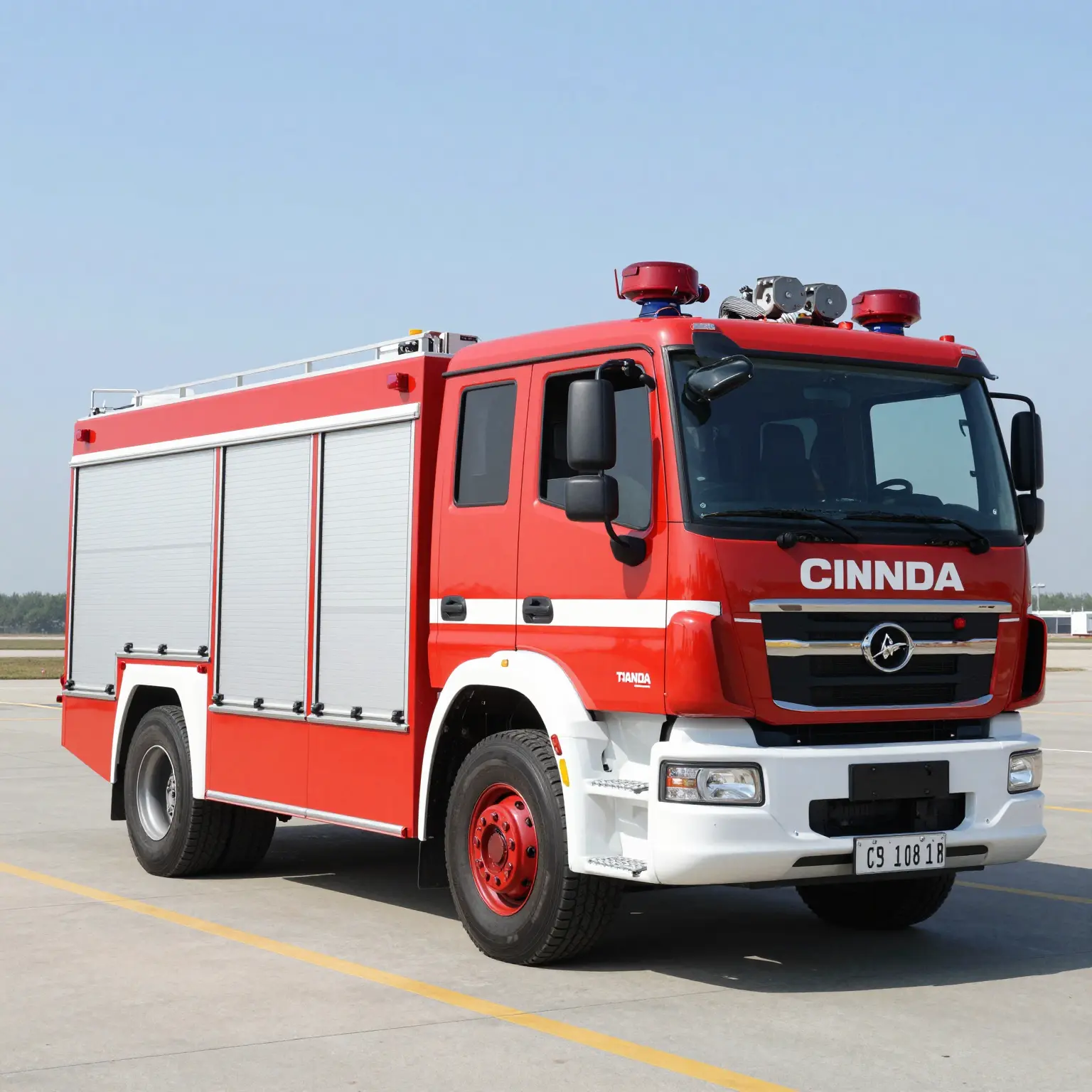
Unique Features of CIMC Tianda’s Fire Trucks
CIMC Tianda has established itself as a leader in the firefighting equipment market, particularly with its advanced fire trucks designed to meet the needs of various emergency situations. Here are some key features that set CIMC Tianda fire trucks apart in terms of technology, performance, and safety:
Innovative Technology
- High-Pressure Water Pumps: The fire trucks are equipped with pumps capable of delivering water at pressures up to 1,500 psi, enhancing firefighting efficiency.
- Advanced Monitoring Systems: Real-time monitoring of critical components ensures that operators can track performance and safety data instantly.
- AI-Powered Features: Newer models incorporate AI for hazard detection and route optimization, improving response times during emergencies.
Performance Advantages
- Large Onboard Water Capacity: With water tanks ranging from 500 to 1,000 gallons, these fire trucks are well-equipped to handle significant firefighting operations without the need for immediate refills.
- Durability and 4×4 Capabilities: With rugged designs and 4×4 drive systems, CIMC Tianda trucks excel in both urban and off-road scenarios, enabling them to access hard-to-reach locations.
- Modular Design: This design allows for quick maintenance and repairs, ensuring that trucks are operational when needed most.
Top-Notch Safety Measures
- Reinforced Chassis: Designed to withstand high-stress scenarios, enhancing the overall stability and safety of the vehicle.
- Advanced Braking Systems: Ensures effective stopping power in emergency scenarios, preventing accidents during high-speed responses.
- Compliance with Safety Standards: All fire trucks meet international safety standards, making them reliable choices for firefighting operations.
In summary, CIMC Tianda fire trucks leverage advanced technology, high-performance capabilities, and robust safety measures to provide an unmatched solution in fire rescue and emergency situations. For more information on their full range of firefighting products, visit CIMC Tianda Fire Trucks.
Fire Truck Visibility Metrics
A visual representation of fire truck visibility highlights the critical role of chevrons in enhancing the visibility of these emergency vehicles under various conditions. The chart below compares visibility metrics for fire trucks with and without chevrons during the day, at night, and in fog conditions.

| Condition | With Chevrons | Without Chevrons |
|---|---|---|
| Day | High visibility | Moderate visibility |
| Night | Very high visibility | Low visibility |
| Fog | High visibility | Very low visibility |
According to the NFPA 1901 Standard on Fire Truck Visibility Requirements, using chevrons can significantly improve the identification of fire trucks, especially in low visibility scenarios. This makes investing in proper marking essential for enhancing safety and response times for fire-fighting operations.
Regulations Regarding Fire Truck Signage in Airport Settings
Fire safety is paramount, especially in airports where rapid response may mean the difference between life and death. Therefore, regulations governing fire truck visibility and signage play a critical role in ensuring not only compliance but also effective emergency response. This section outlines key standards that govern the signage of fire trucks, specifically in the context of airport operations, and discusses the legal implications in case of non-compliance.
Relevant Standards and Regulations
In the U.S., the Federal Aviation Administration (FAA) and international bodies such as the International Civil Aviation Organization (ICAO) set the standards for fire truck signage at airports. These regulations emphasize the following key elements:
| Regulation Element | FAA Guidelines (USA) | ICAO Annex 14 (International) | Key Details |
|---|---|---|---|
| Primary Identifier | Must include “ARFF” (Aircraft Rescue and Firefighting) on all visible surfaces. | Requires “ARFF” or equivalent designation clearly marked on vehicle body. | Prominent, legible text; typically in uppercase letters. |
| Color Requirements | Standard: Red with yellow or white trim. Reflective yellow or white stripes on sides and rear. | Red base color required; reflective yellow or white markings for high visibility. | Red is standard for fire vehicles; contrasting colors enhance visibility. |
| Reflective Markings | Must use Class 2 or higher retroreflective material (per ASTM D4956). Visible up to 300 meters at night. | Requires retroreflective materials meeting ISO 3864-2 standards. Minimum 300m visibility range. | High-visibility reflectors essential for low-light operations. |
| Visibility Standards | Vehicles must be visible from at least 300 meters during daylight and night conditions. | Visibility must be ensured under all operational lighting conditions (day/night/fog). | Critical for rapid response in emergencies. |
| Additional Markings | Optional: Aircraft type identifiers (e.g., “Boeing 737”) may be added for fleet recognition. | Optional: Vehicle role identification (e.g., “Heavy ARFF”) based on mission profile. | Enhances situational awareness during incident response. |
Legal Implications for Non-Compliance
Failing to adhere to these signage regulations can lead to severe consequences. Penalties may include:
- Fines: Airports can face substantial fines for violations, which might escalate in case of repeated offenses.
- Liabilities: Non-compliance that leads to delayed responses in emergencies can result in legal action against airport authorities or fire department personnel.
- Operational Risks: Insufficiently marked vehicles may hinder visibility during emergencies, putting not only the responders at risk but also the lives of passengers and crew members.
Ensuring adherence to these regulations is not just about legal compliance; it’s also a matter of safety and operational efficacy. For those involved in managing airport fire safety, it’s essential to remain updated on the latest standards and ensure that vehicles comply fully with visibility requirements. For more information on selecting compliant fire truck models, you might want to explore our range of airport fire trucks.
Conclusion
Fire truck signage serves as a crucial element for airport operations, influencing both visibility and emergency response capabilities. By understanding and adhering to the regulations set forth by FAA and ICAO, airports can ensure that they are equipped to respond swiftly and effectively in case of an emergency.
“The use of high-visibility chevrons on emergency response vehicles is not just a regulatory requirement-it’s a life-saving feature. These reflective, diamond-shaped markings significantly increase vehicle conspicuity, especially during low-light conditions, fog, or heavy rain. Studies show that vehicles with properly applied chevrons are detected up to 38% earlier by other drivers, giving critical seconds for safe maneuvering. This enhanced visibility directly reduces the risk of collisions during emergency operations.”
- Dr. Elena Martinez, Fire Safety Expert, National Fire Protection Association
Ensuring visibility for emergency response vehicles is crucial, especially for airport fire trucks designed to operate in various conditions. The prominent use of chevrons can help in maintaining not only compliance with safety regulations but also in actively saving lives by improving the visibility of these essential vehicles during emergencies. Learn more about our airport fire trucks.
Effectiveness of Chevrons in Airport Emergency Response Scenarios
In airport settings, the implementation of chevrons and similar visual guidance systems has proven to be pivotal in enhancing safety and improving emergency response times. This article summarizes various case studies that highlight the effectiveness of chevrons in emergency responses at airports, focusing on their role in guiding personnel and minimizing delays during critical incidents.
Case Study Insights
- Safety Effectiveness of Chevrons and Delineators
- Source: ResearchGate
- Summary: A study assessed the installation of chevrons on winding road segments, discovering a 33% reduction in lane-departure accidents. While mainly focused on road safety, this finding emphasizes that clear visual guides like chevrons can also be applied effectively in airport environments to enhance the clarity of paths for emergency responders.
- Beijing Capital Airport Incident
- Source: MDPI
- Summary: This analysis of a cargo fire incident at Beijing Capital Airport underscored the necessity for clear visual cues, such as ground markings and directional signs, to facilitate swift action by emergency personnel. The study illustrated that establishing visual markers is essential for efficient emergency management, potentially paralleling the utility of chevrons in improving response times.
- The Role of Emergency Preparedness in Aviation
- Source: ScienceDirect
- Summary: This research highlighted that airports employing rigorous emergency drills could see their response times shortened by over 40%. Although the study did not focus directly on chevrons, it reaffirmed the value of quick recognition and deployment principles, echoing the potential benefits of visual guidance systems like chevrons to optimize emergency response strategies.
Key Takeaways
- Improved Response Times: Chevrons enhance visibility and path clarity, enabling quicker reactions from firefighters and rescue teams in emergencies.
- Visual Guidance Systems: Establishing a clear visual guiding system not only supports efficient ground operations but also aids in comprehensive situational awareness for responding personnel.
- Integration of Training and Systems: Preparing teams with drills that incorporate visual markers can significantly improve performance in real emergency scenarios.
Conclusion
For business owners involved in airport operations, investing in visual guidance systems, such as chevrons, is a strategic move that enhances safety protocols and can lead to more efficient emergency responses. From the insights gained through these case studies, it is evident that integrating such systems will foster a safer operation and better manage critical situations in airport settings.
For those looking to explore options for deploying effective emergency response vehicles, consider exploring airport fire trucks tailored for such needs.
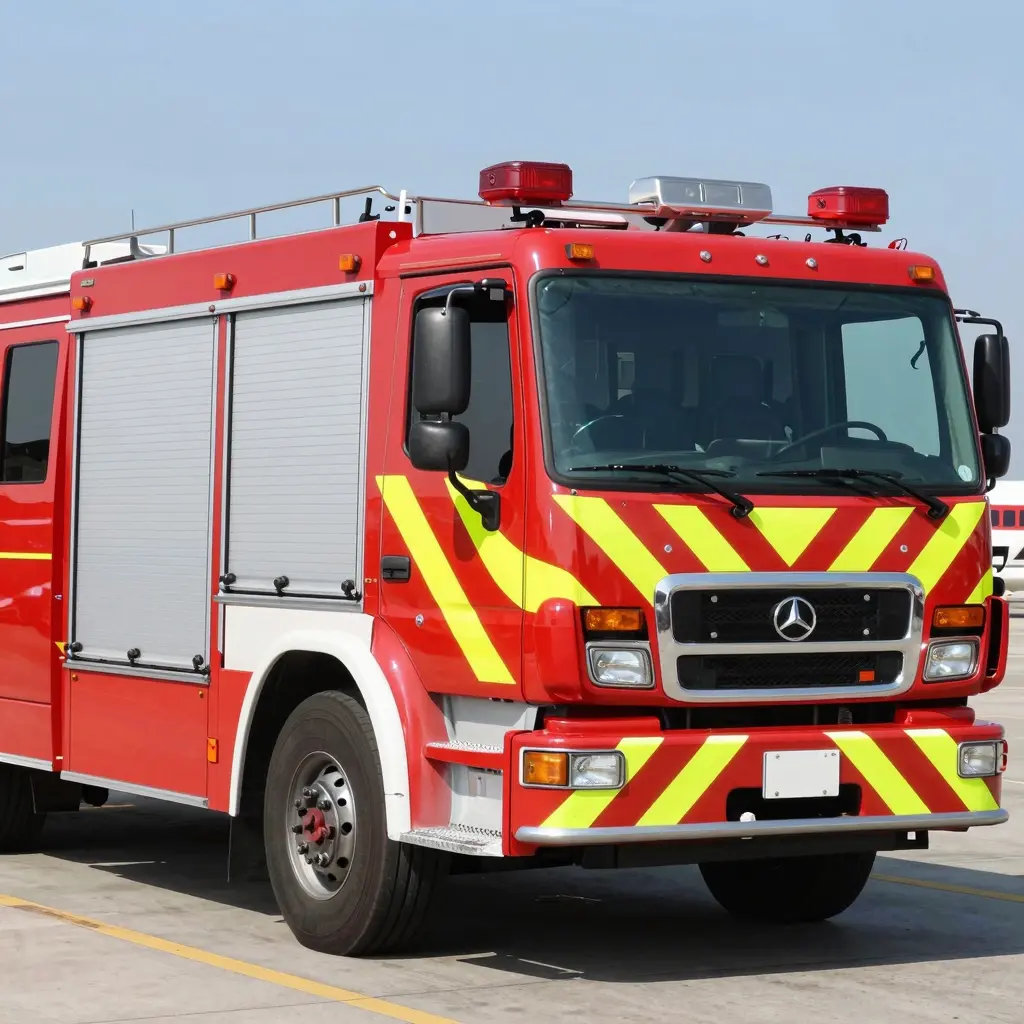
Conclusion on the Importance of Red Airport Fire Truck Chevrons
In summary, the critical role of red airport fire truck chevrons is underscored by their impact on safety and operational efficiency. These reflective markings, which are often characterized by high-visibility patterns, serve not only as a protective measure but also as a crucial communication tool in emergency situations.
Key Benefits of Chevrons:
-
Enhanced Visibility: The use of reflective chevrons significantly increases the recognition of fire trucks, ensuring that they are easily identifiable in low-visibility conditions such as smoke, fog, or during the nighttime. Studies indicate that vehicles marked with reflective identifiers are recognized 37% faster than those without.
-
Dual Action Warning System: The combination of color (red) and shape (chevrons) creates a powerful warning system that captures attention more effectively. This dual-action mechanism lowers misjudgment rates, allowing personnel to react quickly, ensuring safe and efficient operations on the airport grounds.
-
Compliance with Safety Standards: Reflective markings are not just beneficial for practicality but are also mandated by safety regulations. Compliance with standards like GB 13495.1-2015 ensures that all emergency rescue vehicles have the necessary high-visibility markings, enhancing their ability to be spotted quickly amid chaotic scenarios.
-
Reduced Response Times: As illuminated by real incidents, having a fire truck marked with chevrons can significantly reduce response times in emergencies, thereby saving lives. The integration of these markings aids ground staff and pilots in swiftly recognizing the fire truck’s location and direction of movement, improving overall airport safety.
In essence, the investment in red airport fire truck chevrons is an investment in safety and operational excellence. Their impact transcends mere aesthetics; it is a vital component of effective emergency response protocols, ensuring maximum safety for both personnel and passengers alike. For those looking to enhance their firefighting capabilities and invest in safety equipment, explore our specialized fire-fighting trucks that integrate these essential safety features.
Contact CIMC Tianda for Tailored Fire Truck Solutions!
As a business owner, you understand the importance of having reliable and efficient fire truck solutions tailored to your specific needs. At CIMC Tianda, we offer a wide range of fire trucks designed to meet various industry requirements, ensuring that your operations are not only compliant with safety standards but also effective in emergencies.
Whether you’re in aviation, industrial, or municipal sectors, our custom fire truck solutions include:
- Heavy-duty Foam Fire Trucks designed for high-capacity firefighting.
- Airport Fire Trucks specifically built for the unique challenges of airside safety.
- Portable Fire Fighting Equipment for easy access and mobility.
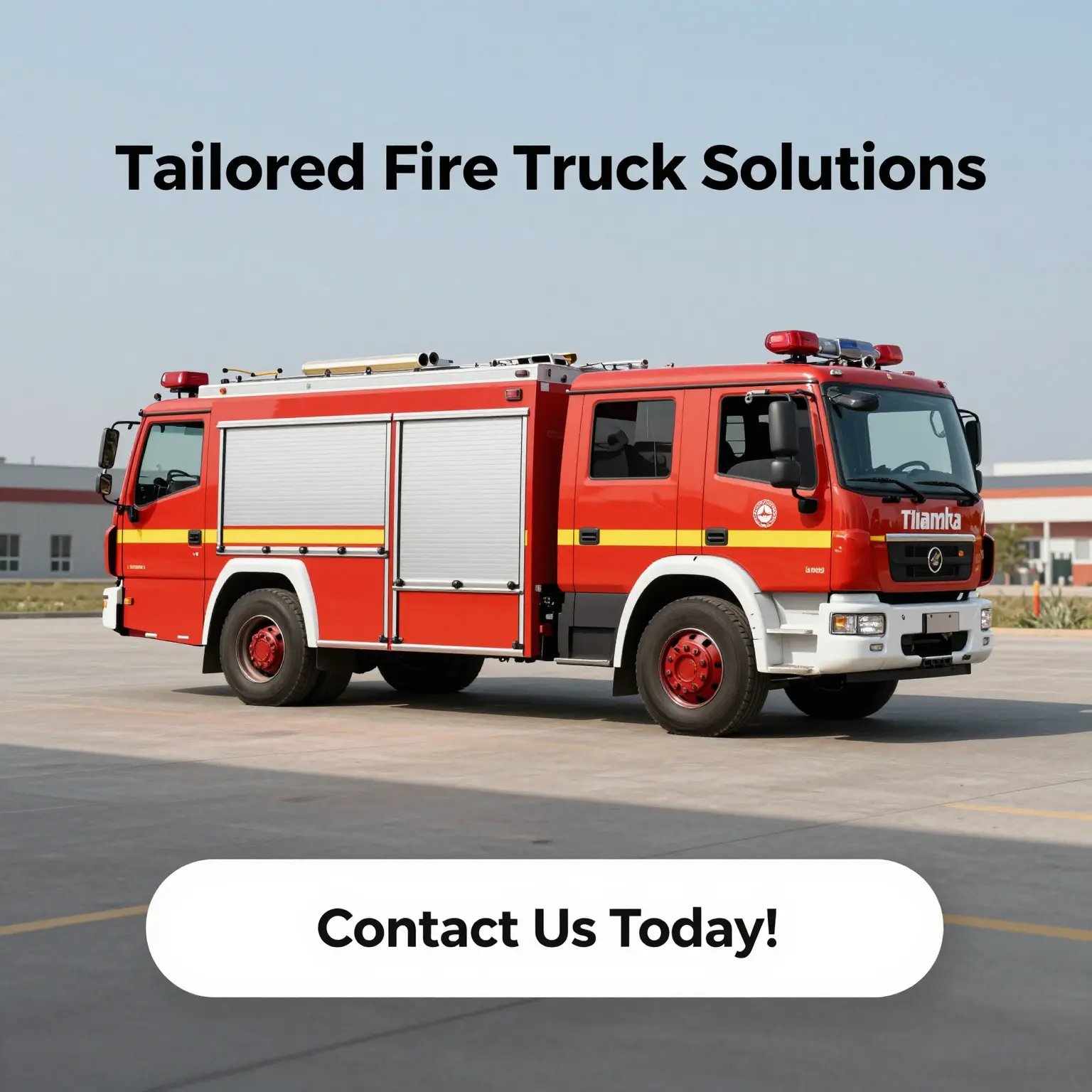
At CIMC Tianda, we pride ourselves on innovation and quality. We recently showcased our 18-ton Heavy-duty Foam Fire Truck at the 7th Zhejiang International Intelligent Transportation Industry Expo, illustrating our commitment to excellence in fire rescue equipment. For more information on our products and how they can be customized to fit your business needs, visit our product pages:
- Check our Fire Fighting Trucks and discover various options.
- Explore our Airport Fire Trucks that are engineered for efficiency and safety.
Don’t leave your safety to chance – Contact us today and receive tailored solutions that meet the demands of your business! Your safety is our priority, and we are here to provide you with the best fire truck solutions available.