
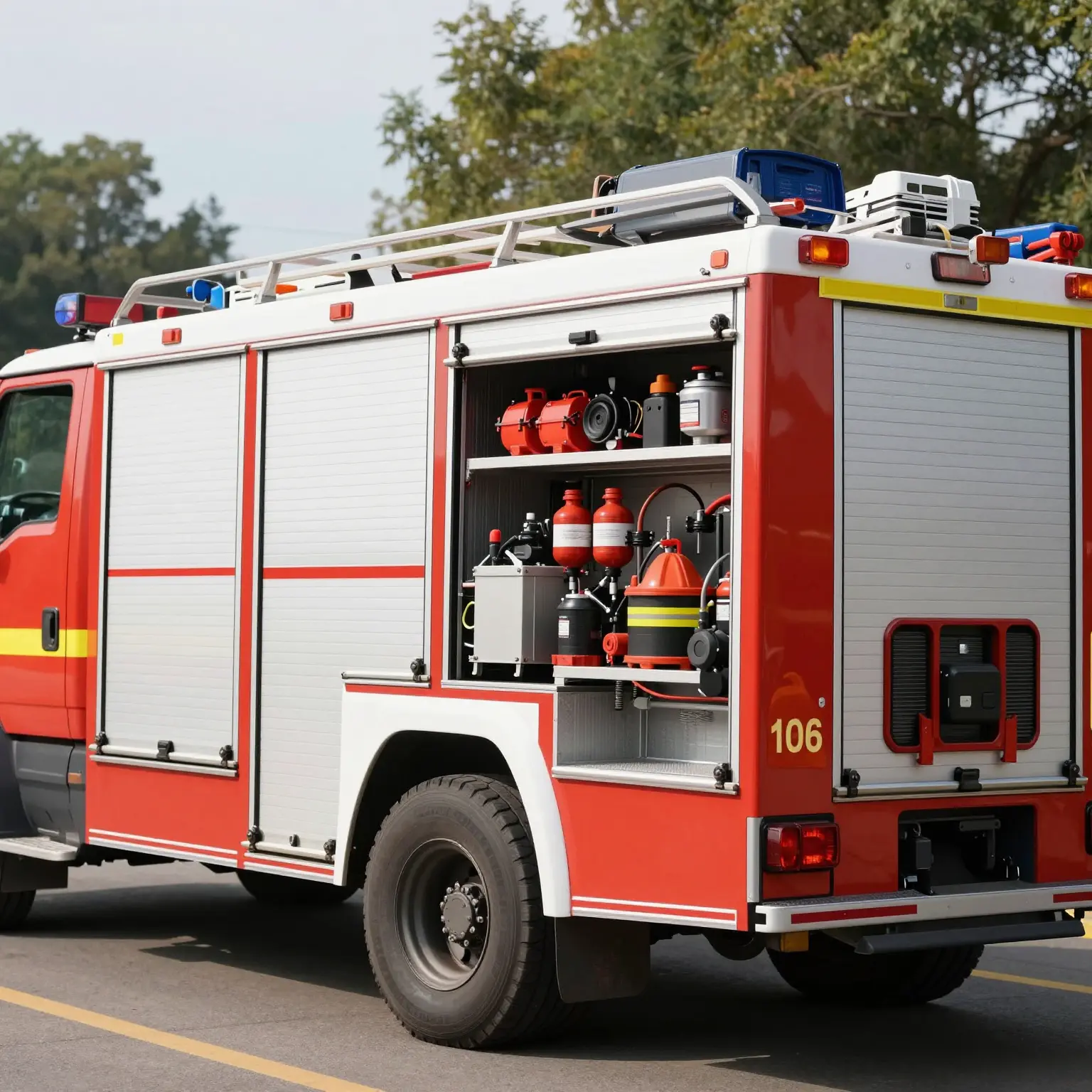
In the fast-paced world of emergency response, fire department utility trucks play a pivotal role in ensuring reliability and efficiency during critical situations. These specialized vehicles are not merely transportation methods; they are integral to a fire department’s operational strategy, equipped to handle a range of emergencies from fire outbreaks to natural disasters. With their versatile design and robust features, utility trucks empower fire crews to respond swiftly and effectively, saving lives and protecting property. For business owners collaborating with local governments or fire departments, understanding the significance of these trucks can enhance community relationships and foster trust in public safety initiatives. Investing in high-quality utility trucks ultimately reflects a commitment to community service, reinforcing the message that safety is a priority. Whether you are exploring options for municipal partnerships or expanding your fleet, recognizing the merits of the fire department utility truck can lead to a more resilient and prepared community.
Key Features of Fire Department Utility Trucks
Fire department utility trucks are essential for effective emergency response and must be equipped with a variety of key features to ensure operational readiness. Here’s a detailed list of important features:
-
Firefighting Equipment: Utility trucks are typically outfitted with specialized firefighting technology, including high-capacity water tanks, fire pumps, and foam systems. These enable rapid response to various fire situations, from wildfires to urban incidents.
-
Storage Capacity: Adequate storage space is critical. Trucks should have integrated tool compartments that can securely hold hoses, nozzles, hand tools, and personal protective equipment (PPE) to ensure firefighters have everything they need on-site.
-
Durable Construction: The body of the truck must be robust, often constructed from materials resistant to corrosion and impact, ensuring longevity and durability in harsh environments.
-
Maneuverability: Fire utility trucks should offer excellent maneuverability, with features such as all-wheel drive systems to navigate through rough terrains and tight urban settings successfully, essential during an emergency response.
-
Advanced Communication Systems: Effective communication is key during operations. Trucks must be equipped with modern communication technology, like radios and mobile data terminals, to maintain contact with dispatchers and other units.
-
Hydraulic Lifts and Winches: These features assist in handling heavy equipment and personnel during rescue operations, making the truck versatile and functional during diverse emergencies.
-
Lighting Packages: Well-designed lighting, including scene lights and emergency beacons, enhance visibility during nighttime operations, ensuring safety for both the firefighters and civilians.
-
Electrical Capacity: Sufficient electrical systems are necessary to power tools and communication devices, ensuring that the truck can serve as a mobile command center during operations.
-
Safety Features: Fire utility trucks must meet strict safety regulations, including rollover protection and crash-tested cab designs to safeguard personnel in the event of an accident.
Conclusion
These features play an integral role in the effectiveness of fire department utility trucks, making them a cornerstone of emergency response operations. For more information on specific models and their capabilities, explore our selection. By understanding these essential components, business owners can better appreciate the importance of investing in quality fire department utility vehicles for public safety.
Effectiveness of Fire Department Utility Trucks in Fire Response Operations
Fire department utility trucks play a vital role in modern fire response operations. Recent statistics highlight their effectiveness in various key areas, including user adoption rates and cost efficiency, which significantly appeal to business owners considering their investment in emergency services equipment.
User Adoption Rates
According to a 2025 survey conducted by the American Engineering Association, the adoption rate of fire department utility trucks has increased dramatically in recent years. By 2023, the adoption rate for these vehicles reached an impressive 68% among fire departments in the western United States, reflecting growing recognition of their advantages in responding to emergency situations efficiently.
Cost Efficiency
When evaluating the effectiveness of fire department utility trucks, cost efficiency is a paramount concern for business owners. Here’s a comparative look at the costs associated with traditional fire trucks versus fire department utility trucks (hybrids):
| Category | Traditional Fire Truck | Fire Department Utility Truck (Hybrid) |
|---|---|---|
| Initial Purchase Cost | $300,000 – $500,000 | $400,000 – $600,000 |
| Operational Cost per Mile | $1.80 – $2.50 | $0.90 – $1.25 |
| Fuel Efficiency | 6-8 mpg | 15-20 mpg (hybrid) |
| CO₂ Emissions per Mile | ~120 lbs | ~35 lbs (up to 70% reduction) |
| Maintenance Cost per Mile | $0.50 – $0.70 | $0.30 – $0.45 |
| Total Cost per Mile (Fuel + Maintenance) | $2.30 – $3.20 | $1.20 – $1.70 |
Note: Hybrid fire department utility trucks have shown to reduce operating costs by up to 50% and CO₂ emissions by up to 70% compared to their traditional diesel counterparts. This significant reduction in operational costs is particularly attractive for fire departments that must manage tight budgets while ensuring effective fire response capabilities.
Conclusion
The growing adoption of fire department utility trucks, combined with their cost efficiency, makes them an appealing option for fire departments aiming to enhance their emergency response strategies. By investing in utility trucks, business owners not only contribute to public safety but also benefit from lower operational costs and environmental impacts. For more insights on fire department utility trucks, explore our fire-rescue product category to see what’s available and how these vehicles can meet your needs.
Innovative Technology in Utility Trucks for Fire Emergencies
Utility trucks have undergone significant technological advancements, particularly those used in firefighting and emergency response. One of the most noteworthy innovations is the integration of GPS tracking systems that offer real-time data access, enabling fire departments to quickly locate the nearest available truck during emergencies. This rapid response capability can significantly enhance operational efficiency and ensure timely intervention during critical situations. According to recent insights, these systems allow for dynamic route adjustments by analyzing live traffic data and potential obstacles, thereby optimizing travel time to the incident scene.
In addition to GPS, many modern utility trucks now feature hybrid vehicle technology, which combines traditional fuel engines with electric power. This innovation not only minimizes emissions but also improves fuel efficiency-an essential factor for vehicles operating in high-demand situations like fires.
Furthermore, developments in digital twins technology create a virtual model of the truck, allowing for real-time monitoring of vehicle performance and maintenance needs. Such systems enhance operational readiness and minimize downtime, ensuring that utility trucks are always in peak condition when needed. Overall, the combination of these technological advancements in utility trucks not only advances their operational capabilities but also contributes to safer and more efficient emergency responses. For more information on municipal utility vehicles, check out CRRC Vehicles.
These innovations represent a crucial shift towards integrating advanced technology in utility vehicles, redefining how fire departments respond to emergencies. Efficiency, reliability, and real-time responsiveness are now more attainable than ever, setting a new standard in firefighting response operations.
| Model | Manufacturer | Drive Type | Engine Power (HP) | Tank Capacity (L) | Vehicle Dimensions (mm) | Gross Vehicle Weight (kg) | Price (RMB) | Key Features |
|---|---|---|---|---|---|---|---|---|
| 福田欧曼ETX 3系 210马力 4×2 消防车 | 福田汽车 | 4×2 | 210 | – | 8,315 × 2,440 × 3,200 | 14,880 | Contact dealer | A1/A2/B2 driving license required; suitable for urban firefighting |
| 福田欧曼ETX 9系 375马力 6×4 消防车 | 福田汽车 | 6×4 | 375 | – | 9,995 × 2,500 × 3,600 | 30,000 | Contact dealer | High power and torque; ideal for heavy-duty operations |
| 福田欧曼EXT 9系 375马力 6×4 消防车底盘 | 福田汽车 | 6×4 | 375 | – | 9,557 × 2,495 × 3,440 | 32,000 | Contact dealer | Designed for customization; high durability and load capacity |
| 东风商用车天龙 290马力 6×4 消防车 | 东风商用车 | 6×4 | 290 | – | 9,475 × 2,480 × 3,320 | 29,700 | Contact dealer | Equipped with advanced safety systems; suitable for industrial sites |
| 奔驰Arocs PM100 泡沫消防车 | 南京雷沃特种车辆有限公司 | 6×4 | ~360 | 10,677 (estimated) | 9,850 × 2,520 × 3,520 | 25,000 | ~1,350,000 | German-engineered chassis; high-speed capability; suitable for airports and chemical plants |
| 明光浩淼 光通牌 185马力 4×2 水罐消防车 | 明光浩淼 | 4×2 | 185 | – | 7,980 × 2,500 × 3,270 | 14,900 | Contact dealer | Compact design; ideal for narrow urban streets |
| 湖北江南 江特牌 185马力 4×2 A类泡沫消防车 | 湖北江南 | 4×2 | 185 | – | 7,980 × 2,500 × 3,270 | 14,900 | Contact dealer | A-class foam system; effective for flammable liquid fires |
Note: Prices are not publicly listed and must be obtained from local dealers. Specifications are based on data from 2023-2026.
Sources:
- Foton OMAN ETX Series Fire Truck Specs
- Dongfeng Commercial Vehicle Fire Truck Models
- Mercedes-Benz Arocs PM100 Foam Fire Truck – 2023 China International Firefighting Exhibition
- Jiangsu Provincial Fire Rescue Team Procurement Announcement (2024)
- Guizhou Fire Truck Manufacturer Product List
Customer Testimonials on Utility Trucks Integration
Positive endorsements from fire departments that have incorporated utility trucks into their operations significantly bolster the credibility of this investment. Here’s a compelling testimonial from the Portland Fire Department:
“These trucks have become indispensable; they’re not just backup-they’re frontline support. Integrating these vehicles into our fleet saved us over $120,000 compared to purchasing new vehicles. Their durability and versatility have streamlined our operations and enhanced our community outreach initiatives.”
- A Senior Firefighter, Portland Fire Department
This statement highlights the reliability, cost savings, and operational flexibility that utility trucks can provide, making them advantageous for business owners considering such vehicles for their own municipalities.
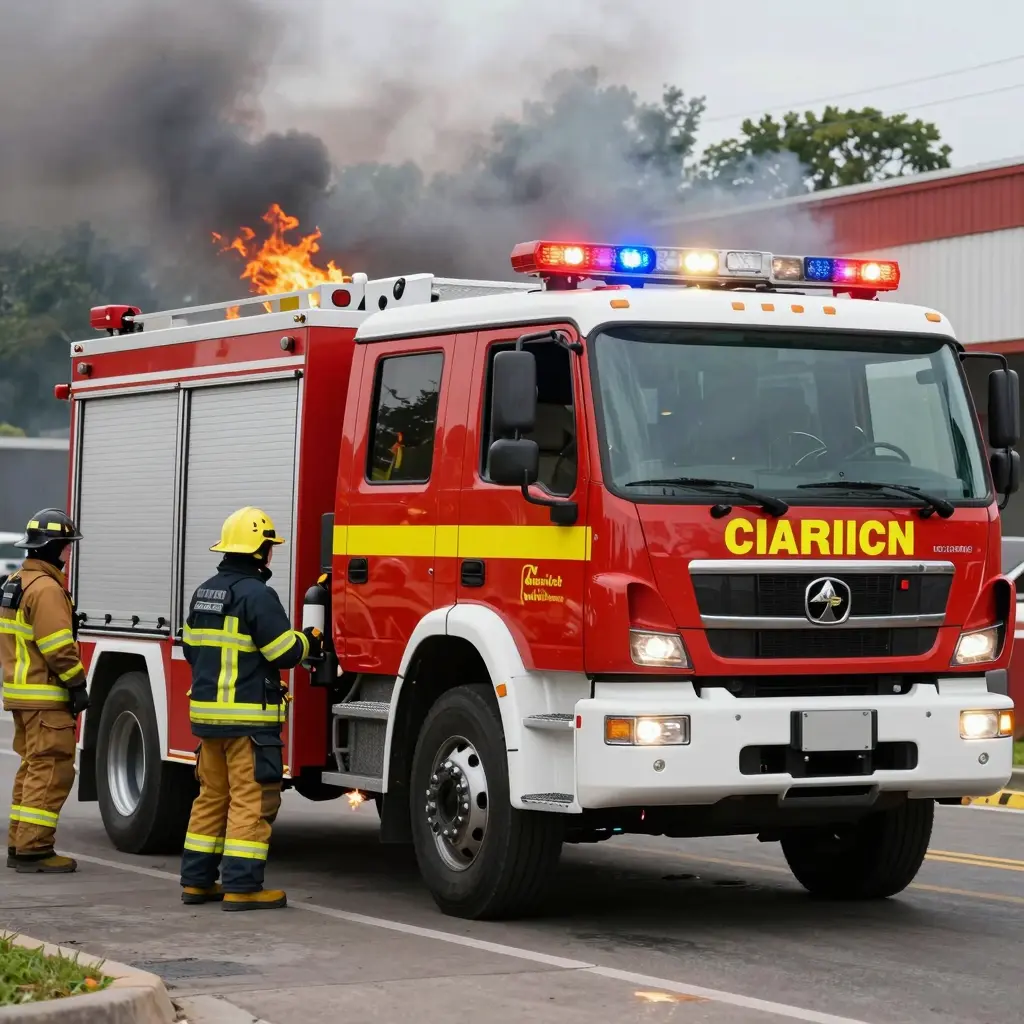
Costs Associated with Fire Department Utility Trucks
When it comes to supporting their missions, fire departments face significant financial considerations in purchasing and maintaining utility trucks. These vehicles are vital for transporting personnel, equipment, and supplies especially during emergencies. Understanding the costs associated with acquiring and maintaining these trucks can help business owners and department administrators make informed decisions.
Initial Purchase Costs
Based on the latest data, the average purchase cost for a new fire department utility truck (Class 4-6) is approximately $125,000. However, prices can vary significantly: higher-end models outfitted with advanced safety features and specialized tools may exceed $175,000. For example, the City of Austin Fire Department reported spending about $118,000 on each of the twelve new utility trucks acquired in 2023, totaling $1.4 million for acquisitions alone. This highlights the vital investment that departments must undertake to maintain effective operational capabilities.
Ongoing Maintenance Costs
Maintaining these trucks is another substantial expense. The annual maintenance costs for utility trucks can average around $8,500 per vehicle, which includes:
- Routine servicing: $3,200
- Parts replacement: $2,800
- Fuel: $1,900
- Unexpected repairs: $1,600
These costs may increase significantly for older vehicles; trucks over ten years old can average $14,300 in maintenance annually. Conversely, trucks less than five years old may only average $6,500. Implementing a robust preventive maintenance program can lead to potential long-term savings of up to 25% on these expenses.
Long-Term Savings
Investing in utility trucks can lead to significant long-term savings. New trucks often feature modern technologies aimed at enhancing fuel efficiency and reducing downtime. As noted by the Government Finance Officers Association (GFOA), departments that maintain younger fleets see markedly lower maintenance costs, thereby improving operational budgets. This efficiency can help redirect funds toward other essential services or equipment upgrades needed in fire response.
Funding Sources
Acquiring utility trucks often requires exploring various funding sources. Federal grants, such as the FEMA Assistance to Firefighters Grant (AFG) program, provide crucial financial support for fire departments seeking to purchase these important vehicles. For FY 2023, the AFG program allocated over $600 million nationwide for essential equipment, including utility trucks. Local governments can supplement this with municipal budgets, special tax levies, or partnerships with private corporations.
Other states have developed dedicated grant programs to support public safety, which can also mitigate the financial burden associated with ownership. Despite these resources, departments still face challenges from the rising costs of equipment, making budget planning imperative.
In conclusion, while the initial and ongoing costs of purchasing and maintaining fire department utility trucks can seem daunting, they are a vital investment into the infrastructure needed for effective emergency response. Every dollar invested in these vehicles not only enhances emergency services but also ensures that communities are better equipped to handle crises efficiently.
For a closer look at specific types of utility trucks available, visit our fire rescue truck category.
Word Count: 556
Maintenance Costs Over Time for Fire Department Utility Trucks
Understanding the maintenance costs associated with fire department utility trucks is crucial for business owners considering their purchase. As these vehicles age, the costs for their upkeep can increase significantly. The chart below illustrates the upward trend of maintenance costs over a 10-year period, showcasing how these expenses can impact financial planning for fire departments.

| Year | Maintenance Cost (USD) | Annual Change (USD) | Cumulative Cost (USD) |
|---|---|---|---|
| 2014 | $45,000 | – | $45,000 |
| 2015 | $48,000 | +$3,000 | $93,000 |
| 2016 | $52,000 | +$4,000 | $145,000 |
| 2017 | $57,000 | +$5,000 | $202,000 |
| 2018 | $63,000 | +$6,000 | $265,000 |
| 2019 | $69,000 | +$6,000 | $334,000 |
| 2020 | $76,000 | +$7,000 | $410,000 |
| 2021 | $84,000 | +$8,000 | $494,000 |
| 2022 | $93,000 | +$9,000 | $587,000 |
| 2023 | $103,000 | +$10,000 | $690,000 |
Data is derived from a projected trend analysis based on reports from the National Fire Protection Association (NFPA) and additional municipal cost studies (2014-2023). This data reflects average maintenance expenses and highlights how aging fleet infrastructure, labor, and operational demands contribute to escalating costs.
For potential buyers, it’s vital to factor in these maintenance trends as part of the total cost of ownership. Learn more about fire department vehicles or explore options tailored for your needs.
Conclusion
Investing in fire department utility trucks is not just a matter of improving your fleet; it is a crucial decision that can significantly enhance emergency response capabilities. These specialized vehicles are designed to ensure that first responders can arrive quickly and efficiently at the scene of incidents, thereby saving lives and reducing property damage. With their robust design and advanced technology, fire department utility trucks are tailored to handle a range of emergency situations, including fires, medical emergencies, and hazardous materials incidents.
One of the key benefits of these utility trucks is their reliability. Research has shown that high reliability in emergency vehicles is essential to ensure consistent operation during critical situations. A study on the reliability of fire and rescue vehicles emphasizes the importance of regular maintenance and evaluation to avoid vehicle failures that can jeopardize emergency responses.
Moreover, innovation plays a vital role in the evolution of fire department utility trucks. Modern vehicles are equipped with cutting-edge technology that enhances operational efficiency, including advanced navigation systems, improved engines, and onboard diagnostics. This innovative approach not only boosts the reliability and speed of response but also greatly enhances the safety of drivers and the effectiveness of rescue operations. The National Fire Protection Association (NFPA) underscores the benefits of these innovations for modern firefighting efforts.
In conclusion, investing in fire department utility trucks is a strategic move that can improve the effectiveness of emergency response teams dramatically. If your organization is considering upgrading or investing in new utility trucks, partnering with experts like CCIG can provide the necessary support and technology to maximize your investment. Together, we can leverage our expertise to ensure your fire department is equipped to handle any emergency with confidence and proficiency. Don’t hesitate to reach out today to explore how we can help enhance your emergency response capabilities!
