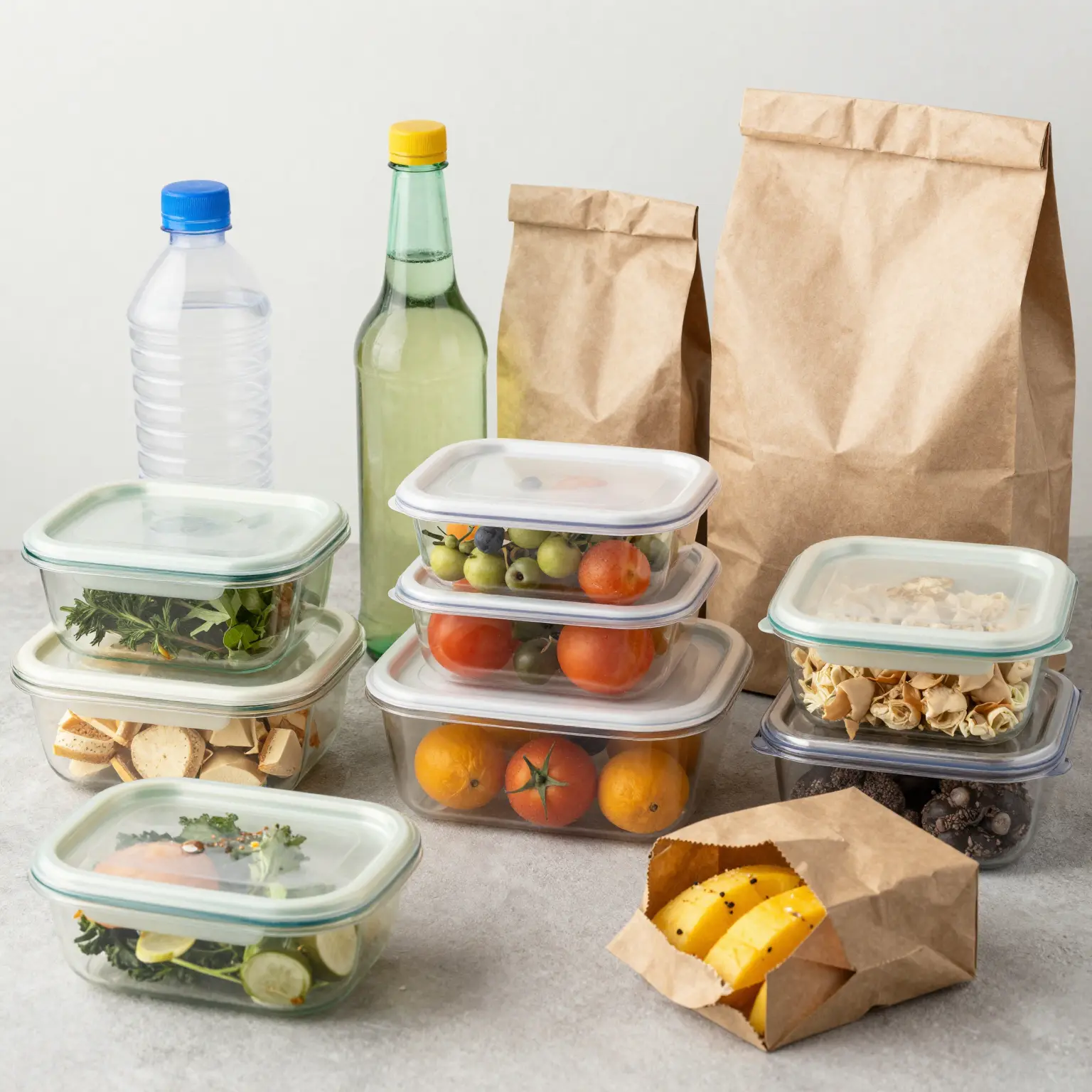
In recent years, the environmental impact of plastic containers has reached alarming levels, particularly in the food service industry. With millions of single-use containers ending up in landfills and oceans every day, plastic pollution is not just a statistic-it’s a pressing issue that threatens our health and ecosystems. For businesses like bubble tea shops, restaurants, and food trucks, this creates a challenge: how to maintain convenience and quality while also reducing environmental harm? Fortunately, there are better alternatives available that are not only sustainable but also appealing to eco-conscious consumers. In this article, we’ll explore innovative options that replace traditional plastic containers, highlighting products made from eco-friendly materials like sugarcane and recycled paper. By making informed choices, your business can thrive while contributing positively to the planet, a topic we’ll dive deeper into as we discuss specific product categories and their benefits, including customizable packaging solutions and tips for a smoother transition to greener alternatives. Discover how your establishment can lead the way in sustainable practices, making an impact while serving up delicious offerings!
Alternative Food Container Materials
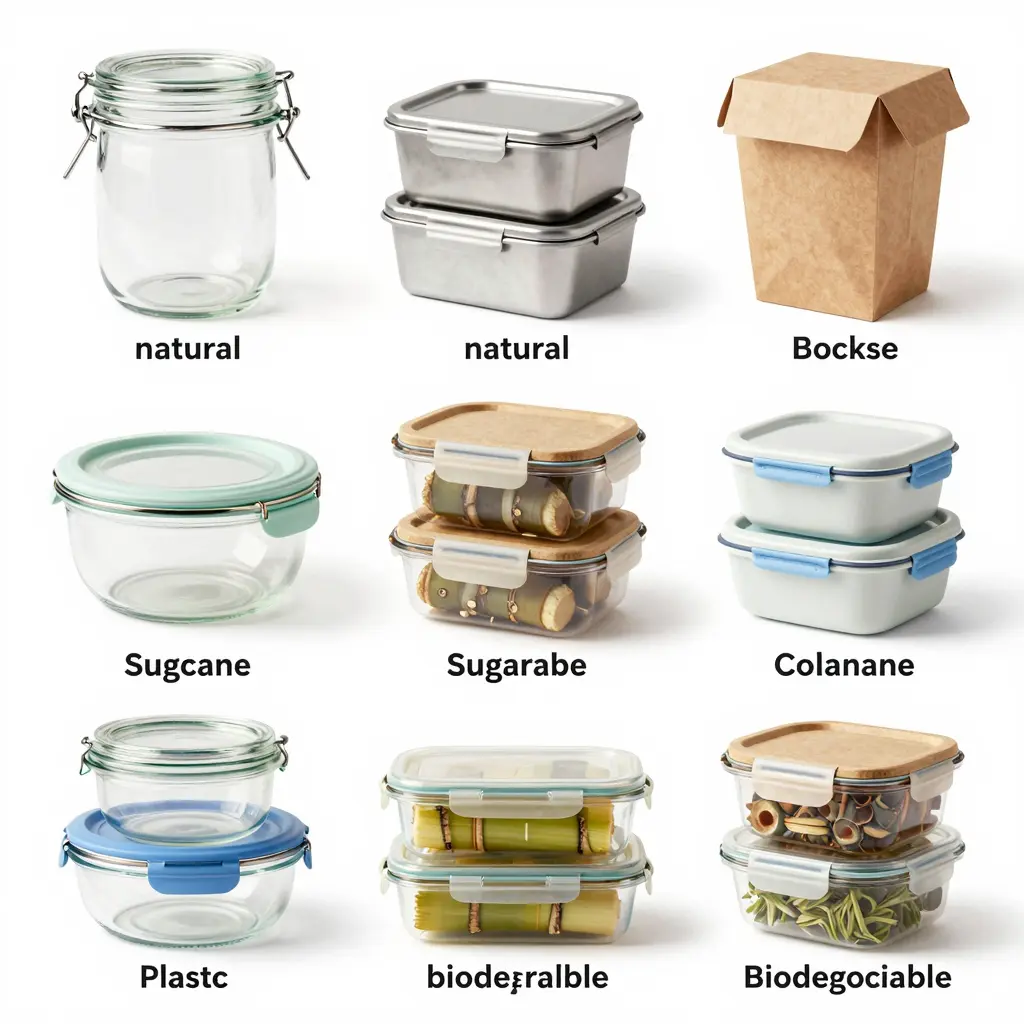
As more businesses strive to adopt sustainable practices, the search for eco-friendly food container materials is intensifying. Here’s a list of various alternatives to plastic, along with their benefits:
-
Glass
Glass containers are 100% recyclable and reusable, which reduces waste significantly. They do not leach chemicals into food and are safe for hot, cold, and acidic foods. They provide excellent insulation and are aesthetically pleasing, making them popular for serving food and beverages.
Learn more about paper packaging options. -
Metal
Containers made from stainless steel or aluminum are durable and lightweight. They are recyclable and do not retain or impart flavors to food. Metal containers are ideal for takeout and can be used in ovens or grills. -
Paper
Sustainable paper products, such as those made from recycled materials, are biodegradable and compostable. They are lightweight, versatile, and often come with various design options suitable for branding. Paper containers can be used for a range of applications, from cups to take-out boxes.
Explore a variety of paper food containers here. -
Biodegradable Plastics
Crafted from materials like corn starch and sugarcane, biodegradable plastics break down naturally and reduce landfill waste. They maintain many of the same usability features as traditional plastics while being more environmentally friendly. These materials are perfect for consumers seeking green alternatives without sacrificing functionality. -
Bamboo
A rapidly renewable resource, bamboo is strong, lightweight, and biodegradable. Bamboo containers impart a unique aesthetic to food and are ideal for sustainable branding strategies. They are often used for disposable dishes and utensils. -
Sugarcane Pulp (Bagasse)
Containers made from sugarcane residue are compostable and sturdy. They are resistant to moisture and can hold both hot and cold foods. This makes them an excellent choice for food trucks and catering services looking for affordable, eco-friendly options. -
Compostable Materials
Made from plant-based materials, compostable containers decompose and can enrich soil when disposed of correctly. These are particularly beneficial for businesses prioritizing waste reduction and environmental sustainability.
Choosing alternative food container materials not only contributes to a healthier planet but also aligns with consumer preferences for eco-conscious brands. By integrating these materials, businesses in the food service industry can enhance their sustainability practices and attract eco-aware customers.
Comparing Costs of Plastic Containers vs. Eco-Friendly Alternatives
When it comes to selecting food containers, especially in the food service industry, the initial cost often weighs heavily on decision-makers. Plastic containers have long been lauded for their lower initial investment, typically ranging from $0.10 to $0.30 per piece. In contrast, eco-friendly containers, which come with a price tag of about $0.15 to $0.50 each, might give some businesses pause due to their higher upfront costs.
However, while plastic containers may appear to be cheaper initially, the long-term financial implications tell a different story. Here’s a detailed comparison:
| Category | Plastic Containers | Eco-Friendly Containers | Long-Term Savings Potential |
|---|---|---|---|
| Initial Cost (USD) | $0.10 – $0.30 | $0.15 – $0.50 | Reduced waste, compliance with new regulations |
| Advantages | Cheaper, lightweight | Sustainable, biodegradable | Less landfill disposal, enhancing brand image |
| Durability | Moderate durability | Highly durable | Decreased recurring costs due to reuse potential |
The lower price of plastic containers is inviting, but the sustainability movement is shifting consumer preferences. Many consumers now favor brands that showcase environmental responsibility, translating this preference into a willingness to pay more for eco-friendly products.
In the long run, eco-friendly containers can lead to significant cost savings through reduced waste disposal fees and compliance with increasingly stringent environmental regulations. Notably, businesses can also avoid landfill taxes and penalties associated with excessive plastic waste.
Furthermore, eco-friendly options, such as those made from sugarcane or recycled paper, often boast higher durability, potentially reducing the frequency of replacements compared to their plastic counterparts. This means that, while the upfront investment is greater, the lifespan and reusability can offset these costs over time.
Investing in eco-friendly containers can be a strategic move that aligns with consumer preferences and environmental goals. For example, businesses can explore options like sugarcane food containers or paper packaging as alternatives to traditional plastic offerings, reinforcing both sustainability and profitability.
By considering these factors, foodservice businesses will be better positioned to make informed purchasing decisions that balance both economic and ecological concerns.
“Businesses need to explore options beyond traditional single-use plastic packaging to create a healthier sustainable future for our environment.”
– RTS, Plastic Alternatives for Business
| Container Material | Pros | Cons |
|---|---|---|
| Plastic | – Lightweight and flexible – Cost-effective – Good for transport |
– Non-biodegradable – Can leach harmful chemicals if not BPA-free – Contributes to plastic pollution |
| Glass | – Non-reactive and safe for various foods – Reusable and recyclable – Good for hot food |
– Heavy and breakable – Can be more expensive – Requires careful handling |
| Aluminum | – Lightweight and resistant to corrosion – Good barrier against light and oxygen |
– Can react with acidic foods – Not typically recyclable in all areas |
| Biodegradable | – Made from renewable resources – Break down into organic matter – Low environmental impact |
– Can require specific disposal conditions for effective breakdown – Often more expensive than plastic |
| Cardboard/Paper | – Biodegradable and compostable – Generally recyclable – Versatile use |
– Not waterproof unless treated – Limited durability for wet foods |
References
- For biodegradable options, check Biodegradable Food Containers: Safe Sustainable Option.
- For alternative packaging solutions, see our range of paper packaging.
This comparative table gives a clear overview for food service businesses considering alternatives to traditional plastic containers. As sustainability becomes increasingly important in the food service industry, these insights can aid in making informed choices regarding packaging options.
Regulatory Trends Impacting Food Container Choices
As eco-consciousness grows, the food service industry is experiencing a significant shift due to new regulations aimed at reducing plastic waste. In 2023, several countries have implemented strict bans on single-use plastics in response to increasing environmental concerns. For instance, France enforces the EU’s Single-Use Plastics Directive, impacting food trucks and catering services. Similarly, Canada’s BC plastic ban will start in December 2023, restricting oxo-degradable products and food service ware. These moves reflect a broader trend across various nations, influencing packaging choices and an inclination toward sustainable practices.
Regulatory Frameworks Encouraging Sustainable Choices
The regulations mandate a reconsideration of packaging materials for food service providers, including:
- Banning conventional plastic containers, cutlery, and straws.
- Positive incentives for businesses to transition to environmentally friendly alternatives.
- Public awareness campaigns supporting this change.
Such initiatives are fostering a significant increase in demand for alternatives like paper, biopolymers, sugarcane-based products, and compostable materials. These eco-friendly options not only comply with regulations but also resonate with consumer preferences shifting towards sustainability.
Alternative Food Containers
Several alternatives have emerged as viable replacements for traditional plastic containers:
- Paper Packaging: Durable, recyclable, and often biodegradable. For a range of options, check out our paper packaging collection.
- Sugarcane Products: Made from renewable resources, these containers are sturdy and heat resistant. Explore our sugarcane tableware here.
- Biodegradable Containers: These are designed to break down naturally, reducing landfill waste and providing an eco-friendly option for foodservice.
Impact on the Industry
The industry’s transition towards sustainable packaging not only adheres to regulatory requirements but also aligns with changing consumer behavior. Many customers are now actively seeking out businesses that prioritize sustainability. According to recent reports, businesses that switch to eco-friendly packaging can also improve their brand image, leading to better customer loyalty and increased sales.
Industry Trends: A Shift Towards Sustainability
To visualize the impact of recent regulations on alternative material usage, here is a chart that illustrates the trend towards more sustainable food packaging:

As shown, there has been a marked increase in the adoption of alternative materials among companies looking to comply with regulations while meeting consumer demands.
Conclusion
In conclusion, regulatory trends in 2023 are significantly influencing the food service industry to adopt eco-friendly packaging solutions. The shift from plastic to alternatives such as paper and sugarcane is not just a compliance measure; it’s a necessary evolution in response to a society that increasingly values sustainability. For more extensive packaging solutions, do consider exploring our diverse range of fast food packaging and service ware. Together, we can make a difference!
Conclusion: Choose Sustainability over Convenience
In conclusion, as we reflect on the key benefits of opting for better alternatives to plastic food containers, it’s clear that this shift is not just a trend but a necessary evolution for our planet. Emphasizing sustainability, health safety, and brand awareness, businesses can significantly impact both their bottom line and the environment by choosing responsibly sourced materials. Containers made of paper, sugarcane, or glass present a compelling alternative to traditional plastic, offering an eco-friendly option that doesn’t compromise quality or safety. Not only do they reduce environmental stress, but they also align businesses with the growing consumer demand for sustainability.
Empowered with this knowledge, we encourage all food service operators-from bubble tea shops to large catering teams-to reflect on their packaging choices. Make the commitment to switch to reliable disposable tableware and packaging solutions that don’t just meet your operational needs but are also kind to our planet. Explore our range of sustainable products, such as paper bowls and sugarcane tableware, to discover the perfect fit for your business while contributing to a greener future. Let’s strive together for a world where convenience and responsibility go hand in hand!
Adoption of Eco-Friendly Packaging Over Time
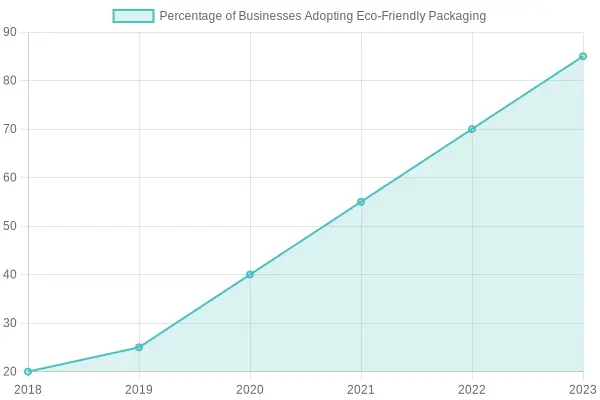
The trend of user adoption of eco-friendly packaging in the food service sector has been on a significant rise in recent years. With increasing awareness of sustainability and environmental responsibility among consumers, businesses have been making notable shifts towards greener options. Below is a chart that illustrates this growth:
| Year | Percentage of Businesses Adopting Eco-Friendly Packaging |
|---|---|
| 2018 | 20% |
| 2019 | 25% |
| 2020 | 40% |
| 2021 | 55% |
| 2022 | 70% |
| 2023 | 85% |
As the chart suggests, the adoption of eco-friendly packaging solutions rose sharply, especially in 2020 due to heightened consumer interest in sustainability. This trend underscores a pivotal shift in the food service industry towards reducing waste and leveraging eco-friendly materials for packaging. To explore various eco-friendly options for your food service needs, check out our paper packaging products that cater to environmentally-conscious businesses.
FAQ: Switching to Alternative Food Containers
1. What are the costs associated with switching to alternative food containers?
While plastic containers typically cost about $0.10 per unit, alternative containers are around $1.20 per unit. Over the years, prices for plastic have decreased steadily, while alternatives have become slightly more affordable as their popularity grows. Definitely, the initial investment might seem high, but consider the long-term benefits of sustainability and brand image. For a comprehensive comparison, check our paper bowls here.
2. Are alternative food containers safe for my customers?
Absolutely! Research indicates that plastic containers can leach harmful chemicals into food, especially when exposed to heat. For instance, studies by Quit Plastic highlight the dangers linked to heating food in plastic. In contrast, alternatives such as paper, bamboo, or aluminum foil do not pose such health risks, making them safer options for your food services.
3. What about supply issues with alternative containers?
Supply chain issues have been prevalent across all sectors. However, many manufacturers of alternative containers, like aluminum and sugarcane, have adapted better to these challenges. For example, companies are utilizing AI for better logistics management, ensuring a steady supply. You can read more about these innovations in this article on Quartz.
4. How can I ensure quality and reliability when sourcing alternative containers?
Opt for reputable suppliers known for their eco-friendly practices. Green DispoPack is dedicated to providing high-quality alternative food containers, ensuring you get the safest and most reliable products. Explore our range of sugarcane tableware.
5. Do alternative containers perform well in terms of insulation and durability?
Yes! Many alternative containers, like those made from sugarcane and aluminum, offer excellent insulation properties, keeping your food fresh and safe longer. They are also designed to withstand various temperatures without compromising their integrity.