
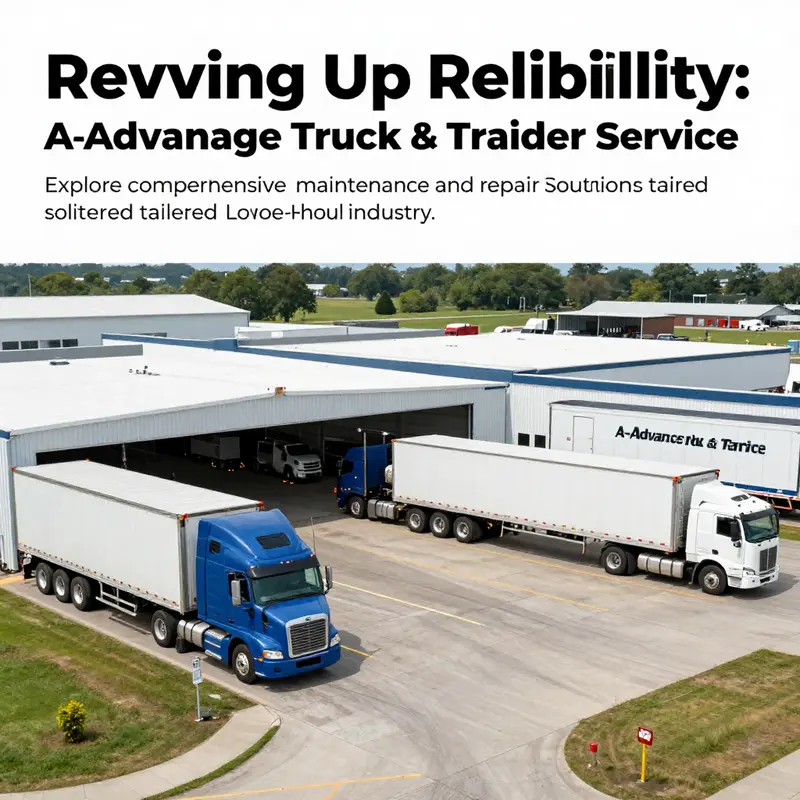
Understanding the importance of reliable truck and trailer service is vital for long-haul drivers, trucking companies, and fleet managers. A-Advantage Truck & Trailer Service in Pittsburgh stands out in this competitive landscape by offering comprehensive maintenance solutions, while emphasizing quality workmanship and customer satisfaction. This article delves into their robust offerings, exploring how they contribute to minimizing downtime and enhancing performance. Each chapter will further illuminate how their services can strategically support the trucking community—from understanding maintenance solutions to evaluating customer satisfaction metrics.
Guardians of the Road: Comprehensive Maintenance that Keeps Pittsburgh Fleets Rolling at A-Advantage Truck & Trailer Service
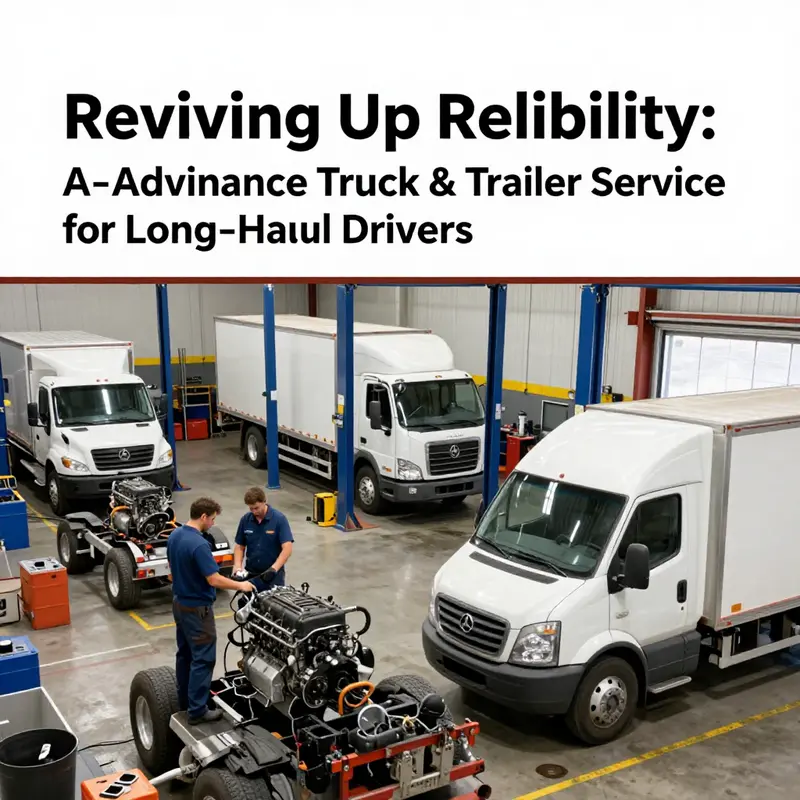
Every fleet operates on a calendar of miles and minutes, a clock that ticks with every delivery window and daily route. In this rhythm, maintenance is not a cost to be managed but a strategic investment in reliability, safety, and uptime. A-Advantage Truck & Trailer Service in Pittsburgh embodies this philosophy through comprehensive maintenance solutions that go beyond quick fixes. The emphasis is on quality workmanship and a seamless partnership with clients, an approach that turns routine servicing into a shield against downtime and a catalyst for fleet performance. At its core, maintenance here is about preserving momentum. It begins with a meticulous, fleet-wide mindset: inspectors who read a vehicle through its past wear and its present demands, technicians who translate those readings into precise care plans, and managers who align service cycles with the realities of routes, payloads, and weather. The goal is straightforward yet exacting—minimize disruption, maximize uptime, and extend component life across an array of commercial vehicles. The Pittsburgh shop has earned trust because it treats every truck and trailer as a critical link in a longer chain of operations, not as a one-off asset to be patched and forgotten.\n\nThat trust rests on the skill of expert technicians whose depth comes from experience and a relentless attention to detail. Owners and shop leadership, notably Rick, are repeatedly recognized for their extensive knowledge and their ability to resolve complex vehicle issues promptly. This isn’t about a single quick diagnosis; it’s about diagnosing a system, tracing a fault to its root cause, and returning a vehicle to service with a plan that prevents recurrence. When a fleet is pressed to stay on schedule, the value of prompt, accurate repairs compounds into measurable savings—reduced idle time, fewer emergency dispatches, and a more predictable maintenance budget. It is this combination of quick problem-solving and durable, evidence-based fixes that makes maintenance feel like a strategic advantage rather than a reactive expense. The technicians here are not merely mechanics; they are fleet diagnosticians who interpret data, observe evolving wear patterns, and adjust service recommendations as a vehicle’s life-cycle unfolds.\n\nThe range of maintenance offerings reflects a belief that reliability is the result of a carefully choreographed sequence of care. Preventive maintenance, routine diagnostics, and targeted repairs are integrated into a cohesive program designed to keep fleets operating smoothly through fluctuating demands. On a practical level, this means scheduled inspections that map onto the particular cadence of a client’s operation. It means systematic checks of critical systems—drivetrain, electrical, braking, and suspension—coupled with proactive parts replacement guided by usage, mileage, and environmental exposure. The aim is to move maintenance from a reactive response to an anticipatory discipline. When trucks and trailers are kept on a disciplined maintenance schedule, they not only perform better; they also reach the next maintenance event with clearer visibility of what is needed, reducing surprises on the line.\n\nA comprehensive program also recognizes the interdependence of various vehicle components. A breakdown is rarely a single part failure; it often reflects the condition of adjacent systems that bear on performance. In service bays designed for heavy duty operation, technicians systematically review tires, wheels, alignment, and tire-related wear as integral components of overall health. While the specific terminology of motion care can sound technical, the practical effect is straightforward: better grip, steadier handling, balanced wear, and extended uptime. In this sense, maintenance becomes a holistic discipline rather than a checklist of isolated tasks. The Pittsburgh team translates this holistic view into daily routines that emphasize thoroughness over expediency, setting a pace that favors long-term reliability over short-term throughput. Clients experience the payoff as vehicles return to service with fewer follow-up visits and more consistent on-time performance.\n\nThis approach also extends into the way maintenance plans are customized. Fleet profiles—their routes, terrain, seasonality, and load characteristics—drive the tailoring of service programs. A-Advantage technicians listen first to the operational realities that shape wear patterns. They then propose maintenance cadences that align with the fleet’s actual needs, not a one-size-fits-all template. The result is a service plan that feels, to clients, like it was built around their business. The technicians’ ability to translate data into action is reinforced by the shop’s culture of accountability. When a diagnostic reveals a systemic issue, the team doesn’t merely remedy the symptom; they document findings, implement a durable fix, and update maintenance guidance so the next cycle anticipates upcoming demands. In an industry where downtime can cascade into missed deliveries and unhappy customers, this emphasis on accountable, data-informed care becomes a cornerstone of a fleet’s competitive edge.\n\nThe maintenance philosophy at A-Advantage also considers safety and regulatory compliance as core components of reliability. A well-kept vehicle is safer to operate and more predictable in its behavior on busy roadways and in high-demand logistics corridors. The shop’s processes emphasize quality workmanship, traceable service history, and transparent communication with clients about what was done, why it was necessary, and what remains to watch. This openness builds trust, especially for fleet managers who must demonstrate compliance and due diligence to stakeholders. The technicians’ expertise translates into clear, actionable recommendations that help clients plan budgets with confidence. The relationship moves beyond repair tickets to strategic conversations about fleet health, lifecycle management, and uptime optimization. In every discussion, the client feels that the shop is a partner—focused on keeping vehicles moving, reducing surprises, and extending the productive life of each asset.\n\nThe operational impact of comprehensive maintenance becomes most evident in the way it reduces downtime and preserves the integrity of the entire transport chain. When maintenance is proactive, the likelihood of unexpected breakdowns drops, and trips that used to end in a tow and a costly delay can be completed on schedule. In the most demanding environments, where miles accumulate quickly and every hour counts, even small improvements in maintenance discipline yield outsized returns. The Pittsburgh team’s reputation rests not only on the quality of the repairs but on the discipline of their approach—careful inspection, thoughtful diagnosis, and durable, well-documented remedies that keep fleets in step with demand. It is a quiet excellence that operators feel every day, in the smoothness of operation, the steadiness of performance, and the confidence to schedule more ambitious routes without fear of sudden equipment failure.\n\nIn a broader sense, the maintenance narrative at A-Advantage connects with the industry’s evolving emphasis on reliability-centered maintenance and data-driven decision making. The way this shop blends hands-on expertise with methodical process—root-cause analysis, standardized checklists, and ongoing performance monitoring—anticipates the needs of modern fleets. It reflects a discipline where maintenance becomes a strategic capability, not merely a function of repair. The outcome is a fleet that can respond to market demands with agility, while operators enjoy a stable cost profile shaped by predictable maintenance demands and longer vehicle life. As markets become more interconnected, with customers counting on timely deliveries across regions, the ability to avoid downtime translates directly into increased customer satisfaction and stronger business resilience. In this light, comprehensive maintenance is not a separate activity but an integral part of how a fleet competes.\n\nFor readers seeking deeper insight into the kind of maintenance mindset described here, industry conversations often highlight the value of specialized training and disciplined maintenance practices. The principles echoed in such discussions—proactive planning, rigorous diagnostics, and durable repairs—resonate with the experience of A-Advantage’s technicians and management team. And while the details of every fleet’s needs will vary, the underlying promise remains universal: maintenance done well keeps the road a reliable partner, not an obstacle. For those curious about how different sectors approach care with similar rigor, a closer look at training resources and case studies in related contexts can be enlightening. As one industry discussion emphasizes, the discipline of maintenance training and service continuity is foundational to uptime and safety, a reminder that expertise, consistency, and clear communication are the true engines of reliability. fire-truck maintenance service training illustrates a parallel commitment to meticulous care and long-term readiness that informs, in spirit, every maintenance decision at A-Advantage.\n\nFor readers who want to explore a direct source about the service philosophy and capabilities at A-Advantage, their official site provides a comprehensive overview of the scope, approach, and outcomes that define their maintenance ethos. External resource: https://www.aadvantagetruck.com
Precision in Motion: Upholding Quality Workmanship at A-Advantage Truck & Trailer Service
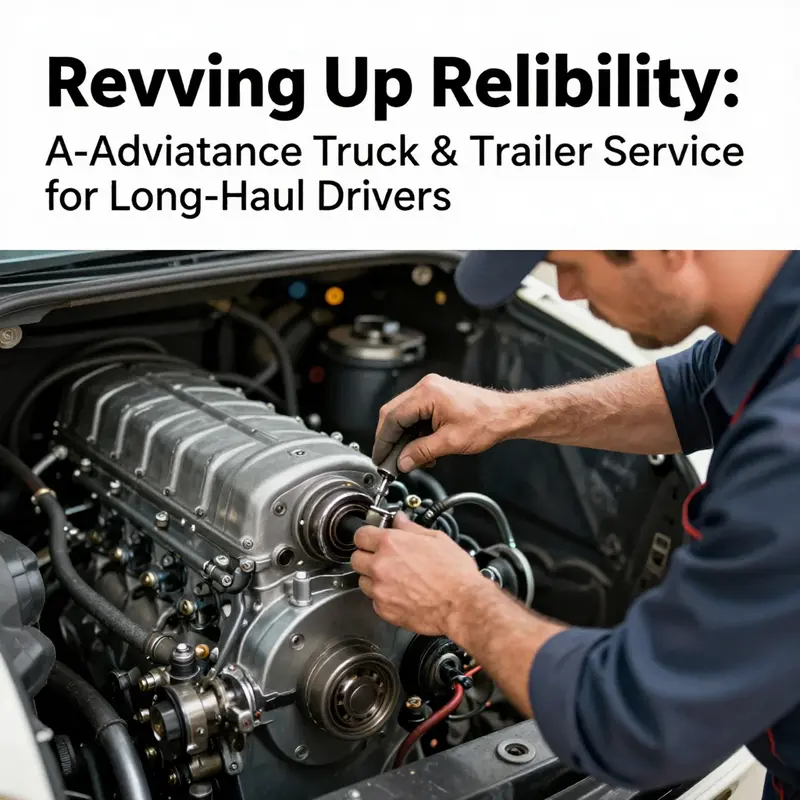
Every fleet operates under pressure, and the pressure is felt most acutely when a long, unplanned downtime stalls deliveries, disrupts schedules, and challenges the trust clients place in their transportation partners. In this environment, the value of workmanship rises from a badge of pride to a practical guarantee that a fleet will keep moving. At A-Advantage Truck & Trailer Service, precision is not a slogan but a daily standard that threads through every repair, every inspection, and every conversation with a client. The Pittsburgh service center becomes a living case study in how quality workmanship translates into reliability on the road, an outcome that fleet managers measure not in moments of glory but in days gained and incidents avoided. The chain of quality begins long before a vehicle enters the bays. It starts with a philosophy that treats every vehicle not as a disposable asset but as a critical, high-value tool whose uptime affects the entire operation. That mindset shapes everything from intake to final delivery, guiding technicians to look beyond the obvious problem and toward the root cause. A squeak in the suspension, a misaligned axle, or a slipping electrical circuit is rarely a one-off fault. It can be a symptom of a pattern—of wear that has compounded across miles and months. The team at A-Advantage trains itself to read those patterns, to anticipate how a fix today will influence performance weeks from now, and to document every decision with clarity. This is not a matter of luck but of disciplined practice and accountability. In the shop, precision takes shape through standardized processes that ensure consistency across vehicles and operators. Technicians follow checklists that guide them through diagnostic steps, not as a rigid script but as a map that prevents blind spots. Tools are calibrated, procedures are repeated, and each repair is logged into a traceable service history. The value of such traceability becomes evident when a fleet manager reviews the record of multiple service cycles. They can see what has been addressed, what else might be due, and how closely the service history aligns with the vehicle’s actual operating profile. This record-keeping does more than justify the hours billed; it builds a narrative of care that reduces risk and increases predictability. The emphasis on precision also manifests in the way problems are diagnosed. A-Advantage technicians are trained to verify symptoms against symptoms, not to treat the loudest complaint alone. A tire that wears unevenly may reflect an alignment issue, a worn suspension component, or even an imbalanced load during transit. Rather than patching one symptom, the team traces the chain of causality, testing hypotheses, measuring outcomes, and validating fixes through rigorous road testing. It is this insistence on proof and measurement that distinguishes high-quality workmanship from quick fixes. The objective is durability as much as it is performance. Durability means components stay in balance longer, temperatures stay within expected ranges, and systems harmonize rather than fight against each other. It also means safety—an undeniable pillar of quality. A fleet in motion is a fleet negotiating risk, and any repair that compromises safety translates into a hidden liability. By treating maintenance as a safety investment, A-Advantage aligns quality with the public interest and with the bottom line. The technicians’ craft rests on more than mechanical skill; it rests on an ethic of honesty and transparency. Clients rely on clear explanations of what is needed and why. They receive honest assessments about whether a repair is preventive, necessary for safety, or optional but prudent in the context of extending vehicle life. This communication is supported by a framework of price transparency and realistic timelines. When a vehicle is scheduled for service, the client receives a detailed forecast, including a diagnostic summary, a proposed plan, and a realistic ETA for completion. The goal is not to surprise customers with hidden costs or delays, but to establish trust through steady, predictable performance. The shop’s commitment to quality is reinforced by the people who operate within it. Technicians at A-Advantage are selected not only for technical proficiency but for a mindset that values continuous improvement. They participate in ongoing training to stay ahead of evolving technology and to integrate best practices into routine work. The result is a workforce that learns as it goes, refining its methods through experience while maintaining a strict adherence to safety and quality standards. In practice, this translates into a comprehensive service portfolio that covers preventive maintenance, more complex repairs, and thoughtful, data-informed replacements. Preventive maintenance is approached not as a checklist of tasks to complete but as a holistic program designed to preserve the fleet’s integrity. Fuel systems, braking, steering, cooling, electrical networks, and tire management all receive attention under a single framework. Each system is evaluated for wear patterns, potential failure points, and the cumulative impact of minor faults that, if left unchecked, could escalate into costly downtime. When a repair is necessary, technicians select solutions that balance immediate reliability with long-term performance. They weigh the cost of a component replacement against the projected extension of service life, bearing in mind the vehicle’s duty cycle and the operator’s operational needs. This thoughtful approach helps clients maximize asset utilization while keeping maintenance within budget. The impact of quality workmanship extends beyond the shop floor. Fleet operators are keenly aware that reliability translates into predictable routes, on-time deliveries, and customer satisfaction. A-Advantage understands that downtime is not merely a cost line; it is a disruption to a broader operational rhythm. Therefore, the service philosophy emphasizes not only fixing what is broken but also anticipating what will fail next, scheduling follow-ups, and providing proactive recommendations. A practical example can be seen in the way technicians document wear trends across vehicle cohorts. By analyzing patterns—such as recurring issues with particular systems in similar vehicle types or under similar operating conditions—the team can adjust maintenance intervals, replace components before failure, and coordinate with clients to minimize impact on busy periods. This proactive stance embodies quality as a forward-looking discipline, not a reactive bandaid. The partnership between A-Advantage and its clients rests on the belief that quality is a shared responsibility. The shop offers guidance on maintenance planning, technician accessibility, and transparent reporting, while clients commit to regular scheduling, timely information sharing, and data-informed decision-making. The result is a collaborative model in which quality improvements compound over time. To an outsider, it may appear that the shop simply fixes trucks; to the fleet manager, it is a partner that helps them translate uptime into consistent service levels and dependable performance. In this frame, workmanship becomes the operational nerve system of a successful transport operation. The chapter’s core truth—quality workmanship—resides in the quiet confidence of knowing that every quote, every repair, every test drive, and every service interval is bound by a shared standard. It is a standard that recognizes that a fleet’s reliability is a composite of many small, well-executed tasks, each contributing to the whole. It is also a standard that acknowledges the reality of the road: miles accumulate, parts wear, and systems interact in complex ways. The strongest defense against disruption is not a single brilliant fix but a culture of meticulous care, disciplined processes, and clear communication. For readers who want to explore how maintenance training can elevate everyday service, resources such as fire-truck-maintenance-service-training offer a useful glimpse into the logic of structured, hands-on learning that underpins this industry’s best practices. You can read more at fire-truck-maintenance-service-training.
External reference: https://www.a-advantage.com
Repair with Purpose: Keeping Pittsburgh’s Trucks and Trailers on the Move
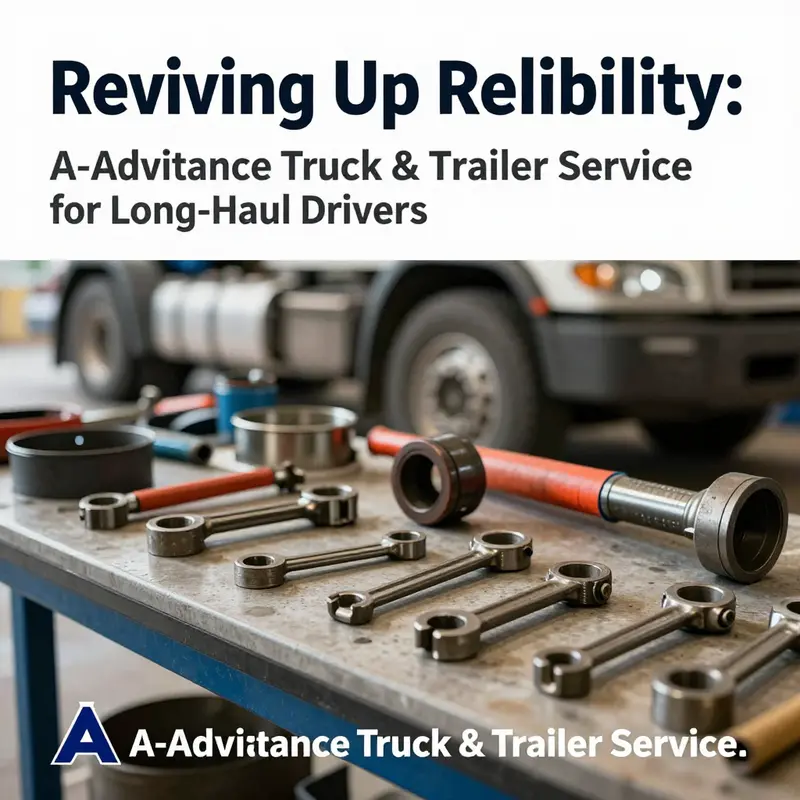
In the bustling economy of Pittsburgh, the reliability of trucks and trailers is more than a metric of efficiency; it is a lifeline that supports supply chains, service fleets, and local businesses alike. When a vehicle falters, so does the workflow, and the cost of downtime can ripple through schedules and customer commitments. Against this backdrop, A-Advantage Truck & Trailer Service positions itself not merely as a repair shop, but as a partner committed to restoring fleet confidence. The chapter that follows explores how their repair and maintenance offerings translate into tangible uptime, safer operation, and predictable performance for a broad spectrum of commercial vehicles. While the available information emphasizes the core capabilities of truck and trailer repair, the underlying principle is clear: quality workmanship and a relentless focus on customer satisfaction drive every engagement, with the ultimate aim of getting vehicles back on the road quickly and reliably.
From the moment a vehicle rolls into the service bay, a careful, methodical approach unfolds. A truck’s repair needs can touch many systems, and the best outcomes arise when technicians view the machine as an integrated whole rather than a collection of separate parts. In practice, this means a diagnostic mindset that seeks root causes rather than quick, surface-level fixes. A-Advantage’s emphasis on comprehensive repair solutions aligns with a philosophy common to successful fleets: invest in accurate diagnostics, implement precise repairs, and recheck to confirm that the original issue is resolved and not simply masked. The customer benefits are tangible—fewer repeat visits, shorter total downtime, and a clearer line of communication about what the repair entails, why it’s necessary, and how long it will take.
Quality workmanship sits at the heart of this approach. The operator’s goal is not only to fix today’s problem but to safeguard future reliability. That means attention to detail across a wide range of truck and trailer systems. Technically, this encompasses the traditional high-stakes domains of powertrain, electrical architecture, and braking, but the value of a thorough repair plan extends beyond these core areas. A well-executed repair program also considers wear patterns, fatigue life, and the alignment of components with current safety and regulatory standards. In practice, this translates into careful parts selection, controlled installation procedures, and disciplined testing after service. The result is a vehicle that not only runs but performs with consistent steadiness, reducing the risk of unexpected breakdowns on the road and on the clock.
An essential part of the service philosophy is clear, customer-centered communication. Fleets operate on schedules, and decisions must be made quickly and transparently. A-Advantage stresses that the goal is to minimize downtime while preserving long-term reliability. This balance requires straightforward assessments, honest estimates, and updates as the work progresses. For operators, this means knowing what is fixed, why it was necessary, and how the repair affects future maintenance planning. When communication is open, fleets can align their operations with maintenance windows, driver schedules, and the realities of freight demand. In that sense, repair is not a one-off event but a component of ongoing fleet management.
Equally important is access to a broad range of capabilities within a single service footprint. The facility’s capacity to handle both truck and trailer repair reduces the friction often created by outsourcing work to multiple shops. When a trailer axle, a frame issue, or a chassis component joins an ongoing repair, having skilled technicians and a coherent workflow under one roof improves coordination, speeds up turnaround, and lowers the chance of miscommunication. The integrated approach matters more in a region with varied freight needs and diverse vehicle configurations. It means that a client with a mixed fleet—perhaps long-haul tractors paired with trailers of different vintages—can rely on a single partner for consistent standards and a predictable service experience. In the end, consistency matters as much as capability.
Cost considerations also shape how repair services are delivered and priced. While the primary objective is safety and reliability, operators naturally seek value. A-Advantage’s stated emphasis on quality workmanship and customer satisfaction implies a commitment to durable repairs that reduce the frequency of follow-up visits. This approach benefits fleets not only in the short term but over the life of a vehicle’s service life. Thoughtful maintenance planning can prevent cascading issues that arise from neglected symptoms, and it can optimize parts usage by focusing on components that truly require attention. The broader message for readers is practical: dependable repair work is an investment in uptime, not merely a response to a breakdown.
The scope of repair services for trucks and trailers, while not exhaustively listed in public materials, is described as comprehensive and tailored. The emphasis appears to be on maintenance and repair solutions for a variety of commercial vehicles in the Pittsburgh area. What this suggests is a capability set that supports preventative maintenance, routine repairs, and systems-level diagnostics. Even without an explicit catalog of every service line, the implied breadth covers the keys to keeping fleets running: reliable diagnostics, precise repairs, and a service culture that prioritizes speed without compromising safety. In this context, the value proposition resonates with fleet operators who need to balance downtime, costs, and risk. The ability to return a vehicle to service promptly while maintaining high standards of safety and performance becomes a practical differentiator in a market where every mile counts.
It is also worth noting the careful stance on scope and transparency. The materials acknowledge that additional service details, such as tire repair, towing, or specialized reefer repair, are not explicitly listed. This transparency invites direct inquiry, encouraging operators to reach out for specifics and to confirm whether particular needs fall within the shop’s current capabilities. The call to action—to contact the provider for the most accurate and up-to-date information—reflects a mature, service-oriented posture. In an industry where equipment lives and dies by uptime, that openness matters as much as any technical capability. It signals a willingness to tailor the engagement to a fleet’s unique requirements and to design a repair path that aligns with operational realities.
Beyond the mechanics of repair, the narrative of A-Advantage Truck & Trailer Service in Pittsburgh centers on reliability as a service discipline. Reliability here means more than the absence of breakdowns; it means a predictable, repeatable process that fleets can plan around. It means technicians who bring discipline to every task, a workflow that minimizes guesswork, and a culture that treats downtime as a non-negotiable cost to be avoided through rigorous maintenance and timely interventions. When combined with a local presence in Pittsburgh, this reliability becomes a practical asset for regional operators who need fast, competent service with clear communication about lead times and expectations. In other words, repair becomes a strategic enabler of fleet performance, not merely a corrective chore.
For readers who want to situate these observations within a broader industry discourse, consider how uptime, maintenance discipline, and service quality intersect with the day-to-day realities of freight movement. The discussion can extend to how fleets choose partners, how they measure the value of a repair, and how maintenance strategies evolve with aging vehicles and changing regulatory requirements. The core message remains consistent: dependable repair and maintenance are foundational to safe, efficient trucking. Operators who invest in robust repair practices tend to see steadier performance, fewer disruptions, and improved predictability in their operations. That is the practical payoff of working with a shop that blends technical competence with a clear commitment to customer outcomes.
As this exploration clarifies, the precise menu of offered services may vary, and the most accurate information comes from direct contact. For readers who want a broader lens on service excellence in trucking—even beyond a single shop’s footprint—there is value in tracing how industry leaders articulate their maintenance and repair philosophies across different contexts. And for those curious about how service quality translates into real-world performance, the overarching takeaway is simple: when repair work is grounded in thorough diagnostics, durable repairs, and transparent communication, fleets stay on the road longer, with less disruption and lower risk. This is the essence of what A-Advantage Truck & Trailer Service aims to deliver in Pittsburgh: a reliable, responsive, and responsible repair partner that helps fleets navigate the rigors of daily operation with confidence.
If you seek the most current specifics on service capabilities, it is advisable to reach out directly and discuss your fleet’s particular requirements. The context provided here reflects core themes—quality workmanship, customer satisfaction, and uptime optimization—while acknowledging that service catalogs evolve. For readers who want a broader sense of how service excellence is framed in the trucking world, a related discussion on industry best practices and premium service standards offers helpful context. Exploring the Excellence of 5-Star Truck Inc.—Your Premier Trucking Solution provides a complementary perspective on how leading operators articulate a commitment to reliability and customer value.
External resource: https://www.google.com/maps/place/A-Advantage+Truck+%26+Trailer+Service/@40.395877,-79.901362,15z
null
null
Keeping the Fleet Rolling: Proactive Downtime Management at A-Advantage Truck & Trailer Service
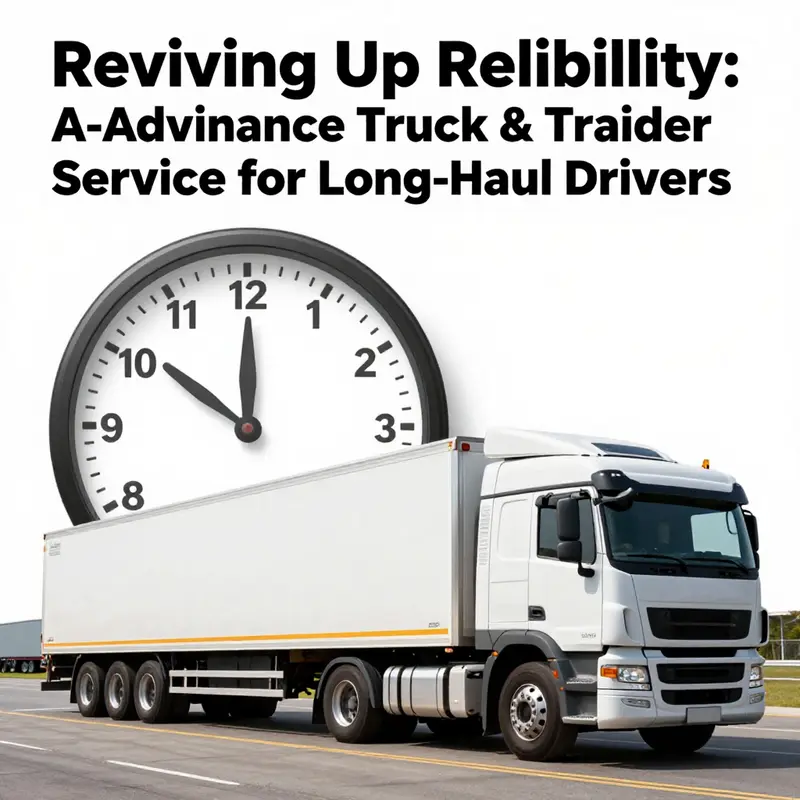
In the world of commercial trucking, downtime is more than a delay in service—it is a drain on reliability, a squeeze on margins, and a risk to customer expectations. For fleets that rely on predictable delivery windows, every hour of idleness translates into higher maintenance costs, lost opportunities, and compromised service. At A-Advantage Truck & Trailer Service in Pittsburgh, downtime management is treated as a foundational discipline. It shapes how the shop plans its day, how technicians approach repairs, and how a fleet partner communicates with operators who must keep wheels turning. The approach is not merely reactive repair; it is a holistic practice built on preventive maintenance, data-informed diagnostics, and a disciplined response that minimizes disruption to operations while preserving long term vehicle performance.
The cost of unplanned breakdowns is one of the most persuasive arguments for a robust downtime program. Fleet managers know that a single unexpected failure can cascade into missed pickups, overdue routes, and overtime labor costs. The numbers can be stark: unplanned incidents often translate into hundreds of dollars per vehicle per day when you factor in tow charges, alternate transportation, lost production time, and the administrative burden of incident recovery. It is no surprise that the most diligent operators turn to preventive maintenance as a line of defense. This is where A-Advantage steps in as more than a repair shop. The Pittsburgh facility has cultivated a maintenance culture that aligns service schedules with the realities of freight demand, equipment age, and the specific operating profile of each customer. The result is not simply fewer emergencies, but a smoother, more predictable workflow that yields reliable uptime.
Downtime management begins well before a vehicle reaches the bay. A proactive program starts with an accurate maintenance history and a clear view of upcoming service needs. For fleets, that means hard data on service intervals, component wear, and the performance of critical systems across miles and seasons. A-Advantage translates that data into a maintenance calendar customized to each operator. Rather than chasing repairs after a part fails, the team collaborates with the fleet to schedule preventive work at opportune moments, balancing demand, driver availability, and the capital expenditure of parts and labor. This approach reduces the likelihood of midcycle failures and keeps the most important systems within desired operating windows. It also demonstrates to operators that downtime is not merely a cost center but a controllable facet of fleet performance. The value emerges when preventive work is performed on time, parts are available when needed, and technicians move efficiently through the repair process with a plan rather than a sequence of improvisations.
Central to that discipline is the integration of real-time diagnostics. Modern commercial trucks carry an array of sensors and on-board controllers that monitor engine health, transmission parameters, braking systems, and electrical networks. When anomalies appear, diagnostic data can signal an impending issue before it becomes a roadside event. A-Advantage leverages this capability by connecting diagnostic insights to a rapid response protocol. If a vehicle is in route, the shop can coordinate a bring-in, arrange a loaner, or dispatch a field technician to a location, depending on the most economical and least disruptive option. The objective is to shorten the time between detection and resolution, so fleets spend less time immobilized and more time delivering goods. This is not a theoretical ideal; it is a practical workflow that blends telemetry with hands-on expertise. In practice, it means the difference between a vehicle idling at a customer site and a vehicle back on the road within the same business day.
The efficiency of downtime management also rests on the shop’s ability to keep the right parts on hand and to streamline the repair process once a vehicle enters the bay. A-Advantage stresses the importance of an organized parts strategy, built on close relationships with suppliers and an inventory that prioritizes the parts most likely to fail or accumulate wear in a given fleet’s typical duty cycle. When a truck arrives, the technicians walk into a workspace designed for clarity, with standard procedures, checklists, and a clearly mapped repair path. This reduces cognitive load for the technician, speeds up the diagnostic phase, and minimizes the number of times a vehicle sits idle waiting for a single fastener or sensor reading. The cumulative effect is a shorter, more predictable repair cycle that translates into lower downtime, faster return to service, and a more stable cost profile for the operator.
A downtime-centric mindset also emphasizes the human dimension. Skilled technicians are the backbone of any effective maintenance program, but their effectiveness multiplies when they work within a structured system that promotes consistent workmanship. A-Advantage invests in continuous training, standard operating procedures, and a culture that values clear communication with fleet managers. When drivers report a concern, the technician’s first step is to verify the symptom, correlate it with diagnostic data, and map the most efficient corrective path. Fleet managers, in turn, receive transparent updates about what is being done, why it is necessary, and how long it will take. This open line of communication reduces the anxiety that accompanies downtime and helps operators plan around service windows rather than react to a sudden outage. The net result is a more collaborative relationship where downtime is not a problem to be tolerated but a manageable variable in the broader logistics equation.
Economic discipline reinforces the operational logic of downtime management. The total cost of ownership for heavy-duty equipment depends on uptime as much as initial purchase price. When a repair is delayed or a preventive maintenance task is postponed, the risk of a cascading failure grows. The incremental cost of such delays can far exceed the price of a scheduled service, especially when yield is measured in miles per hour rather than in the downtime cost alone. A-Advantage frames downtime as a strategic asset: predictable maintenance reduces variability, which in turn stabilizes scheduling, fuel efficiency, and driver productivity. Fleets that partner with a shop that treats downtime as a controllable variable can lock in higher uptime, better route reliability, and more accurate budgeting. In an environment where margins are tight and competition is fierce, this is not simply advantageous; it is essential.
The practical alignment of preventive maintenance, diagnostic intelligence, and rapid turnarounds creates a virtuous cycle. Predictable maintenance reduces the frequency of emergency interventions, which means technicians can allocate time to more preventive work rather than chasing symptoms. The data generated by ongoing diagnostics feed back into future scheduling decisions, refining the maintenance calendar for each vehicle. Vehicles that operate in high-demand corridors or harsh seasonal conditions benefit particularly from such a feedback loop, since the cost of a single breakdown in peak season can ripple across an entire route network. A-Advantage’s approach, therefore, is not about squeezing more work out of the shop; it is about turning downtime into a reliable, calculable factor in fleet performance.
This perspective also invites a broader view of uptime beyond the repair sequence. Downtime management encompasses preventative education for drivers, proactive pre-trip inspections, and a culture of early reporting. When drivers understand what to monitor and how to report a symptom before it becomes a fault, the likelihood of a full stop in service diminishes. The shop supports this through targeted maintenance training and collaborative programs that empower drivers to be the first line of defense against avoidable downtime. The result is a shared responsibility, with both sides recognizing that uptime is a community outcome rather than a solitary fix. In Pittsburgh, A-Advantage has become a reliable partner not just because it fixes trucks quickly, but because it helps fleets design maintenance routines that anticipate challenges, align with operational demands, and protect against the unexpected.
For readers seeking broader context on how proactive maintenance and efficient service solutions can reduce vehicle downtime, a widely respected industry perspective on uptime practices is available. Unlocking Fire Apparatus Uptime: Essential Product Support Secrets.
In summary, downtime management at A-Advantage Truck & Trailer Service is a disciplined, data-informed, customer-centered practice. It integrates preventive maintenance, real-time diagnostics, and rapid workflow execution to minimize nonproductive time and protect the profitability of every mile driven. By keeping a fleet technically healthy, the Pittsburgh team helps operators meet delivery commitments, manage costs, and maintain the reliability that customers depend on in a highly competitive market. The chain from prevention to performance is tight, and the discipline is clear: plan thoroughly, diagnose precisely, respond rapidly, and communicate openly. In that chain lies not only reduced downtime but a fundamental enhancement to the way a fleet moves through the demands of modern logistics. For operators seeking a partner who treats uptime as a core value rather than a byproduct of luck, this is the kind of collaboration that turns maintenance into a strategic advantage.
External resource for broader context on uptime strategies: Fleet Maintenance offers in-depth discussion of proactive maintenance and uptime optimization strategies that complement the hands-on work of garages like A-Advantage. https://www.fleetmaintenance.com/
Final thoughts
In conclusion, A-Advantage Truck & Trailer Service represents a beacon of reliability in the trucking industry, particularly for long-haul drivers and fleet managers. With comprehensive maintenance solutions and a steadfast commitment to quality workmanship, this service is designed to meet the unique challenges of trucking life. Through effective repair services and a focus on customer satisfaction metrics, A-Advantage not only assures optimal performance but actively works to minimize downtime—keeping trucks rolling and businesses thriving. The insights shared throughout this article lay a strong foundation for understanding how to enhance your operational efficiency as a trucking professional.