
In an age where community safety is paramount, the procurement of fire apparatus has emerged as a pivotal undertaking for fire departments everywhere. Fire apparatus procurement is more than just a purchasing process; it is a collaborative effort that brings together various stakeholders, including firefighters, department leaders, and community members, to ensure the right tools are selected for the job.
As fire departments face increasing operational demands and budget constraints, the importance of a well-organized procurement committee cannot be overstated. These committees not only facilitate the purchase of essential fire trucks but also foster long-term relationships between departments and manufacturers, laying the groundwork for shared ownership and ongoing support.
In this article, we will delve into best practices for fire truck purchasing, emphasizing the critical role of community involvement and cross-functional collaboration, and how these elements collectively contribute to the enhanced effectiveness of fire services.
Key Challenges in Fire Truck Procurement
- Budget Constraints: Fire departments often face strict budget limitations that can restrict their ability to procure the necessary fire apparatus.
- Understanding Operational Needs: There can be a disconnect between the specific operational necessities of firefighters and what is available, leading to under-utilized or inappropriate equipment.
- Community Safety vs. Cost: Balancing community safety requirements with budget considerations can be challenging, as higher safety standards often correlate with increased costs.
- Long Lead Times: Delivery times for custom fire trucks can be lengthy, impacting operational readiness and emergency response capabilities.
- Cross-Functional Collaboration: Ensuring input from various stakeholders, including department staff and community representatives, can be difficult during the procurement process.
- Vendor Reliability: Identifying dependable manufacturers and suppliers who can meet the department’s needs and maintain quality can be a significant challenge.
- Training and Support: Ensuring that firefighters are adequately trained to operate new equipment and that ongoing support is available from manufacturers can often be overlooked.
- Public Engagement: Engaging the community in the procurement process is essential for transparency and acceptance, yet often not prioritized.
- Regulatory Compliance: Keeping abreast of evolving safety standards and regulations can complicate the procurement process, leading to potential delays or additional costs.
Best Practices for Establishing an Effective Fire Truck Procurement Committee
-
Inclusivity in Committee Formation
- Involve diverse stakeholders, including firefighters, department leaders, community representatives, and technical experts. This inclusivity fosters a range of perspectives and promotes ownership among those who will be using the apparatus.
-
Foster Cross-Functional Collaboration
- Encourage collaboration across different ranks and specialties within the fire department. This may include operations, maintenance, and training officers, ensuring that all voices are heard in the decision-making process.
-
Community Engagement and Transparency
- Engage the community by inviting feedback and conducting public forums. Transparency in the procurement process builds trust and support from the local residents, who ultimately benefit from the fire apparatus.
-
Establish Clear Objectives and Priorities
- Outline the specific goals of the procurement committee, such as safety, cost-effectiveness, and equipment suitability for community needs. Establish priorities that guide the selection of fire trucks based on current and future operational requirements.
-
Long-term Fleet Planning
- Adopt a forward-thinking approach by considering the lifespan and future needs of the fleet. This ensures that purchases are not only effective now but will also serve the department well down the line.
-
Education and Training for Stakeholders
- Prioritize education for committee members about procurement practices and equipment standards. This knowledge empowers them to make informed decisions and enhances firefighter ownership of the process.
-
Implementation of Feedback Mechanisms
- Create processes for ongoing feedback from firefighters and stakeholders on the performance of newly acquired apparatus. This helps to continuously refine the procurement strategy and address any issues that arise post-purchase.
-
Regular Assessment of Procurement Processes
- Conduct periodic reviews of the procurement process to identify areas for improvement. Keeping the process adaptable to changing needs and technologies ensures efficiency and efficacy.
Stakeholder Quotes on Fire Truck Procurement
To emphasize the critical role of collaboration and community buy-in in the fire truck procurement process, several stakeholders have expressed insightful perspectives:
-
Mike Harstad, Government Sales Specialist at Rosenbauer, notes the transition towards cooperative purchasing:
“More and more of the fire truck purchasing market has shifted to cooperative purchasing.”
This shift reflects the growing recognition of collaborative efforts to enhance procurement efficiency.
-
Crosby Grindle, a strategic leader for Sourcewell’s public safety market, highlights the benefits, stating:
“Cooperative purchasing is like mutual aid for your procurement process.”
This analogy captures the essence of teamwork and shared objectives in acquiring fire apparatus.
-
Fred Cureton, National Contracts Manager of REV Fire Group, shares positive feedback from departments, saying:
“For those customers who have changed to Sourcewell from other contracts, or become new Sourcewell members, we find their experience to be very positive and they embrace the solutions within the Sourcewell contract.”
This emphasizes stakeholder satisfaction through collaboration.
-
Zach Rudy, Director of Sales and Marketing at Sutphen, reiterates this sentiment:
“Sutphen’s customers have expressed great satisfaction with Sourcewell’s ease-of-use and competitive cooperative purchasing rates.”
This demonstrates that community and supplier alignment contributes to successful transactions.
-
Jeff Johnson, Executive Director of the Western Fire Chiefs Association, states,
“We really wanted a great home for the FireRescue GPO program… Working with such a large agency saves fire chiefs and vendors the trouble of working elsewhere.”
This underscores the collaborative spirit fostered by community involvement.
These quotes accentuate the significance of collaboration and community buy-in, reinforcing the idea that a unified approach not only streamlines the procurement process but also enhances the effectiveness of fire services.
| Committee Structure | Number of Members | Diverse Representation | Roles of Members |
|---|---|---|---|
| Lexington County Fire Service | 7 | Firefighters, leaders, community | Decision-making, feedback, support |
| City X Fire Department | 5 | Community leaders, technical experts | Evaluate bids, performance review |
| County Y Fire District | 6 | Cross-departmental representatives | Budgets, standards compliance |
| Town Z Fire Brigade | 4 | Senior officers, support staff | Procurement planning, vendor relations |
| Urban Fire Task Force | 8 | Wide-ranging community members | Advocacy, transparency, oversight |
The Impact of Community Support in Fire Apparatus Procurement
Community support plays a crucial role in fire apparatus procurement, significantly influencing the decisions made by fire departments. When local residents engage in the procurement process, it ensures that their voices and concerns are heard, leading to equipment choices that better reflect the needs of the community.
Public engagement enhances transparency and builds trust between fire departments and the community they serve. When citizens feel involved, they are more likely to support necessary funding initiatives, whether through taxes or other means, to acquire vital fire apparatus. This active participation fosters a shared responsibility for community safety, as residents understand the challenges and requirements of local fire services.
Moreover, involving community members in discussions about fire truck specifications leads to a more thorough understanding of the operational needs of the department. Feedback from the public can inform decisions on features or technologies that provide better safety and efficiency during emergencies.
The collaborative nature of community support also strengthens relationships within the department. Firefighters and community members working together can create a sense of ownership and pride in the apparatus purchased. This shared commitment not only enhances the operational effectiveness of fire services but also ensures that the equipment acquired is well-maintained and utilized to its fullest potential.
In conclusion, the significance of community support in fire apparatus procurement cannot be underestimated. The greater the public engagement, the more likely the fire department will secure equipment that enhances both public safety and operational readiness. Departments that actively seek community involvement will likely navigate budget constraints and service demands more effectively, creating a safer environment for all.
In conclusion, effective fire truck procurement hinges on a collaborative and inclusive approach that actively engages both internal and external stakeholders. This article has highlighted the essential role of diverse procurement committees, which unite firefighters, department leaders, and community representatives to ensure that the needs and preferences of all parties are recognized and addressed. By adopting best practices such as fostering cross-functional collaboration, engaging the community, and focusing on long-term fleet planning, fire departments can enhance both transparency and trust within the procurement process. Encouraging departments to implement these strategies not only leads to better-equipped fire services but also strengthens community relationships.
As noted by M. Kyle Minick, a pivotal stakeholder, “When the community is part of the process, they are not just recipients of fire service, they become partners in creating a safer environment for everyone.” This reflects the sentiment that community involvement transforms procurement into a collective mission rather than a transactional task. Ultimately, prioritizing collaboration and inclusivity in fire apparatus procurement is not just about acquiring the right equipment; it is about building a resilient and responsive fire service that meets the evolving needs of the community it serves. Together, let us champion these best practices to ensure that our fire departments are equipped for the challenges ahead.

The Importance of User Adoption in Fire Truck Procurement
User adoption in fire truck procurement has been shown to significantly benefit from inclusive and collaborative practices within procurement committees. By engaging diverse stakeholders such as firefighters, financial officers, and local government representatives, fire departments can achieve well-rounded decisions that cater closely to their operational needs. Studies reveal that an optimal committee size—around 4.4 members—strikes a balance between inclusivity and decision-making efficiency, ensuring that significant input does not overwhelm the process. Furthermore, commitment from committee members is evident, with nearly 27% of evaluation scoring taking place outside regular work hours, emphasizing the dedication to appropriately managing procurement efforts.
Another valuable insight comes from the increasing adoption of cooperative procurement models. These partnerships enable departments to leverage economies of scale, reducing overall costs while ensuring compliance and quality through standardized contracts. Cooperative purchasing has become particularly beneficial for smaller fire departments, which may lack dedicated procurement resources.
Additionally, conducting thorough community needs assessments is critical in informing procurement strategies. These assessments help identify gaps in current capabilities and operational requirements, ensuring that new fire apparatus acquisition aligns with community safety expectations and readiness needs. When local voices are incorporated into the procurement discussions, the chosen equipment is more likely to serve effectively, enhancing both operational readiness and community trust in their fire service.
In conclusion, boosting user adoption through diverse stakeholder engagement and cooperative strategies not only results in better-suited fire apparatus but also fosters stronger community relationships, ensuring that fire departments are well-prepared for contemporary challenges.
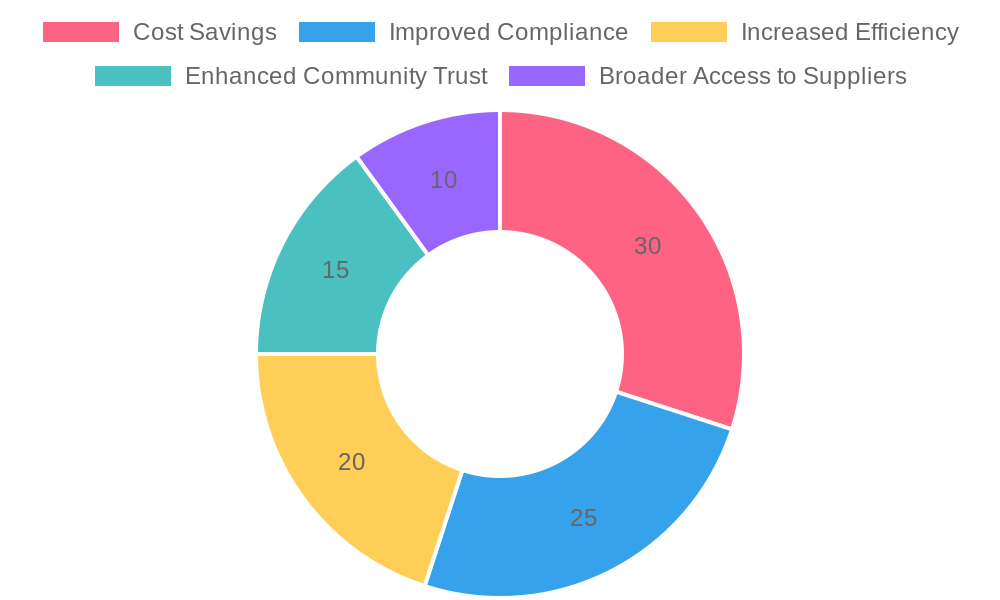
A doughnut chart illustrating the benefits of cooperative purchasing models in fire truck procurement, showcasing data on cost savings, improved compliance, increased efficiency, enhanced community trust, and broader access to suppliers.
Community involvement in procurement processes is vital for fostering transparency, accountability, and ensuring that procurement decisions align with the specific needs and values of the community. Engaging local stakeholders not only enhances trust but also contributes to economic development and social equity.
-
Strengthening Local Economies
Prioritizing local suppliers and vendors in procurement decisions injects resources directly into the community, stimulating economic activity and job creation. This approach fosters economic independence and resilience, as thriving local businesses are more likely to reinvest in the community, creating a cycle of prosperity.
Angel Harvest -
Enhancing Transparency and Accountability
Transparent procurement processes that involve community members at each step—from initial bidding to project completion—build trust and ensure that resources are allocated effectively and ethically. Clear communication about project objectives, open bidding processes, and regular updates on project progress are essential components of this transparency.
Angel Harvest -
Promoting Social Equity and Inclusivity
Community procurement can be a powerful tool for promoting inclusivity by ensuring that underrepresented groups have access to corporate opportunities. By choosing to work with businesses owned by minority groups, women, and other marginalized communities, organizations can help close economic gaps and create opportunities for these groups, contributing to a more equitable economy.
Angel Harvest -
Encouraging Sustainable Practices
Engaging local suppliers often leads to more sustainable procurement practices. Local businesses may prioritize eco-friendly materials and fair labor practices, aligning procurement decisions with community values and environmental goals. This focus on sustainability contributes to a more resilient and environmentally conscious community.
Angel Harvest -
Building Stronger Community Relationships
Involving community members in procurement decisions fosters a sense of ownership and partnership. This collaborative approach ensures that procurement activities reflect the community’s needs and priorities, leading to more successful and accepted projects. Regular communication and stakeholder engagement are key to building these strong relationships.
Harbinger Land Blog
In summary, community involvement in procurement processes is essential for creating transparent, equitable, and sustainable outcomes that benefit both the community and the organizations involved.
In an age where community safety is paramount, the procurement of fire apparatus has emerged as a pivotal undertaking for fire departments everywhere. Fire apparatus procurement is more than just a purchasing process; it is a collaborative effort that brings together various stakeholders, including firefighters, department leaders, and community members, to ensure the right tools are selected for the job. As fire departments face increasing operational demands and budget constraints, the importance of a well-organized procurement committee cannot be overstated. These committees not only facilitate the purchase of essential fire trucks but also foster long-term relationships between departments and manufacturers, laying the groundwork for shared ownership and ongoing support.
Key Challenges in Fire Truck Procurement
- Budget Constraints: Fire department budgets often face strict limitations, significantly impacting their ability to procure the necessary fire apparatus. Personnel costs can consume the majority of these budgets, leading to challenges in equipment maintenance and replacement. For example, some departments allocate substantial portions of their budgets for salaries, leaving limited funds for essential purchases. (source: Firehouse)
- Understanding Operational Needs: A disconnect between the operational necessities of firefighters and the available equipment can lead to inappropriate applications of the resources. Community involvement can help bridge this gap.
- Community Safety vs. Cost: Balancing community safety requirements with budget considerations can be challenging, as higher safety standards often correlate with increased costs.
- Long Lead Times: The fire truck purchasing process can experience delays due to production backlogs, making timely procurement vital for operational readiness.
- Cross-Functional Collaboration: Ensuring input from various stakeholders, including department staff and community representatives, is essential yet challenging.
Best Practices for Establishing an Effective Fire Truck Procurement Committee
- Inclusivity in Committee Formation
Involve diverse stakeholders, including firefighters, department leaders, community representatives, and technical experts. This inclusivity fosters a range of perspectives and promotes ownership among those who will be using the apparatus. - Foster Cross-Functional Collaboration
Encourage collaboration across different ranks and specialties within the fire department, ensuring that all voices are heard in the decision-making process. - Community Engagement and Transparency
Engage the community by inviting feedback and conducting public forums to build trust and gather input on the procurement process. - Establish Clear Objectives and Priorities
Clearly outline goals regarding safety, cost-effectiveness, and equipment suitability to guide the selection of fire trucks based on current and future operational needs. - Long-term Fleet Planning
Adopt a strategic approach by considering the lifespan and future needs of the fleet, ensuring purchases serve the department well over time. - Education and Training for Stakeholders
Prioritize education for committee members about procurement practices, empowering them to make informed decisions. - Implementation of Feedback Mechanisms
Create processes for ongoing feedback from firefighters and stakeholders post-purchase to refine the procurement strategies. - Regular Assessment of Procurement Processes
Conduct periodic reviews of procurement processes to adapt to changing needs and technologies, ensuring efficiency and efficacy.
The Impact of Community Support in Fire Apparatus Procurement
Community support plays a crucial role in fire apparatus procurement, significantly influencing decisions made by fire departments. When local residents engage in the procurement process, it ensures that their voices and concerns are heard, leading to equipment choices that better reflect community needs. Active participation fosters shared responsibility for community safety.
Moreover, community engagement improves transparency, enabling departments to secure necessary funding initiatives. It cultivates relationships within the community, enhancing operational effectiveness and ensuring that acquired apparatus is well-maintained.
In conclusion, the importance of sufficient budget allocations in fire apparatus procurement cannot be underestimated. Adequate funding ensures operational readiness, safety, and effective emergency responses. Departments that actively seek community involvement will likely navigate budget constraints and service demands more effectively, creating a safer environment for all.