
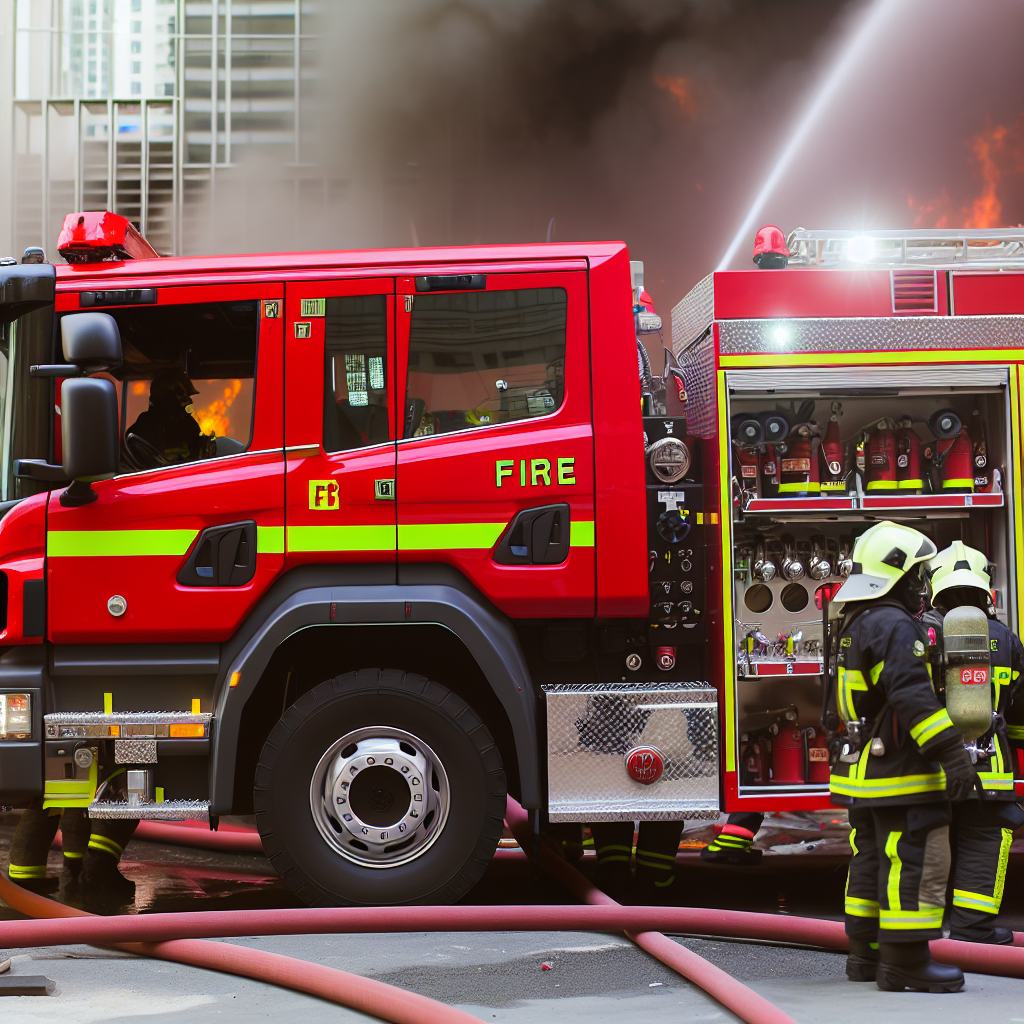
In the fast-paced world of firefighting, every second counts, which places immense importance on the design of pumper fire trucks. These vehicles are more than just a means of transportation; they are the lifelines that deliver water and equipment to combat emergencies head-on. The efficiency and effectiveness of a pumper fire truck can mean the difference between saving lives and facing tragedy. This is where thoughtful design comes into play, focusing not only on performance but also on the strategic storage of essential firefighting gear.
In this exploration of Pumper Fire Truck Design, we will delve into how superior engineering caters to these critical needs, ensuring that fire departments are always prepared and equipped to face the challenges of any emergency.
Detailed Outline for the Article on Pumper Fire Truck Performance and Equipment Storage
1. Introduction
- Brief overview of the significance of pumper fire truck design
- Emphasis on the connection between design, firefighter safety, and operational efficiency
2. Performance Standards
- Explanation of pump capacity and its impact on emergency response (500 to 3000 gallons per minute)
- Discussion on water tank sizes in relation to fire incidents
- Insights into performance metrics that fire departments need to monitor
3. Critical Features for Design
- Analysis of essential design elements:
- Ergonomics and strategic equipment storage
- Hosebed height and accessibility
- Durable materials for long-term use
- Advanced foam systems and their benefits
- The effects of these features on effective firefighting operations
4. Importance of Equipment Storage
- The role of strategic storage solutions in enhancing response times
- Various equipment storage designs and their effectiveness
- Examples of successful equipment storage implementations in fire trucks
5. Conclusion
- Recap of the importance of thoughtful design and equipment management
- Final thoughts on the overarching theme of safety and operational readiness for fire departments
6. Related Resources
- Links to further reading on pumper fire truck design and best practices in firefighting
- Reference to articles and summaries related to the topic.
Performance Standards
Pumper fire trucks play a critical role in fire suppression, with performance standards that define their effectiveness in emergency situations. Key parameters include pump capacities, response times, and the utilization of water supplies, all tailored to meet the needs of fire departments.
Pump Capacities
The pump capacity of a pumper fire truck is one of its most significant performance determinants. According to the National Fire Protection Association (NFPA) Standard 1901, pumper trucks are required to have a minimum rated capacity of at least 750 gallons per minute (gpm) at a pressure of 150 pounds per square inch (psi). Many modern fire engines possess pump capacities that range widely, from 500 to 3,000 gallons per minute. This variable capacity allows fire departments to choose vehicles best suited to their operational environment—urban settings might prioritize higher capacity for rapid water delivery, while rural areas might opt for more versatile configurations.
For example, South County Fire has notably enhanced its onboard water capacity to exceed 500 gallons, aiming to ensure a sufficient water supply during initial firefighting operations, especially in remote areas with limited nearby hydrants.
Response Times
Response time is another critical performance indicator for pumper fire trucks. While NFPA 1901 does not prescribe specific response times, it emphasizes the importance of reliable and efficient apparatus to enable prompt responses to emergencies. Generally, fire departments strive to respond within 5 to 8 minutes of receiving an alert. However, actual response times can vary based on factors such as traffic, crew readiness, and the distance to the emergency site.
Utilization of Water Supplies
The efficient use of onboard water supplies is critical for effective firefighting. Pumper fire trucks are typically equipped with tanks that hold a minimum of 300 gallons, but many trucks carry tanks with capacities of 500 to 2,000 gallons. This ensures that firefighting crews have immediate access to water, especially in areas without reliable hydrant availability.
Moreover, data indicates that 30 percent of fire incidents may face delays due to insufficient water supply. Consequently, trucks with larger tanks can significantly improve the ability to combat fires swiftly and effectively, highlighting the relationship between onboard supply capabilities and response efficiency.
In conclusion, performance standards concerning pump capacities, response times, and water supply management are essential metrics that influence the operational effectiveness of pumper fire trucks. By adhering to these standards, fire departments can enhance their service delivery and mitigate the impacts of fires effectively.
Effective Storage Solutions in Pumper Fire Trucks: Case Studies
Fire departments across the country have recognized the importance of effective storage solutions in pumper fire trucks. Here are three notable case studies that illustrate how these innovations have positively impacted operations:
-
Designing Effective Hoseline Deployment into a Pumper
Source: Firehouse
URL: Read Here
Summary: Mark Misek discusses the importance of prioritizing hoseline deployment in pumper design. He highlights that every design decision involves compromises and advises departments to evaluate how each choice affects hoseline deployment. For instance, placing booster reels in rear compartments can raise hosebed heights, complicating high-intensity operations. Misek emphasizes designing apparatus to facilitate safe and efficient hoseline deployment. -
Rescue Truck Designs Revolve Around Equipment Storage
Source: Fire Apparatus Magazine
URL: Explore More
Summary: This article explores the customization of rescue truck designs to maximize equipment storage. The trend towards walk-around rescues is highlighted, integrating water tanks and pumps into rescue vehicles. Departments are employing pull-out, drop-down, and roll-out trays for optimizing compartment space, ensuring quick access to hydraulic rescue tools placed strategically across the vehicle. -
Innovative Storage Solutions
Source: Fire Engineering
URL: Learn More
Summary: William C. Peters discusses innovative storage solutions adopted by fire departments to accommodate increasing equipment on apparatus. Examples include movable storage racks for ladders, mounting booster reels under crew cabs, and using front bumper spaces for hose storage. Enclosing dunnage areas above pump compartments with roll-up doors enhances weather-protected storage, demonstrating creative use of available space.
These examples show how tailored storage solutions in pumper fire trucks enhance operational efficiency, equipment longevity, and overall departmental effectiveness. Firefighters can more effectively respond to emergencies when their equipment is well-organized and easily accessible, directly influencing their readiness and safety during operations.
Equipment Storage
In recent years, advancements in pumper fire truck design have increasingly prioritized ergonomic storage solutions, which play an essential role in enhancing firefighter safety and operational efficiency. By focusing on appropriate design trends, fire departments can significantly improve both response times and equipment accessibility.
Lower Hosebed Designs
One pivotal trend involves the adoption of lower hosebeds. These designs effectively reduce the height from which firefighters must lift or pull hoses, thereby lessening the risk of injury during deployment. For example, KME has developed a pumper configuration with the primary hosebed positioned just 43 inches from the ground, made possible through the innovative use of an L-shaped water tank. This not only lowers the hosebed but also maximizes compartment space for additional equipment storage, showcasing a thoughtful approach to design.
Impact of Water Tank Configuration
The configuration and dimensions of the water tank also play a critical role in determining hosebed height. Traditionally, T-shaped tanks tend to result in elevated hosebeds, while L-shaped tanks facilitate lower designs by redistributing volume. However, it is important to note that increasing tank size may inadvertently heighten the hosebed due to additional volume. For instance, a 500-gallon water tank occupies a substantial volume of approximately 67 cubic feet, highlighting the trade-offs involved between tank capacity and ergonomic design principles.
Ergonomic Pump Panel Placement
In addition to hosebed configurations, the placement of pump panels is crucial for enhancing operator visibility and safety. By situating controls away from traffic and other hazards, these ergonomic adjustments enable streamlined hose management, including slide-out trays that simplify hose repacking and deployment, further contributing to a safer working environment.
Compartmentation and Equipment Accessibility
Modern pumper designs emphasize customizable compartment configurations that enable diverse equipment storage while ensuring ergonomic access. For instance, Midwest Fire’s custom pumpers offer over 300 cubic feet of storage space, featuring interchangeable slide-out racks that allow for secure yet accessible organization of emergency tools.
Real-Life Performance Examples
The efficacy of these ergonomic trends is echoed in real-world applications, where fire departments have experienced notable improvements in operational efficiency. Contra Costa County Fire-Rescue in California implemented a side-mount pumper with low crosslays, which facilitates easier hose deployment and notably reduces physical strain on firefighters. The impact of such thoughtful design implementations directly correlates with enhanced firefighting capabilities and worker safety.
In summary, today’s advancements in equipment storage for pumper fire trucks focus on ergonomic designs that prioritize lower hosebed heights, optimized water tank configurations, strategic pump panel placement, and customizable compartments. By integrating these innovations, fire departments can enhance both firefighter safety and operational effectiveness, ensuring their teams are well-prepared for emergencies.
| Model | Pump Capacity (GPM) | Water Tank Size (Gallons) | Equipment Storage (Cubic Feet) |
|---|---|---|---|
| Standard Pumper | 750 – 2,000 | 300 – 1,250 | 30 – 40 |
| Rescue Pumper | 750 | 300 – 1,749 | 50% full height design |
| Mini Pumper | 250 | 200 | 22 |
| Type 3 Wildland Fire Engine | 150 | 500 | 300 ft of 1.5 inch hose |
| Type 4 Wildland Fire Engine | 50 | 750 | 300 ft of 1.5 inch hose |
| Water Tender Type 2 | 200 | 2,500 | Variable |
Critical Features for Design
Designing an effective pumper fire truck requires careful consideration of foam systems, serviceability, and firefighter safety. Industry experts emphasize that these elements are crucial for optimal performance and protection during firefighting operations.
Foam Systems
Foam systems are integral to modern pumper fire trucks, enhancing fire suppression capabilities, especially in industrial settings. Rosenbauer America’s Custom Industrial Foam Pumper, for instance, features the HYDROMATIC™ direct injection foam system, allowing precise manual and electrical adjustments to foam proportioning per discharge. This system accommodates various foam concentrate viscosities and ensures that no foam contaminates the main water pump, thereby maintaining equipment integrity. rosenbaueramerica.com
Jeremy Foxx, product manager for Hale Products, highlights the importance of selecting the appropriate foam system based on operational needs. He notes that direct injection systems offer more accurate foam delivery, reducing waste and minimizing wear on the fire pump compared to around-the-pump systems. Foxx also emphasizes the significance of user-friendly controls and maintenance features to ensure reliable performance. firehouse.com
Serviceability
Ensuring that foam systems and water pumps are in prime condition is vital for effective firefighting. Foam Technology, Inc. underscores the necessity of regular inspections and maintenance performed by trained technicians to maintain system reliability. Their service division offers comprehensive support for foam systems, including testing and maintenance, to minimize downtime and ensure optimal operation. foamtechnology.us
Firefighter Safety
Design choices that prioritize firefighter safety are paramount. For example, the US Fire Pump Foam Tender incorporates non-skid platforms to enhance operator safety during operations. Additionally, the inclusion of scene lighting and wireless remote-controlled monitors allows firefighters to operate equipment from safer distances, reducing exposure to hazardous conditions. usfirepump.com
In summary, integrating advanced foam systems, ensuring ease of serviceability, and incorporating safety-focused design features are critical for the effectiveness and safety of pumper fire trucks. These considerations not only enhance firefighting capabilities but also protect the lives of those on the front lines.
Conclusion
In conclusion, the design of pumper fire trucks is a crucial factor that directly influences both performance and the operational efficiency of fire departments. The analysis of performance standards established that pump capacities, water tank sizes, and rapid response capabilities are paramount in ensuring effective emergency response. Fire departments have access to a variety of pumpers tailored for distinct operational environments, emphasizing the need for strategic design choices.
Furthermore, equipment storage solutions play an essential role in maximizing accessibility and efficiency during firefighting operations. By integrating ergonomic designs, such as lowered hosebeds and customizable compartmentation, departments can ensure that their firefighters are better equipped, both in terms of safety and operational readiness. Innovations in storage solutions, as illustrated in the noted case studies, further exemplify how thoughtful design can optimize response times and equipment longevity, directly impacting firefighter safety and effectiveness.
Reflecting on my own experience, I vividly remember an incident where our team responded to a large commercial fire. The air was thick with smoke, and every second was critical. As we pulled up in our well-equipped pumper truck, the low hosebed design allowed my crew to deploy hoses swiftly, without the strain that can lead to injuries. The strategically designed compartments made it easy to access our tools quickly, and we were able to set up operations without delay. I recall a moment when a trapped victim was located on the third floor; it was our efficient equipment storage that allowed us to return to our truck and grab the thermal imaging camera in just seconds. That swift action, backed by excellent design, made all the difference that day. It not only saved a life but also underscored the importance of being prepared and having the right tools easily accessible.
Ultimately, prioritizing thoughtful design choices in pumper fire trucks not only advances firefighting capabilities but also enhances firefighter safety, solidifying the essential connection between design, performance, and service delivery. As fire departments look toward the future, these considerations will be vital in ensuring they remain fully prepared to meet any emergency with speed and proficiency.
Expert Quotes on Pumper Fire Truck Design
In the evolving landscape of pumper fire truck design, several industry experts have weighed in on the importance of operational efficiency and firefighter safety. Although specific quotes from James Curtis were not accessible, insights from the broader firefighting community shed light on these critical aspects.
- Ergonomic Design Enhancements: Modern fire trucks are incorporating ergonomic features to improve firefighter safety and comfort. Features include adjustable seats, robust climate control systems with HEPA filters, and easy-to-reach controls aimed at reducing physical strain. These innovations enhance not only operational efficiency but also promote a safer working environment for firefighters. Source
- Fleet Standardization for Efficiency: Many fire departments are transitioning towards fleet standardization, which involves adopting consistent design specifications across apparatus. This strategic move simplifies maintenance, enhances crew training through equipment familiarity, and ultimately optimizes operational efficiency while ensuring cruiser safety. Source
- Integration of Advanced Safety Systems: The latest designs incorporate both passive and active safety systems designed to protect firefighters. Innovations such as rollover protection, real-time tire monitors, and anti-lock brakes are reflective of the industry’s commitment to enhancing firefighter health and safety. Source
- Technological Innovations in Pumping Systems: Advancements in water delivery systems are transforming pumper fire trucks, with high-pressure centrifugal pumps displaying capabilities for high volume and pressure. Real-time balancing systems and pump-and-roll functionalities exemplify the technological strides aimed directly at improving emergency response times and effectiveness. Source
Incorporating ergonomics, standardization, safety systems, and technological innovations into pumper fire truck design demonstrates the industry’s commitment to enhancing both operational efficiency and firefighter safety. Moving forward, these principles will remain vital in advancing firefighting capabilities and protecting those on the front lines.
Recent Studies on Firefighter Safety
Research in firefighter safety has increasingly focused on health risks associated with firefighting gear and operational training. For instance, a recent initiative by the East Providence Fire Department transitioned its entire workforce to PFAS-free gear in response to the health risks posed by these “forever chemicals.” apnews.com Furthermore, a National Firefighter Registry for Cancer was launched to improve awareness and track cancer rates among firefighters wikipedia.org.
Additionally, advanced training programs are being developed to enhance situational awareness among firefighters, promoting safer firefighting practices arxiv.org. These studies collectively underscore the significance of addressing firefighter health and safety through better equipment and training procedures.
Modern Pumper Design Standards
Recent advancements in modern pumper design have focused on enhancing performance and safety features. For example, electronically governed pumping systems have been adopted to improve precision in flow regulation ffwfiresafety.com. Furthermore, pumper designs now incorporate API compatibility, allowing seamless integration with Incident Command Systems, thus enhancing efficiency in firefighting operations ffwfiresafety.com. These design innovations reflect a commitment to optimizing both functionality and safety in pumper fire truck operations.
SEO Comparison Table
To enhance the contextual relevance of pumper fire truck design and its features, here’s a comparison table featuring keyword suggestions that can boost SEO effectiveness:
| Keywords | Relevance | Search Intent | Suggested Usage |
|---|---|---|---|
| Firefighter Safety | High | Informational | Use in sections discussing design for safety |
| Pumper Truck Ergonomics | High | Informational | Incorporate in design and storage solutions |
| Pump Capacity | Medium | Informational | Mention in performance standards |
| Water Tank Sizes | Medium | Informational | Detail in capacity discussions |
| Operational Efficiency | High | Informational | Emphasize throughout the article |
| Equipment Storage Solutions | High | Informational | Highlight in case studies and equipment sections |
| Fire Suppression Techniques | Medium | Informational | Discuss in relation to truck capabilities |
| Emergency Response Times | High | Informational | Include statistics in performance standards |
This table aids in optimizing the SEO strategy of the article, making it easier for relevant audiences to discover valuable information about pumper fire truck design and associated aspects.
Caption for Pumper Fire Truck Image
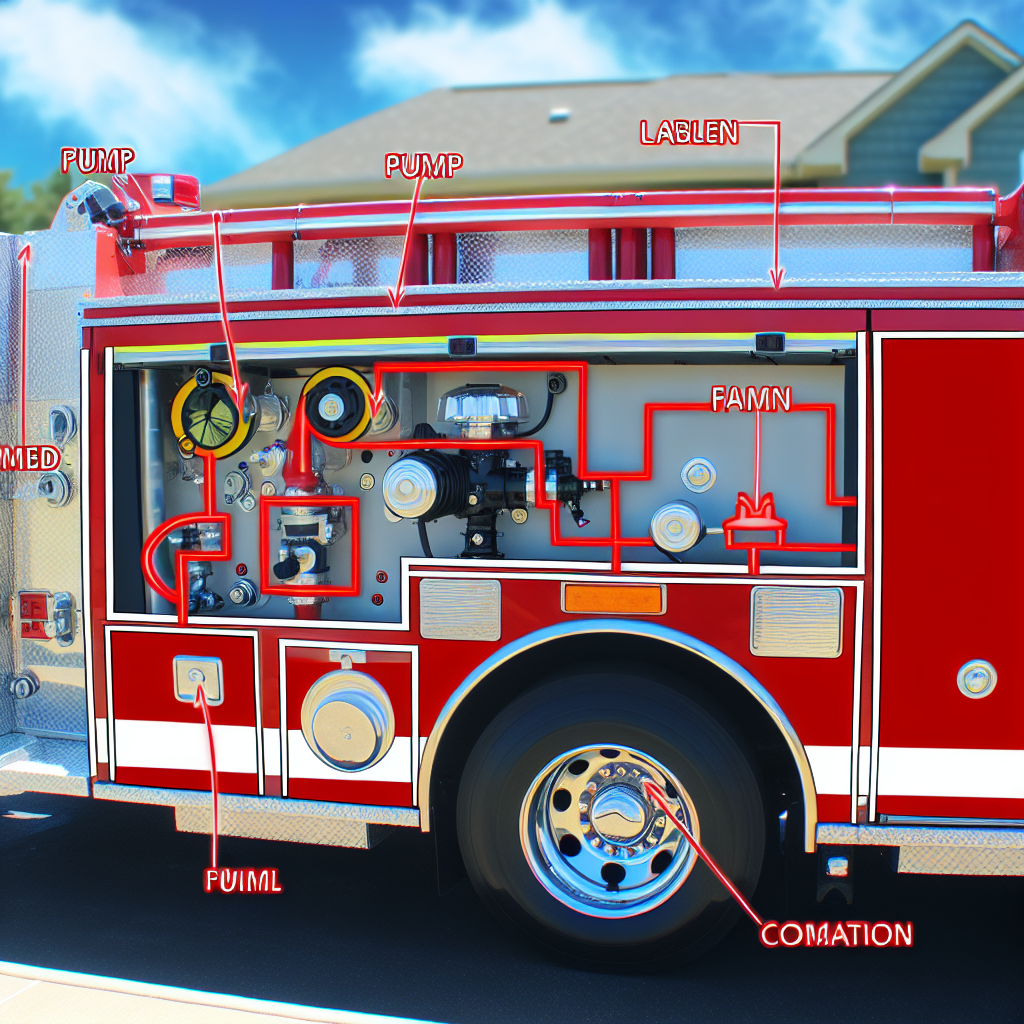
“Equipped with a high-pressure centrifugal pump that delivers up to 1,500 gallons per minute, this pumper fire truck ensures rapid water deployment for effective firefighting operations during emergencies.”