
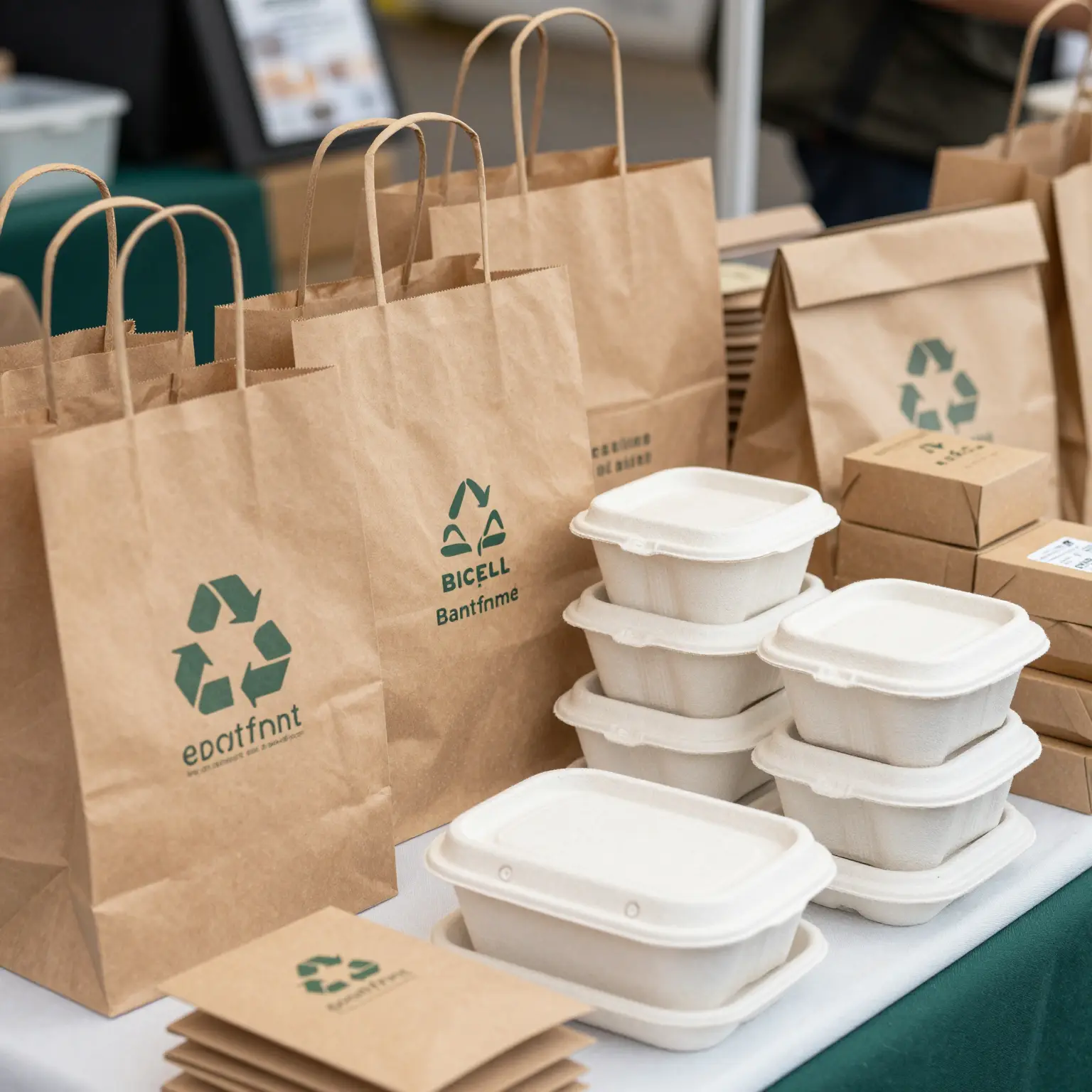
In today’s world, the environmental impact of plastic containers cannot be overstated. From polluting our oceans to contributing to landfill waste, the use of plastic packaging is a major contributor to the global plastic crisis. Each year, millions of tons of plastic waste end up in our water systems, degrading marine life and leading to serious ecological issues. As awareness around these consequences grows, so does the urgent need for businesses-especially those in the food and beverage industry like bubble tea shops, restaurants, and catering services-to reconsider their packaging choices.
Fortunately, moving towards eco-friendly alternatives has never been more accessible or beneficial. By investing in sustainable packaging solutions, businesses can significantly reduce their carbon footprint while appealing to an environmentally conscious consumer base. Eco-friendly practices such as using biodegradable containers and paper packaging not only help in mitigating the environmental crisis but also enhance a brand’s reputation. Consumers are increasingly seeking out businesses that prioritize sustainability, making this shift not just an ethical choice but also a savvy business strategy.
For those looking to transition away from plastic, options like paper bags, paper boxes, and other eco-friendly packaging alternatives are readily available and can be tailored to meet specific needs. Embracing these changes not only contributes to a healthier planet but also positions your business at the forefront of a vital movement-one that values sustainability without compromising quality.
Alternative Sustainable Food Packaging Options
As we strive to reduce plastic usage in food packaging, various sustainable alternatives have emerged, providing effective solutions for restaurants, food trucks, and catering services. Here’s a friendly overview of some fantastic options:
1. Biodegradable Containers
Biodegradable containers are made from materials that can decompose naturally over time. Common options include:
- PLA (Polylactic Acid): Derived from cornstarch, these containers break down in industrial composting facilities and can handle a range of food types.
- Bagasse: Made from sugarcane pulp, it offers excellent heat resistance and is perfect for hot food.
Benefits:
- Environmentally Friendly: Reduces landfill waste by decomposing naturally.
- Renewable Resources: Sourced from plants, reducing dependence on fossil fuels.
2. Reusable Packaging
Reusable packaging includes containers that can be washed and used multiple times, ideal for take-out meals or beverage services.
- Glass Jars and Bottles: An elegant solution for beverages or sauces.
- Stainless Steel Containers: Durable and ideal for food storage.
Benefits:
- Cost-Effective: Saves money in the long run due to repeated usage.
- Minimizes Waste: Significantly cuts down on single-use packaging waste.
3. Paper-based Packaging
Paper and cardboard packaging are excellent alternatives, suitable for dry foods like sandwiches and pastries.
- Uncoated Paper Boxes: Fully recyclable and compostable.
- Kraft Paper Bags: Strong and biodegradable, great for carrying groceries and snacks.
Benefits:
- 100% Recyclable: Can be processed back into paper products.
- Customizable: Easy to print with branding and designs for marketing.
4. Edible Packaging
Innovative and fun, edible packaging is made from natural ingredients (like seaweed) that can be consumed along with the food.
Benefits:
- Zero Waste: Eliminates packaging waste altogether.
- Unique Marketing: Captivates eco-conscious consumers with innovative offerings.
Conclusion
Switching to these sustainable alternatives not only helps reduce environmental impact but can also enhance customer loyalty by aligning with ethical values. If you’re looking for specific packaging solutions for your business, check out our paper packaging options to find suitable products that match your needs!

Comparison Table of Non-Plastic Food Packaging Materials
| Material | Average Cost (per unit) | Durability | Eco-Friendliness |
|---|---|---|---|
| Paper | $0.05 – $0.10 | Moderate | Biodegradable, renewable resource |
| Bamboo | $0.10 – $0.15 | High | Highly sustainable, quick to regenerate |
| Glass | $0.50 – $1.00 | Very High | Recyclable, but energy-intensive production |
| Metal | $0.30 – $0.60 | Very High | Highly recyclable, but resource-intensive to produce |
- Paper: Cost-effective and widely recyclable but requires more energy and water to produce. Ideal for dry foods.
- Bamboo: Strong and moisture-resistant, making it ideal for various food applications. It’s more expensive but offers excellent durability and environmental benefits compared to paper.
- Glass: Excellent for chemical inertness and food preservation. It’s heavy and has high production energy requirements but is indefinitely recyclable.
- Metal: Extremely durable and offers great barrier properties but holds a significant carbon footprint in production.
These materials provide sustainable alternatives to plastic containers, making them ideal for businesses aiming to reduce their environmental footprint. For options in paper packaging, check out our paper packaging offerings and explore a variety of paper products available for your needs.
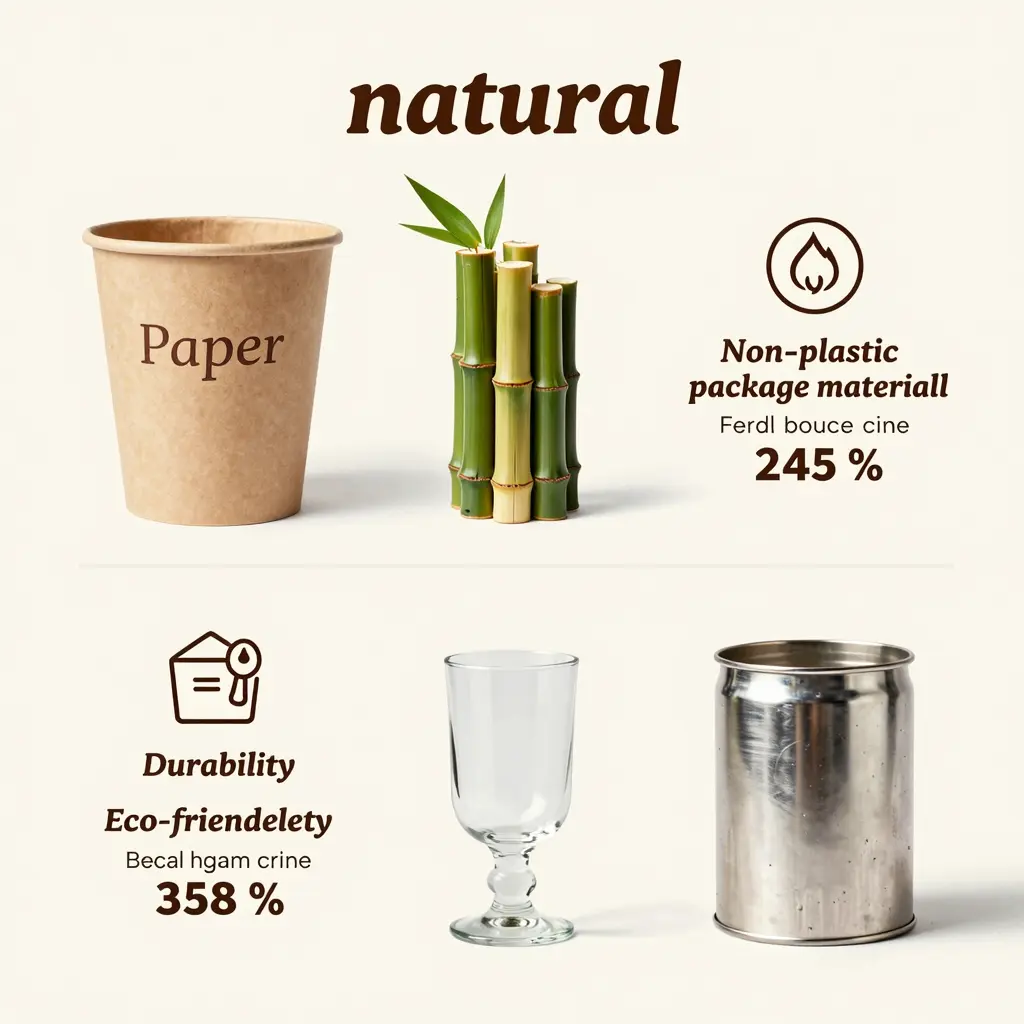
Engaging imagery emphasizes the benefits of each material, enhancing creative presentations for potential customers looking to switch to sustainable packaging solutions.
Growing Trends in Sustainable Packaging in the Food Industry
As concerns about climate change and plastic waste intensify, consumer adoption of sustainable packaging in the food industry has been on the rise. Research indicates a notable shift in consumer preferences, driven by a blend of awareness, regulations, and marketplace innovation.
Key Statistics and Trends
- Market Growth: The global sustainable packaging market reached $329.51 billion in 2023, reflecting consistent growth from previous years. This growth is substantiated by an annual growth rate of 6.7%. Regions such as North America and Europe are leading the charge due to stricter regulations on packaging materials.
- Consumer Willingness to Pay: Approximately 70% of consumers report they are inclined to pay a premium for products with sustainable packaging. In the food sector, this sentiment is even stronger, with over 60% of customers preferring brands that utilize eco-friendly packaging solutions.
- Material Preferences: Biodegradable materials, particularly compostable PLA and bagasse, are experiencing increased adoption. More businesses are also turning to paper-based solutions, which constitute nearly 30% of new packaging designs. These materials are being recognized as effective alternatives to conventional plastics.
- Demand for Transparency: Consumers increasingly favor transparent packaging that provides detailed product and sustainability information. Innovations like QR codes for easy access to product-related data have become popular, fostering trust and enhancing customer experience.
Industry Adoption
Despite growing consumer support, the pace of adoption varies considerably across different food service sectors. High-end restaurants and premium dining outlets are leading the transition towards sustainable solutions, while budget-conscious establishments often continue relying on traditional plastic due to cost concerns. Regulatory changes, particularly within the European Union, are also influencing how companies re-design their packaging to comply with new sustainability mandates.
Conclusion
The upward trajectory of sustainable packaging adoption in the food industry not only aligns with consumer preferences but also with global sustainability goals. For businesses in the food sector-including bubble tea shops, restaurants, and food trucks-considering eco-friendly packaging solutions can be a strategic move towards meeting customer expectations and fulfilling regulatory requirements. To explore sustainable packaging options, check out our offerings.
For a visual representation of the market trends, see the chart below.

Challenges of Switching from Plastic to Alternatives
Transitioning from plastic to non-plastic food containers certainly has its share of challenges, especially for businesses like bubble tea shops and catering services that rely on reliable, effective packaging. Here are some of the common hurdles and practical solutions to help navigate this switch:
Common Challenges
- Higher Production Costs
Switching to sustainable alternatives can bump up production costs as eco-friendly materials, such as compostable films or recycled content, are generally more expensive than traditional plastic.
- Solution: To mitigate these costs, consider bulk purchasing options or partnering with suppliers that offer competitive pricing for sustainable materials. Not only will this reduce the overall expenditure, but it also helps build a stronger brand image.
- Limited Supply Chain Availability
Many businesses struggle with sourcing reliable eco-materials due to a lack of availability in the market.
- Solution: Engage with multiple suppliers and manufacturers to expand your options. Consider local suppliers who may not only cut down on shipping costs but also help support the community.
- Meeting Product Protection Requirements
Ensuring that the packaging meets necessary shelf-life and product protection standards is crucial and often tricky when switching to non-plastic alternatives.
- Solution: Collaborate with companies specializing in sustainable packaging technology (like cofe-cup’s packaging solutions) that can help meet these requirements effectively without compromising sustainability.
- Consumer Confusion and Acceptability
Transitioning can confuse consumers, especially when terms like ‘home-compostable’ versus ‘industrial-compostable’ are involved.
- Solution: Educate your customers through clear communication about the benefits and proper disposal methods associated with your new packaging. Providing visual guides or even interactive classes can enhance their understanding and acceptance.
- Regulatory Compliance Issues
Navigating through various standards and regulations can be overwhelming. Each area may have different rules regarding eco-friendly packaging.
- Solution: Stay informed by consulting with compliance experts or using platforms like Cofe Cup that provide resources tailored to businesses looking to switch to compliant non-plastic materials.
Conclusion
Though there are noticeable challenges when transitioning to non-plastic food containers, understanding these aspects and preparing for them can make the process smoother. By leveraging bulk buying, local suppliers, and consumer education, businesses can successfully overcome these hurdles while also promoting sustainability. The long-term benefits include not just financial savings but also a stronger, eco-friendly brand image that resonates with an increasingly conscious consumer base.
These practical strategies can empower restaurants, food trucks, catering teams, and more, to embrace the green revolution confidently.
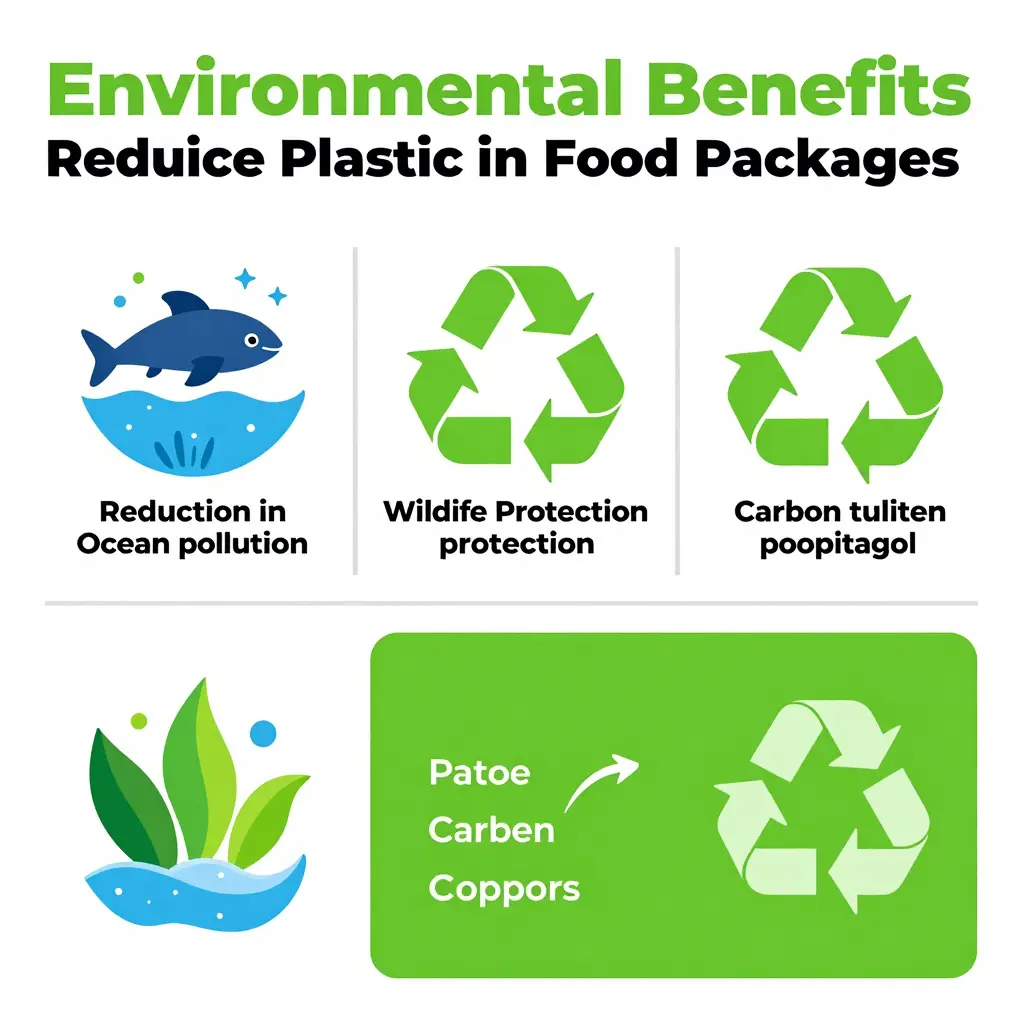
Environmental Benefits of Reducing Plastic in Food Packaging
- Reduction in Ocean Pollution: Reducing single-use plastics significantly decreases the amount of plastic waste that enters oceans, protecting marine life.
- Wildlife Protection: By minimizing plastic usage, we can protect various species that are endangered by plastic ingestion and habitat disruption.
- Lower Carbon Footprint: Less plastic manufacturing leads to reduced carbon emissions in production and transportation.
This infographic visually represents the importance of transitioning to more sustainable packaging solutions in our food industry, relevant for stakeholders like bubble tea shops, restaurants, and catering services. For more insights on sustainable packaging options, check our range of paper packaging solutions and disposable tableware.
Customer Testimonial: Eco-Friendly Success
“Since transitioning to eco-friendly packaging with Victory Paper Packaging, we’ve seen a remarkable increase in customer satisfaction-up by 30%! Not only do our customers love the premium feel of our biodegradable packaging, but they also appreciate our commitment to sustainability. The switch has not only strengthened our brand image but also reduced our carbon footprint by 40%. With standardized packaging templates, we’ve streamlined our design and production processes, cutting time by 50%. It’s been a win-win for us and our customers!”
This testimonial underscores the positive impact that eco-friendly packaging can have not only on the environment but also on a company’s operations and customer satisfaction. For businesses in the food and beverage industry, making the switch to sustainable packaging can open up similar avenues for enhancing brand loyalty and operational efficiency. Explore more about your packaging options and find the right fit for your needs.
Conclusion: Partner for Sustainable Solutions
In summary, as businesses like bubble tea shops, restaurants, food trucks, and catering services navigate the challenge of providing food without plastic containers, it’s crucial to recognize the importance of eco-friendly disposable tableware. By choosing reliable partners for your packaging needs, you can not only reduce your environmental footprint but also align your brand with consumer preferences.
Here are the key takeaways:
- Consumer Preference: A whopping 78% of consumers now prefer eco-friendly packaging when ordering food, and 63% are willing to pay up to 10% more for meals served in compostable or recyclable containers. This trend shows that integrating sustainability can enhance customer loyalty and attract new clientele.
- Brand Image: Switching to sustainable packaging not just fulfills environmental regulations but significantly enhances your brand image. By adopting eco-friendly options, your business communicates a commitment to sustainability, resonating with conscientious consumers and enhancing your reputation.
- Operational Benefits: Using biodegradable materials can help in reducing garbage disposal costs and compliance burdens related to growing bans on single-use plastics globally. Products like sugarcane bagasse and recycled paper options are both robust and environmentally friendly, serving the needs of various food services.
By partnering with suppliers that focus on sustainable products, such as those found on Cofe-Cup’s disposable tableware page, you take a significant step towards a greener business model. Not only do you meet compliance requirements, but you also cater to the growing base of environmentally conscious customers.
This is your chance to not just be a part of the solution but to lead the way in responsible business practices. So, let’s make a change today and ensure our food services contribute to a healthier planet. For all your packaging needs, explore Cofe-Cup’s eco-friendly packaging solutions and join the movement towards sustainable food service.
Projected Market Growth of Eco-Friendly Packaging
The eco-friendly packaging market in the food industry is experiencing rapid growth, fueled by increasing consumer demand for sustainable practices. Below is a projected line chart illustrating the expected market size from 2023 to 2028:

| Year | Market Size (USD Billion) |
|---|---|
| 2023 | 230 |
| 2024 | 238 |
| 2025 | 245 |
| 2026 | 245 |
| 2027 | 260 |
| 2028 | 280 |
This chart indicates a clear upward trend, which shows that by 2028, the market is expected to reach an estimated size of 280 billion USD. This positive outlook is supported by the consumer shift toward sustainable alternatives in food packaging and industry regulations promoting eco-friendly solutions.
For businesses in the food industry, adapting to this trend not only meets consumer preferences but also aligns with evolving regulations. Explore our paper packaging options for sustainable solutions that can help you transition away from plastic on your menu.
Frequently Asked Questions (FAQs) About Buying Food Not in Plastic Containers
1. Why should I avoid plastic containers for food?
Plastic containers can leach harmful chemicals into food, especially when they are heated or worn down. Chemicals such as BPA and phthalates are known to disrupt endocrine functions and have been linked to various health issues. It’s better to opt for safer alternatives like glass, stainless steel, or biodegradable containers.
2. What are the best alternatives to plastic food containers?
Some popular alternatives include:
- Glass Containers: These do not leach chemicals and can be reused multiple times.
- Stainless Steel: Ideal for hot foods and liquids, these containers are durable and long-lasting.
- Biodegradable Containers: Made from plant materials, these can decompose over time and are better for the environment.
- Paper Packaging: Recycled or sustainably sourced paper can also serve as an eco-friendly option for food storage.
3. How can I find food packaged without plastic?
Look for local businesses that prioritize sustainable packaging. Stores that offer fresh produce, bulk items, or specialty food items often use alternatives to plastic containers. You can also explore online options that focus on eco-friendly packaging solutions.
4. Are there any specific health benefits of switching from plastic?
Yes! Switching from plastic can:
- Reduce exposure to harmful chemicals.
- Support better nutrition as many eco-friendly containers support storing a wider variety of foods at optimal freshness.
- Encourage the use of more whole, fresh foods that often do not come in plastic packaging.
5. How do I ensure the alternative materials are safe for food storage?
Always check for certifications or standards indicating that materials are food safe. For instance, glass, stainless steel, and certain paper products should have relevant food-safe designs or certifications. Looking for products that are BPA-free and certified biodegradable is also essential.
6. Where can I purchase food packaging alternatives?
You can explore various online retailers like Cofe Cup’s packaging section which includes numerous eco-friendly options. Local stores focused on sustainable goods or specific sections of larger supermarkets may also offer a variety of alternative packaging products like paper bags and containers.
7. Can I use my existing plastic containers safely?
Not all plastic containers are created equal. If you choose to use plastic, ensure they are marked as safe for food use and are free from harmful chemicals (look for recycling symbols 1, 2, 4, and 5). Avoid using older containers that might have degraded or been exposed to heat.
8. How does switching to alternative packaging impact the environment?
Switching to alternatives can significantly reduce plastic waste and help decrease pollution levels. Many biodegradable materials break down naturally, thereby reducing landfill overflow and harmful microplastics in our oceans. Additionally, eco-friendly packaging often utilizes sustainable practices which are better for the environment overall.

These FAQs aim to provide insightful answers for those looking to transition away from plastic food packaging, particularly in sectors like restaurants, food trucks, and catering services. By choosing more sustainable options, you contribute to a healthier planet for future generations.