

In the dynamic landscape of emergency response, the Prince George’s County Fire/EMS Department stands at the forefront of heavy rescue operations, tackling complex challenges with unwavering resolve. As the demands of rescue missions evolve, the need for advanced solutions becomes increasingly apparent. Enter the heavy-duty rescue apparatus—essential tools designed not only to enhance operational effectiveness but to safeguard lives. This innovative equipment is a testament to the department’s commitment to adopting cutting-edge techniques in their demanding operations.
With a focus on operational consistency and design excellence, the department is not just responding to emergencies; they are setting new standards in rescue methodology. Join us as we delve into the world of heavy-duty rescue apparatus and uncover the transformative approaches that are reshaping rescue operations in Prince George’s County.
The Importance of Operational Consistency in Rescue Operations
Operational consistency is essential for effective rescue operations by the Prince George’s County Fire/EMS Department. It shapes how quickly and effectively teams can respond to emergencies. By standardizing processes and protocols, the department enhances its readiness.
In 2024, Rescue Squad No.820 responded to over 1,800 incidents. This highlights the department’s active commitment to community safety. Standardization of tools and practices builds efficiency. It ensures teams can operate reliably in high-stress environments.
Here are the main benefits of standardization in rescue operations:
- Enhanced Efficiency and Reduced Response Times: With standardized processes, teams can adapt quickly to rescue scenarios. Each member understands their role, reducing delays during critical moments.
- Improved Communication and Coordination: Following uniform protocols allows all responders to work under the same guidelines. This consistency fosters better communication, which is crucial during complex emergencies.
- Minimized Errors and Enhanced Patient Safety: Applying standardized protocols consistently reduces medical errors. For example, clear guidelines for drug preparation enhance patient safety.
- Streamlined Workflows and Increased Productivity: Standardization creates consistent workflows. This boosts productivity and reduces the time needed for new members to adjust, maximizing overall efficiency.
- Financial Savings and Resource Optimization: Maintaining a standardized inventory can lead to savings. It improves resource allocation and minimizes maintenance downtime.
- Compliance with Regulatory Standards: Standard procedures ensure adherence to regulations, building operational transparency and community trust.
- Improved Staff Satisfaction and Retention: Familiarity with equipment increases staff confidence and job satisfaction. This is vital in the high-pressure environment of rescue scenarios.
In conclusion, the role of operational consistency in rescue operations cannot be underestimated. The Prince George’s County Fire/EMS Department’s standardization enhances their ability to deliver effective care and ultimately saves lives, fostering trust within the community.
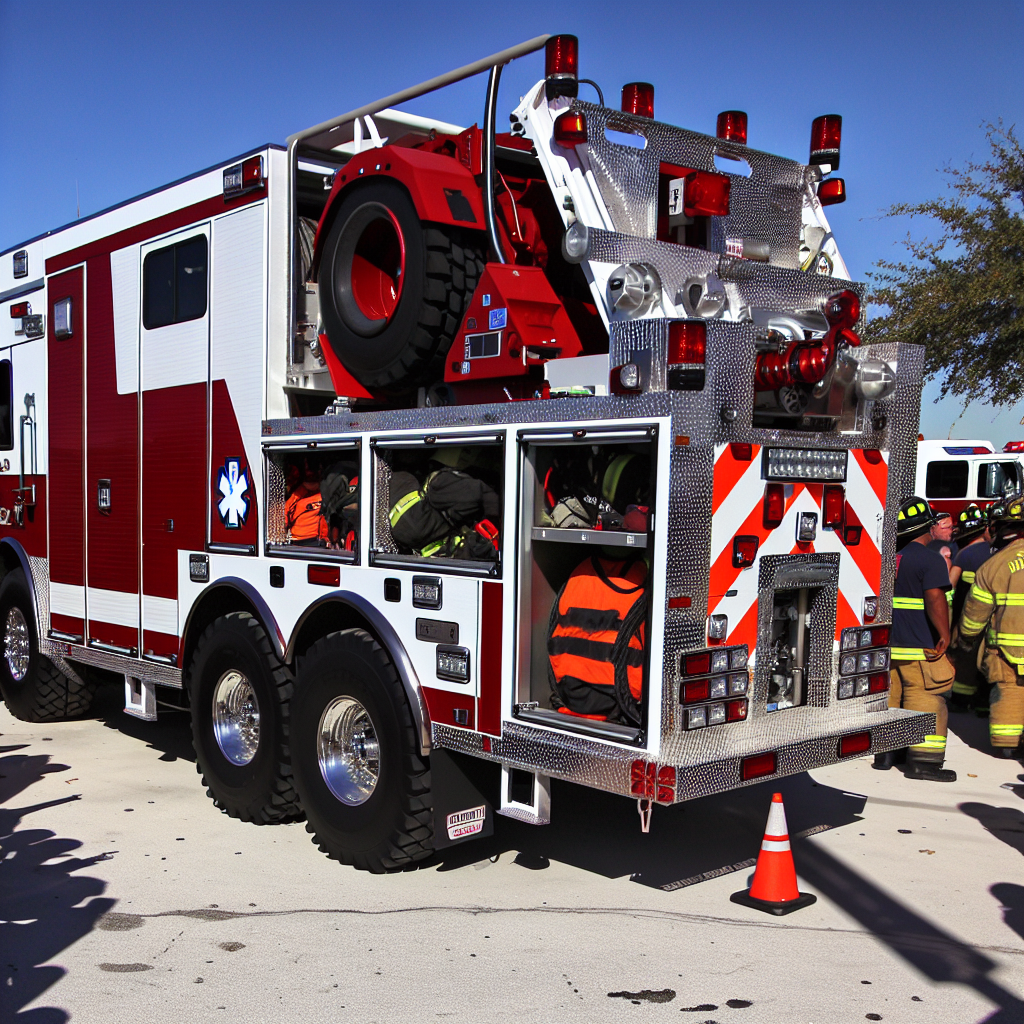
“The traditional walk-in compartment design has proven its effectiveness over decades of rescue operations. For our department, protecting critical equipment combined with the ability to carry more crew made it the right choice.”
This statement underscores the importance of design and functionality in rescue tools, showing how equipment arrangements contribute to effective operations.
“Start by evaluating manufacturers’ capabilities and past projects, then involve both engineers and frontline firefighters early in the specification process. Working with Pierce Manufacturing meant we were able to tailor our apparatus to match equipment needs, safety goals and real-world response demands.”
Engaging with manufacturers early ensures that the equipment meets firefighters’ needs, enhancing their effectiveness in high-pressure scenarios.
| Feature | Apparatus 1 | Apparatus 2 | Apparatus 3 |
|---|---|---|---|
| Winch Capacity | 15,000 pounds | 12,000 pounds | 20,000 pounds |
| Compartment Design | Traditional walk-in | Side-mounted | Modular design |
| Additional Equipment | Life vests, rescue ropes | Hydraulic tools, air bags | Thermal imaging cameras |
| Overall Length | 30 feet | 28 feet | 32 feet |
| Weight | 40,000 pounds | 38,000 pounds | 45,000 pounds |
| Crew Capacity | 6 | 4 | 8 |
Adoption Trends:
- Increased Formation of Heavy Rescue Units: Many fire departments are establishing heavy rescue units to manage diverse emergencies. This shift is influenced by factors like natural disasters and the formation of Urban Search and Rescue Teams. For example, the U.S. Air Force has introduced 29 four-wheel-drive heavy rescues for air bases and additional units for forward operations. Source
- Fleet Standardization: Standardizing emergency vehicles has proven beneficial. The Prince George’s County Fire/EMS Department, for instance, partnered with Pierce Manufacturing to develop a standardized fleet, resulting in improved mechanical consistency, reduced repair times, and enhanced crew efficiency. Source Source
Effectiveness and User Satisfaction:
- Operational Efficiency: Standardized fleets streamline training and maintenance, leading to quicker response times. The Prince George’s County Fire/EMS Department’s Rescue Squad No.820 responded to over 1,800 emergencies in 2024, demonstrating the effectiveness of their standardized heavy rescue apparatus. Source
- Enhanced Safety Features: Modern heavy rescue vehicles incorporate advanced safety technologies such as automatic emergency braking, electronic stability control, and collision avoidance systems. These features help minimize driver errors and improve overall safety during operations. Source
- Health-Centric Design: To protect firefighters from contaminants, new apparatus designs include non-porous materials, antimicrobial seating, and external compartments for contaminated gear. These initiatives aim to reduce exposure to harmful substances and promote firefighter health. Source
In summary, the adoption of heavy rescue technologies in fire and EMS departments has enhanced their ability to respond effectively to complex emergencies. Standardization, advanced safety features, and health-focused designs contribute to the effectiveness of these apparatus and high user satisfaction.
The Role of Manufacturers in Customizing and Standardizing Rescue Apparatus
Manufacturers like Pierce Manufacturing play a vital role in customizing and standardizing rescue apparatus to meet the diverse needs of fire departments. They collaborate closely with these departments to create tailored solutions that enhance operational capabilities and ensure the safety of both rescuers and the individuals they assist. Richard Riley emphasizes the importance of involving essential departments early in the specification process, ensuring that their specific needs and requirements are met.
Customizing Rescue Apparatus
Manufacturers offer a range of customization options to tailor fire apparatus to the unique demands of each fire department. This includes selecting chassis types, engine configurations, pump capacities, and storage solutions. For instance, Pierce’s “Build My Pierce” program allows departments to design fully-engineered, custom trucks with various chassis and configurations, ensuring that the apparatus meets specific operational needs.
Standardizing for Consistency
Standardization is crucial as it ensures consistency across a department’s fleet, facilitating easier training, maintenance, and interoperability during emergencies. Manufacturers assist in developing standardized designs that can be replicated across multiple units, balancing customization with uniformity.
Collaborative Processes
The development of rescue apparatus is a collaborative effort between manufacturers and fire departments. Departments provide detailed specifications based on their operational requirements, and manufacturers work to design and build apparatus that meet these needs. This partnership ensures that the final product is both functional and reliable.
Key Considerations for Departments
When selecting rescue apparatus, fire departments should consider the following:
- Operational Needs: Assess specific challenges within the community, such as urban density and emergency scenarios.
- Customization vs. Standardization: Find a balance between unique features and consistent designs.
- Budget Constraints: Evaluate financial resources for cost-effective decisions without sacrificing essential features.
- Manufacturer Collaboration: Engage with manufacturers early to leverage their expertise in smart design.
- Training and Maintenance: Consider ease of training personnel and the availability of maintenance support for long-term operational readiness.
By carefully considering these factors and working closely with manufacturers, fire departments can acquire rescue apparatus that effectively serve their communities while ensuring safety and efficiency.
Conclusion: The Benefits of Standardizing Heavy-Duty Rescue Apparatus
In the world of fire and EMS operations, the standardization of heavy-duty rescue apparatus serves as a cornerstone for enhancing rescue equipment safety, efficiency, and adaptability during emergency responses. By establishing uniform protocols and equipment across the fleet, departments like Prince George’s County Fire/EMS are equipped to tackle the unpredictable nature of rescue missions effectively.
- Safety Enhancements: Standardizing equipment ensures that all personnel are trained in utilizing the same machinery and tools. This familiarity reduces the risk of errors during high-stress situations, ultimately protecting the lives of both rescuers and victims. The integration of modern safety features further amplifies this protective measure.
- Operational Efficiency: Standardized procedures streamline training processes and minimize maintenance challenges. When equipment is uniform, it allows for faster repairs and replacements, resulting in quick turnaround times during emergencies. This efficiency is notably evident, as demonstrated by Rescue Squad No.820’s impressive response rates in 2024.
- Adaptability to Diverse Scenarios: A standardized approach not only maximizes operational preparedness but also promotes adaptability. Fire and EMS teams can rapidly adjust to various rescue operations without the added complexity of varying equipment. By ensuring that all teams share the same standards in apparatus, departments can respond to emergencies with a coordinated, unified strategy.
In essence, the ongoing commitment to standardizing heavy-duty rescue apparatus and focusing on emergency response efficiency is crucial in developing a modern, effective emergency response framework. It fosters confidence among firefighters, enhances teamwork, and ultimately prepares them better to safeguard communities. As they move forward, the continued evolution of these standards will play an essential role in shaping the future of rescue operations, reaffirming that every second counts in emergencies.
In March 2007, a striking incident unfolded on the Capital Beltway when Prince George’s County Fire/EMS’s Rescue Squad 47 was dispatched to a vehicle accident. As the squad navigated the chaotic scene, tragedy struck when their heavy-duty rescue apparatus was rear-ended by an 18-wheeler. The collision resulted in the squad vehicle overturning, leaving four firefighters trapped inside, requiring arduous efforts for their extrication—a process that lasted over 30 minutes.
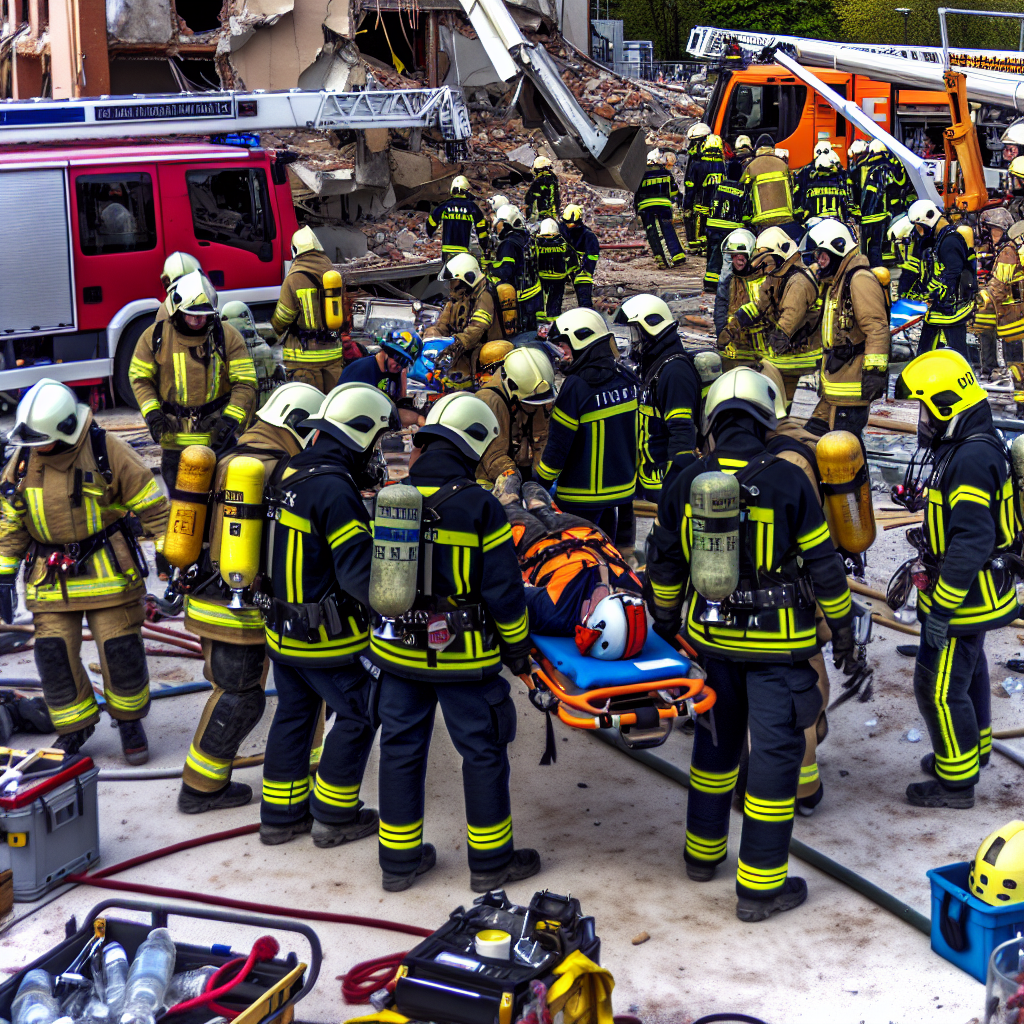
Amidst the adrenaline-fueled urgency, the crew exemplified the principles of operational consistency and training that they had honed over years. Each team member performed their designated role with clarity and composure, exemplifying the standard protocols that had been firmly established within their department. As the heavy chassis of their rescue apparatus provided stability even while overturned, it became a lifeline, as crews employed hydraulic tools and rescue techniques honed through countless training sessions.
The emotional toll of such incidents cannot be overstated. The stress was palpable as rescuers worked tirelessly, their training kicking in to support not only each other but also the comfort of their injured colleagues. The successful resolution of this incident, despite the challenges posed, underlined how the heavy-duty rescue apparatus is not just a piece of machinery but a crucial element that enhances the safety and effectiveness of rescue efforts.
This scenario serves as a powerful reminder that behind every piece of equipment, there are lives at stake—both of the responders and the victims they aim to save. The commitment to standardization within the Prince George’s County Fire/EMS Department has established protocols to ensure that when seconds count, their teams are prepared to face the challenges head-on, transforming chaos into organized rescue efforts. Such preparedness reflects not only their operational capabilities but also their dedication to the community they serve.
Summary of Key Benefits of Standardizing Heavy-Duty Rescue Apparatus
| Key Benefit | Description |
|---|---|
| Safety Enhancements | Reduces errors in critical situations by ensuring all personnel are trained on the same equipment. |
| Operational Efficiency | Streamlined training and maintenance processes due to uniform equipment lead to quicker response times. |
| Adaptability to Diverse Scenarios | Facilitates rapid adjustment to various rescue operations, promoting teamwork and confirming a unified strategy. |
| Improved Communication | Standard protocols enhance communication and coordination during complex emergencies. |
| Cost-Effectiveness | Standardized inventory helps optimize resource allocation, minimizing unnecessary costs and maintenance downtime. |
This table summarizes the critical advantages discussed throughout the article, illustrating how standardization enhances performance and safety for the Prince George’s County Fire/EMS Department.