
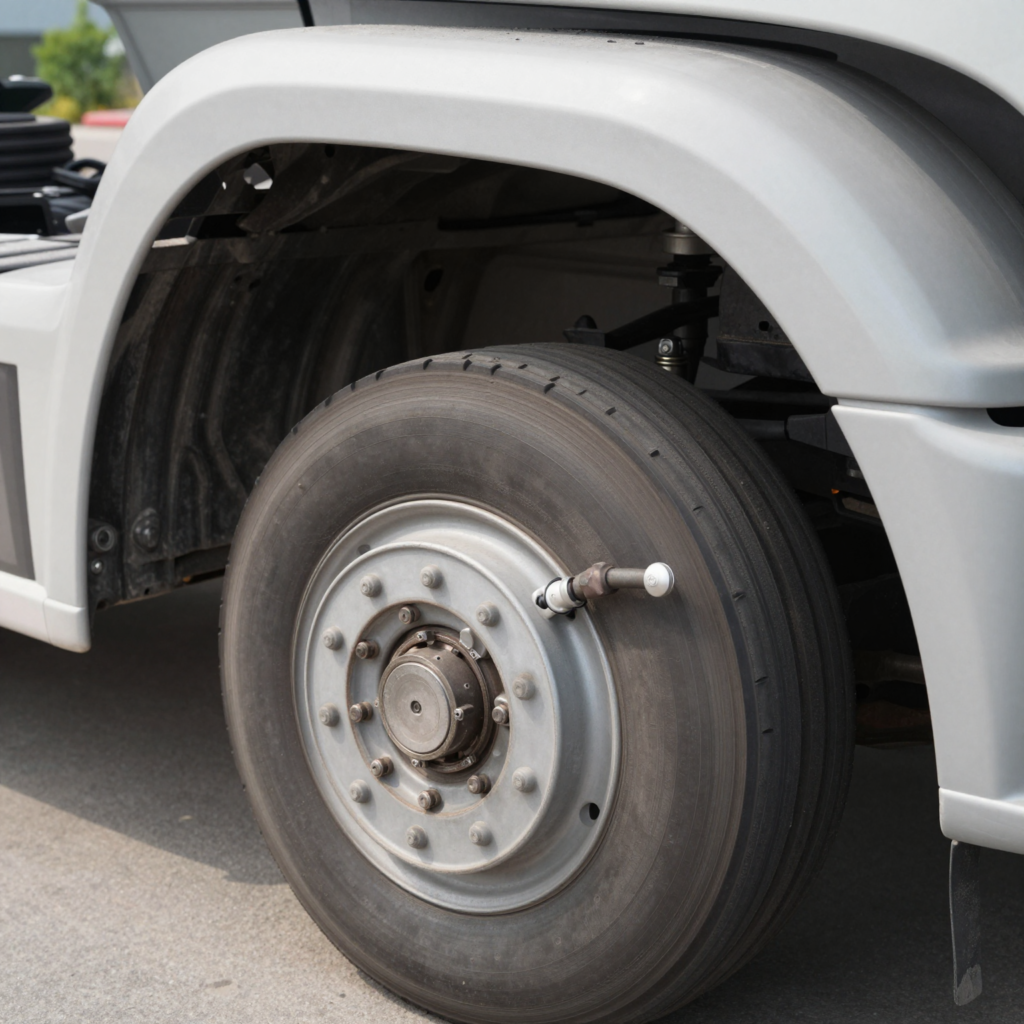
When it comes to the safety and performance of trucks, service brakes play a critical role that often goes unnoticed until the moment they are needed. Designed to bring a truck to a stop during operation, these essential braking systems are a linchpin in the daily lives of long-haul truck drivers, ensuring both their safety and that of others on the road. Understanding how service brakes operate not only equips drivers and fleet managers with vital knowledge but also highlights the importance of regular maintenance checks. Whether you’re an experienced trucker or an aspiring driver, grasping the nuances of truck brakes can enhance your confidence behind the wheel. Join us as we delve into the world of service brakes, exploring their functions, types, and maintenance tips to keep your journeys safe and smooth. To learn more about how service brakes contribute to overall truck performance, explore our in-depth articles.
Definition of Service Brakes
Service brakes are a crucial component of a truck’s braking system, designed primarily for the control and safe stopping of the vehicle during regular operation. Understanding service brakes is essential for long-haul truck drivers, trucking company owners, fleet managers, and maintenance specialists, as they directly impact safety and performance.
Key Characteristics of Service Brakes:
- Primary Function: The main role of service brakes is to slow down or stop the truck while it is in motion. They activate when the driver presses the brake pedal, engaging the braking mechanism to create friction against the wheels.
- Design: Typically, service brakes in trucks are disc or drum brakes, engineered to handle the substantial weight and momentum of heavy vehicles.
- Dual Functionality: In addition to normal stopping, service brakes are used during deceleration and can also be utilized in conjunction with other systems, like engine brakes for added stopping power.
- Maintenance Importance: Regular maintenance of service brakes is essential to ensure their effectiveness and safety. Neglected brakes can lead to longer stopping distances and can compromise overall safety on the road.
Maintaining knowledge of how service brakes work can help ensure that trucks operate safely and efficiently. For more insights into maintaining your trucking fleet, explore our quality service.
How Service Brakes Work
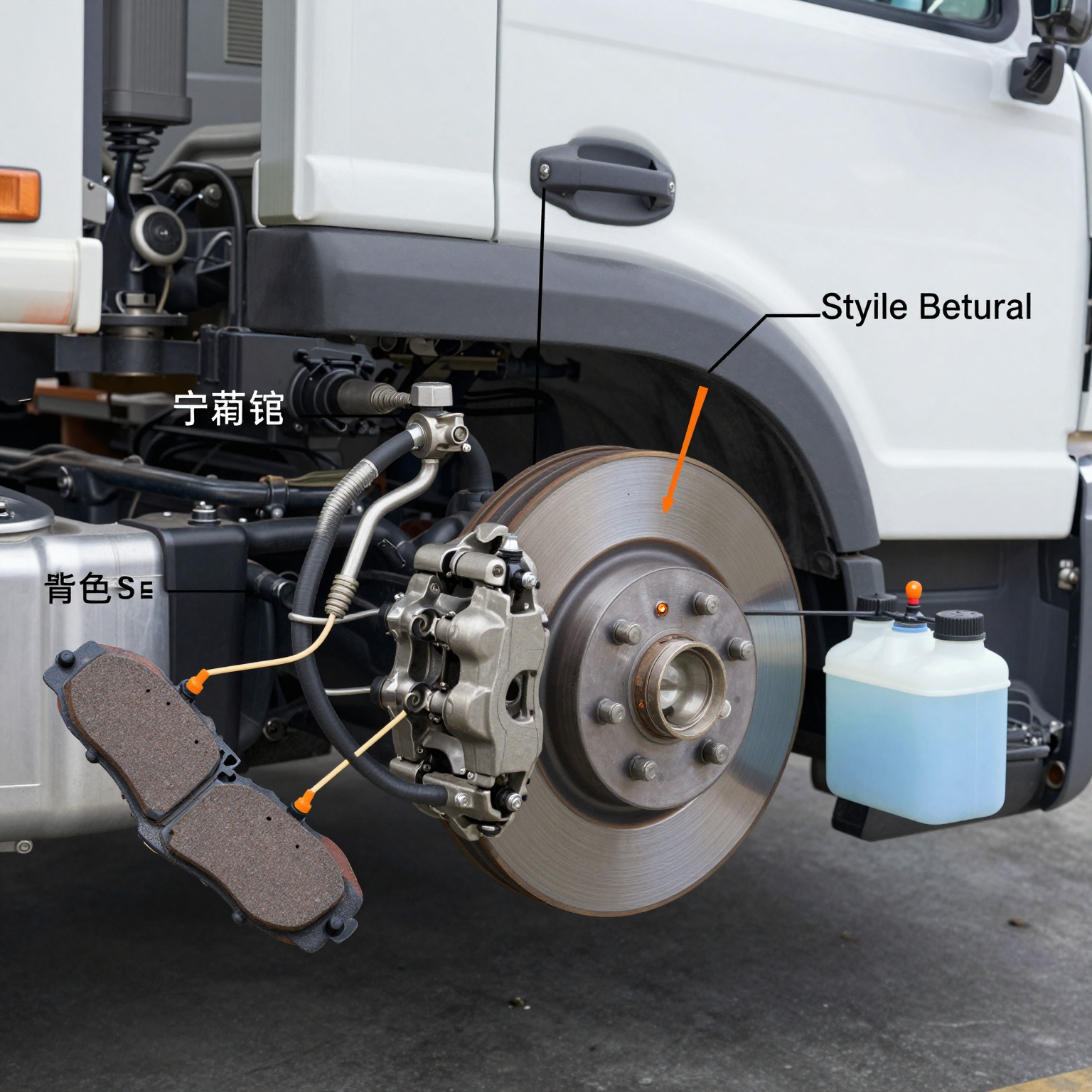
Service brakes are an essential component of a truck’s braking system, primarily responsible for slowing down or stopping the vehicle when a driver presses the pedal. Understanding how they work involves diving into the mechanics of hydraulic systems, friction materials, and actuators.
The Basics of Service Brakes
When you depress the brake pedal, it initiates a process in a hydraulic braking system found in most modern trucks. This system starts with the master cylinder, a vital component that converts your foot pressure into hydraulic pressure. The master cylinder pushes brake fluid through a system of lines, transferring this pressure to the brake components at each wheel.
Hydraulic Systems
Hydraulic service brakes utilize the properties of incompressible fluid to efficiently amplify the force exerted by the driver. This hydraulic pressure travels through brake lines to either disc brakes or drum brakes:
- Disc Brakes: Consist of a brake rotor and brake pads, where hydraulic pressure forces the pads against the rotating rotor, creating friction.
- Drum Brakes: Involves brake shoes and a drum, where the shoes expand against the inner drum surface to create the necessary friction.
Friction Components
Friction materials are crucial in determining how effectively the brakes can work. High-friction materials like ceramic or semi-metallic compounds are used in both pads and shoes. These materials are designed to withstand high heat and wear, ensuring consistent stopping power under various driving conditions.
Actuators in Action
The true power of service brakes lies in their actuators: hydraulic calipers for disc brakes or wheel cylinders for drum brakes. These components enhance the braking force initiated by the driver’s foot, precisely applying pressure to the friction surfaces. In heavy-duty applications, many trucks also incorporate air-assist systems, which utilize compressed air for added stopping power, particularly in larger vehicles.
For truck drivers and fleet managers, understanding the mechanics of service brakes is integral to maintaining safety and reliability in their operations. Reliable service brakes not only enhance performance but also contribute to overall road safety, ensuring that every stop is a secure one. Learn more about 5-Star Truck Inc.’s services here.
Common Problems with Truck Service Brakes
Service brakes are an essential part of any truck’s safety system, and recognizing the signs of trouble early can prevent serious issues down the road. Here are some common problems that can occur with truck service brakes, including symptoms and early warning signs:
-
Spongy or Soft Brake Pedal: If you notice your brake pedal feels soft or spongy, it could indicate air in the brake system or low brake fluid. This can significantly affect your braking power.
-
Increased Stopping Distance: A longer distance required to stop can be a sign of worn brake linings or reduced braking efficiency. Pay attention if you have to press the pedal harder than usual to achieve a complete stop.
-
Pulling to One Side: If your truck pulls to one side while braking, it may be due to uneven brake pressure or a stuck caliper. This is not only uncomfortable but can lead to further complications if not addressed.
-
Brake Pedal Vibration or Pulsation: This often indicates warped rotors or drums. If you feel unusual vibrations while applying the brakes, it’s crucial to investigate the condition of your braking components.
-
Unusual Noises: Squealing, grinding, or screeching noises can point to worn components. Ignoring these sounds can lead to more significant damage and expensive repairs.
-
Visible Brake Fluid Leaks: Finding brake fluid under your truck or on brake lines is a clear warning sign that something is wrong and should be investigated immediately.
It’s crucial to address these warning signs promptly to ensure the safety of both the driver and other road users. Regular inspections and maintenance can help mitigate extensive repairs and keep your truck operating safely. For more information about high-quality truck maintenance services, explore our services.
Comparison of Service Brake Types
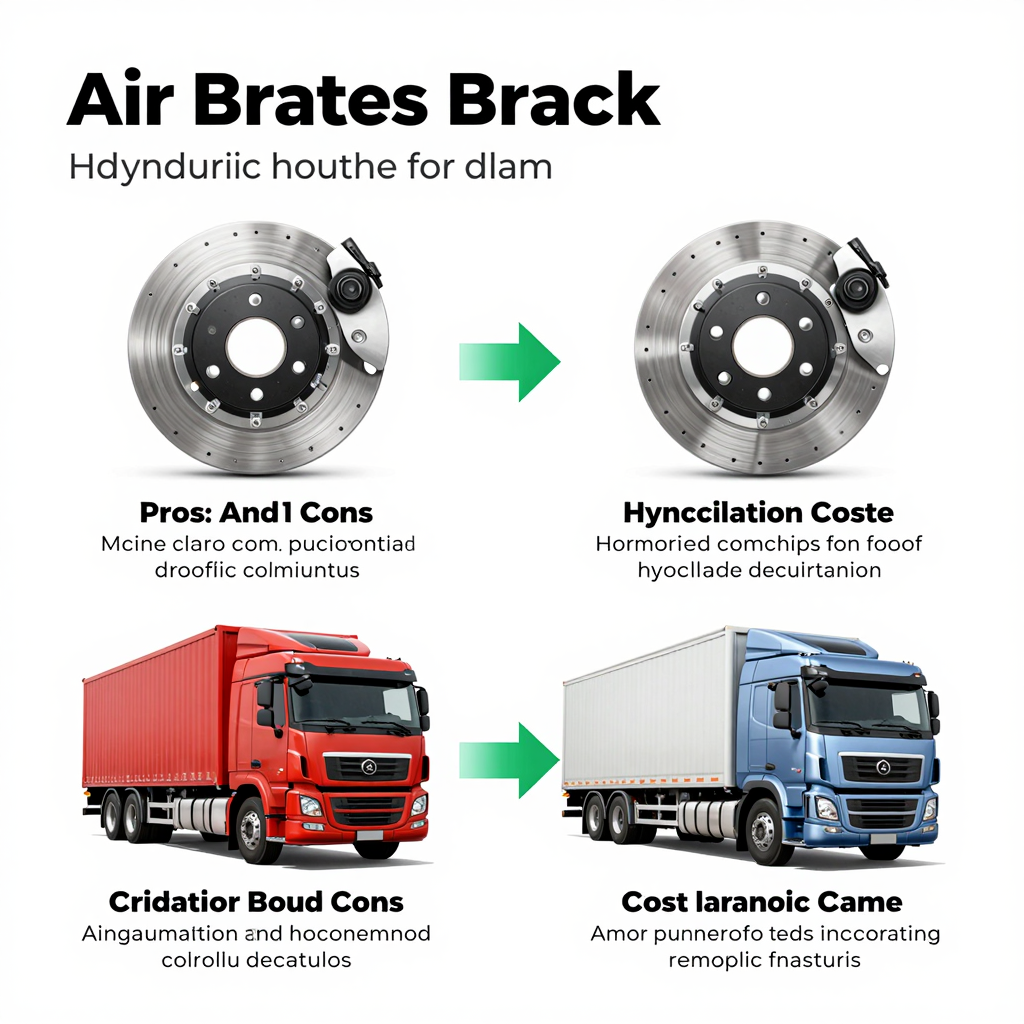
Understanding the different types of service brakes is crucial for truck drivers and fleet managers, particularly when considering factors like performance, cost, and suitability for various trucking needs. Below is a comparison table of air brakes and hydraulic brakes, two prevalent types of service brakes used in trucks.
| Brake Type | Pros | Cons | Cost Implications | Suitability for Trucking Needs |
|---|---|---|---|---|
| Air Brakes | – High reliability – Good heat stability – Quick response time – Suitable for heavy loads – Lower maintenance costs |
– Higher initial installation cost – Complex system |
Initial investment is high due to additional components like compressors and tanks, but lower total cost of ownership due to durability. | Best suited for medium to heavy-duty trucks, especially for long-haul and heavy-load operations. |
| Hydraulic Brakes | – Lower initial installation cost – Simpler design – Easier maintenance and repair |
– Slower response time – Prone to heat fade – System failure can occur with leaks |
Typically lower initial costs but can incur high long-term maintenance due to heat issues and leaks. | Generally used in light-duty trucks; not suitable for heavy loads due to performance limitations. |
This table provides a concise overview for truck drivers and fleet managers to make informed decisions about which brake type best suits their operational needs. For further insights and professional maintenance services, explore our solutions to meet the demands of your fleet.
Maintenance Best Practices for Service Brakes
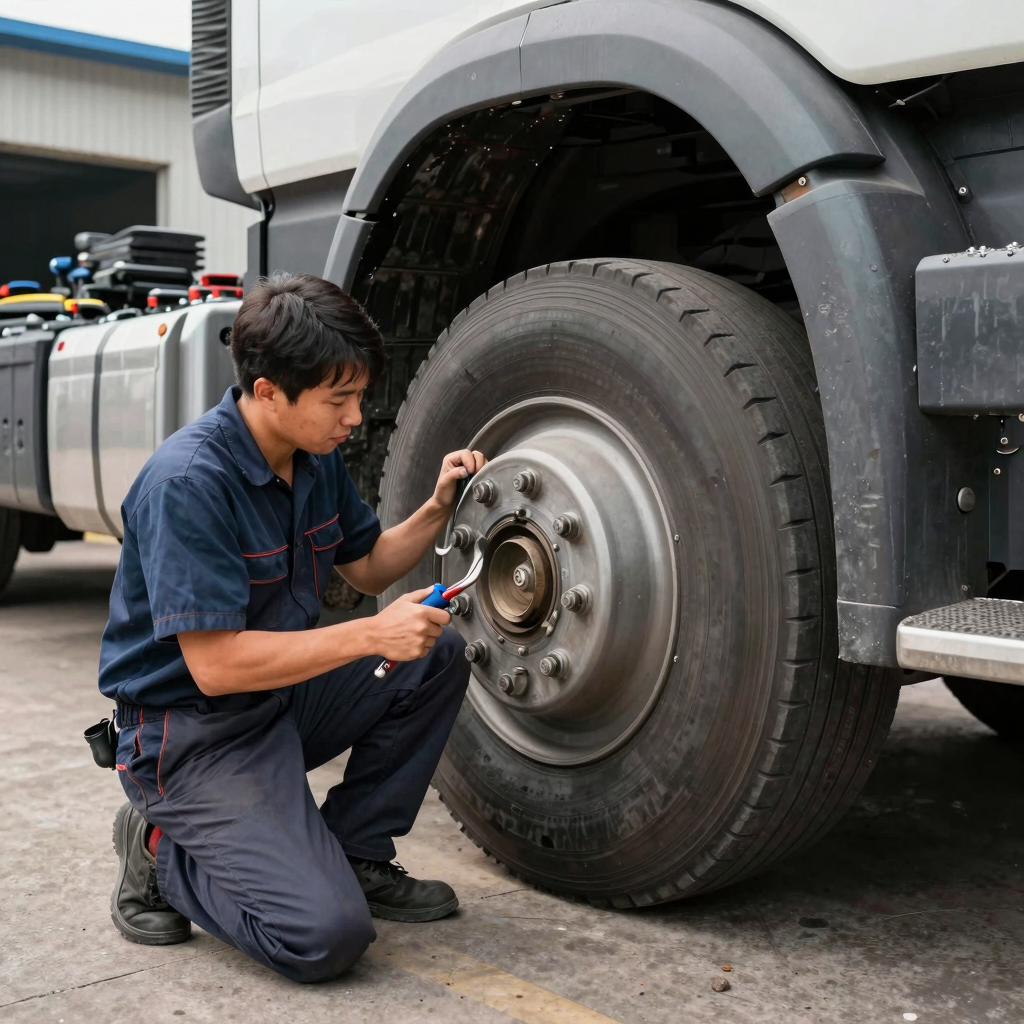
Maintaining service brakes in trucks is crucial to ensuring safety, especially for long-haul drivers. Here are some essential best practices to follow:
Regularly Check Fluid Levels
- Brake Fluid: Ensure the brake fluid level is between the minimum and maximum marks on the reservoir. Check for any signs of contamination or discoloration, which can indicate moisture buildup. The brake fluid should typically be flushed and replaced every two years or 40,000 miles to prevent such issues and maintain optimal performance.
- Inspect for Leaks: Regularly examine the brake lines and connections for leaks or signs of wear, as these can compromise brake function.
Inspect Wear Components
- Brake Pads: Check the thickness of brake pads regularly. Replace them before they wear down to 3mm to maintain sufficient stopping power.
- Rotors: Inspect rotors for any visible damage, including warping, grooves, or cracks. In case of significant wear, consider resurfacing or replacing them.
- Calipers: Always examine calipers for proper operation and lubrication to avoid sticking which can lead to uneven wear on the brake pads.
Assess the Air Brake System (if applicable)
- Regular Checks: For trucks equipped with air brakes, inspect the entire air brake system monthly or after every 5,000 miles, focusing on hoses and seals for leaks and ensuring that all components are functioning correctly.
When to Seek Professional Help
- Unusual Sounds or Feel: If you hear squealing or grinding noises when braking, or if the brake pedal feels spongy or too firm, it’s time to consult a professional mechanic. Early diagnosis can save on costly repairs and improve safety on the road.
Documentation and Compliance
- Keep a detailed log of all inspections and repairs, and document any component replacements for compliance and future reference. For more on maintaining service quality, explore 5 Star Truck Inc. to understand comprehensive maintenance solutions that ensure lasting performance of service brakes.
The Importance of Service Brakes in Truck Maintenance
Service brakes are an essential component of a truck’s safety and efficiency on the road. Regular maintenance of the braking system can prevent accidents and failures that may lead to tragic consequences.
As highlighted by John Miller, a veteran fleet maintenance manager with over 25 years of experience,
“Brake systems are the single most critical safety component on any commercial truck. A well-maintained brake system isn’t just about preventing breakdowns; it’s about saving lives. Every day we see accidents caused by preventable brake failures-these are not random events, they’re avoidable tragedies.”
This perspective underscores the necessity of routine inspections and timely maintenance to ensure optimal brake performance.
To learn more about how effective service can enhance fleet safety and efficiency, explore our services.
Conclusion
In conclusion, the significance of service brakes in truck operations cannot be overstated; they are vital for ensuring safety and efficiency on the road. A well-maintained braking system not only ensures quick and reliable stopping but is also crucial for prolonged vehicle lifespan. Best practices for maintaining service brakes include regular inspections of brake linings and systems, adhering to manufacturer recommendations for brake fluid, and conducting thorough system performance tests. This proactive approach can prevent unexpected brake failures that could jeopardize safety and lead to costly repairs.
As you reflect on your understanding of service brakes, consider enhancing your truck’s performance and safety by customizing it with Summit Fairings. They specialize in tailored modifications that optimize your vehicle’s capabilities. Be sure to explore how their offerings can elevate your truck’s efficiency and safety on the highway! Learn more about 5 Star Truck Inc.’s services here.