
In the intricate world of trucking, service lines within vehicles play a pivotal role in enhancing operational effectiveness. As long-haul drivers and fleet managers know, the right tools and supplies can make all the difference when it comes to timely maintenance and repairs. By establishing a well-structured service line in a truck, companies can ensure their technicians have immediate access to essential equipment, which not only boosts productivity but also minimizes costly downtime. This article looks at each facet of the service line—from its essential role in operations to its impact on safety and compliance—laying bare how important this system is in the realm of trucking. Join us as we delve deeper into the components that make a service line effective, the economic benefits it provides, and how it safeguards against operational pitfalls.
On the Move: How a Service Line Transforms a Truck into a Mobile Service Hub
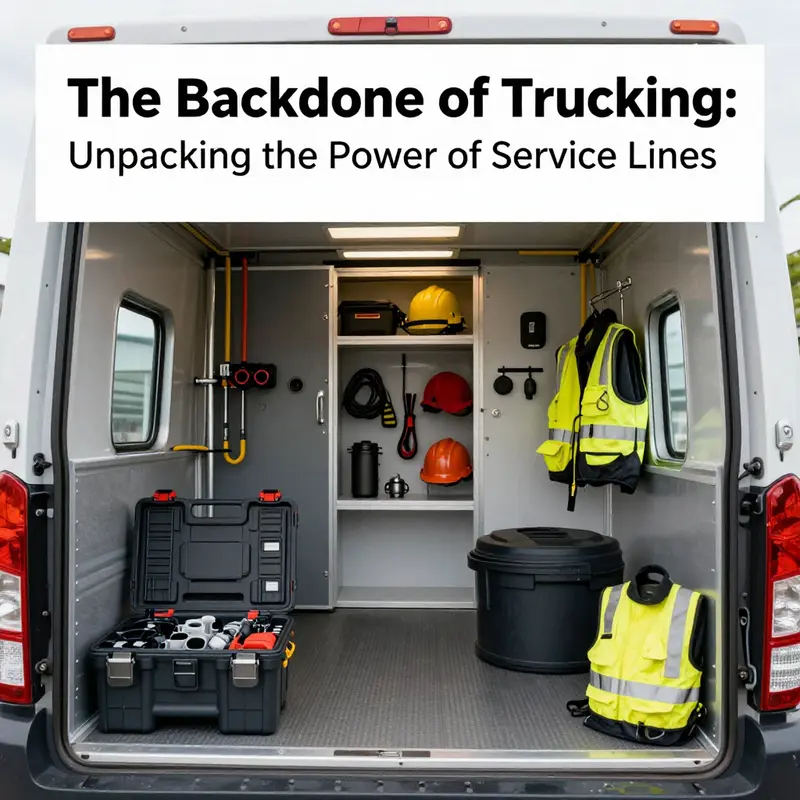
In the world of field service, a truck is more than a conveyance; it is a compact, rolling workshop. The service line inside a truck is the organized spine that keeps work flowing from moment to moment. It is not just about carrying tools; it is about structuring access to the right tools, parts, and information at the precise moment they are needed. A well-designed service line anticipates the tasks ahead, stages the kit for each job, and reduces the cognitive load on the technician. When a truck arrives on site, the team should feel as if every square inch of the interior is a designed workspace rather than a haphazard cargo hold. The result is a dramatic lift in productivity, shorter downtime, and, ultimately, better outcomes for customers who rely on fast, reliable maintenance or repair.
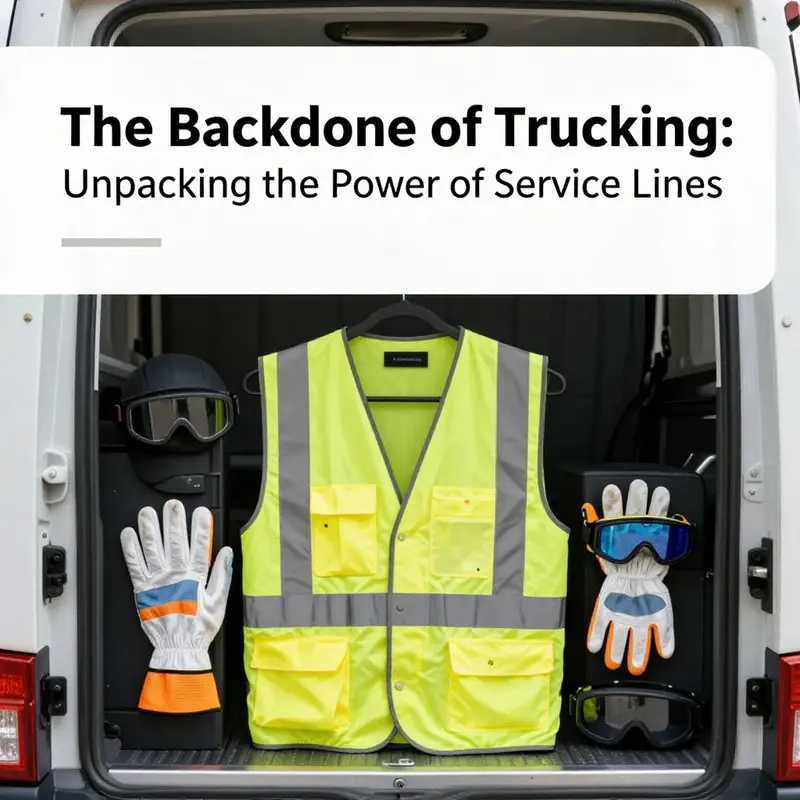
The core components of a service line are practical and purposeful. Pre-staged toolkits—wrenches, screwdrivers, diagnostic scanners—are arranged in a consistent, labeled layout so a technician can grab the right subset without hunting. Replacement parts—fuses, hoses, connectors, gaskets—are organized by system, with clear part numbers and compatibility notes. Safety gear—gloves, safety glasses, respiratory protection, high-visibility vests—rests in a designated cabinet to ensure compliance with safety standards. Documentation such as service manuals, work orders, and checklists travels with the crew, either in paper form or digitally, so critical steps are not forgotten in the rush of a busy day. Power sources—portable generators, battery packs, charging cables—are stowed in weather-protected compartments to guarantee that on-site work does not stall for lack of energy.
Yet a service line is more than a storage system; it is a logistics tool that blends inventory, workflow, and risk management. The immediate benefit is speed. When a technician can deploy a complete kit on arrival, they can begin diagnostics without delay, reducing field downtime and avoiding multiple trips to a supply room or shop. The ripple effects extend to safety and quality. Missing a fuse or a critical connector can compromise an entire repair, potentially creating safety hazards or warranty concerns. A well-curated service line eliminates those errors by aligning the available components with the day’s planned work. In many industries, the on-site environment can be unpredictable—weather, traffic, and schedule shifts can force improvisation. A robust service line provides a calm center in the storm, a predictable toolkit that stays consistent across teams and shifts.
This concept gains traction when paired with the routing and scheduling systems that govern modern truck operations. Service lines do not exist in a vacuum; they flourish when routes are planned with the same precision that kits are assembled. By mapping service activities to specific routes, companies can program the truck to pre-stage the correct parts for anticipated tasks along a corridor or service region. This harmony reduces idle time and helps technicians stay focused on repair rather than logistics. When disruptions occur—traffic jams, road closures, or an urgent escalation—the combination of a prepared toolkit and a flexible route plan can be decisive. The technician can pivot to a nearby replacement task, or the dispatcher can reallocate parts from a staging area to a different truck to meet a customer’s evolving needs. In this sense, the service line serves as a physical counterpart to digital scheduling: both are mechanisms to keep the system resilient under pressure.
Beyond inventory and routing, technology is reshaping what a service line can be on the road. Real-time diagnostics, wireless symptom reporting, and remote guidance connect a field crew to in-house experts without forcing a return visit. With a connected service line, a technician can upload diagnostic data, receive recommended repair steps, and verify part compatibility on the spot. Such digital enablement complements the hands-on craftsman’s skill, turning what used to be a sequence of trial and error into a guided workflow. In practice, this means fewer misordered parts, fewer repeat visits, and more consistent job outcomes. It also means safety decisions can be reinforced with checklists that are updated in real time, ensuring crews comply with current standards regardless of who is on the truck. The safest crews are those that treat the vehicle interior as an organized workspace, with clear zones for tools, spare parts, and documentation, reducing the likelihood of cross-contamination, misplacement, or distraction.
Real-time support networks expand the utility of a service line far beyond the moment of arrival. When a breakdown threatens schedule integrity, a well-connected service truck becomes part of a broader, customer-focused ecosystem. A driver or technician can call on a remote support hub to confirm a repair path, locate a nearby supplier, or arrange for auxiliary services such as fuel, meals, or safe resting points during long shifts. These networks reinforce continuity by addressing human needs as well as mechanical ones. They also accommodate emergencies with a human-centered response: a rapid mobile contingency team, real-time traffic updates, and on-site assistance to stabilize the situation. The most resilient operations treat service lines as dynamic interfaces between the field and the back office, capable of absorbing shocks without surrendering reliability.
To bring this idea into sharper relief, imagine a fleet of utility service trucks deployed across a metropolitan region. Each truck carries pre-staged kits tailored to typical outages and preventive maintenance tasks. When a storm knocks out power, the service line ensures technicians have immediate access to the right spare parts and safety gear while routing software adjusts the day’s assignments to minimize travel. If a part is unavailable, the truck’s documentation and inventory data flag it, triggering an alternative plan that prioritizes critical components and ensures the customer does not suffer prolonged outages. In such scenarios, the service line acts as both a physical container and a decision support system, guiding actions under pressure. The result is a more predictable service window, shorter repair times, and higher customer satisfaction. The overall effect is a chain reaction: improved asset uptime, reduced overtime, and steadier cash flow for the service organization.
The human dimension of service lines deserves emphasis. A technician’s confidence grows when tools and information are handled with care, when their vehicle feels like a well-organized workshop on wheels. Documentation is not an afterthought; it is an enabler of compliance and traceability, ensuring that every repair is recorded, every test is documented, and every safety step is verified. PPE and safety protocols become second nature when the workspace is designed around them, not thrown into an ad hoc corner. In this light, the service line supports not only technical excellence but also the dignity and well-being of the people who keep critical infrastructure online. The same principles apply to field teams in other industries, where the service line becomes a shared standard for efficiency and safety. To echo the broader discipline, one can relate this to the idea of design efficiency in emergency services, a concept well captured in industry literature and discussions. design efficiency in emergency services.
Finally, the economics of the service line deserve attention. A well-maintained service line reduces spare-parts waste through better forecasting and more accurate stockkeeping. It lowers the risk of unscheduled downtime, minimizing the cost of emergency callouts and overtime. It improves first-time fix rates, which is a direct contributor to profitability and customer trust. When the truck arrives with the right parts and the right documentation, the technician can complete the service in a single visit with quality results. The financial impact can be substantial: faster invoicing, lower carrying costs for inventory, and more consistent utilization of the fleet. In a broader sense, a robust service line supports a service-oriented business model by turning field teams into portable service centers that deliver value where customers live and work. The chapter ends with a reminder that the road to efficiency is paved with careful preparation and disciplined execution, and that the service line is a practical embodiment of that principle.
For readers seeking deeper insight into how digital means are transforming long-haul logistics and on-road service capability, external research offers a window into ongoing innovation. See an external resource here: https://www.chinaheavyduty.com/zh/news/intelligent-driving-solution-for-long-haul-logistics
Inside the Service Line: How a Truck’s Onboard Toolkit and Systems Drive Efficiency, Safety, and Profit
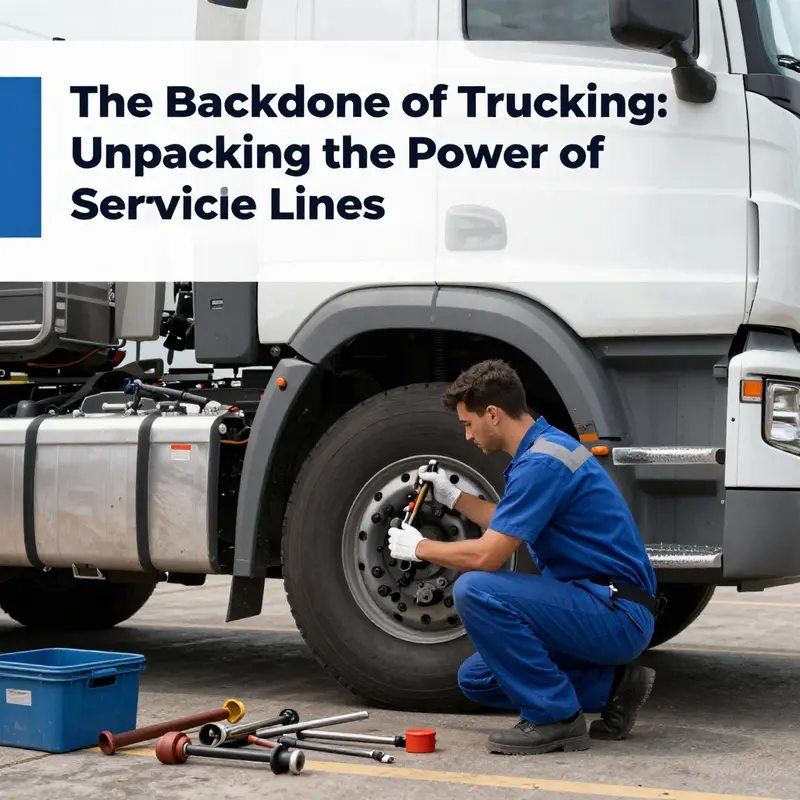
A service line in a truck is more than a bundle of gear stowed in a compartment. It is a living, integrated system that underpins every on-site repair, emergency response, and routine maintenance mission the vehicle undertakes. In this light, the service line becomes the behind-the-scenes engine of productivity, converting what could be lost time into uninterrupted progress. The truck, equipped with a carefully designed service line, transforms from a mobile workshop into a moving worksite where the technician’s decisions are supported by the cohesion of tools, parts, data, and safety measures. This transformation matters most when the work happens away from a fixed shop floor—on a street, a utility trench, a telecom pedestal, or a rural outpost—where speed, accuracy, and compliance are not luxuries but requirements.
At its core, the service line comprises several interlocking systems that together ensure the vehicle can perform its job reliably. Electrical systems power not just the engine but the diagnostic devices, lighting, communication gear, and the handheld tools technicians rely on. A truck’s electrical backbone must be stable enough to cradle real-time data streams from a diagnostic network, which alerts crews to component wear, signal anomalies, or calibration drift before a failure becomes a roadside event. When those electrical arteries are well maintained, a field team can run scanners, torque wrenches, thermal cameras, and inspection consoles without flickering screens or depleted batteries slowing work. This reliability matters as much as the right part in the right place, because a single power hiccup can cascade into delays, incorrect diagnostics, or unsafe working conditions.
Hydraulic systems, too, are a pillar of on-site efficiency. Their role goes beyond mere lifting and loading: hydraulic lines fuel accessories, control portable equipment, and operate systems that would otherwise require heavy manual labor or extra crew. In a mobile repair scenario—whether servicing a transformer, a water valve, or a high-pressure line—smooth hydraulic performance translates into faster operations and safer handling of heavy components. A well-tuned hydraulic circuit reduces cycle times, minimizes the risk of sudden jerks or failures, and preserves the integrity of sensitive fittings that can degrade with rough handling.
The air brake network and other safety-critical systems are not afterthoughts in the service line. They act as the guardian of transit safety and operational integrity. Modern air brake systems, when properly maintained, deliver more consistent pressure, quicker responses, and fewer unexpected wear patterns. This matters not only for the safety of the crew but for the protection of customers’ property and the continuity of service contracts. Efficient brakes contribute to predictable stopping distances, especially when a vehicle carries heavy loads or operates in challenging environments. A service line that integrates diagnostic monitoring for these safety systems allows for proactive maintenance, rather than reactive fixes after a failure. When a technician can see a developing issue in real time, she can schedule a repair during the next service window, not at the moment a panic stop becomes necessary.
Fuel delivery systems round out the core mechanical trio of power, control, and safety. In many service missions, fuel efficiency is not a mere cost center but a driver of productivity. A well-designed fuel system reduces waste, stabilizes engine performance across varying loads, and supports longer uptime between fill events. In the field, where logistics can stretch and fuel options may be limited, efficiency translates into more completed tasks per shift and fewer detours to refuel. The careful calibration of injectors, filters, and transfer lines contributes directly to full days of on-site work rather than wrenching sessions spent chasing fuel economy anomalies.
Above and across these physical layers lies a more intangible yet equally critical component: the diagnostic network. Real-time monitoring capabilities enable fleets to observe engine health, oil temperature, fuel Trim, battery charge, and a host of subsystem metrics as the truck moves between sites. The diagnostic network is the nervous system of the service line, translating scattered sensor data into actionable insight. For the technician, it means fewer guesswork calls to the shop and more confidence in the components being serviced. For the fleet manager, it means a clearer picture of asset health, maintenance windows, and when to schedule preventive interventions before a disruption occurs. The net effect is a reduction in unplanned downtime and a more deterministic maintenance cadence.
The practical benefits of this integrated approach ripple through the operation in tangible ways. A pre-staged toolkit—comprising wrenches, pliers, diagnostic scanners, and the common fasteners a crew uses most—becomes a reliable starting point for any field task. Replacement parts, organized by type and compatibility, shrink search time and eliminate the mispacks that cause back-and-forth trips to the parts cabinet. Safety gear—from gloves to high-visibility vests—sits within easy reach so crews can pivot from inspection to repair without pausing to assemble personal protective equipment. Documentation, from service manuals to work orders, supports proper traceability and audit readiness. Power sources, such as portable generators or battery packs, ensure that tools stay powered even as crews move through complex sites with limited infrastructure.
This level of organization does more than save minutes; it reduces errors, enhances safety, and elevates service quality. When a truck arrives at a customer site with a fully prepared service line, technicians can complete more tasks per visit with fewer callbacks. That is the essence of efficiency: the ability to convert on-site presence into productive progress without the friction of scrambling for parts, rechecking manuals, or waiting for a supervisor’s approval. The result is a faster, cleaner, more reliable job—a sequence of actions that customers begin to measure in days saved, not hours wasted.
To appreciate the broader impact, it helps to see how the service line interacts with technology and data. Telematics and cloud-connected diagnostics enable dispatch and maintenance teams to coordinate more effectively. Real-time vehicle status, location, and task status flows back to a central operations hub, where route optimization, load balancing, and driver coordination can be refined on the fly. A truck that shares status updates about its diagnostic signals can be slotted into the work order pipeline with precision, reducing idle time and improving on-time performance. In this sense, the service line becomes a bridge between the physical work performed at the customer site and the digital orchestration that guides the broader fleet. The human elements—training, communication, and vigilance—are what keep that bridge sturdy and reliable. The backbone of this approach is ongoing, hands-on training, including programs like fire-truck-maintenance-training-importance.
The empirical evidence aligns with the lived experience of field teams. A comprehensive study on productivity and efficiency in the U.S. trucking and warehousing sector highlights how integrating high-performance service lines translates into meaningful gains in throughput and cost savings over time. The research underscores that when fleets invest in robust service-line systems—combining reliable mechanical sub-systems with strong data and process discipline—fuel economy improves alongside uptime. In short, the machinery works better because the workflow it supports is coherent, predictable, and data-informed. The study analyzes efficiency metrics across the 48 contiguous states and points to the reinforcing loop between advanced diagnostics, proactive maintenance, and enhanced service delivery. While the specifics of each fleet’s context vary, the overarching pattern remains clear: better service lines enable better performance at scale. For readers seeking a deeper empirical dive, the findings are detailed in the study published in a leading industry journal: https://www.sciencedirect.com/science/article/pii/S096669232300075X.
The implications for practice are practical and actionable. For fleets aiming to sharpen their service-line performance, the path starts with thoughtful design and disciplined implementation. Start with a clear inventory strategy that keeps pre-staged toolkits, essential replacement parts, and safety gear within arm’s reach. Standardize the layout so that a technician’s muscle memory learns where every item lives, reducing decision time and cognitive load during high-pressure moments. Next, align the diagnostic network with maintenance scheduling. Real-time health indicators should feed a preventive maintenance calendar, so components are serviced on a known, predictable cadence rather than in response to failure. Pair this with robust telematics to coordinate field operations—routing, workload balancing, and driver touchpoints become a matter of optimized orchestration rather than ad hoc improvisation.
Team training is the invisible scaffolding that supports all these elements. Even the most sophisticated service line loses its edge if the technicians lack confidence with the diagnostic tools, safety protocols, or the rules of the on-site workflow. Regular, scenario-based training that covers tool handling, diagnostic interpretation, and safety procedures helps transform a collection of parts into a capable, dependable service line. The investment pays for itself in faster response times, reduced missteps, and higher customer satisfaction. It also fosters a culture of continuous improvement, where feedback from on-site experiences informs better inventory decisions, smarter maintenance intervals, and tighter process controls. The point is not to stock every conceivable gadget but to curate a coherent, disciplined system that empowers crews to perform at their best under pressure.
As the landscape of fleet operations evolves—with more digital integration, smarter diagnostics, and greener propulsion options—the service line must adapt while preserving its core function: to enable work to begin, proceed, and finish with consistent quality and safety. This requires leadership that treats the service line as a strategic asset rather than a byproduct of vehicle design. It also requires partnerships across maintenance providers, parts suppliers, training programs, and technology platforms to keep the line current with emerging needs and regulations. When done well, the service line becomes a reliable workflow engine, translating the truck’s mobility into measurable, repeatable productivity gains for the entire operation.
In the pages that follow, the broader chapter will explore how variations in service-line design influence different mission profiles—from utility field services to fleet maintenance and emergency-response fleets. The through-line remains the same: a well-conceived, well-executed service line unlocks uptime, safety, and efficiency by aligning hardware, data, and human judgment into a seamless on-site performance. This alignment is not optional; it is the basis of consistent service delivery and long-term profitability in a fleet-heavy economy. The service line, in short, is where the truck’s capacity translates into real-world impact, turning travel time into productive work, one site at a time.
External resource for deeper insight: https://www.sciencedirect.com/science/article/pii/S096669232300075X
Carrying the Core: How a Well-Equipped Service Line in a Truck Drives Speed, Safety, and Reliability
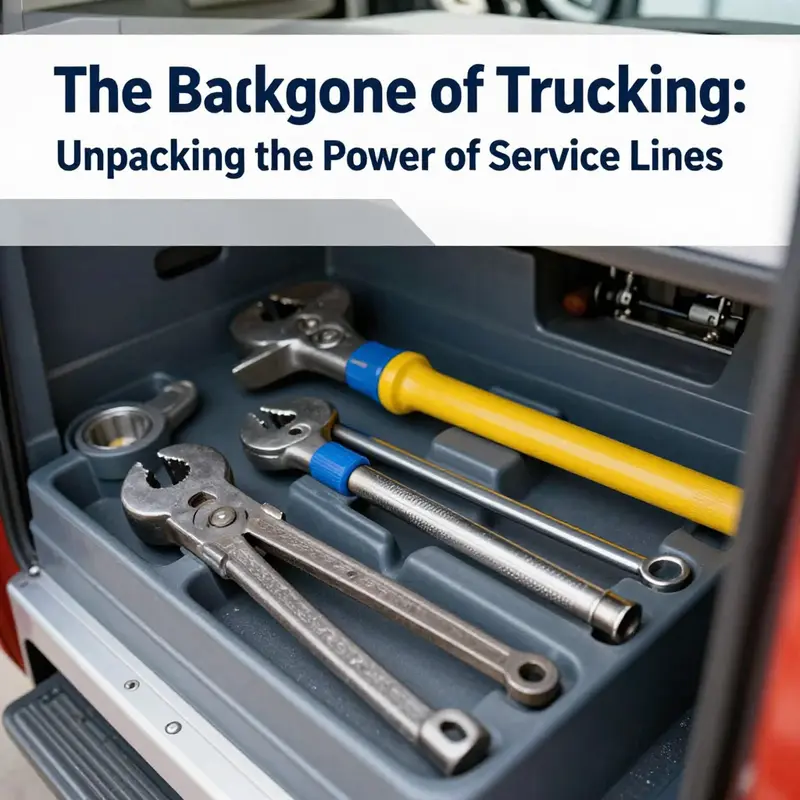
A service line in a truck is more than a bag of tools. It is an engineered ecosystem designed to bridge planning and execution in the unpredictable tempo of on-site work. When technicians roll to a site, the vehicle becomes a portable workshop, a protected workspace, and a staging area all in one. The service line is the spine of that system. It holds the equipment, parts, and means to power work from the first moment the crew steps out of the cab. In essence, it translates a job brief into rapid, reliable action. A thoughtful service line minimizes the distance between thought and action, turning a potentially slow, error-prone process into a smooth, repeatable routine. The result is faster repairs, fewer callbacks, and a more confident service experience for customers who rely on a fleet that keeps their operations moving.
At the heart of this transformation are specialized storage solutions that shield tools from the environment while keeping them instantly accessible. Waterproof tool boxes, designed to withstand rain, dust, and corrosive exposure, ensure that delicate instruments and precision implements stay functional in harsh conditions. These containers are not merely protective shells; they are carefully configured drawers of purpose, calibrated to the tasks technicians perform most often. When a wrench is needed, it should appear within a heartbeat, not after a scavenger hunt inside a crowded cab. Underbody camp truck boxes extend that principle by reclaiming space in the vehicle’s interior, letting the main cabin breathe. By moving bulky, often-queried items to a secure, weatherproof location beneath the body of the truck, crews gain floor space for the work-at-hand and reduce the risk of tools shifting in transit. This reduction in movement and rummaging is not only convenient—it translates into measurable gains in job speed and accuracy.
Durability and protection are the next pillars of a robust service line. Heavier-duty storage models, with rugged mounting systems and reinforced lids, stand up to daily wear and tear. They are built to be shake-free during transit, resistant to vibrations in rough terrain, and capable of defending sensitive gear from impact. This durability matters across trades—mechanics, electricians, and service technicians alike rely on tool storage that remains reliable after weeks of constant use. Weather protection is not a luxury; it is a necessity in many field environments where a sudden downpour or a dusty wind can degrade tools and compromise safety. A well-protected tool inventory reduces the probability of corrosion, rust, or breakage that would otherwise force a return trip to the shop. The impression given to customers and the long-term value to the fleet come from equipment that stays usable, even in demanding conditions.
The user demographic that benefits most from these arrangements is diverse and pragmatic. Tradespeople, contractors, and utility-focused fleets all rely on a balance of durability, security, and quick accessibility. The goal is a system that makes the technician’s first action on arrival a task-focused one rather than an inventory search. The storage configuration must accommodate a vast range of tools, parts, and safety gear while remaining simple to navigate. Security is a key element here: tools should be readily accessible to authorized personnel but protected during transit from theft or misplacement. In this sense, the service line functions as a practical security layer as well as a logistical facilitator. The end user wants to be certain that when the crew reaches a job site, everything needed for the repair is already in hand, leaving no time wasted on searching, revising, or improvising a solution.
The components of a service line extend beyond raw storage. Pre-staged toolkits—comprising wrenches, screwdrivers, diagnostic scanners, and specialty implements—are arranged for immediate use. Replacement parts such as fuses, hoses, and connectors sit in clearly organized bins that teammates can recognize by color or symbol. Safety gear—gloves, goggles, high-visibility vests—travels with the team to ensure compliance with site requirements and protective standards. Documentation, including service manuals, work orders, and checklists, remains within easy reach to guide the technician through procedures and capture field results. Power sources—portable generators and battery packs—provide the energy needed for diagnostic work, soldering, testing, and other tasks away from a permanent power supply. When these elements come together in a cohesive lineup, the on-site workflow shifts from reactive problem solving to proactive execution.
This integrated approach feeds directly into the core business objective: speed without sacrificing quality and safety. When the service line is properly organized, miscounts and missing parts become rare events rather than recurring headaches. The risk of procedural errors drops as technicians follow standardized kits and checklists, which helps ensure compliance with safety and operational standards on every job. In industry practice, such discipline is not merely about keeping up appearances; it translates into real profitability because it lowers downtime, increases first-visit fix rates, and improves customer satisfaction. A well-run service truck can become a predictable, reliable channel for service delivery, reducing the need for repeated service calls and the costs associated with them. The outcome is a more profitable operation that still prioritizes safety and quality.
In practice, the layout and management of a service line must harmonize with the truck’s overall design philosophy. Designers and operators increasingly emphasize modularity and standardization. Modularity allows crews to tailor the line to the day’s tasks without overloading the vehicle with rarely used items. Standardization ensures that a common set of tools and parts is carried across multiple vehicles and crews, enabling quicker onboarding and easier replenishment. The result is a system that scales with the business. A small contractor can begin with a lean kit and expand as demand grows, while a larger fleet can maintain consistency across dozens of units, reducing training time and increasing uptime. Performance is not merely a factor of what is carried; it is a function of how it is carried, organized, and replenished.
The practical implications of a well-planned service line extend into customer relations as well. A technician who arrives with a clearly organized, fully stocked truck is perceived as capable and efficient. The customer experiences shorter downtime and greater confidence that the work will be completed in one visit. The technician benefits from reduced cognitive load—there is less time spent deciding where to place a tool and more time focusing on the actual repair. In markets where field service is the primary product, that immediacy translates into repeat business, referrals, and a stronger reputation for reliability. The service line, therefore, is a strategic asset: it steadies the operation, accelerates execution, and elevates the service experience without requiring extra staff or expensive new processes. The presence of this line signals a disciplined, customer-centered approach to field work.
As design thinking moves further into the realm of emergency and critical service environments, the influence of layout and accessibility becomes even more pronounced. The design philosophy behind efficient emergency services—or any operation that must respond rapidly—stresses clarity, speed, and resilience. To capture these principles within a truck, the organization of tools, parts, and safety gear must be obvious at a glance, and it must withstand the rigors of real-world use. The concept of quick access is not simply a convenience; it is a safety feature that reduces the likelihood of missteps, slips, or rushed, unsafe handling. When this philosophy is reflected in the service line, it reinforces standard operating procedures and empowers technicians to deliver consistent outcomes, regardless of who is on the job. For practitioners seeking to deepen their understanding of these design principles in high-demand contexts, see Design Efficiency in Emergency Services.
In sum, the service line in a truck accomplishes several interlocking goals. It protects the tools and parts that fuel field work, providing weatherproof storage and robust mounting to survive the road and the load. It accelerates response times by presenting a pre-assembled, easy-to-navigate kit that minimizes rummaging and reduces human error. It enhances safety by ensuring that PPE, documentation, and power sources are always within reach and properly organized. It supports a diverse cadre of users—tradespeople, contractors, and utility fleets—by offering a durable, secure, and configurable system that can be adapted to varied tasks and environments. And it strengthens the business’s operational health by lowering downtime, improving first-time fix rates, and elevating the customer experience. The service line is not a passive feature of the vehicle; it is the operational nerve center that makes mobile work possible, predictable, and profitable.
To those designing, stocking, or operating service fleets, the message is clear: invest in organization as a strategic asset. The payoff comes not only in the rapidity of a repair but in the confidence it builds—confidence among technicians that their tools will perform; confidence among customers that the service will be completed efficiently; and confidence among fleet managers that uptime, safety, and profitability are being managed with intention. As you consider how to optimize the service line, remember that the best configurations balance protection with accessibility, durability with agility, and standardization with flexibility. When these elements come together, the truck ceases to be a simple transport and becomes a trusted, efficient, on-site partner in every job.
For further reading on materials and performance considerations for the different storage configurations used in service lines, a deeper dive can be found in this guide on camp truck box materials and industrial uses: https://www.industrialtruckstorage.com/camp-truck-box-materials-performance-industrial-uses.
null
null
The Hidden Engine of Profit: How a Well-Managed Service Line Keeps Trucks Moving
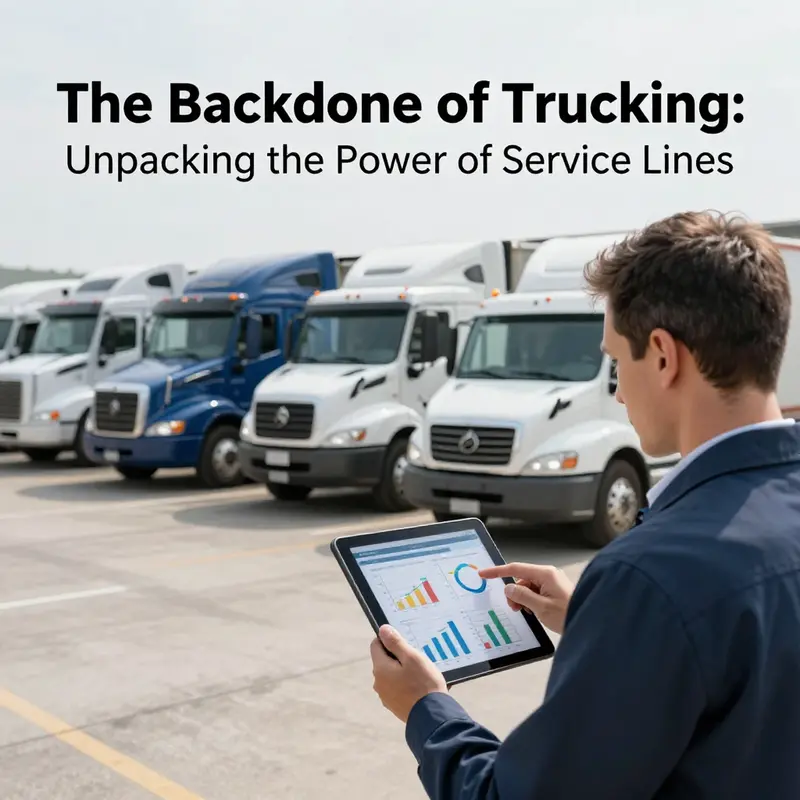
The service line inside a service or utility truck is more than a shelf of tools; it is a meticulously designed system that channels effort into results. When a technician opens the side door and steps into a compact workshop on wheels, the aim is not just to fix a problem but to return the vehicle to work as quickly as possible, with every needed component at hand. A well-organized service line is built around the tasks that the crew performs most often: diagnostic checks, quick replacements, safety checks, and reliable documentation. The content of the line—tooling, parts, safety gear, and power sources—reads like a map of the job ahead. Pre-staged toolkits, from the simplest wrenches to the more specialized diagnostic scanners, sit alongside replacement parts—fuses, hoses, connectors—that are most likely to fail in the field. Safety gear is not an afterthought but a core element, rated to meet on-site standards and weathered to fit into tight spaces. Documentation, too, travels with the crew: service manuals, work orders, checklists, and task prompts that guide a consistent, auditable process. The presence of a portable power source—whether a generator or a battery pack—ensures the work does not stall when access to a powered power outlet is limited. In short, the service line is a compact, purposeful ecosystem whose design is driven by the everyday realities of field service.
With that ecosystem in place, the crew can move with confidence. The moment they arrive on site, they start a brief, disciplined routine: verify the work order, confirm safety clearance, assess the immediate symptoms, and select the appropriate toolkit. This is where the design pays off. The alignment between the job at hand and the components in the truck matters: the right wrench size, the right connectors, the right hose clamp, the right seal. When components are missing or misfiled, a job becomes a delay that can cascade into missed appointments and unhappy customers. The pre-staged approach drastically reduces that risk. The service line also supports a fast, accurate triage. By having diagnostics and measurement tools at the ready, technicians can distinguish between symptoms and root causes, preventing guesswork that wastes minutes and money. The documentation chain is equally important. A paper-based form or a digital checklist that travels with the truck ensures the repair is logged, the parts list updated, and the next technician informed. This not only speeds the current job but builds a repository of knowledge that can be analyzed to prevent recurring failures.
From a managerial perspective, the service line functions as a lever for efficiency and reliability across the entire fleet. When maintenance and repairs can be completed quickly and correctly, downtime shrinks. Fewer hours in the shop mean more hours in revenue service, which translates directly into higher asset utilization. The research results framing the economic impact highlight several core effects: operational efficiency improves because maintenance and repairs become timely and effective, reducing the cycle between diagnosis and resolution; reduced downtime follows as proactive maintenance schedules minimize surprises; longevity of vehicles extends as regular, timely attention prevents gradual deterioration that would otherwise erode asset value. These effects accumulate across the fleet, strengthening cash flow through more consistent service delivery and fewer disruptions to planned routes. In practical terms, trucks spend less time idle at terminals or roadside, and more time delivering freight, service calls, or emergency responses. The math behind these improvements is straightforward: every hour a vehicle stays productive translates into revenue, and every hour of preventable downtime is a lost opportunity. The service line, therefore, acts not only as a set of tools but as a strategic control point for uptime.
Fuel efficiency often follows from well-managed service lines, not simply from the engine tune itself. When the maintenance schedule is robust and data-driven, driveline wear, tire pressure, brake performance, and engine idle times can be optimized. The energy management angle—driving practices tied to organized service operations—emerges as a key factor in controlling fuel costs. A 2023 study on economic driving in trucking emphasizes that disciplined maintenance and systematic service workflows influence energy use as much as the engine’s mechanical condition. In practice, a well-organized service line supports fuel-efficient driving by keeping equipment in proper working order, enabling smoother acceleration, stable speeds, and less idling during time lost to repairs. The combined effect is a measurable reduction in fuel consumption per mile, which matters across a fleet where fuel is a major cost component. The link between service-line discipline and energy costs is not incidental; it is a design outcome of standard operating procedures that align maintenance timing with dispatch realities and fuel-management goals.
On the practical side of execution, a concrete example of how dedicated product support can extend uptime can be seen in industry conversations about unlocking uptime in field operations. For a concrete example, consider how dedicated product support can unlock uptime in practice Unlocking fire apparatus uptime and product support secrets.
Technology amplifies these effects. Telematics, for example, can illuminate patterns in component wear and fuel use, while digital work orders and checklists knit the on-truck workflow to the back-office scheduling and procurement systems. When teams can see the real-time status of each vehicle and the parts available in the service line, dispatch becomes more reliable, and customer promises become more credible. With integrated data, a company can forecast maintenance windows, align spare-parts inventories with projected needs, and train technicians on the most common failure modes. The result is a smarter operation that reduces variance in service delivery and enhances the ability to commit to on-time performance. For many operators, the service line also serves as a platform for continuous improvement: standardized procedures, ongoing training, and regular audits of what worked and what did not. In this sense, the service line is not a static kit but a living system that evolves with the fleet and the demands of the customers.
Ultimately, the economic impact of a well-managed service line goes beyond dollars and cents; it translates into reliability, trust, and growth. Customers experience fewer interruptions in service, and that reliability becomes a differentiator in a competitive market. When a fleet can promise quick turnaround times, consistent quality, and transparent reporting, the value proposition extends to new business and higher overall utilization. In practice, this means a fleet can absorb demand swings with less risk and deliver on commitments that keep clients coming back. The service line, at its core, is a disciplined approach to what many operators already know instinctively: that time spent preparing for a repair is time saved later when time matters most. In effect, it is the quiet engine that accelerates throughput without the noise of urgent, last-minute scrambles.
To bring this to life for readers outside the shop floor, consider the subtle but powerful link between maintenance discipline and customer confidence. A pre-staged toolkit reduces the chance of a misstep. A well-curated inventory reduces the need for an emergency order that delays a delivery. A standardized checklist ensures compliance with safety and regulatory standards. Each of these factors reduces risk and increases the probability that a truck will be available when a customer needs it. Even the roadway narrative matters; the more predictable the maintenance cadence, the more predictable the dispatch and the more dependable the delivery schedule. In turn, that reliability fuels reputational value and long-term profitability, because customers reward partners who deliver consistently and transparently. The service line, then, is not just a assembly of hardware; it is a reflection of an organization’s discipline, planning, and commitment to service excellence.
Finally, the concept of a service line invites reflection on how a fleet can scale its success. As operations grow, the service line gains strategic weight because it supports standardization across multiple teams, vehicles, and locations. A scalable service line aligns with training programs, procurement policies, and safety protocols, creating a coherent framework that minimizes variance and maximizes uptime. In practice, this means the same toolkit and the same documentation templates travel with the fleet, while local crews adapt to specific contexts. The payoff is a cohesive performance story: fewer cascading failures, quicker learning, and the ability to allocate resources where they matter most. A well-run service line does not merely maintain machines; it nurtures a culture of reliability that travels with the trucks wherever they go.
Embedded in this narrative is a practical reminder for managers, technicians, and customers alike: small, deliberate design choices in a service line accumulate into substantial economic effects. The investment in organization—clear layouts, standard parts, repeatable checklists, and reliable power support—becomes a competitive advantage when multiplied across a fleet. The end result is straightforward: trucks spend more time moving, less time waiting, and more resources are available for delivering value to clients. The service line accomplishes what its name suggests—linearity in operations that aligns technician capability, vehicle readiness, and customer expectation into a single, dependable stream of action. It is the unsung engine behind every successful route, every on-time delivery, and every satisfied client who relies on a fleet that can respond with speed and certainty.
External reading: https://www.tandfonline.com/doi/full/10.1080/1543831X.2023.2176991
Final thoughts
The effectiveness of service lines in trucks goes beyond mere organization—they underpin the operational efficiency that keeps trucking businesses thriving. By understanding each component’s role, trucking professionals can ensure that they are not only prepared for any situation but are also maximizing productivity and safety. A well-structured service line minimizes errors, cuts downtime, and aligns closely with compliance standards, all while contributing to a better bottom line. As the industry continues to evolve, adopting robust service line practices will become more crucial than ever for long-haul truck drivers, fleet managers, and maintenance specialists alike.