
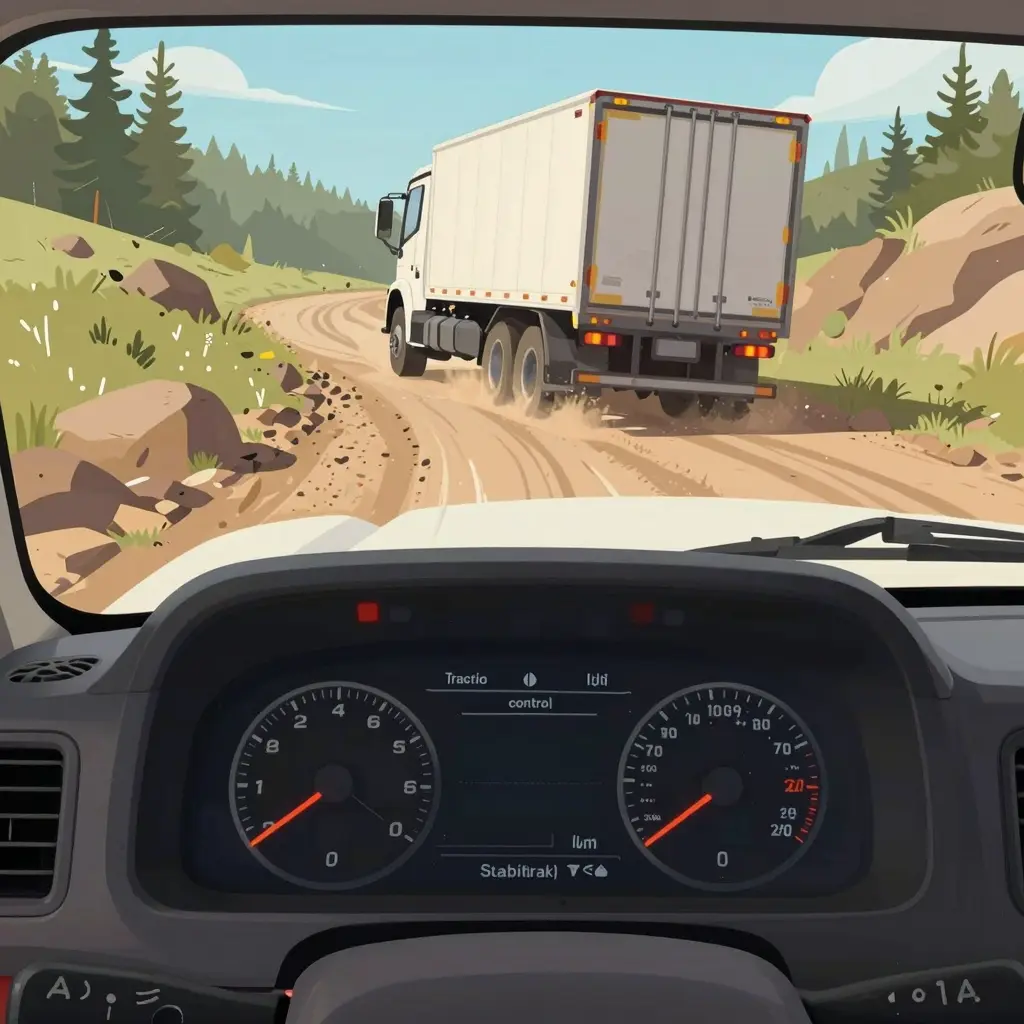
Understanding Traction Control and Stabilitrak in Trucks
For long-haul truck drivers and fleet managers, the functionality of a truck goes beyond mere performance-it encompasses safety, efficiency, and the ability to handle the unforgiving terrain. When you see a warning light for service traction control and Stabilitrak on your dashboard, it’s not just a harmless flicker. It signifies an essential component of your truck’s safety system that requires immediate attention. Understanding what traction control and Stabilitrak do can make a substantial difference, especially in challenging weather conditions or when navigating tricky roads. These technologies are designed to help maintain stability and control, preventing the wheels from losing grip and reducing the risk of accidents. In the high-stakes world of trucking, where every mile counts, knowledge of your vehicle’s systems is not just power-it’s a lifeline. Knowing how these systems work can enable fleet managers to implement better maintenance strategies and help aspiring truck drivers grasp the complex layers of vehicle technology. Stay tuned as we dive deeper into why your truck might display this warning and what measures you can take to ensure safety and optimal performance on the road. To further enhance your understanding of services that promote reliability in trucking, discover more about what 5 Star Truck Inc. offers and learn how we set new standards in transportation.
Understanding ‘Service Traction Control’ and ‘Service Stabilitrak’ Warnings in Trucks
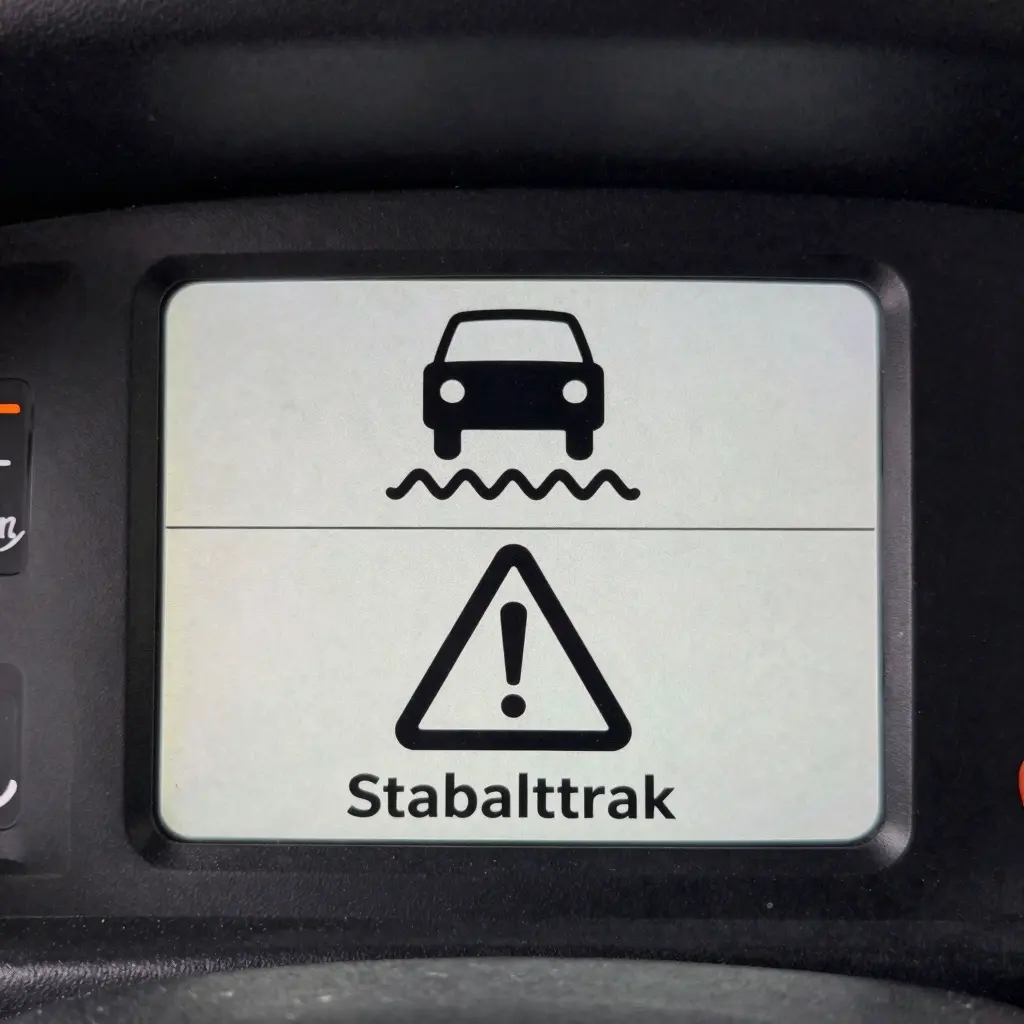
For long-haul truck drivers and fleet managers, understanding the warning messages such as ‘Service Traction Control’ and ‘Service Stabilitrak’ can be crucial in maintaining vehicle safety and performance. These warnings typically indicate a disturbance within your truck’s electronic stability control (ESC) system, which is vital for maintaining traction and stability, especially in adverse conditions.
Common Causes
-
Faulty Wheel Speed Sensors: One of the most frequent causes of these warnings is malfunctioning or dirty wheel speed sensors. These sensors measure the speed of each wheel, allowing the system to detect any discrepancies in traction. If a sensor is dirty, misaligned, or failing, it can relay incorrect information to the vehicle’s control module, triggering both warnings simultaneously.
-
Low or Mismatched Tire Pressure: Tire conditions significantly impact the functioning of traction control systems. Low tire pressure can lead to unstable vehicle dynamics, which may trigger warnings. Therefore, regular checks on tire pressure and tread depth are essential.
-
Electrical and Wiring Issues: Damaged wiring harnesses or connection issues caused by road debris or general wear and tear can lead to system malfunctions. These issues can cause intermittent faults that confuse the control systems.
-
Software Glitches: Occasionally, software problems in the vehicle’s control module may cause erroneous alerts. A diagnostic scan using an OBD-II scanner can help identify such software-related issues.
-
Hydraulic System Failures: Especially in trucks equipped with integrated ABS and Stabilitrak, hydraulic issues such as low brake fluid levels can also trigger these warning lights.
-
Aftermarket Modifications: Upgrades such as lifted suspensions or oversized tires can disrupt the calibration of the sensors. Such modifications may lead to false alerts, thus raising the need for a recalibration after any significant changes to the vehicle’s configurations.
These systems are vital for maintaining control during challenging driving conditions, particularly in wet weather or on uneven terrain. Ignoring these warnings can lead to increased risk during sudden maneuvers or in emergencies. Therefore, it’s advisable to have the system diagnosed by a professional to pinpoint the underlying issues and take necessary corrective actions.
Maintenance Insights
Understanding how traction control and Stabilitrak systems work can guide truck maintenance and enhance safety. Regular inspections of wheel speed sensors, proper tire maintenance, and routine diagnostics can help ensure these systems function effectively. Learn more about proper truck maintenance practices.
By providing attention to these crucial systems, long-haul truck drivers and fleet managers can significantly reduce the risk of accidents and enhance safety on the road. Feel free to discover the unparalleled services offered by our maintenance experts as part of your proactive approach to truck safety.
Potential Consequences of Ignoring Service Warnings for Traction Control and Stabilitrak
Neglecting service warnings related to traction control and Stabilitrak can lead to severe safety and performance issues. Here’s a bullet point list of possible negative outcomes:
- Loss of Vehicle Stability: Ignoring traction control warnings compromises your vehicle’s stability, especially on slippery surfaces like ice or wet roads, increasing the risk of losing control.
- Increased Skidding Risk: Without traction control, the likelihood of skidding during acceleration or sharp turns rises dramatically, making it difficult to maintain directional control.
- Reduced Braking Efficiency: Traction control and Stabilitrak systems enhance braking performance. Ignoring these warnings can diminish braking effectiveness, particularly in emergency situations.
- Accident Liability: A vehicle lacking these critical safety features has a higher chance of getting into accidents, which can lead to injuries, fatalities, and legal liabilities.
- Decreased Vehicle Performance: Longer neglect may lead to performance degradation of the vehicle, affecting engine power and response times during critical maneuvers.
- Higher Repair Costs: Minor issues can escalate to significant repairs if the underlying problems causing these warnings are not addressed timely.
- Difficulties in Handling Unforeseen Situations: Ignoring these warnings makes navigating sudden weather changes or emergency situations much more challenging, risking the safety of drivers and others on the road.
By recognizing and addressing service warnings as they arise, truck drivers, trucking company owners, and fleet managers can enhance safety and ensure more efficient vehicle operation.
For further details about how to maintain vehicle safety and reliability, explore our services.
Keeping a close eye on service warnings not only saves money in the long run but also protects lives. Make sure to prioritize these alerts for better road safety.
The Importance of Regular Maintenance for Traction Control and Stabilitrak Systems
Regular maintenance of traction control and Stabilitrak systems is fundamental to ensuring the safety and performance of trucks. These systems are designed to enhance vehicle stability, especially in adverse driving conditions, and their effective operation relies on various components, including wheel speed sensors, steering angle sensors, and electronic control units (ECUs). Over time, however, these components can accumulate dirt, moisture, or debris, which may lead to malfunctions or inaccurate data readings, greatly affecting the truck’s safety performance.
Key Reasons for Regular Maintenance:
- Prevent System Failure: Regular inspections help identify clogged or damaged sensors that can cause the traction control and Stabilitrak systems to fail. Ensuring these sensors are clean can dramatically enhance their responsiveness and reliability.
- Enhance Vehicle Stability: A proactive approach to maintenance ensures these systems function optimally, especially during critical situations like emergency maneuvers. Inadequately maintained systems may not react effectively, leading to a lack of stability, which is particularly risky for long-haul truck drivers.
- Avoid Warning Lights: Many truck drivers know the frustration of persistent warning lights indicating service. Regular maintenance checks can help diagnose and resolve issues, preventing unnecessary downtime and associated costs.
- Safety Concerns: Statistics from the AAA Foundation for Traffic Safety highlight that vehicles neglected in their ESC systems, which incorporate Stabilitrak and traction control, are 3.5 times more likely to be involved in accidents. Thus, vigilant upkeep is not just beneficial but necessary for protecting lives.
Actionable Insights for Maintenance Specialists and Truck Owners:
- Routine Checks: Incorporate inspections of traction control and Stabilitrak systems during every major service. Look for signals like errant warning lights and address them immediately.
- Component Integrity: Regularly inspect and clean wheel speed and steering angle sensors. Ensure wiring is intact and that brake fluid levels meet requirements.
- Driver Training: Educate drivers about the importance of these systems and the signs of potential issues. An informed driver is better equipped to identify when maintenance is needed, thus enhancing roadway safety.
By prioritizing the health of your traction control and Stabilitrak systems, truck owners and maintenance professionals can significantly reduce risks and elevate operational efficiency, leading to safer roads for everyone. Learn more about our commitment to quality service and reliability at 5 Star Trucking!
Comparison of Popular Truck Models: Traction Control and Stabilitrak Features
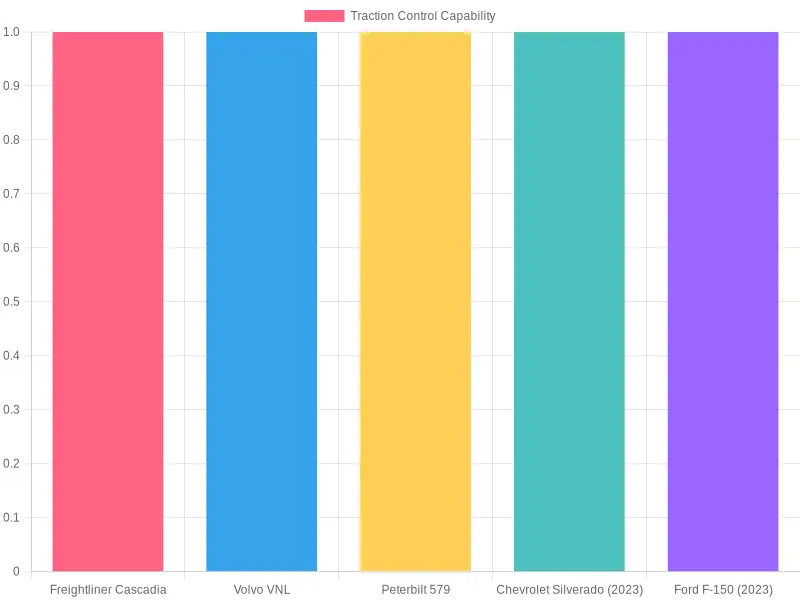
In the truck industry, traction control and electronic stability systems play critical roles in ensuring safety and enhancing driving capabilities. Below is a comparison table showcasing various 2023 truck models along with their traction control capabilities and the integration of the Stabilitrak system.
| Truck Model | Traction Control Capability | Stabilitrak Integration |
|---|---|---|
| Freightliner Cascadia | Standard traction control system with integrated stability management; part of the Advanced Safety Package (includes ABS, Electronic Stability Control). | Yes, integrated as part of the Electronic Stability Control (ESC) system. |
| Volvo VNL | Advanced traction control with dynamic wheel slip regulation; includes Volvo’s proprietary Stability and Traction Management (STM) system. | Yes, Stabilitrak is integrated under Volvo’s comprehensive ESC system. |
| Peterbilt 579 | Traction control standard on most configurations; features active differential control and wheel slip prevention. | Yes, integrated into the vehicle’s Electronic Stability Control (ESC) system. |
| Chevrolet Silverado | Available with four-wheel drive and advanced traction control with multiple driving modes (e.g., Mud/Snow, Sand, Rock). | Yes, Stabilitrak is standard on all models with 4WD. |
| Ford F-150 | Equipped with Ford’s Intelligent Traction System (ITS) which adjusts power delivery to maintain grip across varied terrain. | Yes, Stabilitrak is standard on all models with 4WD. |
For truck owners and fleet managers, understanding these features can help make informed decisions about vehicle purchases and maintenance strategies. Advanced traction control and stability systems like Stabilitrak not only enhance safety but also contribute to overall vehicle performance, particularly in challenging driving conditions.
Troubleshooting Truck Service Warnings
As a long-haul truck driver, it’s essential to understand how to troubleshoot your vehicle’s service warnings before seeking professional help. Your dashboard messages can provide crucial information about your truck’s condition, and promptly addressing these warnings can prevent further complications and costly repairs.
Step-by-Step Troubleshooting Process
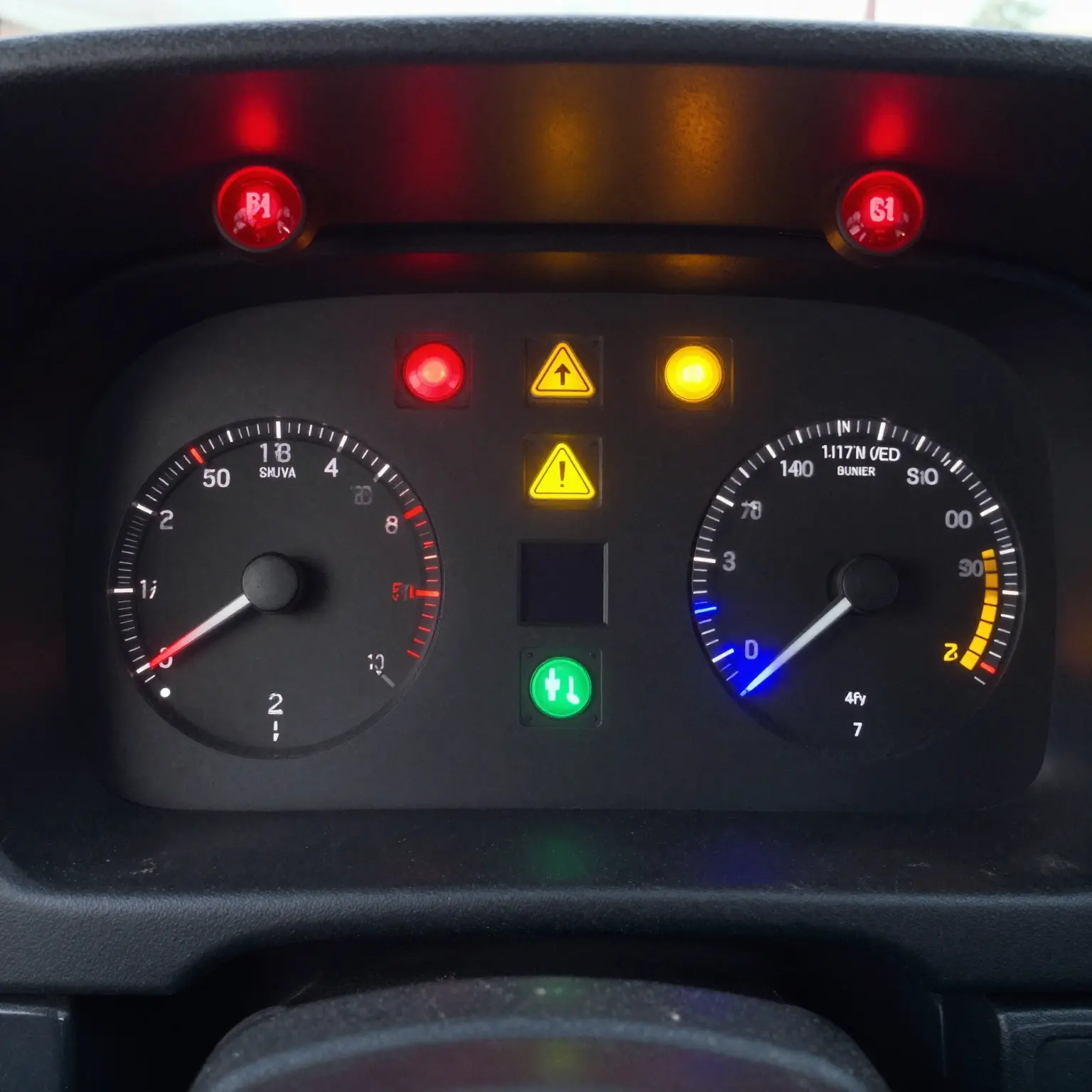
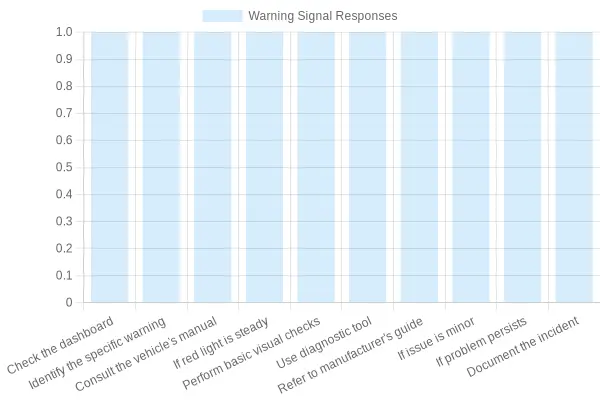
- Check the Dashboard: When you notice a warning light, remain calm and inspect your dashboard.
- Red Warnings: Indicate critical issues (e.g., engine oil pressure) requiring immediate action. Stop driving and pull over safely.
- Yellow/Amber Warnings: Suggest caution (e.g., tire pressure) and should be addressed soon, but allow limited driving to a nearby mechanic.
-
Identify the Specific Warning: Review what type of warning is displayed. Consult your vehicle’s manual for guidance on these specific alerts. It will often contain valuable information that can guide you on the next steps.
-
Perform Basic Visual Checks: Conduct a quick inspection of essential systems:
- Fluid Levels: Check engine oil, coolant, and brake fluid levels.
- Tire Condition: Look for any visible damage or abnormal wear.
- Wiring and Connections: Ensure wiring and connections around key sensors are intact.
- Use a Diagnostic Tool: Connecting an OBD-II scanner can provide insight into fault codes that help diagnose problems accurately. If a code appears, refer to the manufacturer’s reference to understand the specific issue.
- For instance, a P0171 code (indicating a lean fuel mixture) would prompt an examination of the fuel injectors and air intake system.
-
Temporary Fixes: For minor warnings, such as low coolant levels, you may safely add coolant or check battery connections as a short-term solution. However, it’s vital to ensure these fixes are only temporary until you can visit a professional service center.
-
Persistent or Severe Issues: If problems persist or escalate, such as with brake malfunctions, it’s crucial to contact roadside assistance. Driving in such conditions not only risks your safety but also that of others on the road.
-
Document the Incident: Finally, always document any dashboard alerts and actions taken. Note the type of warning, time it appeared, and the subsequent steps you implemented. Such records can aid mechanics in diagnosing any ongoing issues and assist your fleet management in tracking vehicle health.
Conclusion
Through diligence and attentiveness, truck drivers can troubleshoot service warnings effectively. Addressing these signals promptly ensures safety on the road and helps maintain your vehicle’s performance. For more resources on trucking efficiency and maintenance, check out exploring the excellence of 5 Star Truck Inc.
Visual Reference
Flowchart of Troubleshooting Steps
“Trucks equipped with advanced traction control and Stabilitrak systems have shown up to a 45% reduction in single-vehicle crashes involving loss of control. However, driver awareness and proper understanding of these systems are paramount-misuse or disabling them without necessity can negate their life-saving benefits. Operators must recognize that these systems assist but do not replace skilled driving, especially during high-speed maneuvers or on uneven terrain.”
- Dr. Linda Chen, Senior Safety Engineer at the American Trucking Associations
Understanding the importance of traction control and Stabilitrak systems is essential for anyone involved in truck operations. These insights can help long-haul drivers, fleet managers, and maintenance specialists ensure safer driving practices and improve overall safety in the transportation industry. For more about ensuring safety on the road, you can explore 5 Star Trucking or discover our unparalleled services.
Frequency of Service Warnings in Truck Models
Understanding the frequency of ‘Service Traction Control’ and ‘Service Stabilitrak’ warnings is crucial for truck drivers, engineering teams, and fleet managers alike. These warnings can indicate various issues, from sensor problems to wiring glitches, affecting the overall reliability and safety of truck operations.
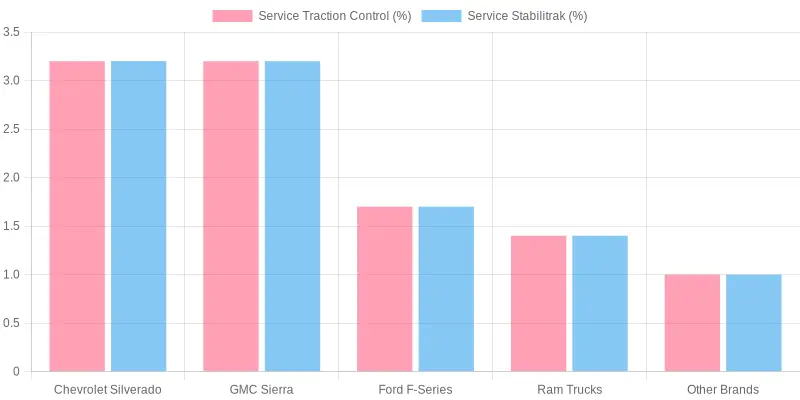
Bar Chart: Service Warning Frequency by Truck Model
The following bar chart illustrates the proportion of service warnings across several popular truck models, showcasing how often these alerts occur:
Click here for more insights on truck maintenance.
Summary of Findings
| Truck Model | Service Traction Control (%) | Service Stabilitrak (%) |
|---|---|---|
| Chevrolet Silverado | 3.2 | 3.2 |
| GMC Sierra | 3.2 | 3.2 |
| Ford F-Series | 1.7 | 1.7 |
| Ram Trucks | 1.4 | 1.4 |
| Other Brands | 1.0 | 1.0 |
The Chevrolet Silverado and GMC Sierra lead the pack at 3.2%, signaling possible complexities in their stability control systems. In contrast, Ford F-Series and Ram Trucks show lower incidence rates, suggesting a relatively more reliable performance in terms of stability control alerts.
These insights may aid long-haul truck drivers, fleet managers, and maintenance specialists in prioritizing which models to monitor closely for performance consistency and reliability on the road. For further information on improving fleet performance, explore these solutions.
Conclusion
In conclusion, addressing service warnings related to your truck’s traction control and StabiliTrak system is not just a recommendation, but a necessity for maintaining safety and performance on the road. Ignoring these alerts can lead to compromised vehicle stability, increased wear and tear, and potentially dangerous driving conditions. It’s essential to understand that these systems play a crucial role in your truck’s overall functionality, particularly under challenging driving scenarios such as rough terrains or inclement weather.
Proactive maintenance steps are key to ensuring that your truck remains in optimal condition. This includes regular inspections, servicing of the traction control system, and timely replacements of worn-out components. Fleet managers and truck owners should prioritize this aspect of maintenance to avoid costly repairs and accidents down the line. Not only does this serve to keep drivers safe, but it also extends the lifespan of the vehicle, ultimately enhancing your bottom line through reduced maintenance costs.
We at 5 Star Truck Inc. are committed to providing unparalleled service and support to help you manage your truck maintenance needs effectively. By opting for our expert services, you can ensure that you’re always one step ahead in terms of vehicle performance and safety.
Take action today by scheduling a comprehensive maintenance check for your truck. Don’t wait for those warning lights to escalate into bigger issues. Remember, a well-maintained truck is not only safer but also more efficient, ultimately contributing to a more successful trucking operation.