

For long-haul truck drivers, trucking company owners, and fleet managers alike, accurately tracking mileage is crucial for operational efficiency and compliance. However, using Tesla’s Autopilot system for this purpose is not viable. Autopilot primarily focuses on driver assistance and safety, leaving professional drivers and fleet operators in need of dedicated mileage tracking solutions. This article engages with relevant alternatives, evaluates fleet management software, and considers GPS integration to ensure all stakeholders understand how to enhance mileage monitoring effectively.
Mileage Beyond the Dashboard: Navigating the Limits of Service Autopilot for Truck Tracking

When operators ask, can we track a truck’s mileage inside a system built for service routing and crew management, the short answer is often no. Service Autopilot, a tool designed to organize field work for lawn care, landscaping, cleaning, pool care, and pest control crews, excels at scheduling, route optimization, time tracking, and photo documentation. It shines at telling a supervisor who is where, who has completed a task, and how long it took to finish it. It does not, by design, provide a robust stream of vehicle telemetry, including precise odometer readings, distance traveled, or fuel usage for commercial trucks. In other words, the mileage data that fleets rely on for accounting, tax reporting, maintenance planning, and regulatory compliance lives in a different part of the technology stack than the work-management modules for which Service Autopilot was built. To be clear, if your goal is to measure miles driven by a truck for billing, depreciation, or service scheduling, you cannot rely on Service Autopilot alone. The barrier is not a missing feature in a dashboard tab; it is the fundamental scope of a platform that prioritizes job details, progress, and crew management over vehicle telemetry. The gap becomes evident the moment you try to reconcile miles with driver hours, routes, and job codes in a single view. The data you need is generated by hardware and software engineered specifically for vehicle health and mobility analytics, not by a task-management app that runs on a phone or tablet. For a fleet business, the mileage question raises a broader design issue: you want a separation of concerns that preserves the strengths of each system while enabling a reliable data bridge between them. In practice, this means pairing Service Autopilot with a dedicated telematics or fleet-management solution that can attest to how far a truck has traveled, when it traveled, and under what conditions. The result is a layered approach where field workflow is optimized through one tool, while vehicle mileage and performance are tracked through another with careful data integration. This approach preserves the clarity of your reporting and prevents the muddying of data streams that can arise when a single, multipurpose platform tries to do too much at once. The question, then, shifts from whether you can squeeze mileage out of Autopilot to how you design a robust data ecosystem that respects the strengths of each component while ensuring the numbers you report are accurate, auditable, and timely. To that end, turning to hardware and telematics-enabled strategies becomes not just a choice but a necessity for true mileage visibility in a trucking context. You will hear two common themes emerge: first, the mileage you need is best captured by devices that directly read engine and location data; second, the insights you want—distance, fuel efficiency, route history, engine status—are most reliable when gathered in real time and stored in a system designed to crunch large volumes of vehicle data. It is not a judgment against Service Autopilot, but a practical acknowledgment that it was not built for this purpose. This separation also has ergonomic benefits. Dispatchers who rely on job status and crew status can keep their attention on execution without wading through vehicle telemetry that may be irrelevant to a particular task. Fleet managers, on the other hand, can set up dashboards that precisely track miles, maintenance windows, and compliance milestones, without forcing a factory floor-like readout into a field-service app. When both systems talk to each other, the business gains a coherent narrative: miles traveled, time on the road, maintenance intervals, and job profitability all align to tell the same story. The missing link, however, is a careful design of data flows and governance. You do not simply connect two systems and hope for perfect synchronization. You map data fields—odometer readings, engine hours, GPS timestamps, fuel usage—so that the mileage data you pull from a telematics platform can be reconciled with the time entries and job codes in Service Autopilot. You establish currency in the data by agreeing on units, time zones, and update frequencies. You define who is responsible for data quality and how discrepancies are resolved when a mile is logged differently by two separate sources. In this light, mileage tracking becomes a question of architecture as much as a question of hardware. The architecture you choose should accommodate the realities of commercial trucking, including the frequent travel across different jurisdictions, the need for offline data capture during remote operations, and the necessity of near real-time visibility for fleet oversight. It should also recognize the realities of field-based service work, where crews rely on mobile devices, local networks, and occasional data gaps. This is where OBD-II devices and telematics-enabled fleet platforms come into the conversation. An OBD-II reader, plugged into a vehicle’s diagnostic port, can capture odometer data, hours of operation, and sometimes engine fault codes. When paired with a cellular gateway or a dedicated in-vehicle modem, the device can push mileage updates to a cloud service at regular intervals. A GPS-enabled telematics system can provide a trusted log of miles driven, routes taken, and stops made. It can also fuse this mileage data with speed, acceleration, idling time, and fuel consumption to produce a comprehensive picture of vehicle performance. The result is a data stream that supports precise mileage accounting, fuel budgeting, and preventive maintenance scheduling. A critical caveat remains: not all telematics platforms are created equal, and integration with a service-management app like Autopilot requires careful planning. You will want to ensure that the telematics system exports data in a compatible format and that your back-end processes can reconcile the telemetry with job-based records. The reconciliation process matters because misaligned data can lead to faulty billing, erroneous maintenance planning, or misplaced tax reporting. A practical approach is to define a single source of truth for mileage, then let each system contribute its specialized data to its own domain. The truck’s odometer or telematics feed remains the authoritative mileage source, while Service Autopilot continues to manage who did what, when, and where. The two streams intersect in a reporting layer that can present a mileage-informed view of job profitability, fleet utilization, and maintenance readiness. A thoughtful integration strategy can also support compliance and auditing. Many jurisdictions require accurate mileage logs for tax purposes or for regulatory reporting in certain industries. By leveraging an independent mileage source, and by configuring a clear audit trail that shows data provenance, you reduce the risk of disputes over miles. You can attach timestamps, device identifiers, and source metadata to each mileage record, so you can trace back every mile to its origin if ever questioned. From a cost perspective, the split between job-management and vehicle-telemetry systems can be financially prudent. Service Autopilot continues to deliver value where it shines, without forcing fleets to over-invest in a telemetry layer that overlaps with other needs. Conversely, a telematics solution offers a focused, scalable way to capture, analyze, and export mileage and related metrics across a growing fleet. In practice, your implementation plan might begin with a basic telemetry deployment for a subset of trucks, paired with your existing service-management workflow. As you confirm data reliability and smooth the data integration, you can expand coverage to the rest of the fleet and extend the analytics to maintenance planning, driver behavior analysis, and route efficiency reporting. The path toward reliable mileage tracking is not a single feature toggle but a sequence of decisions about hardware, data models, governance, and workflows. It invites you to design a minimal but robust telemetry layer that answers core questions: How many miles did this truck travel this month? What was the average fuel per mile? When did idle time occur, and for how long? Were there any unexpected spikes in engine hours or atypical routes that might indicate maintenance needs or fuel-waste opportunities? These insights feed directly into budget planning, maintenance calendars, driver coaching, and customer invoicing where mileage is a factor. In this light, mileage tracking becomes a strategic capability rather than a tactical afterthought. The choice to adopt or augment Service Autopilot with a dedicated telematics solution should be framed as an operational decision rather than a technical fad. It is about aligning the right tools with the right problems, and about creating a data ecosystem that preserves the integrity of each data stream. You can maintain the strengths of Service Autopilot for crew coordination, while leveraging an independent vehicle telemetry system to deliver trustworthy mileage data. For teams navigating this transition, a simple guiding principle helps: treat miles as a separate dimension from work orders, but link them through a shared data model so leaders can see how miles relate to labor hours, route choices, and maintenance cycles. As you consider the implementation, you may also explore maintenance and uptime implications. The more reliably you can quantify miles driven, the easier it becomes to schedule preventive maintenance, track wear, and avoid unexpected downtime. In this sense, mileage data is not an isolated metric but a pillar of fleet health. For those seeking deeper maintenance insights tied to mobility, there is a broader conversation about uptime strategies and the role of product support in keeping critical equipment available. See the discussion on unlocking fire apparatus uptime—essential product support secrets for related considerations about maintenance planning and reliable performance. Unlocking fire apparatus uptime—essential product support secrets. While you read this, keep in mind that the goal is not to replace Service Autopilot but to complement it with telemetry that provides honest mileage data. When you pair well, you gain a double-edged advantage: a clear picture of what your crews are doing on the ground, and a trustworthy log of vehicle movement that supports compliance, cost control, and proactive maintenance. If you are seeking a road map, a practical sequence often begins with selecting a hardware layer capable of capturing odometer or engine-hour data and a location-tracking backbone that provides reliable GPS history. Then, choose a reporting platform that can export mileage into common formats that your accounting, payroll, and tax teams can consume. Finally, integrate the data flow so that Service Autopilot continues to manage jobs and routes while the mileage data informs scheduling of preventive maintenance, refurbishment planning, and driver retention programs. This multi-system approach also helps when it comes to offline realities. A truck may operate in areas with limited connectivity, but most telematics devices are designed to queue data for later transmission and to reconcile data once the connection is restored. That resilience matters for fleets that regularly work off-grid or in remote service areas. In the end, the mileage question is not about a single app getting lucky with a data point; it is about building a durable, auditable data fabric that preserves the best capabilities of each system while delivering a complete, accurate, and actionable view of fleet movement. When you recognize the limits of Service Autopilot for mileage, you unlock the opportunity to design an integrated solution that respects the specialized strengths of vehicle telemetry and fleet management. The result is not merely a number on a dashboard but a reliable foundation for budgeting, maintenance, compliance, and smarter routing—an environment where your service teams can continue to excel, and your trucks can keep moving with fewer surprises. External resources can illuminate best practices for adopting telemetry in a growing fleet, and a closer look at telematics concepts can help you speak the same language across departments. For a broad introduction to tehcnology behind this shift, you may consult sources like Telematics basics. External resource: https://en.wikipedia.org/wiki/Telematics
Alternative Solutions for Tracking Truck Mileage in Service Autopilot
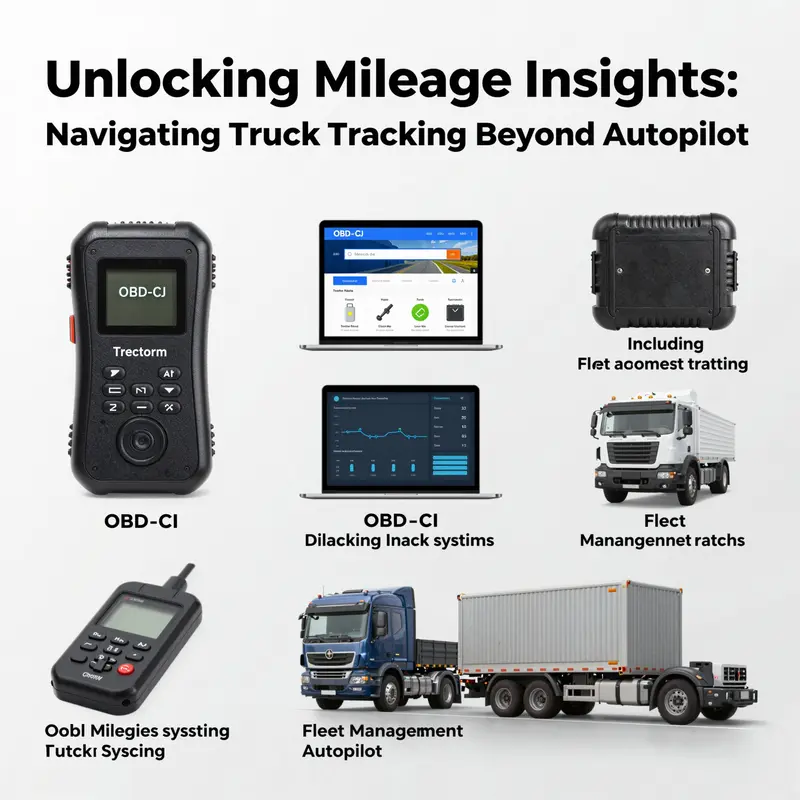
A common question among fleet operators and drivers is whether a modern driver assistance system can also track a truck’s mileage. In most cases, the short answer is no. Service Autopilot, as a term, often creates confusion, because it is not a standardized, widely recognized solution for logging vehicle miles or managing fleet metrics. The core purpose of Autopilot-like features, where they exist in passenger vehicles, centers on driver assistance, safety, and automated steering or braking assistance. They do not provide the robust mileage-tracking capabilities required for commercial fleets. If your goal is automatic, auditable mileage records for tax deductions, reimbursements, maintenance planning, or regulatory compliance, you’ll want to look beyond Autopilot for dedicated tracking approaches. The good news is that there are clear, proven paths that can deliver accurate mileage data, integrate with accounting and maintenance workflows, and scale with your fleet without relying on features designed for a different vehicle category.
One of the most reliable starting points is an onboard diagnostic interface paired with dedicated devices. These OBD-II style interfaces, when connected to a truck’s diagnostic port, can read odometer readings and generate continuous logs of miles driven. The advantage here is straightforwardness: the device captures the same odometer data that appears on the vehicle’s instrument cluster, and it can export or transmit that information to a central system. Many fleets use these adapters to push data into fleet-management or accounting software, creating a single source of truth for all miles driven across the fleet. The practical reality is that not every truck model uses identical diagnostic wiring, and some heavy-duty vehicles may require more robust telematics hardware designed to tolerate vibration, load, and long-haul operation. Still, for fleets that want precise mileage data without intrusive changes to daily operations, an OBD-II–style solution remains a foundational option built on a simple premise: miles recorded at the source are the most trustworthy starting point for any downstream reporting.
Beyond the hardware linkage, a broader category of tools exists to turn mileage into actionable intelligence. Fleet management software, in its most useful form for trucking operations, combines real-time location data with mileage logs, driver behavior insights, maintenance schedules, and regulatory reporting. These platforms collect data from multiple inputs—GPS trackers, vehicle sensors, and driver input—then present it in dashboards that can be customized for dispatch teams, accountants, or safety officers. The mileage component is often automated, reducing manual entry and the risk of errors. When configured correctly, the system can generate a complete mileage trail, show business versus personal miles, categorize trips by driver or vehicle, and export the results in formats compatible with tax software or ERP systems. For a fleet owner seeking to maximize efficiency and compliance, the integration of mileage with route optimization, maintenance planning, and fuel management creates a holistic view of vehicle utilization that far surpasses what any single in-vehicle feature could deliver.
Some fleets rely on dedicated GPS-tracking systems that focus on precise location history and mileage accumulation. These units are installed in the vehicle and continuously log movement, often providing automatic trip summaries that include start and end times, distance traveled, and geofenced stop points. The real power of GPS-centric solutions comes when the data is linked to invoicing, billing, or asset utilization metrics. If your operation includes multiple depots, variable routes, or on-demand inspections, GPS-based mileage tracking can provide the traceability you need for audits or customer reporting. As with OBD-based approaches, the key is to ensure the data can be exported and reconciled with your financial and maintenance records in a way that preserves an auditable trail.
Another avenue worth considering is the built-in telematics and portal access that many modern commercial vehicles offer. Many manufacturers embed telematics systems directly into the vehicle, with data accessible through an app or a manufacturer-provided portal. In those cases, mileage history, route histories, and performance metrics may be available without additional hardware. This can be particularly attractive for fleets operating at scale, where the cost of adding third-party devices is substantial. The caveat is that access can vary by vehicle model and firmware level, and the telematics data might be locked behind a vendor-specific interface. If you already own a fleet of trucks with factory-installed telematics, checking the manufacturer’s portal can reveal mileage history, maintenance reminders, and even compliance-related records without the overhead of deploying new devices across every vehicle.
As you consider these pathways, it helps to keep several guiding principles in mind. First, accuracy and integrity of data trump everything else. A reliable mileage record is only as trustworthy as its data source and its ability to be reproduced in audits. That means choosing inputs that are tamper-resistant and easy to verify, such as measurements taken directly from the vehicle’s odometer via a secured device, or data streams that are automatically generated from calibrated sensors. Second, integration is essential. Mileage should not exist in a silo; it must connect with maintenance histories, fuel data, and payroll or accounting workflows to deliver real value. A system that can share data across departments reduces manual reconciliation and the risk of misclassification between business and personal miles. Third, you want scalability. A solution that works well for a handful of trucks may not meet the demands of a growing fleet. Look for options that handle vehicle classes, multiple depots, and evolving regulatory requirements without requiring a complete technology overhaul each time you expand.
The practical steps to implement a robust mileage-tracking approach start with clarity about what you need to measure and report. Begin by mapping your business miles: trips that are billable, trips tied to maintenance, and miles that do not affect job costing, such as backhauls or deadhead travel. Then outline the desired outputs: a daily or weekly mileage report, a quarterly tax deduction summary, or a regulatory log for fleet compliance. With those objectives in hand, you can evaluate inputs and systems in terms of how well they deliver those outputs, how easy they are to use for drivers and dispatchers, and how seamlessly they fit into your existing financial or ERP architecture. In practice, many fleets find that a blended approach works best: hardware-based odometer capture for accuracy, complemented by a telematics platform that aggregates data, automates reporting, and provides dashboards for managers and accountants alike.
As you contemplate the right mix of solutions, it is useful to consider a practical example of how a blended setup might operate. A typical workflow begins with an OBD-II or telematics device recording odometer data as the truck travels. That data is then transmitted to a central platform, where it is matched to driver identity, trip purpose, and vehicle maintenance events. The platform can automatically classify miles as business or personal, sum up total miles per vehicle, and generate a tax-deductible mileage report that aligns with IRS or local tax guidance. The same system can push maintenance reminders when mileage thresholds are reached, ensuring preventive service is scheduled before a vehicle reaches a critical defect or a breakdown risk increases. And because the data is automatically collected, drivers spend less time on paperwork, while dispatchers gain a clearer view of asset utilization and route efficiency. This kind of end-to-end workflow helps a fleet achieve better cash flow, improved compliance, and a stronger basis for future planning.
In integrating these capabilities, the human element remains essential. Drivers and technicians must understand how the data will be used and why accuracy matters. Clear procedures should be established for confirming odometer readings, recording exceptions, and handling vehicle-sharing scenarios. Training might cover how to flag discrepancies, how to annotate trips with useful metadata, and how to use the reporting dashboards to verify that mileage aligns with maintenance schedules and invoicing cycles. A well-designed process reduces friction and increases adoption, which in turn improves data quality and the reliability of downstream decisions. Even with sophisticated software, the most reliable mileage records often arise from a disciplined approach to data collection, verification, and continuous improvement.
For those who want a concrete touchpoint in the ongoing journey toward better mileage management, a linked resource within the broader fleet-maintenance ecosystem can be valuable. See the fire-truck maintenance service training page for guidance on how to coordinate vehicle upkeep with mileage tracking, so that maintenance intervals align with miles driven and service histories stay synchronized with the fleet’s financial records. This kind of cross-functional training helps ensure that everyone—from technicians to accountants—speaks a common language when discussing vehicle utilization and asset health. fire-truck maintenance service training.
If you are seeking external guidance to shape your mileage-tracking strategy, there is a wealth of practical information on automatic mileage tracking and its implications for tax reporting and fleet management. A reputable external resource provides a broad overview of how automatic mileage logging works, how to categorize trips, and how to ensure that the data you collect is auditable and defensible in audits. Access to such guidance can help you compare your internal processes against established best practices and refine your implementation plan to meet regulatory and financial requirements. For reference, an external resource on mileage-tracking practices can be explored at: https://www.mileiq.com/.
Ultimately, the question of whether a truck’s mileage can be tracked within a service-focused autopilot system is less about the capability of the autopilot itself and more about choosing the right toolset for the job. The fleet environment demands reliability, traceability, and integration across maintenance, payroll, and compliance tasks. A purpose-built mileage-tracking approach—whether it relies on direct odometer capture, a sophisticated telematics platform, or manufacturer-provided telematics data—offers far greater value than attempting to repurpose any driver-assistance system not designed for commercial vehicle metrics. When implemented thoughtfully, these solutions deliver not only precise mileage records but also a clearer view of route efficiency, asset health, and cost drivers across the fleet. That clarity is what ultimately enables better budgeting, smarter maintenance planning, and stronger audit readiness, all while reducing the administrative burden on drivers and fleet staff alike.
From Autopilot to Fleet Insight: Choosing Mileage-Tracking Software for Commercial Trucks

Fleet operations continually push the edge between precision and practicality. The promise of driver-assist systems in passenger vehicles often creates the impression that everything fleet-related can be managed by the same technology. In reality, tracking truck mileage, maintaining accountability for fuel usage, and ensuring compliant, auditable records require a different architecture. These tasks demand purpose-built fleet management software paired with telematics hardware, not consumer driver-assistance features. This chapter unfolds the path to selecting mileage-tracking software that truly fits commercial trucking, emphasizing how core capabilities, integration flexibility, and cost structures come together to produce reliable data, smoother operations, and real value for fleets of all sizes.
At the heart of any mileage-tracking initiative is accuracy. Automated mileage logging is not just about knowing how far a vehicle has traveled; it is about capturing the exact start and end points of trips, the duration of each leg, and the context of each movement. An effective system starts with an in-vehicle device or a built-in telematics port that can read odometer data and translate it into standardized trip records. The most practical implementations use an OBD-II interface or a dedicated telematics gateway that can continuously monitor engine hours, trip distance, and idle time. The goal is to minimize manual data entry, because human error lurks in every keystroke. Real-time access to location data via a live map, paired with automated trip logs, provides a foundation that is crucial for audits, reimbursements, and performance analysis.
Beyond the mechanics of data capture lies the broader value proposition. Real-time GPS tracking is not a luxury; it is essential for dispatch optimization, customer service response, and theft deterrence. A robust fleet management solution presents a consolidated view where mileage, route history, fuel consumption, and vehicle status converge. The ability to replay routes, verify stops, and compare planned versus actual routes empowers operations teams to shave minutes from each day’s schedule and save fuel across the entire fleet. For fleets that run multiple shifts or line-haul operations, the capacity to segment data by driver, vehicle type, or region becomes a strategic advantage rather than a bookkeeping convenience.
Geofencing adds another layer of control. By defining geographic boundaries around yards, depots, or customer sites, fleets can receive instant alerts when vehicles enter or leave critical zones. This is not just about security; it is about enforcing operational discipline and protecting margins. When combined with mileage data, geofencing helps distinguish miles driven within approved duty cycles from those logged in off-hour or unauthorized contexts. The result is cleaner data, easier compliance reporting, and a clearer view of how every mile contributes to the bottom line.
Maintenance management is the quiet workhorse of a mileage-tracking system. In long-haul and regional operations alike, maintenance events—oil changes, brake inspections, tire replacements, and inspections—have a direct impact on uptime and fuel efficiency. Integrated maintenance modules automate reminders, generate service histories, and centralize records that auditors expect. The linkage between mileage history and maintenance intervals often reveals patterns that manual systems miss: a certain mileage threshold coincides with higher engine wear, or a specific route profile correlates with more frequent tire wear. When a fleet software solution ties mileage data to maintenance tasks, it shifts maintenance from a reactive habit to a proactive discipline. This alignment supports reliability, reduces downtime, and enhances overall fleet profitability.
When evaluating software options, consider the architecture that underpins data. A well-designed system offers clear data ownership, robust API access, and reliable data export formats. You want to be able to pull mileage figures into reimbursement workflows, tax reports, and internal dashboards without fighting with inconsistent file types or missing fields. The right platform also provides scalability. A fleet with ten vehicles should be able to grow to hundreds or thousands without rearchitecting the data model. In practice, scalability means modular feature sets, clean data schemas, and a vendor who can support architectural changes as the fleet grows or regulatory requirements shift.
The choice is rarely only about features. It is about integration and adoption. A fleet management solution should play nicely with existing hardware and software ecosystems. This includes compatibility with in-vehicle telematics devices, maintenance management systems, route optimization tools, and even payroll or reimbursement systems. The ease of integration—how straightforward it is to connect data sources, how well data formats map, and how transparent the data workflow remains—can determine the difference between a solution that delivers sustained value and one that sits unused on a shelf. Data integrity matters more than the pretty charts on the dashboard; if the data arrives late, in the wrong format, or with gaps, confidence erodes and teams stop relying on it.
Cloud-based delivery models broaden the accessibility of mileage-tracking software. Real-time dashboards become available from dispatch desks, driver tablets, or mobile devices, enabling informed decisions regardless of location. Yet cloud architectures come with considerations. Cellular connectivity must be reliable enough to keep data flowing, especially for operations in rural corridors or areas with patchy coverage. Privacy and driver consent are legitimate concerns that must be addressed through transparent policies, role-based access controls, and clear data-retention guidelines. An implementation plan should also anticipate the initial data import—the process of bringing legacy vehicle data into the new system without creating reconciliation headaches.
The best software for truck mileage tracking is not universal; it is tailored to the fleet’s specific use cases. For large fleets with complex maintenance schedules, the emphasis may tilt toward a mature maintenance module, with strong alerting and a proven history of uptime. For delivery or service-oriented fleets, dynamic routing and real-time capacity planning can take center stage, while geofencing ensures adherence to planned routes. The common thread is alignment with business objectives: accurate mileage records for reimbursement and compliance, precise fuel budgeting, improved dispatch efficiency, and a clear route to ROI.
To navigate the evaluation landscape, start with a disciplined set of steps. Begin by mapping the key performance indicators that matter most to your operation. Is the primary goal to reduce idle time, optimize dispatch, or ensure audit-ready mileage logs for IRS reimbursement? Once you articulate the goals, translate them into required features: automated mileage logging, real-time GPS, robust maintenance tracking, and strong integration options. Next, quantify the total cost of ownership. Look beyond upfront licensing fees to ongoing expenses such as per-vehicle per-month charges, data storage, training, and potential professional services for deployment. Ask about data accessibility—whether you can export data into your own systems without friction—and confirm who owns the data and in what formats.
Another essential step is the vendor support and partner ecosystem. A good fleet software partner will offer onboarding assistance, ongoing training, and clear escalation paths. They should provide case studies or references that resemble your operational profile, whether you manage a regional fleet, a long-haul operation, or a mixed-use service fleet. Case studies are useful not because they predict outcomes with perfect accuracy, but because they demonstrate that the vendor has successfully navigated the typical challenges: data migrations, change management, and user adoption. In parallel, consider the vendor’s roadmap. A platform that actively evolves—adding new data sources, refining analytics, and improving mobile experiences—will better serve a fleet over the long term.
Operational realities also shape the decision. For example, data governance is not optional in fleets with multiple stakeholders. Define who can view mileage data, who can push data into reimbursement workflows, and how privacy considerations are handled for drivers. You may want to separate administrative access from driver-facing views, so sensitive compliance data remains protected while dispatch teams access the information they need to run a tight operation. Training plays a pivotal role here. A smooth rollout depends not just on software capabilities but on how well teams learn and apply the new processes. Maintenance emphasis, as discussed in broader fleet operations circles, matters for reliability and uptime. See the discussions around the importance of targeted maintenance training for frontline teams fire-truck maintenance training importance for a sense of how disciplined maintenance practices complement data-driven decisions in demanding fleets.
Once a pilot phase is underway, define a small, controlled environment to test the mileage-tracking workflow. Measure data accuracy by cross-checking automated logs with known odometer readings and driver logs. Assess the system’s ability to flag anomalies—mileage spikes, unexpected idle periods, or gaps in route history. Use the pilot to calibrate data integration points, refine dispatch rules, and validate how the maintenance module triggers service reminders. The pilot should culminate in a concrete business case, not just a technical demonstration. If the pilot shows measurable improvements in route efficiency, maintenance compliance, or reimbursement accuracy, you have a stronger case for broader deployment.
In the broader picture, the right mileage-tracking software becomes a catalyst for a data-informed operating model. It is less about the novelty of real-time maps and more about turning miles into actionable insights. When mileage data is consistently accurate, it fuels better dispatch decisions, which in turn reduces unnecessary miles and improves customer service times. It supports maintenance planning that minimizes unplanned downtime, extends asset life, and protects resale value. It informs fuel budgeting with granularity that enables tighter cost controls. It also supports governance and compliance workflows by delivering auditable reports that stand up to regulatory scrutiny.
As you move from evaluation into procurement and deployment, keep your eyes on the practical realities of fleet life. Drivers, dispatchers, and maintenance teams all interact with the system in meaningful ways. Change management, training, and role-based access are not afterthoughts; they are essential components of success. The best mileage-tracking solution respects the realities of the road—fluctuating connectivity, diverse vehicle types, and the need for quick, accurate information when decisions must be made in the moment. In that sense, the technology serves people as much as it serves data, translating miles into reliable performance indicators that can guide policy, planning, and everyday routing decisions.
In closing, the journey from relying on ad hoc mileage notes to embracing a cohesive fleet-management approach is a strategic shift. It requires clarity about what you want mileage data to do for your operation, discipline in the data you collect, and a partner ecosystem that supports your goals over time. With these elements in place, mileage tracking becomes not a compliance obligation but a continuous driver of efficiency, reliability, and service quality across the fleet.
From Path to Miles: The Critical Role of GPS-Driven Telematics in Accurate Truck Mileage Tracking
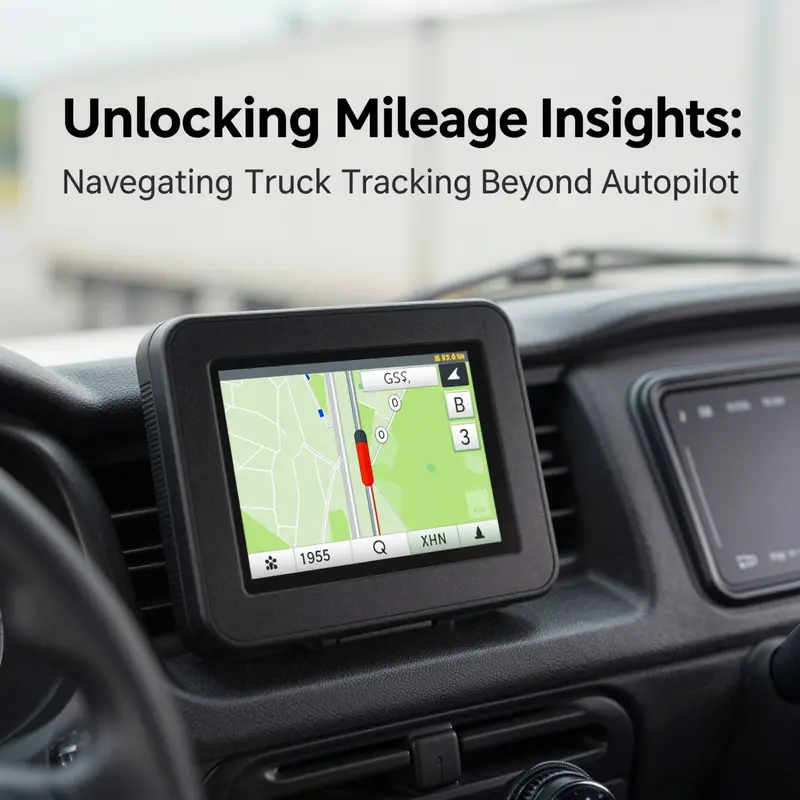
When fleets ask whether they can track a truck’s mileage through driver-assist features embedded in passenger vehicles, the answer is clear: not in a way that suits commercial operations. Those systems are designed to help a driver operate a vehicle safely and efficiently, but they do not provide reliable, auditable mileage metrics for fleets. Real mileage tracking for trucks requires a different framework—one built on global positioning signals, digital route records, and centralized data that can be trusted for maintenance planning, billing, compliance, and optimization. This chapter explores how integrating GPS-based tracking with telematics delivers accurate mileage data for heavy-duty operations, and why this approach is now a foundational element of modern fleet performance.
At the core is a shift from relying on the vehicle’s odometer to measuring actual movement through a network of sensors and signals. GPS technology, when paired with a robust data platform, allows fleets to capture where a truck goes, how far it travels, and how it travels from point A to point B. Geographic information system capabilities add the layer of context—the road network, barriers, time of day, and typical traffic patterns—that makes the raw location feed meaningful for business decisions. The result is not merely a tally of miles; it is a complete picture of vehicle utilization, with the precision to differentiate between miles driven on a designated route, miles logged while idling, and miles traveled while in a forbidden or restricted zone. In practice, this translates into objective mileage calculations that survive tampering and mechanical quirks, because they reflect the actual travel path rather than a potentially misleading odometer snapshot.
The technology stack behind this capability is elegantly simple in principle and powerful in execution. GPS satellites broadcast signals that are received by onboard antennas, and the receiver translates those signals into position data—latitude, longitude, and altitude. Modern practice benefits from a constellation that may include alternative satellite systems, which can accelerate position fixes and improve reliability in complex urban environments or remote corridors. Once the vehicle’s position is determined, the data is transmitted over cellular networks to a cloud-based monitoring platform. There, analysts can replay routes, examine velocity, identify idle periods, and tally the total distance traveled over a given period. The distance is calculated by summing the lengths of the driven paths rather than counting wheel revolutions or relying on the vehicle’s odometer reading. This distinction matters: it makes mileage a reflection of actual travel, which is especially valuable when route detours occur, when a vehicle is moved without the engine running, or when the odometer is altered or otherwise compromised.
A critical feature that flows from this approach is real-time location monitoring paired with historical route playback. Real-time visibility allows dispatchers and fleet managers to understand where each truck is at any moment and to respond quickly to disruptions—whether that means rerouting around an accident, altering a delivery window, or accommodating an urgent customer request. Historical playback, on the other hand, provides an objective audit trail. For regulated operations or customer contracts, being able to demonstrate exactly where a vehicle traveled and when it did so is essential. It is a form of data integrity that is far more robust than relying on manual logs or self-reported mileage numbers.
Geofencing adds another layer of control and accountability. By defining digital boundaries around depots, maintenance facilities, and authorized corridors, a fleet can automatically receive alerts if a vehicle enters or exits a zone outside the approved plan. These alerts help prevent unauthorized use and support compliance with route restrictions, driving hours, or hazardous-material handling requirements. The system can also flag deviations from planned routes, which can prompt an immediate safety review or corrective actions to avoid unnecessary mileage that adds wear and fuel consumption without delivering value to customers.
Beyond position and distance, the telemetry feeds can be enriched with speed data and driver behavior indicators. Speed monitoring supports safety programs and fuel efficiency initiatives by identifying patterns such as repeated over-speed events or inconsistent cruising speeds that correlate with tire wear and engine strain. Driver behavior analysis, which looks at accelerations, harsh braking, and sharp turning, provides insights into operational practices that influence mileage accuracy and vehicle longevity. When a fleet understands how driving style translates into wear, maintenance costs, and route efficiency, the mileage numbers they rely on become part of a broader performance story rather than a stand-alone statistic.
Automatic mileage calculation based on travel paths also shines in scenarios where the traditional odometer might misrepresent usage. Consider a truck that is moved between locations for maintenance, or one that experiences wheel or transmission issues that affect odometer readings. A path-based mileage approach records the actual distance covered, reducing the risk that a vehicle’s reported mileage is inflated or deflated by mechanical quirks. This integrity is particularly valuable in long-haul networks where accurate mileage is not just a bookkeeping concern but a driver of maintenance scheduling, fatigue management, and duty-cycle planning.
The practical benefits extend into maintenance and uptime management. Accumulated mileage is a common trigger for inspections and service intervals. When mileage is derived from actual travel rather than a static meter, maintenance windows align more closely with real wear and tear. This alignment helps prevent unscheduled downtime and reduces the nuisance of late or premature service. In cold-chain operations where temperature control is critical, GPS-enabled systems can couple mileage data with environmental metrics, ensuring that the most demanding legs of a journey receive appropriate attention and that the vehicle’s performance correlates with the duty cycle it undertakes.
In industries ranging from freight transport to emergency services and cold-chain logistics, the ability to monitor both position and mileage in a single, unified system has become a standard expectation. For fleets that require more than location, the technology also offers remote capabilities that can enhance security and optimize utilization. In some setups, administrators can remotely trigger vehicle controls to halt engine operation if a vehicle is stolen or misused, or disable fuel delivery to prevent losses. Such measures, while potent, must be implemented within strict governance frameworks that balance security with driver safety and legal considerations. The overarching aim remains straightforward: to provide a precise, auditable account of how far a vehicle travels, when, where, and under what conditions.
From a business perspective, the data generated by GPS-driven telematics supports a more nuanced and strategic view of fleet performance. Route optimization becomes a data-driven exercise, where mileage figures feed into fuel planning, maintenance budgets, and contract pricing. That alignment is especially valuable for fleets that operate under tight margins or that service multiple customers with differing requirements. The insights enable better dispatch decisions, improved customer service through accurate delivery timing, and a clearer picture of asset utilization across the fleet. In this sense, mileage tracking is not a standalone indicator but a connective tissue that links route planning, maintenance planning, safety programs, and customer commitments into a single, auditable narrative.
The technology does not exist in isolation. It sits at the intersection of satellite navigation, wireless communication, data processing, and user-friendly dashboards. The reception of GPS signals is just the starting point. Pseudo-range data from multiple satellites forms the backbone of precise positioning, while ground-based augmentation or additional satellite systems can accelerate fixes and improve reliability in challenging environments. The data then travels over cellular networks to cloud-based platforms where it is processed, stored, and presented to decision-makers. The best implementations provide an integrated view that merges mileage with location history, fuel usage, maintenance status, and preventive service schedules, creating a holistic picture of fleet health rather than isolated data points.
It is worth noting a broader market trajectory that supports these capabilities. The growth of networked, intelligent telematics reflects a broader shift toward data-driven logistics. Fleet operators increasingly expect solutions that not only track where a vehicle is but also reveal how it is being used, why certain routes perform better than others, and where opportunities exist to reduce waste. This evolution is driven by advances in satellite navigation, improvements in wireless networks, and the maturation of cloud-based analytics. The result is a system that can deliver accurate mileage as a matter of course, with the reliability and transparency needed for decisions that affect maintenance schedules, insurance considerations, and customer commitments. The ambition is not merely to record miles but to translate those miles into actionable intelligence for the next mile of operation.
For those who want to explore the mechanics behind navigation and positioning, the authoritative reference on how global navigation satellite systems operate provides a helpful overview of the science behind accurate tracking. It is worth reviewing as fleets design the integration of GPS with their own data ecosystems. External resources from the official national positioning system office explain how GNSS technology works, how signals are processed, and how accuracy is achieved across different environments. External link: https://www.gps.gov/systems/gnss/
As fleets consider implementation, practical considerations come into play. The path to successful mileage tracking through GPS-driven telematics begins with a clear understanding of goals. Is the primary objective to verify compliance with regulatory driving hours, to optimize maintenance intervals, or to improve customer billing accuracy? Different priorities shape the configuration, data retention, and reporting cadence. The next step is an inventory of vehicles to determine which platforms and sensors are compatible with existing maintenance and procurement processes. Many modern trucks already include built-in telematics modules or are capable of integrating with aftermarket devices that connect through the diagnostic port or through the vehicle network. In either case, the data must be reliable, secure, and accessible to authorized personnel.
Data governance is also essential. Mileage data have financial and operational implications, so governance policies should define who can view the data, how long it is retained, and how it is corrected if discrepancies arise. Privacy considerations with driver data require careful handling, especially when geolocation feeds reveal precise movement patterns. At the same time, reliability and redundancy are crucial. Wireless networks can fail, so robust systems often include offline data buffering and automatic reconciliation once connectivity is restored. A thoughtful implementation minimizes blind spots and ensures that mileage records remain accurate across the full range of operating conditions, from urban corridors to remote supply routes.
Once a system is in place, the value emerges through disciplined use. Real-time visibility supports proactive dispatching and risk management, while historical revenue and maintenance planning rely on dependable mileage data. The most effective fleets embed mileage insights into maintenance calendars, ensuring that service intervals align with actual wear rather than generic time-based schedules. This synchronization reduces unexpected downtime, extends asset life, and improves overall reliability. The broader impact extends to customer service as well: when clients understand the reliability of delivery windows and the integrity of the route data, trust grows and operations become smoother.
The adoption of GPS-driven mileage tracking is not a one-size-fits-all undertaking. It requires careful tailoring to the specific operational context—seasonal demand, route complexity, vehicle mix, and regulatory environment all matter. Some fleets place greater emphasis on geofencing and route adherence, while others prioritize the integration of mileage with maintenance triggers and fuel optimization programs. The common thread is a commitment to data fidelity and to turning raw location and distance into a credible, auditable ledger of activity. By aligning technology with business goals, a fleet can transform what used to be a routine and error-prone metric into a robust driver of efficiency, accountability, and safer, smarter operations.
In summary, while consumer driver-assist technologies may delight drivers with convenience features, they are not designed to deliver the precise, auditable mileage data required by commercial trucking operations. GPS-driven telematics, with their tightly coupled location, distance, and event data, provide the foundation for accurate mileage tracking. They enable real-time oversight, rigorous route and maintenance management, and meaningful insights into how a fleet is really being used. As technology continues to evolve, the integration of GNSS with intelligent analytics will become even more essential, turning miles into measurable value rather than a single odometer reading. For fleets seeking to optimize uptime, reduce waste, and deliver consistent service, this integration is not optional but essential.
External resource for further reading: https://www.gps.gov/systems/gnss/
Final thoughts
In conclusion, while Tesla’s Autopilot system may not facilitate effective mileage tracking for trucks, there are robust alternatives available. By implementing OBD-II devices, utilizing fleet management software, and integrating GPS systems, long-haul truck drivers, fleet managers, and trucking company owners can achieve accurate and reliable mileage tracking. Making informed choices in these areas not only enhances operational efficiency but also contributes to overall success in the competitive trucking industry.