
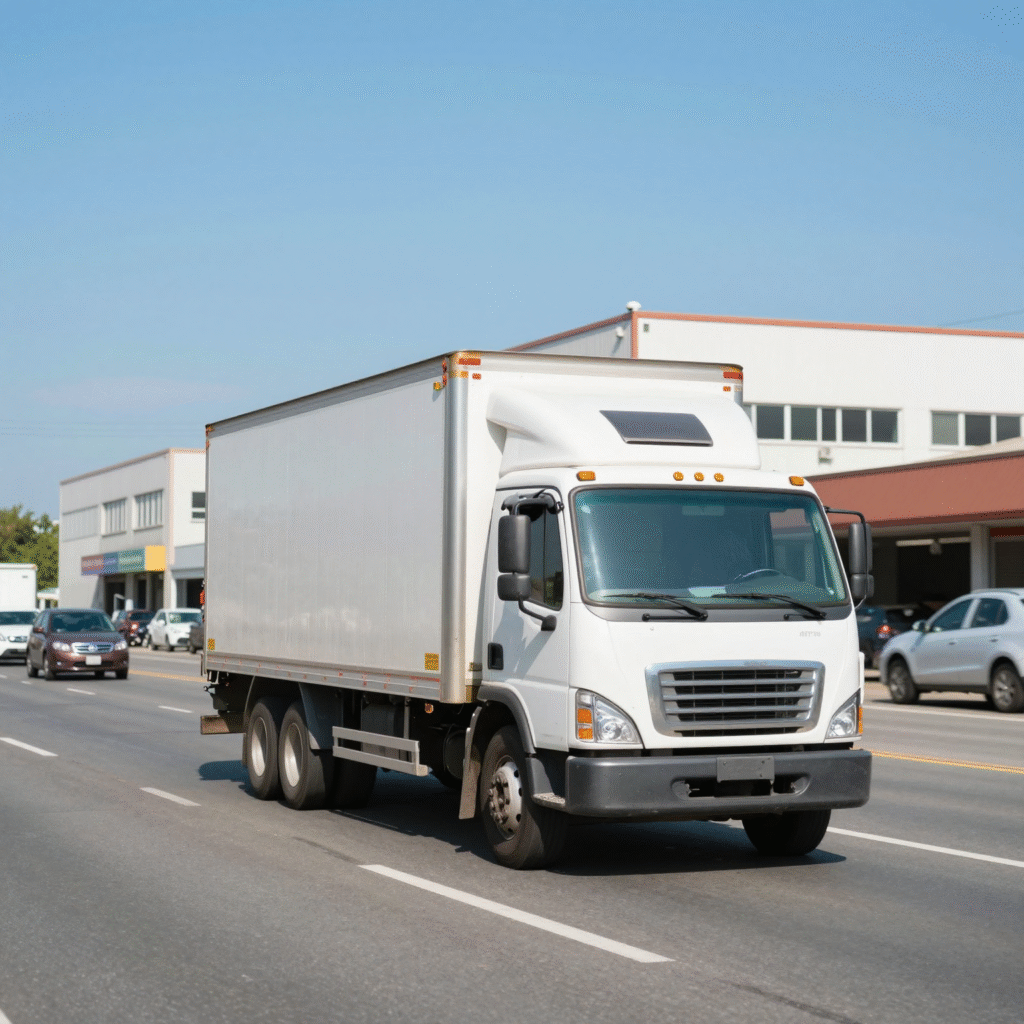
Introduction to Delivery Trucks: The Titans of Logistics
In the intricate dance of logistics and transportation, delivery trucks take center stage as the unsung heroes of commerce. Imagine a world without these powerful machines-stores emptying out, shelves barren, and the lifeblood of business grinding to a halt. Delivery trucks are not just vehicles; they are the arteries of our economy, ensuring goods travel swiftly and reliably from suppliers to consumers. Their efficiency is unrivaled, with fleets strategically designed to optimize routes and reduce delivery times. These trucks embody reliability, often clocking thousands of miles while maintaining peak performance. For long-haul truck drivers, trucking company owners, and fleet managers, understanding the pivotal role of delivery trucks is essential. Not only do they facilitate daily operations, but they also help bolster customer satisfaction, proving that in the world of logistics, every mile counts. Explore more about the logistics industry as we delve deeper into the importance of these magnificent machines.
Different Types of Trucks Used in Delivery Services
In the world of delivery services, the type of truck utilized can significantly impact the efficiency, versatility, and reliability of logistics operations. Here, we discuss three primary types of trucks commonly used: box trucks, flatbeds, and refrigerated trucks.
1. Box Trucks
Box trucks are the backbone of many delivery services. They feature an enclosed cargo area that protects goods from environmental factors such as rain and wind, making them optimal for transporting furniture, appliances, and general freight. With sizes commonly ranging from 10 to 26 feet, they offer ample space for various applications. The structural design of box trucks, often built with a completely closed box that provides security, also allows for easy loading and unloading. Their enclosed nature helps reduce the risk of damage to sensitive items during transit. Additionally, box trucks often have low decks, which facilitate efficient loading processes, especially in urban settings where space can be limited. For further insights, check out our blog.
2. Flatbed Trucks
Flatbed trucks are known for their open structure, which allows for flexible loading options. They are ideal for transporting oversized loads, machinery, and construction materials. The absence of sides and a roof makes flatbed trucks particularly useful for loads that are irregularly shaped or require loading multiple directions. Their design allows for easy access from various angles, making loading and unloading logistics faster and more efficient. Flatbeds can also be fitted with tarps and containers to protect the cargo against the weather, enhancing their versatility. To learn more about truck features, visit Industrial Transport Review.
3. Refrigerated Trucks (Reefers)
Refrigerated trucks are essential for transporting perishables such as food, flowers, and pharmaceuticals that require specific temperature conditions. These trucks use advanced cooling systems to maintain a stable temperature throughout the journey. This capability is crucial for ensuring the quality and safety of perishable goods, particularly during long-haul deliveries. Many refrigerated trucks can be set to different temperature zones, making them efficient for delivering various types of cargo simultaneously. Their investment in climate control not only ensures compliance with health regulations but also enhances operational efficiency for businesses in the food supply chain.
Each of these truck types plays a significant role in the effectiveness of long-haul delivery services, offering solutions tailored to specific cargo needs and operational requirements.
Different Delivery Truck Types
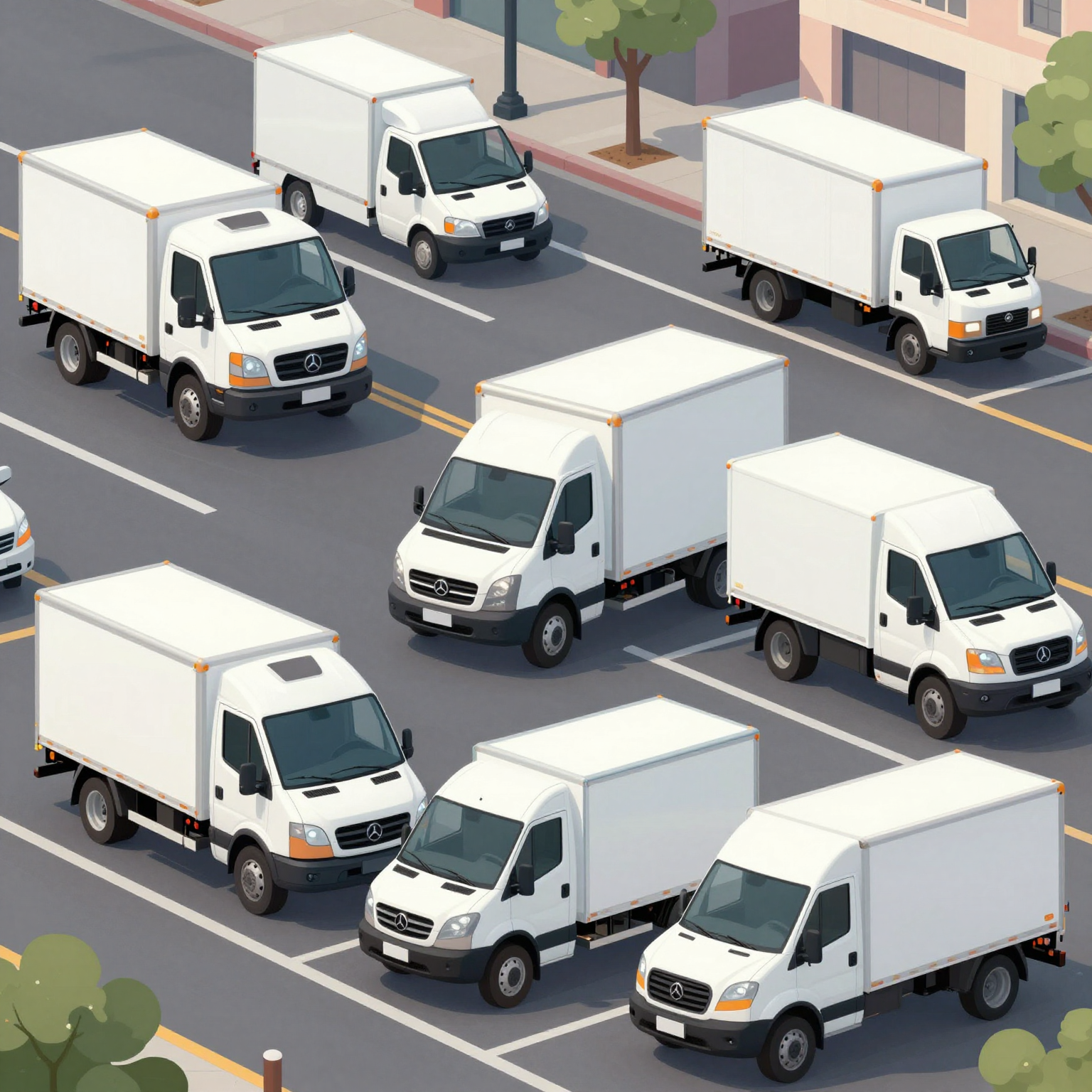
In the logistics and delivery industry, various types of trucks are employed to meet specific transport needs. These include:
- Box Trucks: Ideal for transporting bulk items, providing ample cargo space.
- Refrigerated Trucks: Perfect for delivering perishable goods, equipped with temperature control.
- Cargo Vans: Versatile and compact, often used for small to medium deliveries in urban areas.
- Flatbed Trucks: Suitable for transporting oversized freight or construction materials.
This diverse fleet allows companies to efficiently cater to different delivery requirements in ever-evolving markets.
The Importance of Maintenance for Delivery Trucks
Maintenance is vital in ensuring the longevity and safety of delivery trucks, which are the backbone of logistics and transport services. Regular maintenance, including checks, oil changes, and tire rotations, is crucial for keeping these vehicles running efficiently and reliably.
Regular Checks
Conducting routine checks on delivery trucks can prevent serious mechanical failures. A comprehensive maintenance checklist should include inspections of brakes, lights, and fluid levels, as well as battery health and suspension alignment. This proactive approach helps identify potential issues before they become significant problems, reducing breakdowns by up to 40% (according to a report from Fleet Management Journal).
Oil Changes
Regular oil changes are essential for optimal engine performance, helping to reduce friction and wear on internal components. Fresh oil can enhance fuel efficiency by 5-10%, allowing delivery trucks to operate more economically (as indicated by Trucking Today). Furthermore, clean oil prevents overheating and helps to clean the engine by removing contaminants and sludge, ultimately extending the engine’s lifespan.
Tire Rotations
Tire rotation is another critical component of truck maintenance. Delivery trucks often suffer from uneven tire wear due to constant stops and heavy loads. Rotating tires every 5,000 to 7,500 miles can extend their life by up to 30%, improve fuel economy, and enhance safety (per data from the National Fleet Management Association). Neglecting this maintenance increases the risk of tire blowouts, particularly in challenging weather conditions.
Conclusion
Maintaining a reliable fleet is not just about compliance or reducing costs; it’s about ensuring the safety of drivers and the timely deliveries that customers expect. Preventive maintenance practices enhance overall efficiency, lower total ownership costs, and ultimately contribute to a company’s profitability.
| Truck Type | Average Annual Maintenance Cost () | Insights |
|---|---|---|
| Heavy-duty Trucks | 15,000 – 25,000 | Suitable for long-haul operations but demand higher maintenance costs due to complex systems. |
| Medium-duty Trucks | 8,000 – 12,000 | Ideal for regional deliveries; balance between capability and cost. |
| Light-duty Trucks | 3,000 – 6,000 | Best suited for urban deliveries; low operational costs and flexible in city environments. |
| Electric Trucks | 5,000 – 8,000 | Lower maintenance costs due to fewer moving parts and no oil changes; increasing interest with sustainability focus. |
Considering an investment in delivery trucks involves understanding maintenance costs, which can significantly impact the bottom line. Heavy-duty trucks are essential for long-distance hauling but come with high maintenance expenses, often ranging from $15,000 to $25,000 annually. Medium-duty trucks are a versatile option, costing between $8,000 and $12,000, making them suitable for regional routes. Light-duty trucks present the most economical choice for urban deliveries, with maintenance costs usually between $3,000 and $6,000 per year, providing flexibility and functionality in crowded environments.
In recent years, electric trucks have emerged as a competitive alternative, with maintenance costs ranging from $5,000 to $8,000 annually. Their simpler mechanical structure results in fewer maintenance requirements, which can lower total lifetime costs. This shift not only aids in achieving sustainability goals but also allows trucking company owners to optimize their operational expenses.
For more tips on managing a fleet effectively, learn more about truck maintenance. Additionally, explore purchasing strategies for safe trucking to enhance your fleet’s performance.
Recent Technological Advancements in Delivery Trucks
The trucking industry has seen remarkable technological advancements that enhance both efficiency and safety, primarily through GPS tracking and telematics. These systems have become essential components in modern delivery trucks, leveraging data to optimize fleet management and improve operational performance.
GPS Tracking
GPS tracking technology allows fleet managers to monitor the real-time location of their vehicles, ensuring that deliveries are timely and efficient. According to 2023 data, companies utilizing GPS tracking have reduced fuel consumption by up to 15% through better route optimization, as drivers can avoid traffic congestions and roadblocks. This was reported by Fleetio Blog and is a testament to how crucial tracking is in decreasing operational costs.
Telematics and Data Integration
Telematics systems collect and analyze vast amounts of data, providing insights into vehicle performance, fuel usage, and driver behavior. Advanced telematics not only improve safety by providing real-time feedback to drivers but also help in predictive maintenance. This technology has led to a 22% reduction in unscheduled downtime and a 17% improvement in on-time delivery rates, as reported by recent industry studies, underscoring its impact on reliability.
Furthermore, fleets equipped with telematics have witnessed a 40% reduction in fuel misuse and a 35% drop in speeding incidents. These statistics highlight significant improvements in compliance and accountability among drivers. The integration of such systems is no longer an option but a necessity for modern fleet strategies.
Embracing these advancements is essential for trucking companies aiming to stay competitive, driving not only cost savings but also ensuring safer roads. Fleet managers interested in enhancing these aspects can explore more about successful strategies in our blog section.
Together, these technologies herald a new era for fleet management, striking a delicate balance between efficiency and safety.
Must-Have Features for Delivery Trucks
When it comes to choosing the right delivery truck for your operations, several essential features can make a significant difference in performance and efficiency. Here’s a list tailored specifically for trucking professionals, including long-haul drivers, fleet managers, and aspiring drivers:
-
Fuel Efficiency: The importance of fuel efficiency can’t be overstated. Delivery trucks should incorporate modern engine technologies that optimize fuel consumption, thereby reducing operating costs and environmental impact.
-
Storage Capacity: Adequate storage capacity is crucial for transporting goods effectively. Whether it’s a box truck or a flatbed, choosing the correct design for your cargo type can enhance operational efficiency.
-
Safety Features: Advanced safety measures such as backup cameras, collision avoidance systems, automatic emergency braking, and blind-spot detection are essential in protecting drivers and cargo during transit.
-
Driver Comfort: A comfortable driving environment can enhance productivity and reduce fatigue. Features such as ergonomic seating, climate control, and advanced infotainment systems contribute significantly to driver satisfaction.
-
Maneuverability: In urban areas, compact trucks can navigate narrow streets and tight corners more easily. Features like a low floor height and large rear doors help in loading and unloading swiftly, making the process much more convenient.
-
Refrigeration Units: For transporting perishable goods, it’s vital to have temperature-controlled trucks equipped with reliable cooling systems and digital monitoring for compliance and safety.
-
Durability: A robust chassis designed for heavy loads ensures the truck can withstand the rigors of daily deliveries and extends the vehicle’s lifespan.
Consider these essential features when selecting your next delivery truck, and maximize your operational efficiency while ensuring safety and comfort for your drivers. For more about choosing the right vehicle, learn more here.
Are you looking for a way to enhance the performance and appearance of your truck? Look no further than Summit Fairings, offering premium, custom-fit fairings that are designed to meet the unique needs of long-haul trucking. Our fairings are not just about aesthetics; they play a crucial role in improving aerodynamics, which can lead to reduced fuel consumption and increased efficiency for your fleet. Imagine hitting the road with a truck that not only turns heads but also saves you money in the long run!
Every trucker knows that durability is key when it comes to road equipment. That’s why our fairings are crafted from high-quality materials, ensuring they can withstand the rigors of the road while keeping your vehicle looking sharp. Plus, they are easy to install and perfectly molded for a perfect fit, allowing you to hit the road faster and with confidence.
Don’t let your competitors outpace you. Make the smart choice for your trucking fleet by investing in Summit Fairings. With our expert team ready to assist, you’ll find the perfect fit for your truck among our wide selection. Explore our offerings today and discover how our custom-fit fairings can take your business to the next level. Let’s ensure your truck not only performs better but looks great doing it!
In summary, the significance of delivery trucks cannot be overstated, as they are the backbone of supply chain operations across various industries. Investing in quality trucks is crucial; high-quality vehicles not only improve delivery efficiency but also enhance safety and reliability. A study highlighted that every dollar spent on preventive maintenance yields approximately four dollars in savings through reduced repairs and improved uptime. Moreover, regular maintenance is essential to prevent unexpected downtime, which can decrease on-time delivery rates by 12% and escalate fuel consumption by 7%.
For trucking company owners and fleet managers, the takeaway is clear: ensuring that trucks are well-maintained and choosing superior models can lead to long-term efficiency and cost savings. By prioritizing truck quality and upkeep, businesses can maintain successful operations and foster customer satisfaction. For more on optimizing your fleet’s performance, learn about best practices in truck maintenance.
The Importance of Maintenance and Technology in Delivery Trucks
In the fast-paced world of delivery services, the efficiency and safety of trucks are paramount. Routine maintenance not only ensures that trucks operate smoothly but also significantly reduces the likelihood of unexpected breakdowns. As Brown and Hurley emphasizes, “Regular maintenance is key to ensuring that delivery trucks operate safely and efficiently. By consistently addressing repairs and upkeep, businesses can drastically reduce downtime due to vehicle failures and enhance roadway safety.”
The integration of modern technology further amplifies these benefits. Features like onboard diagnostic systems (OBD), remote monitoring, and predictive maintenance tools allow fleets to monitor vehicle conditions in real-time. These technologies help identify potential issues before they escalate, thereby reducing operational costs while improving reliability.
For fleet managers and truck drivers alike, understanding and implementing these maintenance protocols is essential. They not only save costs but also enhance service quality, ultimately leading to increased customer satisfaction.
For more on optimizing truck performance through effective maintenance, learn more about our approaches or explore our services dedicated to fleet support.